
Several original musicals are taking center stage at major theaters in early 2024. Notable productions include The Man in Hanbok, which has been performing at the Chungmu Art Center since late last year and recently won the grand prize at the Korean Musical Awards. Other standouts are Fan Letter at the Seoul Arts Center’s CJ Towol Theater, Dreaming of the Peach Blossom Spring at the National Theater’s Haeoreum Theater, and Secretly Greatly: THE LAST at the NOL Theater in Daehangno.
The post-pandemic theater revival has sparked a surge in creative works, particularly in small to mid-sized venues. While this has made original musicals more accessible in areas like Daehangno, larger theaters have primarily focused on licensed performances.
When original musicals do make it to bigger stages, they tend to be revivals rather than new productions. This cautious approach stems from the significantly higher production costs and risks associated with untested works in major theaters.
The importance of original works has gained renewed attention, especially after Maybe Happy Ending’s Tony Award win last year. In September, the Korean Musical Association hosted a forum that emphasized the need for developing unique intellectual properties (IPs) in the industry.
The simultaneous staging of four original musicals in major theaters this year is a promising sign. It’s particularly significant as Korean musicals celebrate their 60th anniversary, with all four productions set against a Korean backdrop.
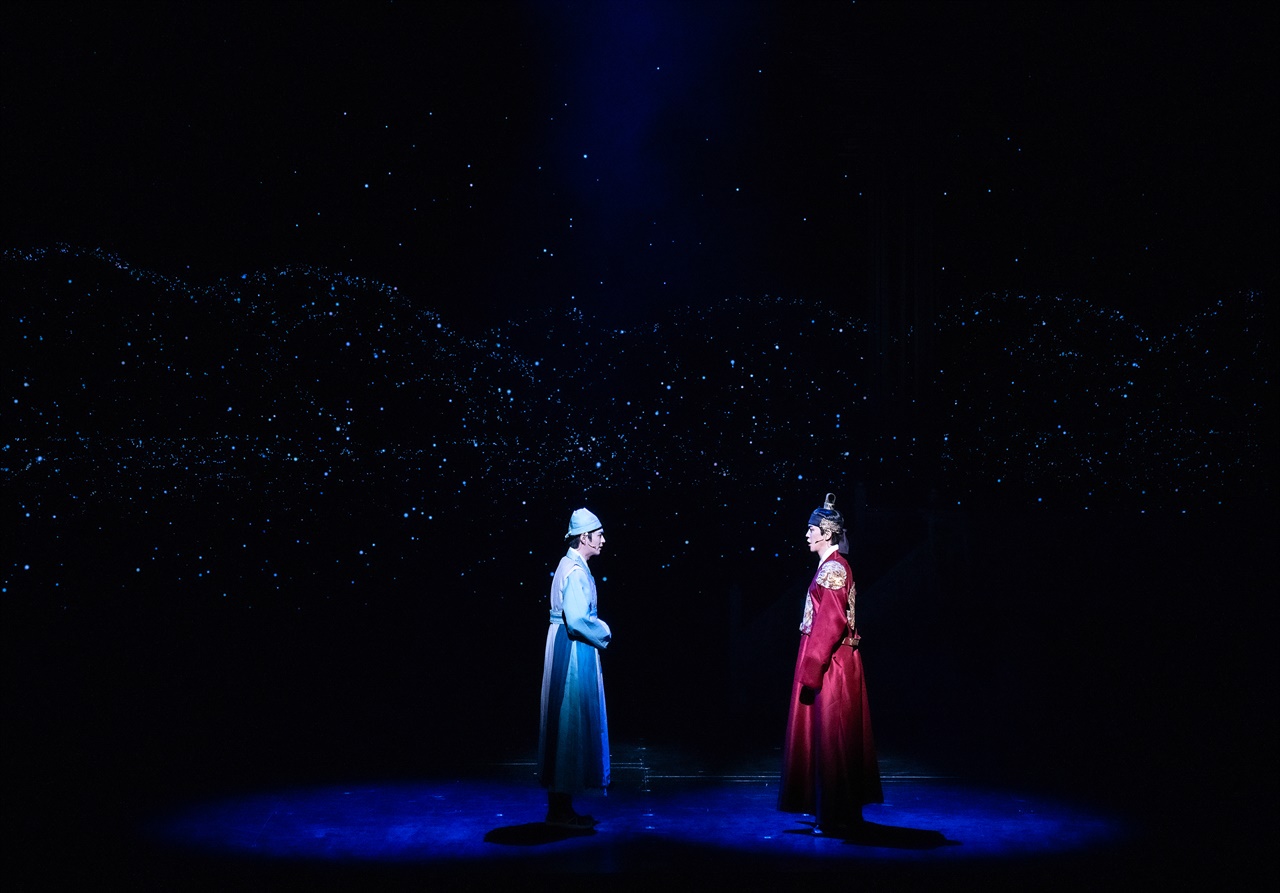
The Man in Hanbok, based on a novel imagining Jang Young-sil’s European journey, marks a departure for EMK Musical Company, known for European-themed works. Producer Eom Hong-hyun described it as an all-hands-on-deck project.
Despite the high stakes, the production recently clinched the grand prize at the Korean Musical Awards, praised for its historical imagination and blend of traditional Korean and Western music.
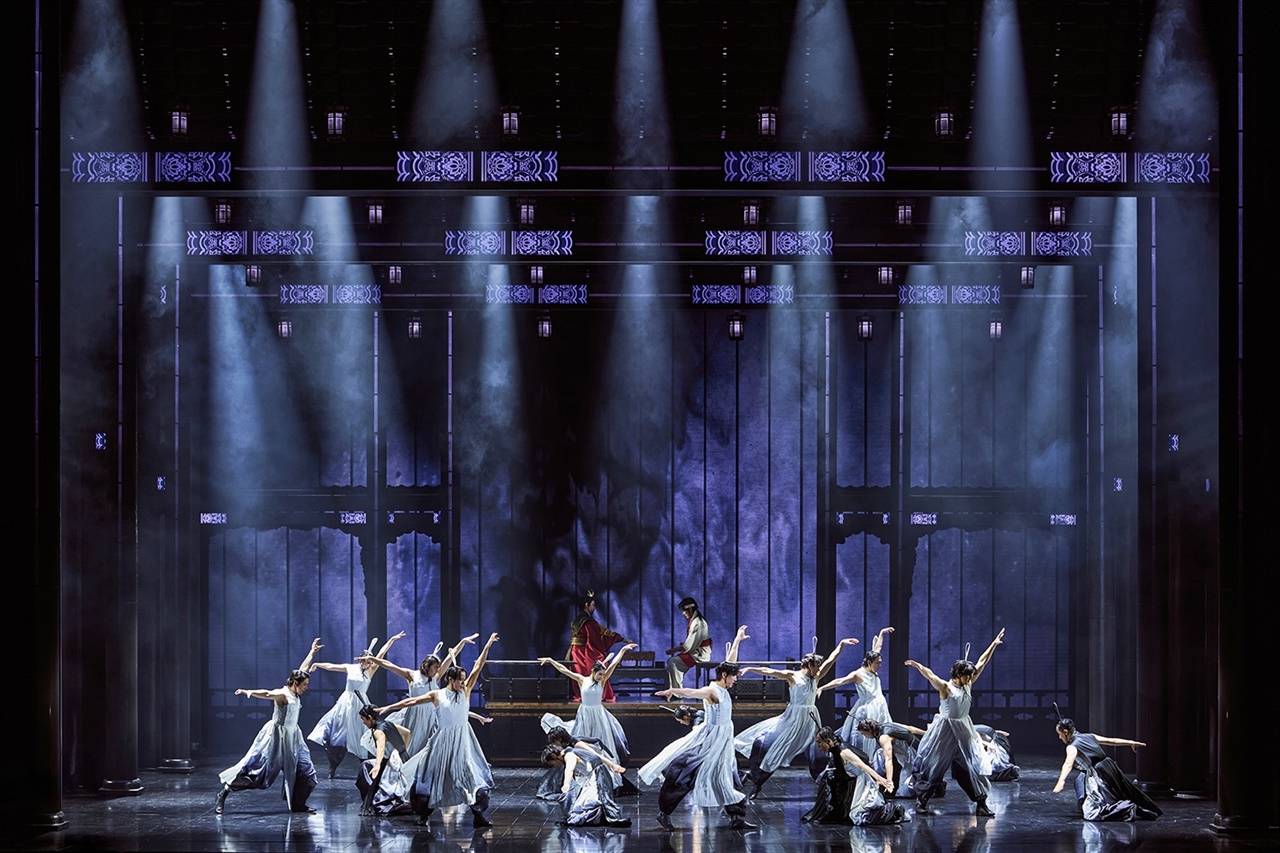
Dreaming of the Peach Blossom Spring, inspired by a love story from Samguk Sagi, is making a comeback after 24 years with a completely revamped creative team.
Both this and The Man in Hanbok are significant as historical dramas set in Korea’s past, offering fresh takes on traditional themes.
Dreaming of the Peach Blossom Spring stands out for its use of traditional Korean singing techniques and the inclusion of professional traditional musicians in the cast. The show’s depictions of historical ceremonies and rituals are particularly striking.
Can these shows captivate international audiences?
Director Yoon Ho-jin of Dreaming of the Peach Blossom Spring believes that authentically Korean content can have universal appeal. The musical is set for performances in New York this August after its domestic run.
Its potential for international success lies in its ability to convey universal emotions through a uniquely Korean lens.
Unlike some culturally specific works, Dreaming of the Peach Blossom Spring requires less cultural context for comprehension, enhancing its international prospects.
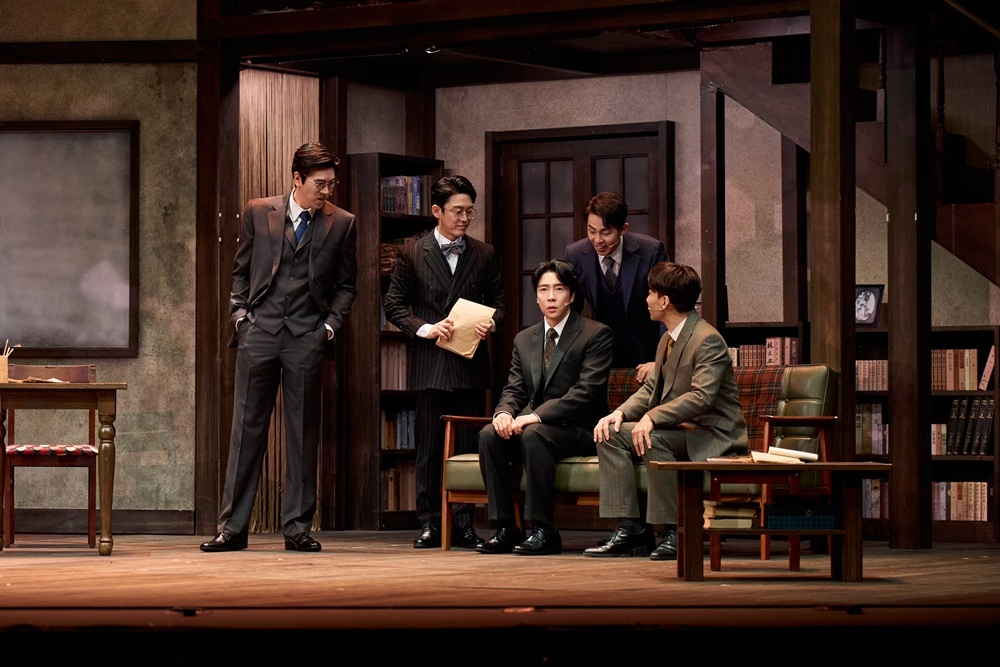
Fan Letter, another current production, has already found success abroad, demonstrating the global potential of Korean original musicals.
The rise of original musicals: Potential and challenges
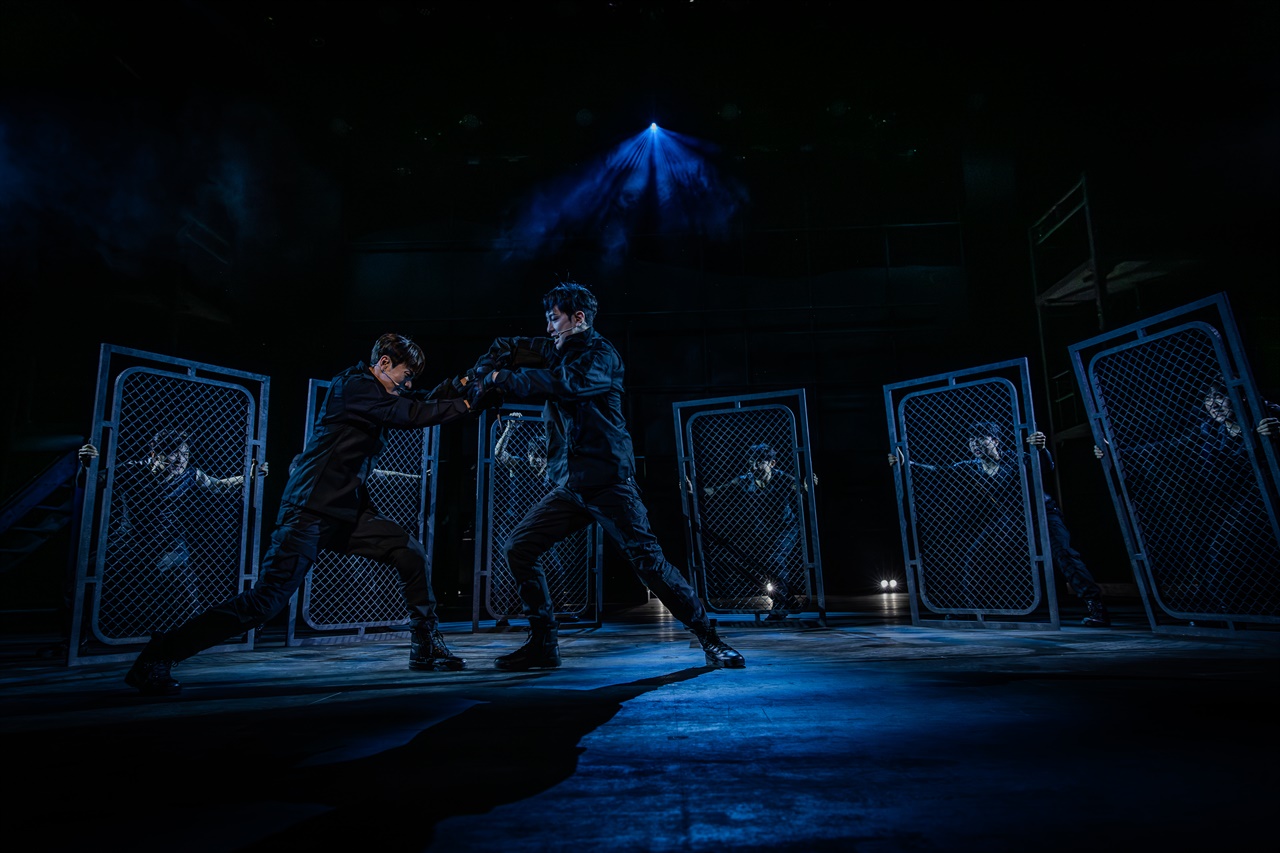
Fan Letter and Secretly Greatly, both celebrating their 10th anniversaries, have successfully scaled up from mid-sized to larger venues.
Their growth trajectories serve as inspiring examples for other Korean original musicals.
An industry insider noted that clearer pathways for scaling up productions could encourage more original work development.
While many current major theater productions are adaptations of existing IPs, there’s a growing call for the theater industry to develop its own original content.
This sentiment was echoed by audience members at recent performances, with one expressing hope for musicals to become source material for other media adaptations.




Most Commented