
Translation result.
When spring arrives, one of the first herbs to appear on the table is dalrae — wild chives. With a sharp aroma and a gentle bite, they pair beautifully with warm rice. Dalrae-jang, the simple seasoned chive mix you toss with rice, is a classic spring pick-me-up.
Adding plum syrup smooths and deepens the flavor. The syrup’s bright, tangy scent enhances the chives without overpowering them.
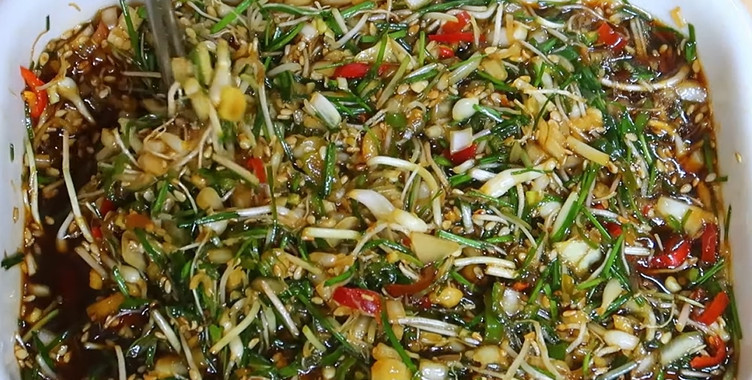
Dalrae-jang is naturally easy to make. A few pantry staples — soy sauce, gochugaru (Korean red pepper powder), garlic, and sesame oil — are usually enough. But that combo can lean a bit salty or aggressively spicy. A splash of plum syrup adds natural sweetness and acidity, rounding the sauce in a way plain sugar can’t. The subtle fruit aroma of the plum also helps lift and clarify the chives’ fragrance.
Start by cleaning the chives well. Dirt tends to cling to the roots, so washing thoroughly is important. Fill a large bowl with water, submerge the chives, and gently shake them to release soil. Change the water several times and use your fingers to loosen dirt between the roots. Finish with a quick rinse under running water to remove any leftover grit.
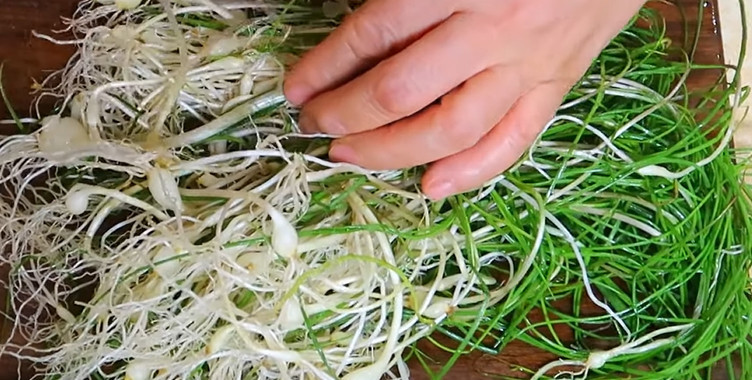
After washing, drain the chives thoroughly. Excess water can dilute the sauce. Let them sit briefly in a colander or press lightly with a kitchen towel to remove moisture. Then slice the chives into 2–3 cm pieces. If they’re too long, they’ll be awkward to mix with rice.
The sauce is straightforward: in a bowl combine 4 tablespoons soy sauce and 1 tablespoon gochugaru, then add 1/2 tablespoon minced garlic and 1 tablespoon plum syrup. You can tweak the plum syrup to taste, but don’t overdo it or the mix will become too sweet. A good rule is about one-third plum syrup to soy sauce for balanced flavor.
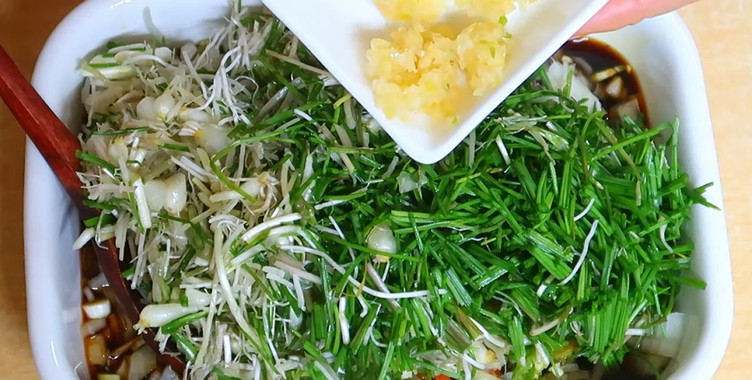
Add 1 tablespoon sesame oil for a toasty finish and a pinch of toasted sesame seeds to taste. If you like heat, toss in a little finely chopped Cheongyang pepper. Finally, fold in the sliced chives gently — don’t stir aggressively. A light folding motion preserves the chives’ aroma and texture.
This dalrae-jang is versatile. The easiest way to enjoy it is stirred into a bowl of warm rice: one or two spoonfuls perfume the whole bowl and make a satisfying meal on its own. It’s also delicious over lightly blanched tofu, wrapped in roasted seaweed, or served alongside grilled meats to cut richness.
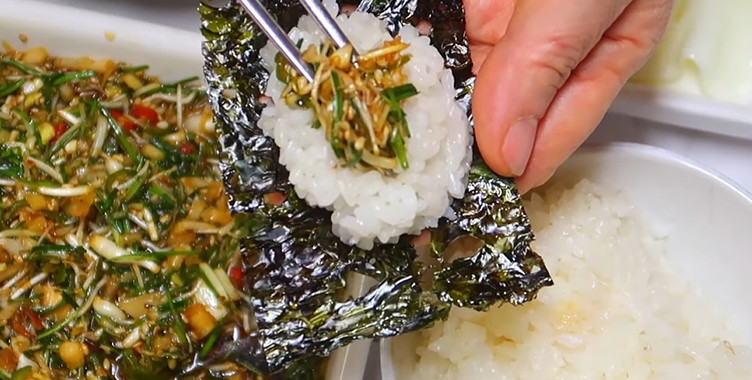
Plum syrup changes not just the taste but the scent. It smooths the chives’ sharp edge and adds a fresh, lively note. After a short rest, the plum and chive aromas meld, giving the sauce more depth.
Store dalrae-jang in an airtight container in the refrigerator. Because the chives are highly aromatic, it’s best eaten within 2–3 days for peak flavor. Over time the seasoning will seep into the chives and the taste may intensify slightly.
Check your daily horoscope — how will your day go?




Most Commented