
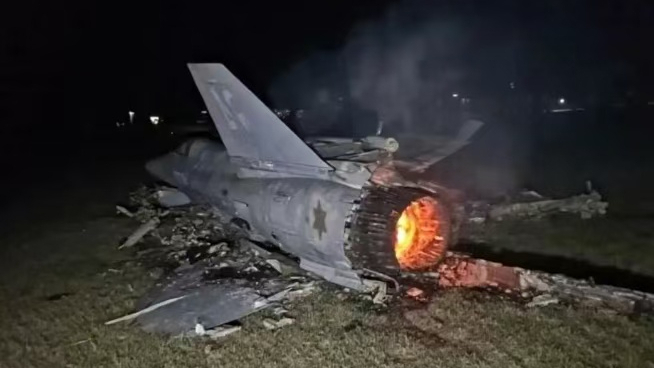
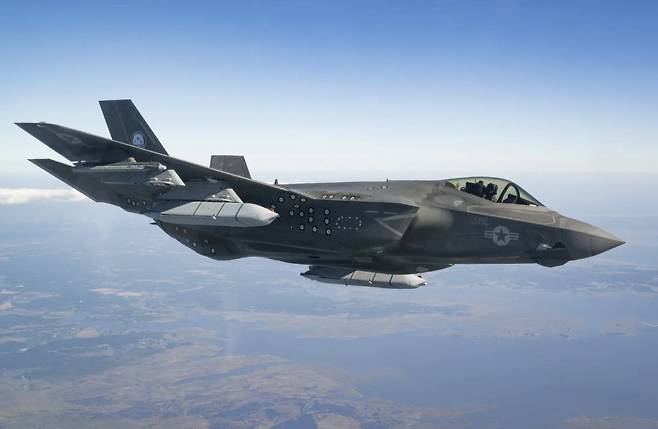
Iran released video claiming its air defenses struck an F-35, a statement that immediately drew scrutiny from the international military community. That an aircraft widely seen as the symbol of modern stealth was detected by an air-defense network amplified the reaction. The material Iran published is limited, however, and significant gaps remain between Tehran’s claim and independently verifiable facts. This incident is best understood not only as a tactical event but as a collision of military technology and information warfare.
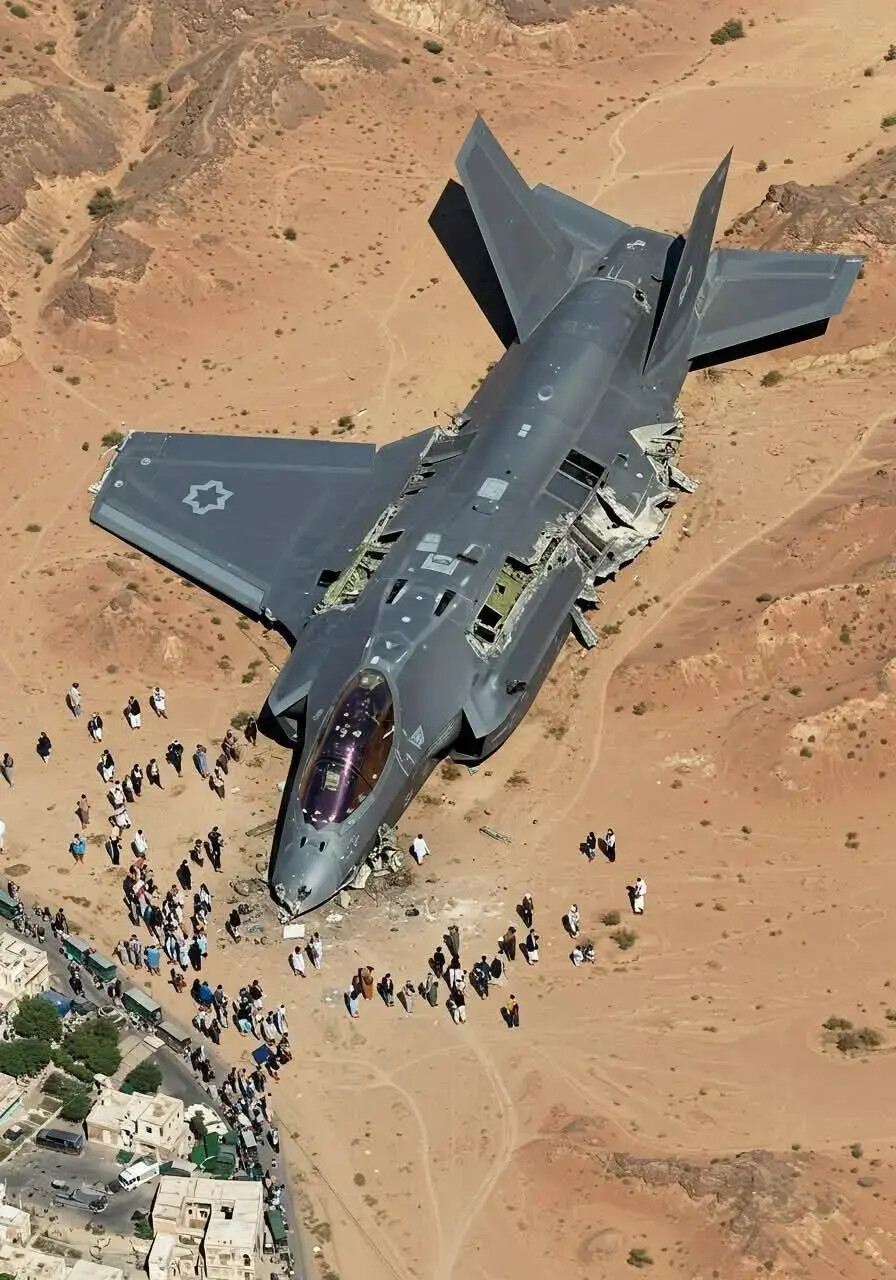
“Was it shot down or damaged?”…Conflicting claims
Tehran released footage it says shows a missile launch and a struck target. The clip includes frames that suggest a hit, but it does not establish whether the jet was destroyed. U.S. officials have acknowledged the aircraft may have sustained damage but have declined to confirm a shootdown. Calling the incident a definitive shootdown risks overstating the evidence; at this point the distinction between damage and destruction remains unresolved.
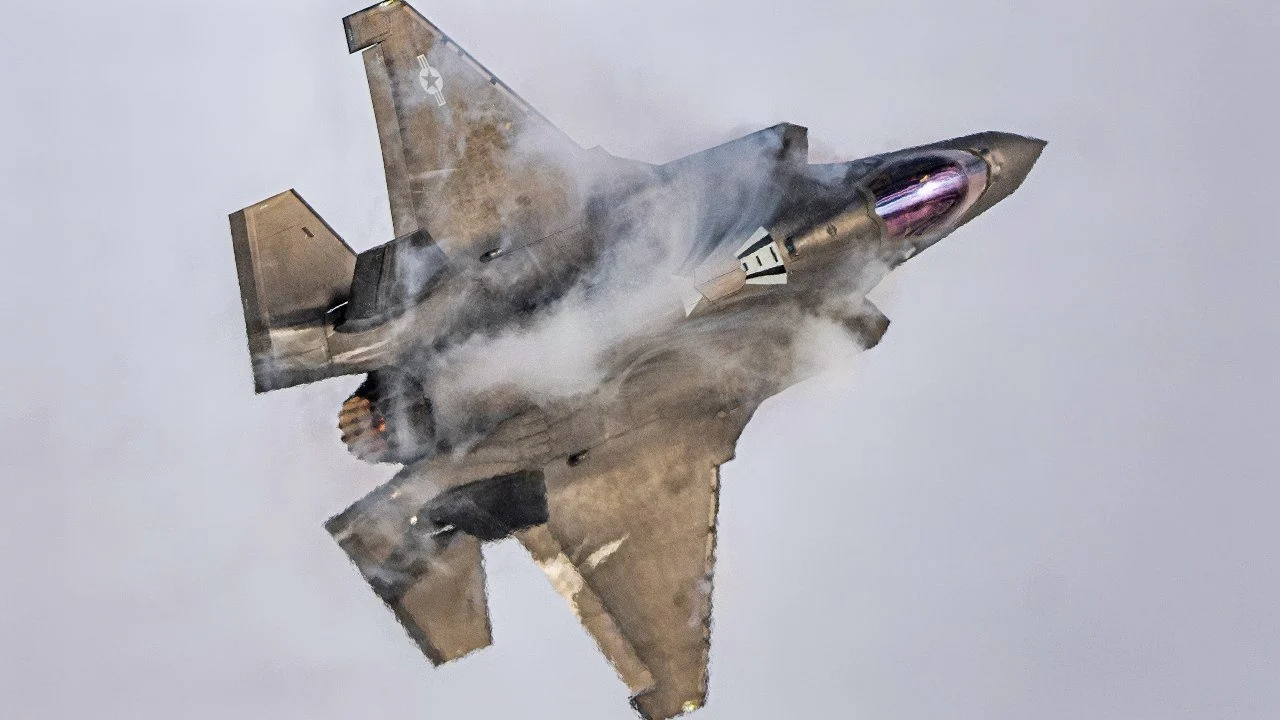
Stealth isn’t invincible…The reality of detection methods
The F-35’s design focuses on reducing radar cross-section, not achieving complete invisibility. Low-frequency radar systems and multisensor networks can still obtain a bearing or rough location. Infrared search-and-track sensors that follow engine heat signatures can provide additional cueing. When those sensor inputs are fused, they can create a track suitable for missile guidance. In certain operational environments, even stealth aircraft can be exposed to threat systems.
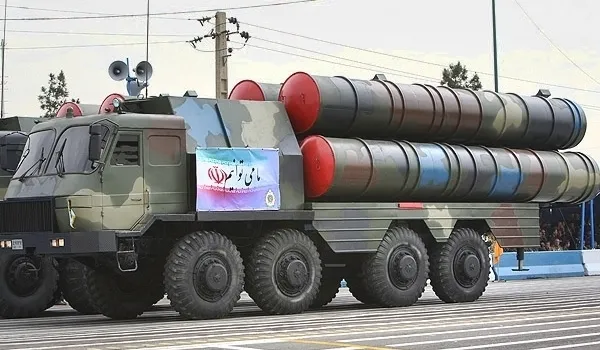
Mention of Bavar-373…How capable are Iran’s air defenses?
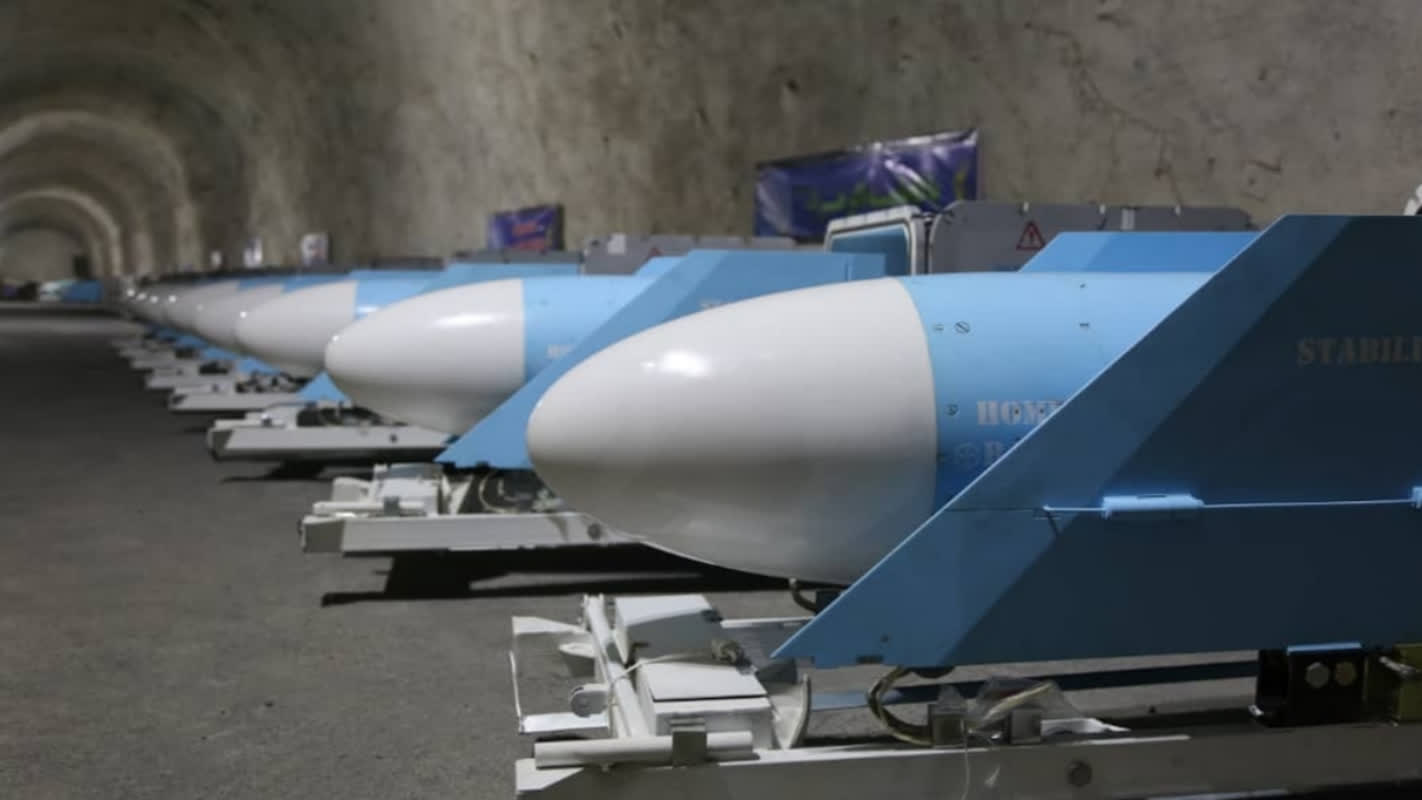
Iran pointed to the Bavar-373 family as the system involved. Analysts note the design draws heavily on lessons from Russia’s S-300 series and, on paper, offers long-range detection and interception capability. But system specs alone don’t prove real-world effectiveness: operator training, network integration, sensor fusion and command-and-control maturity all determine performance. The system’s ability to defeat high-speed, maneuvering targets requires validation from operational data.

The intent behind releasing the video…A typical pattern in information warfare
Publishing the video was a deliberate information operation. Visual material can boost perceived credibility and shape international reaction, but footage alone rarely reconstructs an entire engagement. Selective editing or framing can create a misleading narrative. This approach aligns with familiar information-warfare tactics: footage serves simultaneously as evidence and as a strategic message.

U.S. response…Information control and risk management
The U.S. response has been cautious and tightly controlled. Officials have acknowledged possible damage but avoided operational detail, a posture aimed at minimizing disclosure of tactics, techniques and procedures and at preserving confidence in stealth assets. Excessive public detail can reveal vulnerabilities; by limiting information, Washington appears to be managing operational and reputational risk.
Clash of symbolism…Another phase in the technology competition
The wider significance of the incident lies in symbolism as much as in kinetic effects. The F-35 is a cornerstone of U.S. airpower; Tehran, constrained by resources, has incentive to highlight any perceived air-defense success. Claims of striking a stealth fighter send a powerful political and psychological message. While they don’t instantaneously change the balance of power, they can shift regional perceptions. The episode underscores how technological competition and psychological operations converge in contemporary conflict.





Most Commented