
Translation result
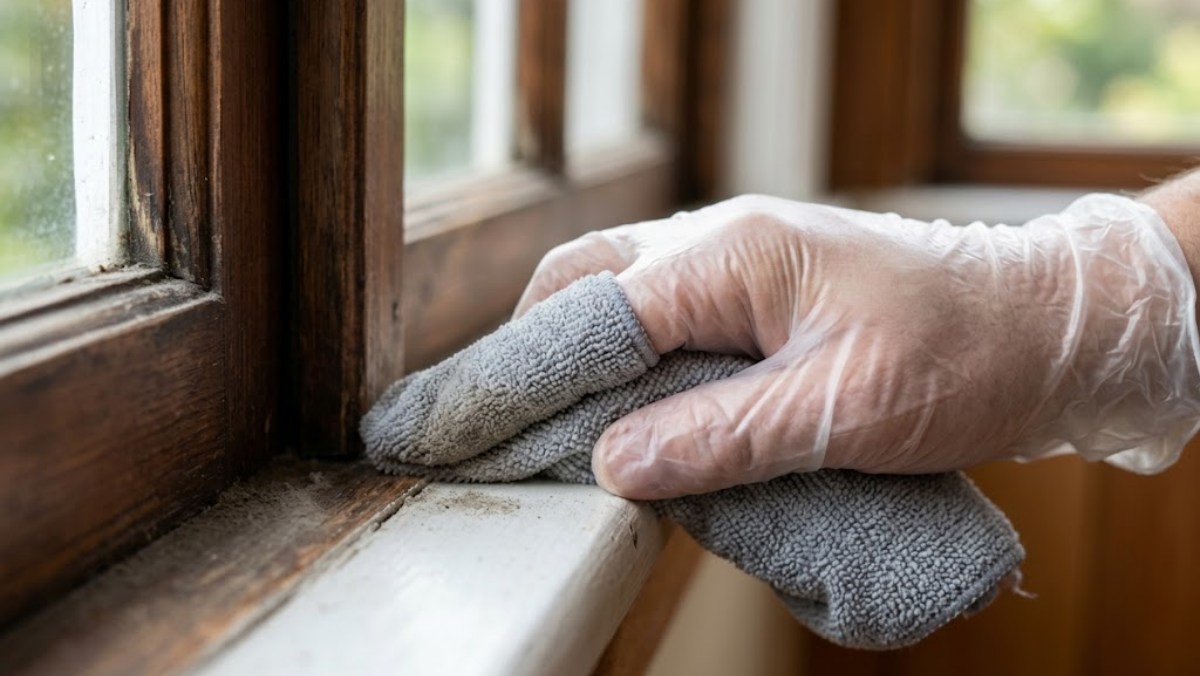
Plastic gloves—those familiar boxes of 100 tucked into the corner of a kitchen drawer—are a household staple. We usually reach for them to keep seasonings off our hands when mixing kimchi or marinating meat. But those thin, transparent sheets hide a surprising range of uses. They’re more than disposable hygiene tools; with a little imagination, they can solve small everyday hassles around the home.
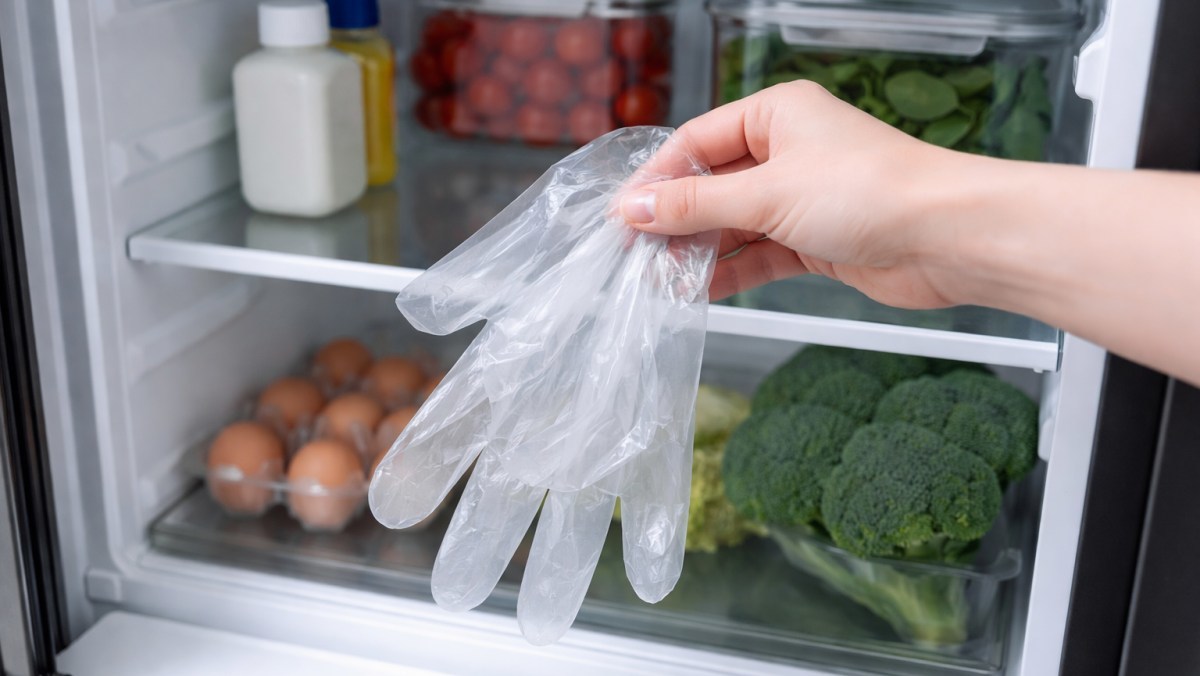
The chief advantage of plastic gloves is structural: five independently separated fingers. That shape lends itself to simple repurposing—into a custom storage pocket, a precision cleaning tool, or even a beauty aid.
Pulling out a glove, cutting it, and tying it takes no special household skill—anyone can do it. Today, open a drawer and take one glove. Instead of putting it on, grab scissors and see what practical transformations it can offer.
Using plastic gloves in the kitchen!
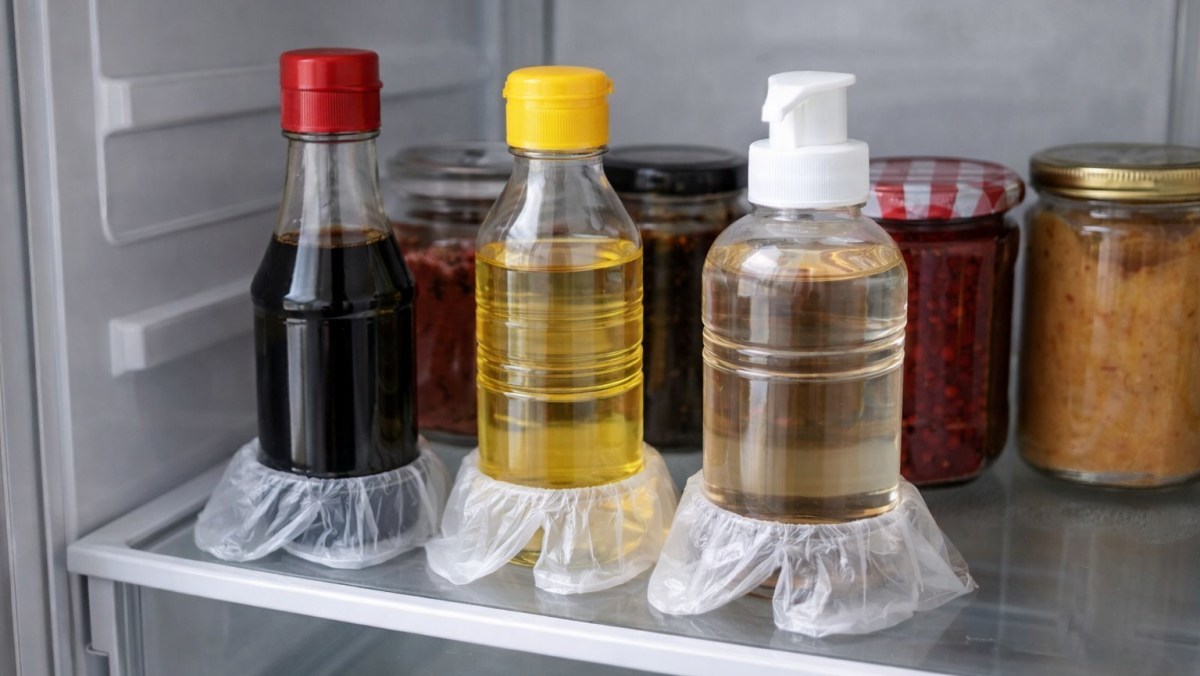
Start with the kitchen. For condiment bottles—soy sauce, cooking oil, or syrup—where liquids drip down the neck and leave the shelf sticky, cut off the glove’s wrist and slip it over the bottle’s base to serve as a makeshift coaster. Cut the wide wrist section about 5 to 7 cm (roughly 2 to 2.8 inches) high and fit it over the bottom of the bottle like a little boot.
Because the material is plastic, you can replace it whenever it gets dirty, keeping cabinet shelves tidy without constantly wiping with paper towels or buying and cleaning a silicone mat.
Use it as a cleaning tool!
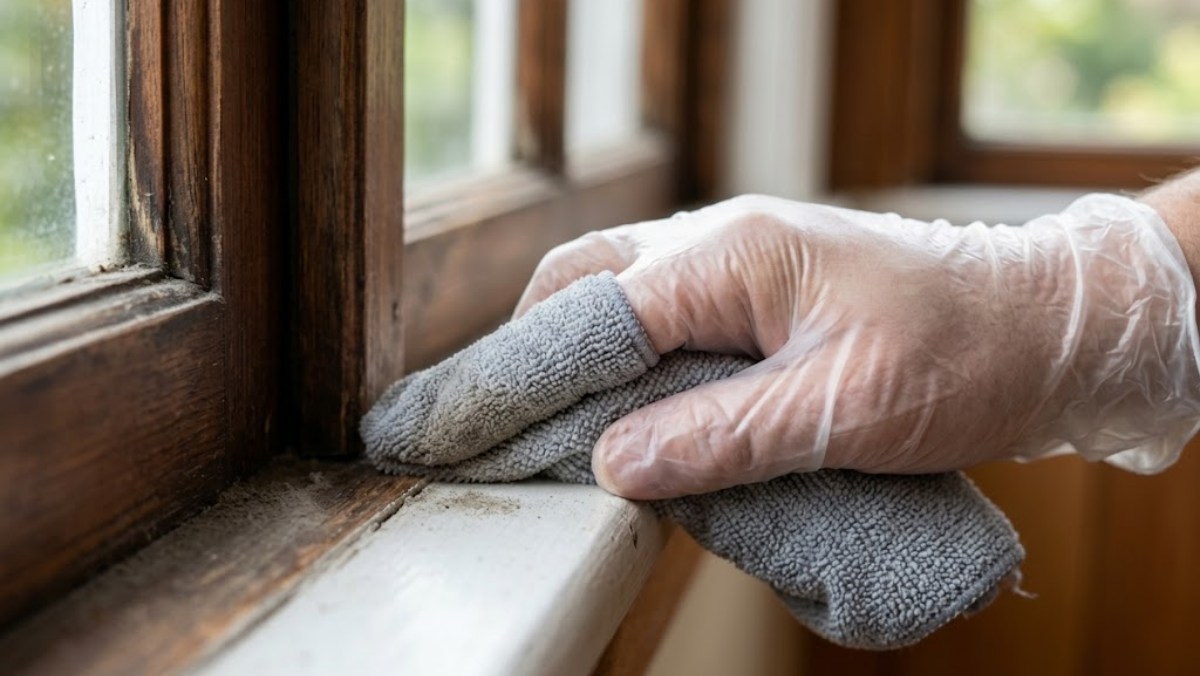
Gloves also make effective tools for dusting narrow gaps and window tracks. Slip an old sock or a microfiber cloth over the glove, then use your fingertips to sweep into tight corners that ordinary rags can’t reach. The friction creates static, helping the cloth attract fine dust.
They’re handy for clearing hair from drains, too. Put a glove on inside out, grab the clog, then pull at the wrist and flip the glove right-side-out—the debris becomes trapped inside. You avoid touching the mess and can toss it directly into the trash for a hygienic cleanup.
Try these plastic-glove hacks!
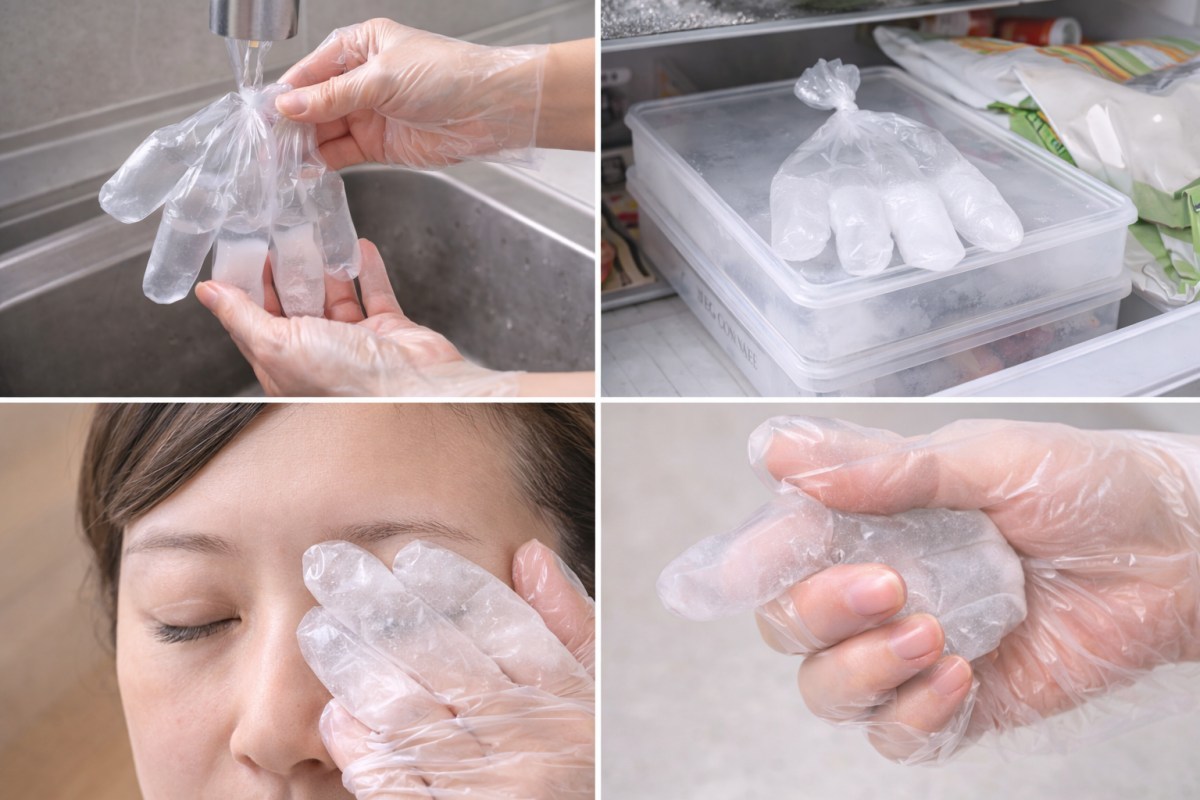
You can turn a glove into an ice pack. Store-bought ice packs are often too flat or too large to cool narrow, curved spots like under the eyes, finger joints, or the ankle bone evenly.
Fill each finger about two-thirds with water, tie off the opening, and freeze it. You’ll end up with five mini ice packs that keep the glove’s finger shape. Leave room for expansion when you tie them, or cut and freeze individual finger sections as needed. The thin plastic transfers cold quickly and the finger shape lets you cup and wrap an injured area for targeted relief.
If your eyes are puffy in the morning, press a frozen glove finger to the eyelid—the shape conforms to the curve and helps reduce swelling. They’re also useful for a sprained finger joint or a small burn from exercise.
After the ice melts, discard the water and refill, which keeps this method economical. And because the gloves are disposable, you can use a fresh one on injured areas where hygiene matters.

The tricks don’t stop there. Gloves work well for travel and outdoor activities. For a simple toothbrush hygiene cap, slip each brush into a glove finger so the bristles don’t touch—an efficient, space-saving way to keep multiple brushes separate.







Most Commented