
Translation result
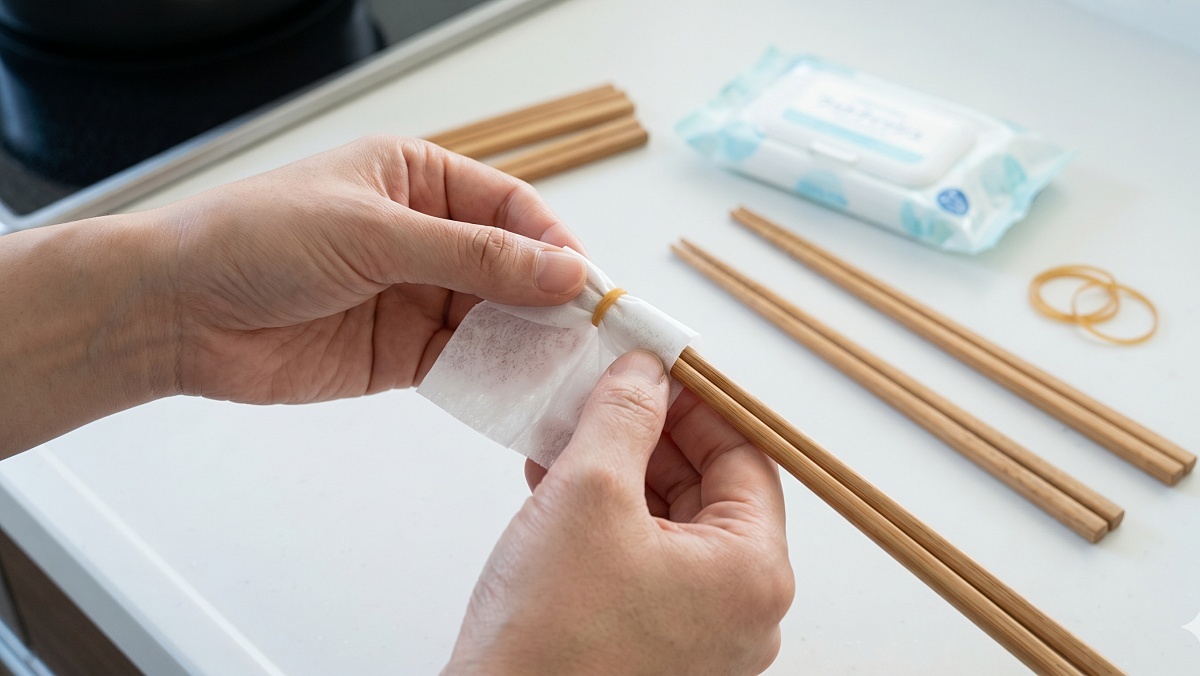
Takeout often arrives with disposable wooden chopsticks that are used once and tossed. With a little tweaking, those same sticks can be repurposed into handy cleaning tools for narrow gaps around the home. They work especially well where fingers won’t reach, brushes can’t get in, or grime has hardened in tight grooves. You don’t need to buy specialty tools, and because they can be discarded after use they’re an easy, hygienic option. Here are practical ways to put wooden chopsticks to work — from the bathroom to window sills and kitchen appliances.
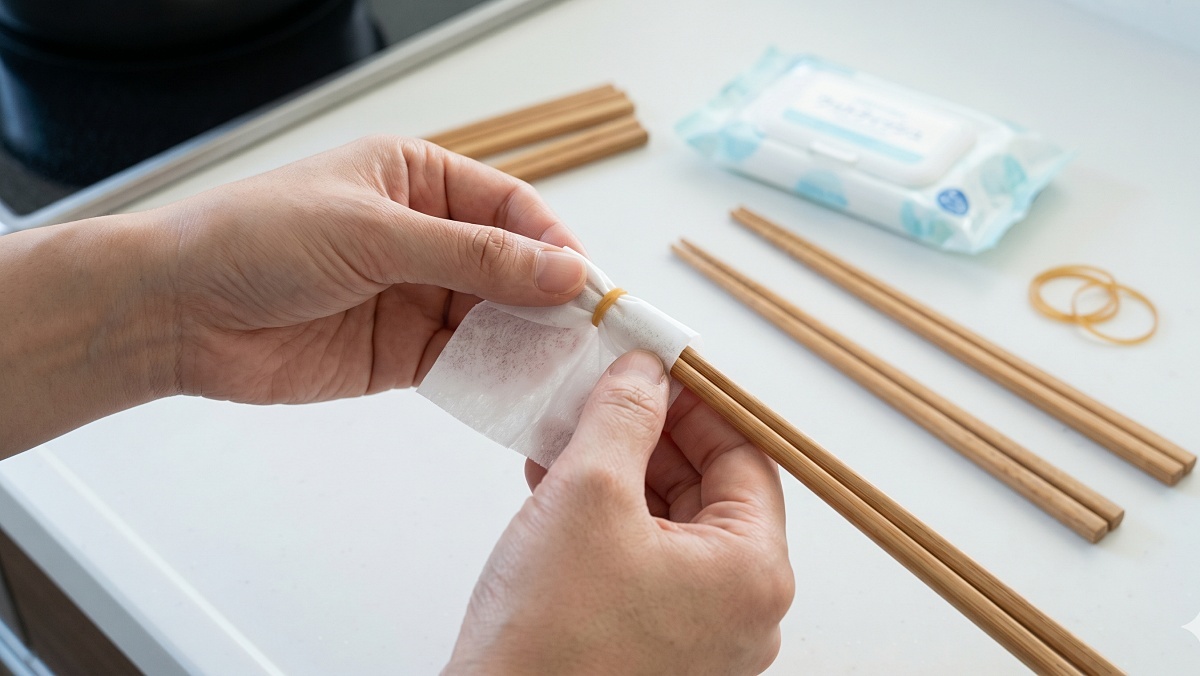
Removing bathroom grime from narrow gaps
Bathrooms stay damp longer than most rooms, which encourages mineral buildup and mold. Narrow, deep spots — the gap between a faucet and the sink, the back of a tap, or tile corners — are difficult to clean with a regular brush or sponge. A wooden chopstick lets you reach those out-of-sight areas more effectively.
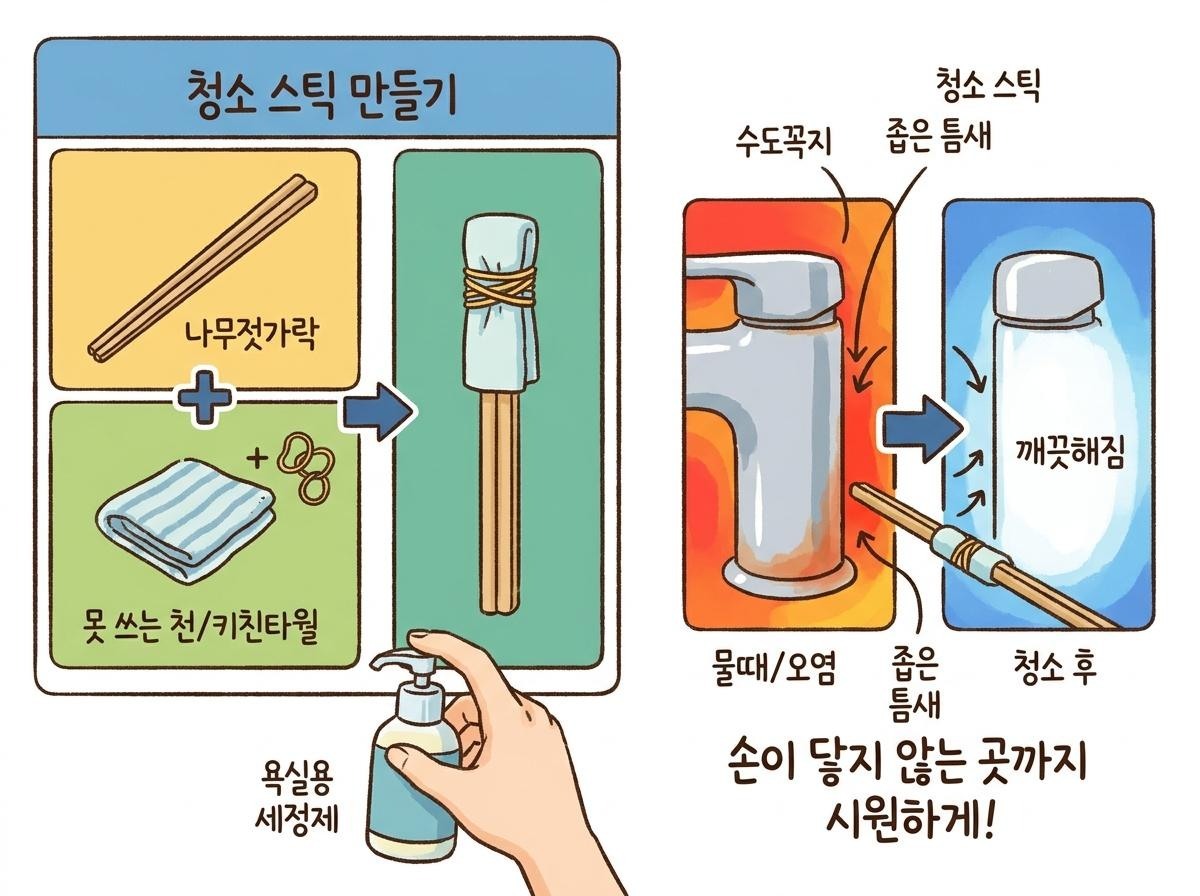
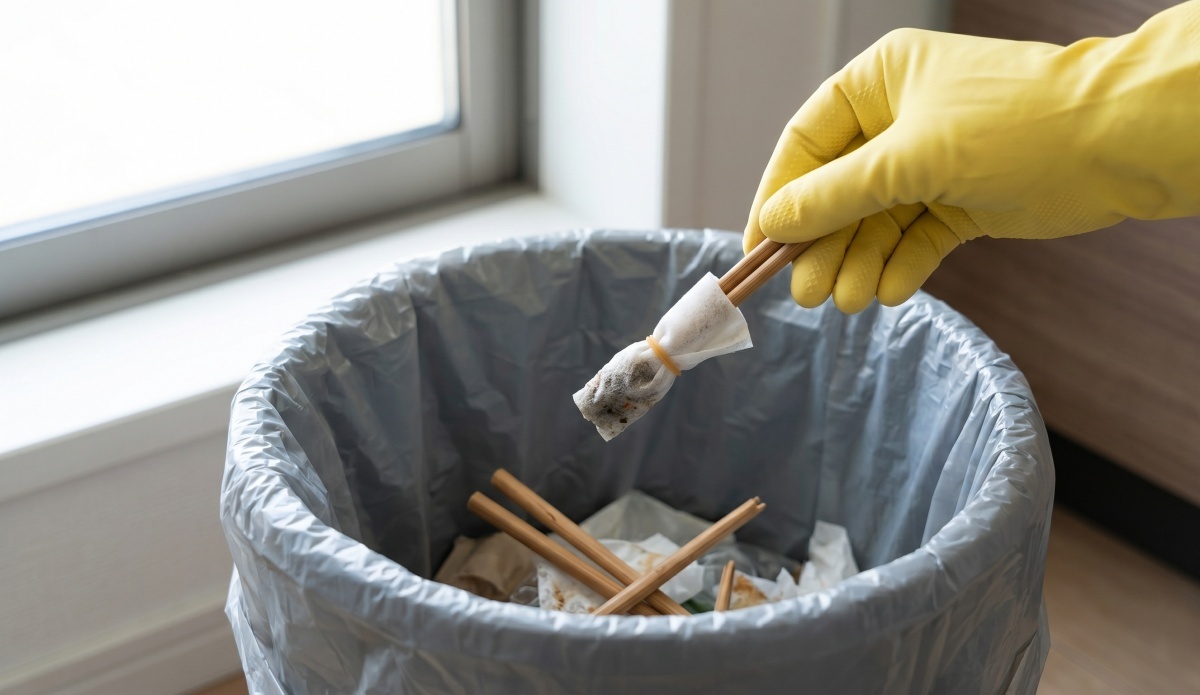
The easiest approach is to wrap a scrap cloth, a sheet of kitchen towel, or a thick wet wipe around the tip of a chopstick to make a small cleaning stick. Secure it with a rubber band and, if needed, add a small amount of bathroom cleaner. This makeshift tool is useful where visibility is poor and fingers won’t fit, such as behind a sink faucet. Chopsticks are stiff enough to transmit force and narrow enough to follow grime-filled grooves.
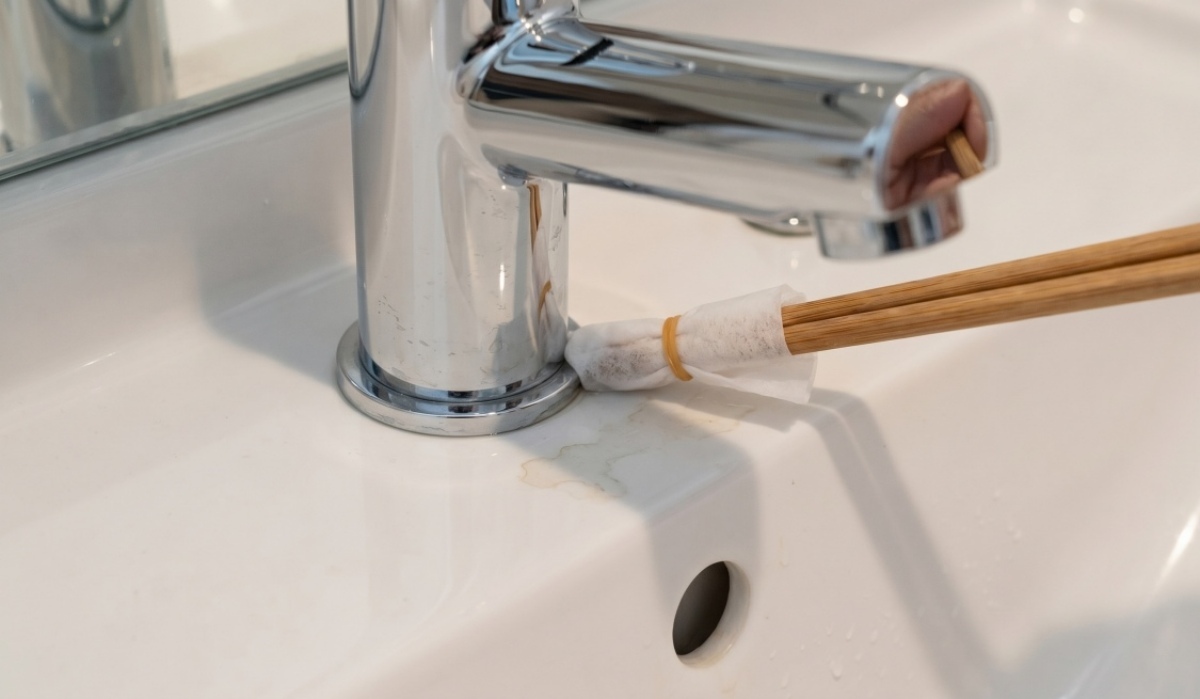
You can also address areas that collect grime regularly, such as under faucet handles or the pump openings on shampoo and body-wash bottles. The joint exposed when you lift a handle tends to trap moisture and darken. Insert the chopstick tip with a bit of cleaner into the gap and make gentle back-and-forth motions to loosen hardened deposits. Multiple soft passes reduce the risk of surface damage more than applying brute force.
Wooden chopsticks are also useful for removing hair and debris from sink drains. Use them to lift contaminants out of the drain strainer instead of touching them directly. The chopstick’s slight texture helps wet hair grip rather than slip. Carefully pull out material lodged inside the drain using one side of the stick.
The curved sections inside the toilet rim are another easy-to-miss spot. Toilet brushes can be bulky and often won’t reach narrow grooves. Wrap a cloth or wet wipe around a chopstick and run it around the rim’s inner groove to remove grime from those hidden areas. For hygiene, it’s best to discard used chopsticks rather than clean and store them.
Useful for tile grout and silicone mold, too
Grout between tiles and the silicone seal around tubs and sinks can develop black mold over time. Simply spraying cleaner is often not enough to dislodge deeply set stains. Use the chopstick’s flat face or edge to push along the grout line so the cleaner reaches stained areas more effectively.
Chopsticks offer enough stiffness while posing less risk of surface damage than metal tools. Unlike steel scrubbers, they won’t aggressively abrade bathroom surfaces, so you can use them with relatively little worry. Still, avoid scraping silicone sharply; old silicone can lift or tear. Press and wipe rather than gouge.
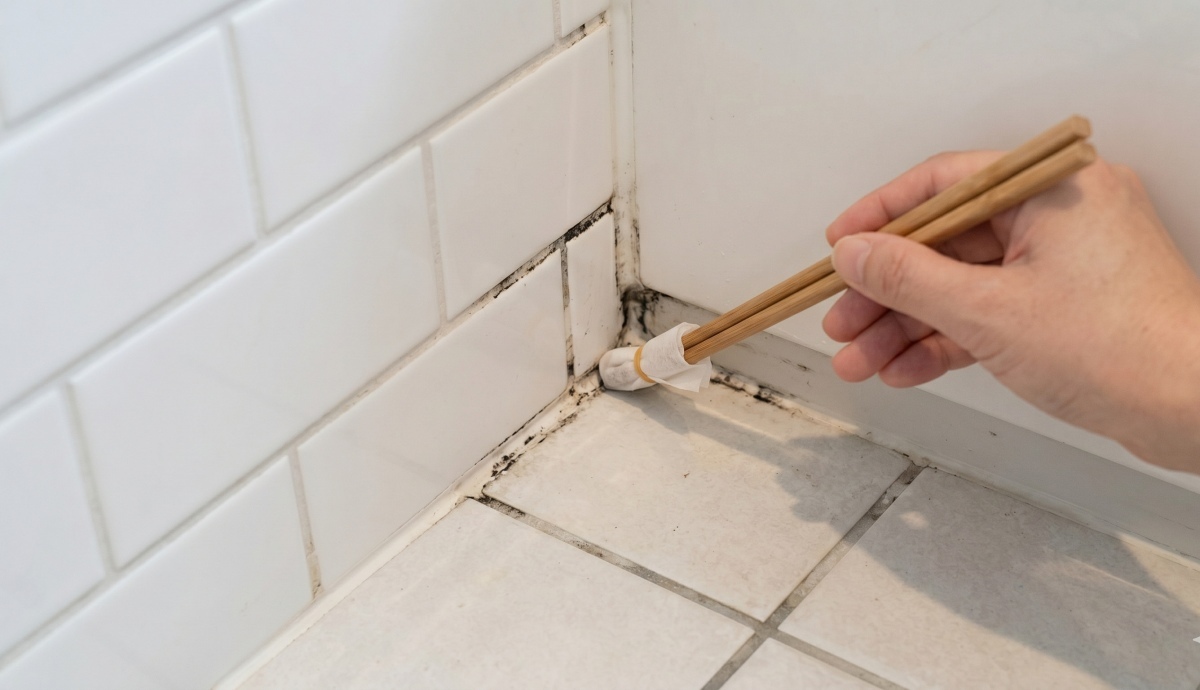
For heavy mold, layer a thin piece of tissue or kitchen towel over the area, wet it with cleaner, and press the chopstick tip into the gap. That helps the cleaner stay in place instead of running off. After letting it sit, remove the tissue and rinse thoroughly — the grout or silicone edges should look noticeably cleaner.
Chopsticks are handy for clearing dust clumps above bathroom cabinets, in door gaps, or around hinges. In a humid bathroom, dust can mix with moisture and form sticky clumps. Sweep the chopstick tip along corners your fingers can’t reach to pull out compacted dust. Attending to these small crevices, not just broad visible surfaces, helps the whole bathroom feel fresher.
Removing built-up dust from window sills and balconies
There are plenty of uses for chopsticks beyond the bathroom. Window sills are a prime example: outdoor dust and rain can harden into grime that a simple wipe won’t remove. Narrow gaps in window tracks are easy to neglect because hands won’t fit.
Wrap several layers of wet wipe around a chopstick and angle it to match the sill’s width, then push dust from the corner toward the center. If the wipe becomes dirty, peel off a layer for a fresh surface. The chopstick tip also helps clean dust-prone spots like locking corners and rail ends.
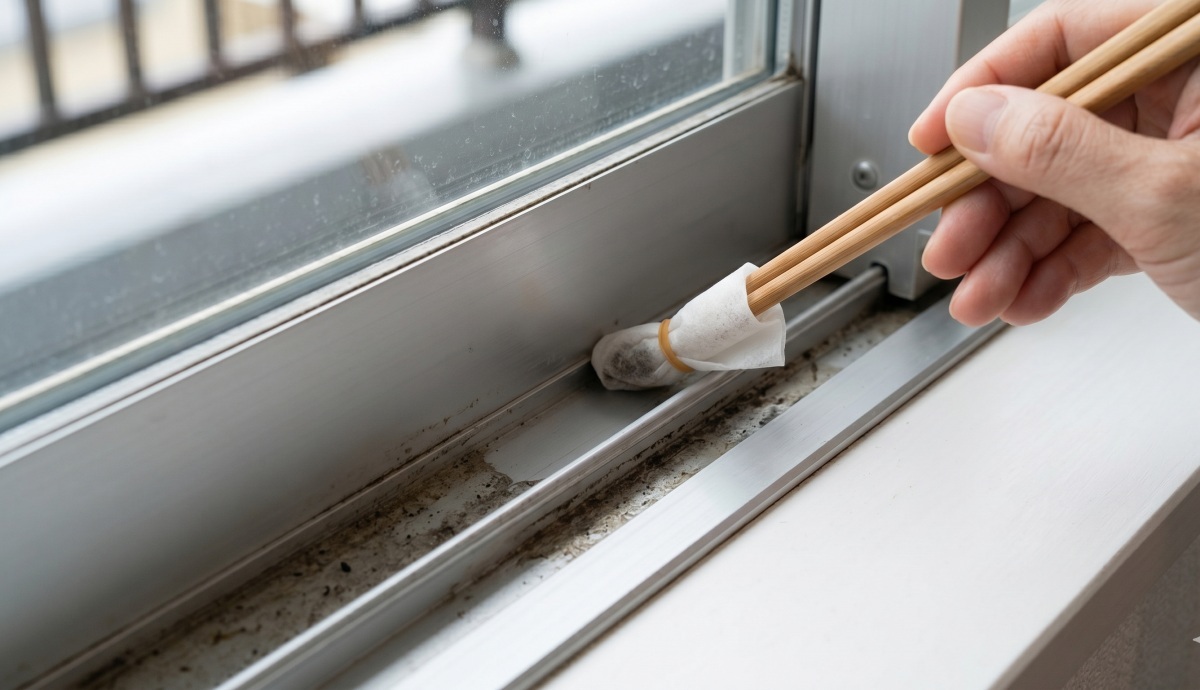
You can also use chopsticks around balcony drains and in utility-room gaps. Slip one into tight spaces — under a washing machine where a vacuum nozzle can’t reach, for example — and gently work out hair and dust clumps. Left unchecked, dust mixed with moisture can cause odors or attract pests, so inspect concealed gaps regularly.
Do not reuse chopsticks that have been used in heavily soiled areas like drains or gutters. Wet, dirty wood molds easily and can transfer contaminants. It’s more hygienic to use a fresh chopstick for each area or discard it after a single use.
Detail-cleaning kitchen appliances and tight gaps
Chopsticks are useful in the kitchen, too. Refrigerator door gaskets trap food scraps and spilled liquids. Debris lodged in the seal can promote mold and prevent the door from closing properly. Wrap a thin cloth or kitchen towel around the chopstick tip and gently clean between the gasket folds to remove grime without damaging the seal.
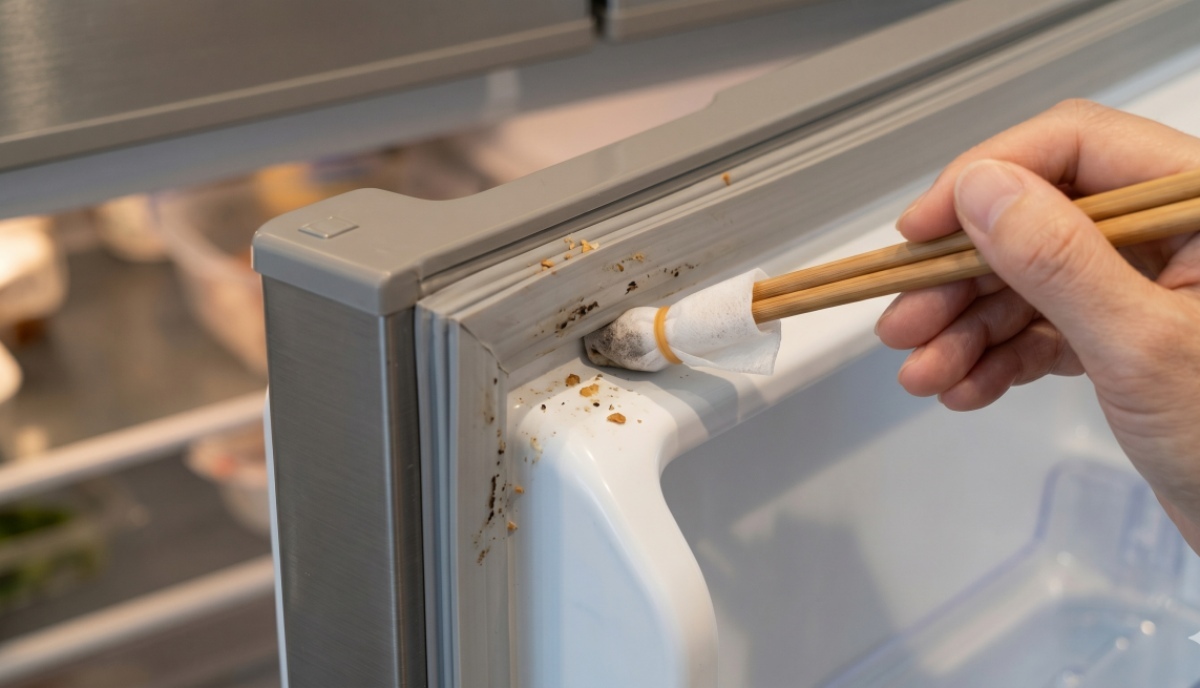
You can also clean complex appliances like toasters or air fryers — but always unplug them and let them cool completely before you start. Use a chopstick to pull out crumbs or dried food from crevices to reduce residue buildup. Avoid probing near metal heating elements and follow the manufacturer’s care instructions.
For narrow spaces such as fan grilles or air-conditioner vent blades, use a chopstick instead of your fingers. Wrap a dry cloth or wet wipe around the tip and run it along the gaps to avoid pinched fingers or cuts from sharp edges. Use the tip to lift hardened residue from spice jar openings or dish soap pumps, then rinse with water for a clean finish.
Smart uses around the house
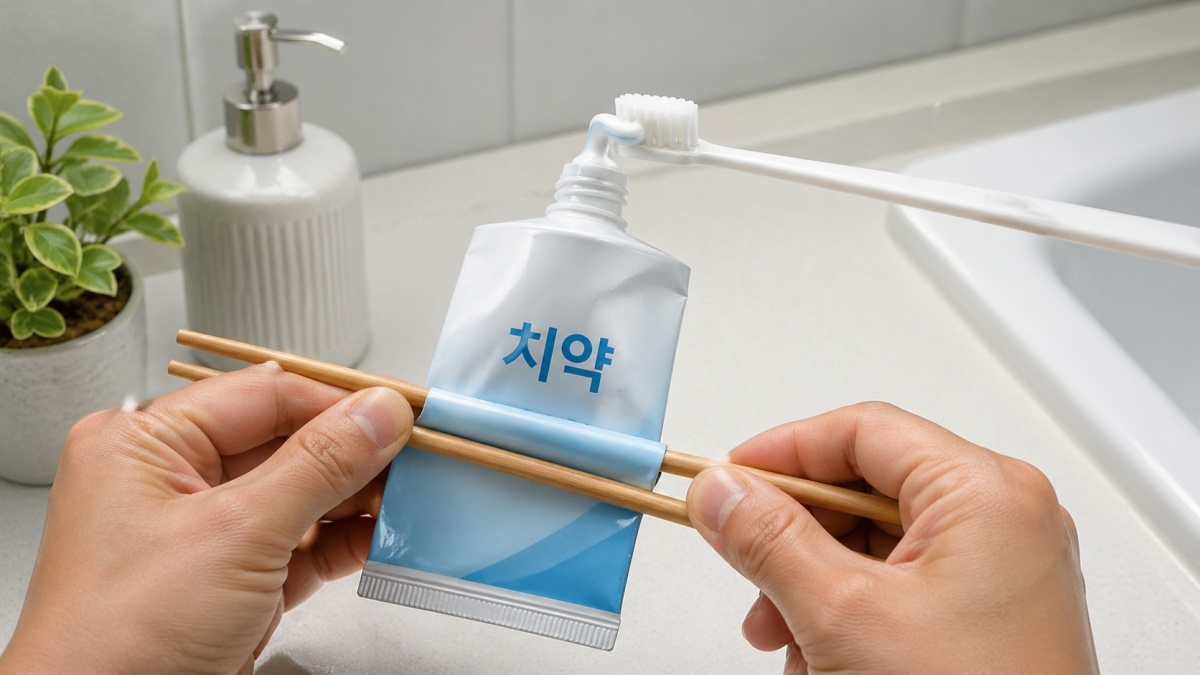
Beyond cleaning, chopsticks help in many everyday tasks. When little toothpaste, cosmetics, or tube condiments remain, slide the tube between two chopsticks and push toward the opening to collect the leftover contents. That delivers more even pressure than squeezing by hand and leaves less waste.
They’re useful for maintaining shoe cabinets and sneaker soles. Use a chopstick tip to pry out small stones and dirt lodged in sole grooves. For shoes covered in soil, a quick scrape of the soles before bringing them indoors reduces entryway cleaning.
To clean dust between keyboard keys or remote-control buttons, wrap a bit of double-sided tape around the chopstick tip and tap between the gaps — crumbs and dust stick to the tape. Avoid using wet wipes or cleaners on electronics; always power off and clean dry.
Chopsticks are handy for plant care as well. Use one as a temporary stake for a small seedling or succulent that’s leaning. To check soil moisture below the surface, insert a chopstick into the potting mix and pull it out after a few moments — damp soil clinging to the stick indicates when to water.
How to use them safely and hygienically
Safety comes first when you repurpose wooden chopsticks. Disposable sticks can have rough surfaces that splinter. Wear rubber gloves when cleaning, and avoid using cracked or sharply splintered chopsticks.
Don’t apply so much force that the chopstick bends or breaks. Pressing too hard on stubborn window-sill grime or bathroom buildup can snap the stick and cause injury. For tough stains, soak them with cleaner first and then scrub slowly. Test on an inconspicuous spot before using on ceramic, silicone, or plastic surfaces to avoid scratches.
Proper disposal matters. Do not reuse chopsticks used on wet or sanitary areas like drains or toilets; wood soaks up water and can harbor bacteria and mold. Store unused chopsticks in a dry place rather than leaving them in a damp bathroom.
Generally, throw wooden chopsticks in your regular trash. Wrap dirty sticks in newspaper or tissue before discarding to prevent tearing the trash bag. If the ends are sharp, break them in half before throwing them away.
A household tool to use once more before throwing away
Many everyday items are tossed without a second thought. Wooden chopsticks are one of them, but with a small change in perspective they can help clean bathroom crevices, window-sill dust, and refrigerator gasket debris. You don’t need expensive specialty tools — used thoughtfully, chopsticks can reduce household chores.
Of course you don’t have to solve every cleaning task with chopsticks. Use mops and brushes for large surfaces and reserve chopsticks for narrow gaps. They’re convenient because they’re disposable, but always use them with attention to hygiene and safety.
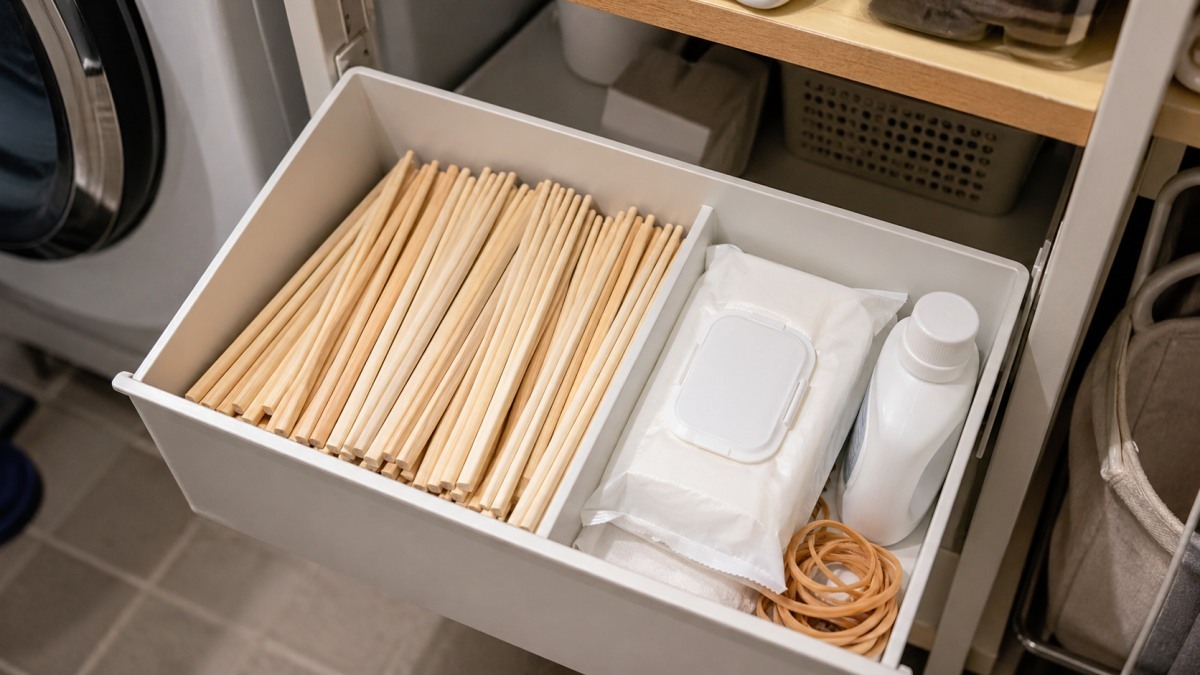
If you have leftover wooden chopsticks from takeout, think twice before tossing them. Keep a few in a bathroom cabinet or utility room for emergencies. A small stick can tackle hidden grime behind sinks, dust in window corners, or debris tucked into a refrigerator gasket. Household chores change more through small habits than big equipment — using chopsticks appropriately can make cleaning noticeably easier.




Most Commented