
Unlocking Media Insights: The Surprising Trends of TV and OTT Usage Across Generations in Asia
Daniel Kim Views
Translation result.
|
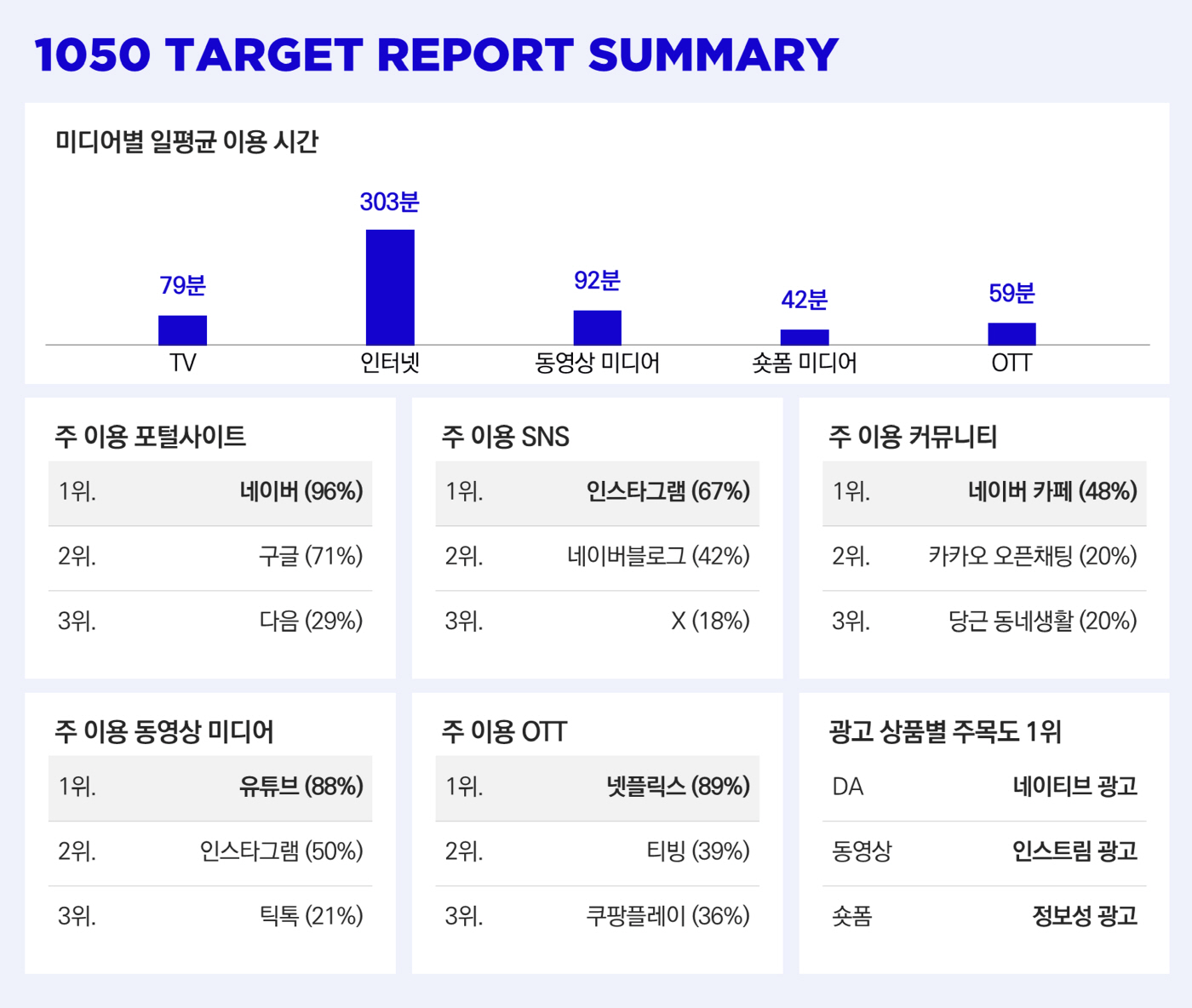
CJ Mezzomedia said April 29 that it has published the 2026 Target Report, a study that examines media behaviors and advertising responses across generations.
First released in 2018 and updated annually to inform advertisers and agency marketers, this edition is based on an online survey of 1,000 men and women ages 15 to 59 living in Seoul, Gyeonggi Province and five major metropolitan cities. This year’s report also introduces new personas to reflect the distinctive traits of each age group and provide deeper insights.
The most striking change uncovered by the survey is how people watch television. Across all age groups, smart TV apps — including YouTube, streaming services and free streaming platforms — have overtaken traditional scheduled broadcasts. Viewing time, however, varies dramatically by generation. Teens watch an average of 41 minutes per day, while those in their 50s average 103 minutes — more than double. Daily TV time increases with age: about 59 minutes for people in their 20s, 78 minutes for those in their 30s, and 82 minutes for people in their 40s.
Streaming services have become essential across the board, with usage rates above 70% in every age group. People in their 30s show the highest engagement, averaging 65 minutes a day. Netflix ranks first across generations, and TVING has secured its role as a leading domestic streamer by drawing broad support with live sports, real-time TV and distinctive original content. Short-form video is also entrenched: teens lead with about 58 minutes per day, while people in their 50s still spend roughly 38 minutes daily, underscoring short-form’s cross-generational reach.
|
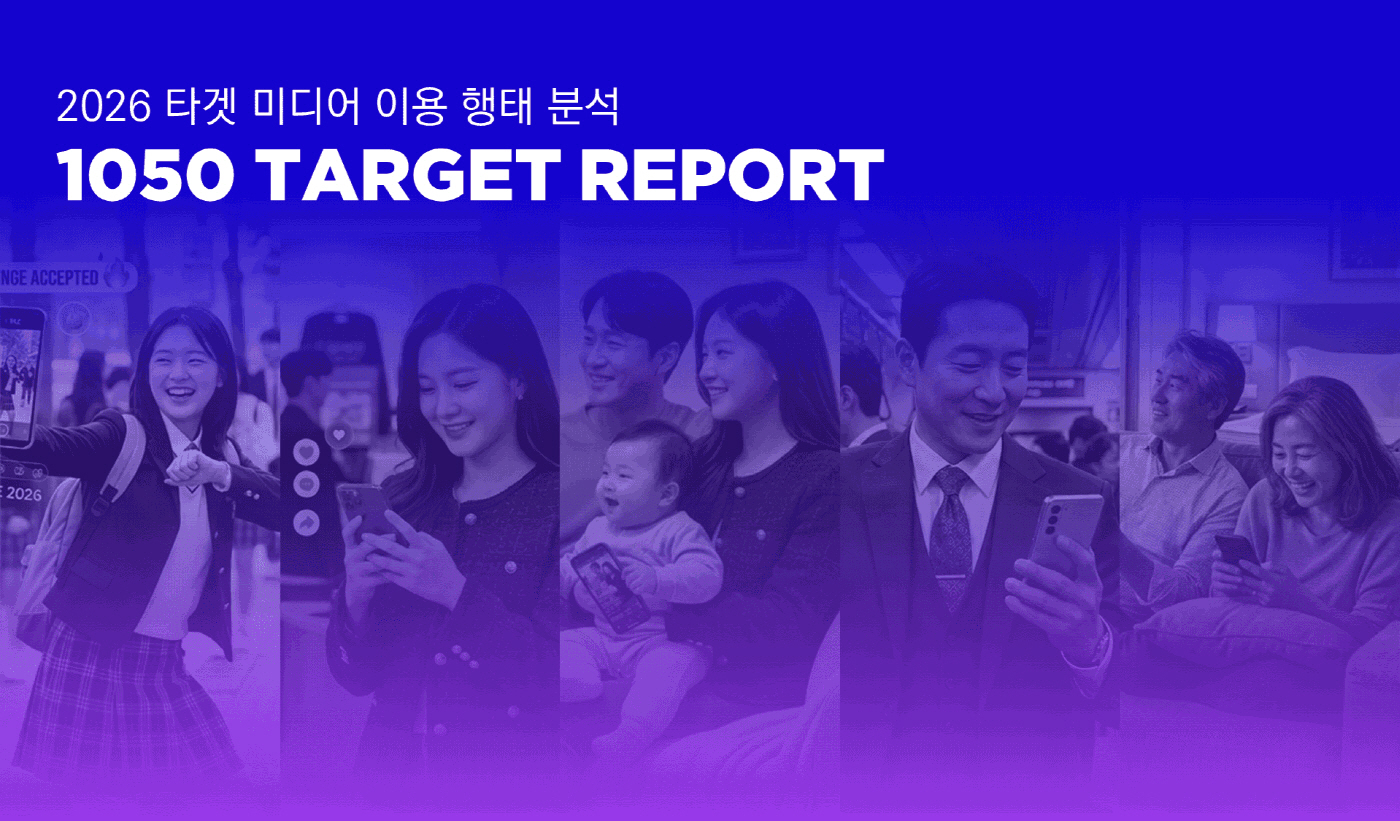
Communication channels differ sharply by generation and gender. For people in their 30s and 50s, KakaoTalk remains a primary hub for communication, while teens and people in their 20s switch platforms based on their purpose. Notably, 80% of women in their 20s use Instagram direct messages as often as KakaoTalk for sharing content. Young men in their teens and 20s who prioritize real-time voice for gaming tend to use Discord. Middle-aged men in their 40s and 50s often adopt Telegram as a secondary channel because they value its security features.
CJ Mezzomedia distilled age-group characteristics into five personas and recommended ad formats most likely to drive purchase conversion for each. Teens, labeled “Viral Initiators,” treat media as a playground and are quick to start memes and challenges. People in their 20s, dubbed “Trend Generators,” are trend creators, and those in their 30s — the “Media Optimizers” — balance work and life and use media most efficiently. All three groups are notably influenced by influencer marketing. Interestingly, 69% of teens say clearly labeled sponsored content is acceptable, while people in their 20s and 30s are more likely to tune out once they recognize content as advertising, making attention-grabbing thumbnails and other tactics critical.
Forty-somethings, or “Hyper Refreshers,” respond strongly to in-video product placement, while those in their 50s, labeled “Smart Silver,” show the highest conversion from keyword ads that appear at the top of search results. Industry observers say that as media consumption becomes more fragmented and layered, tailored advertising strategies that reflect age-specific habits are growing increasingly important.






Most Commented