
Translation result
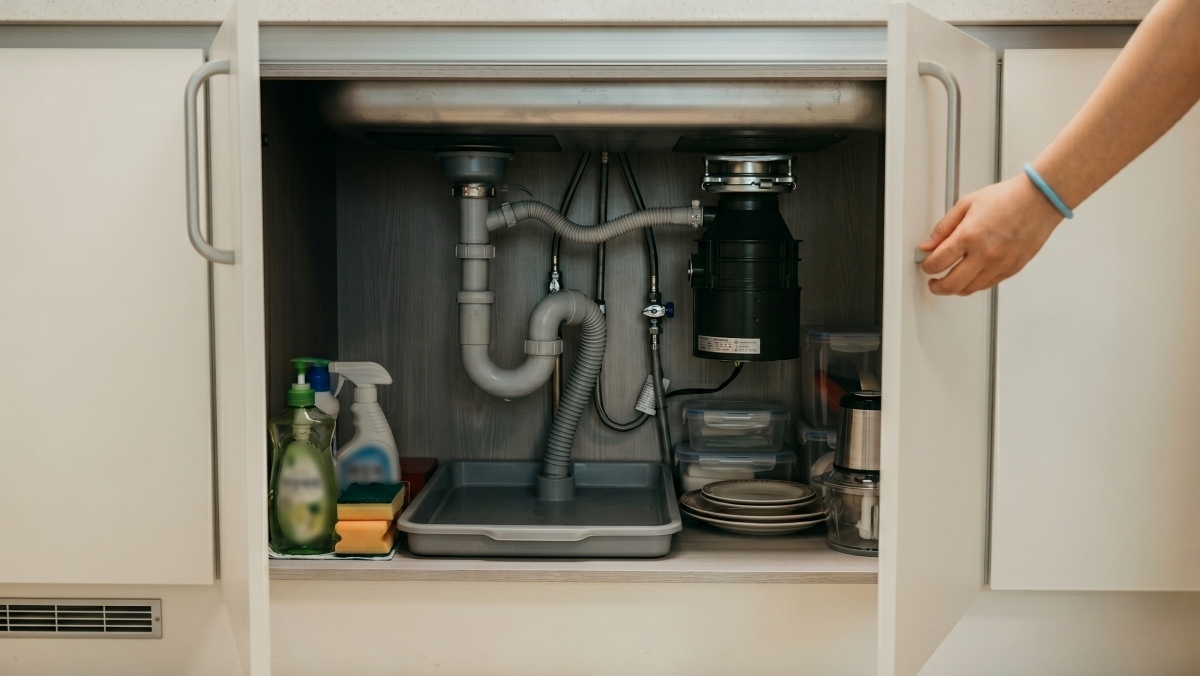
In many homes, the cabinet beneath the kitchen sink becomes a catch‑all: detergents, plastic bags, leftover food and even small appliances are often shoved inside. Because it’s out of sight but within easy reach, households with limited storage rely on it. Yet the space under the sink creates a specific set of conditions, and what you store there can lead to hygiene problems or safety hazards.
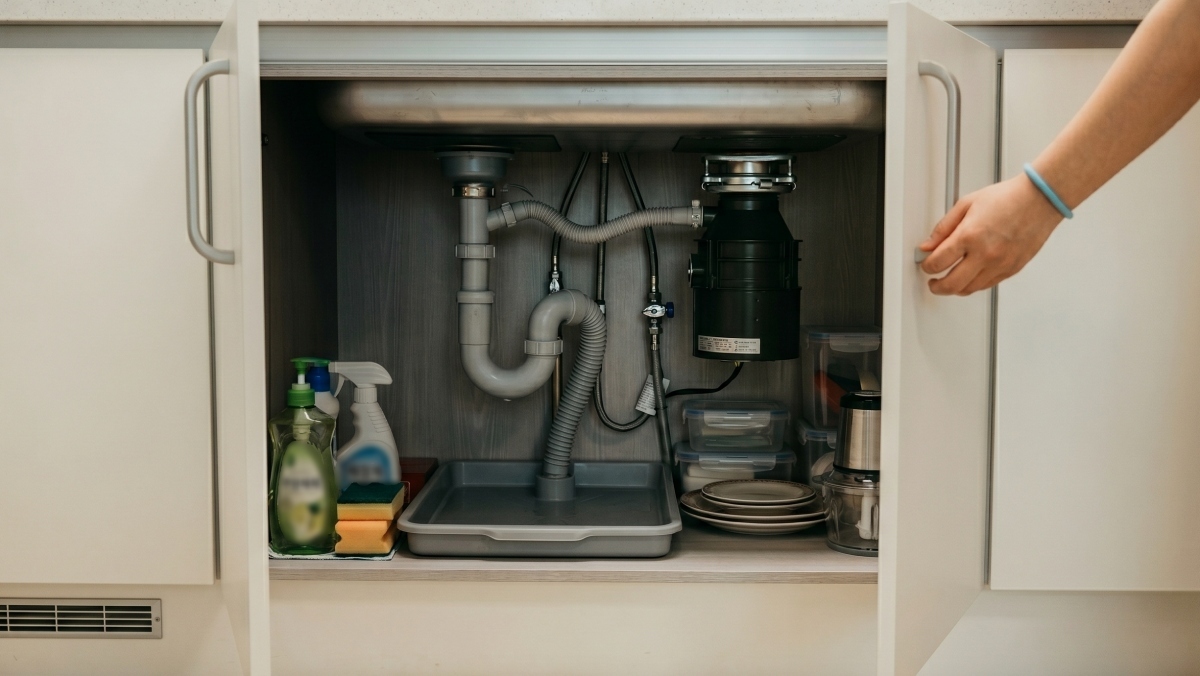
Why the area under the sink differs from other spaces
First, moisture. Water supply and drain lines run beneath the sink. Even without an obvious leak, humidity can build up over time, creating conditions where mold takes hold.
Second, temperature. Kitchens are generally warmer from cooking activity, and pipes carrying hot and cold water can create localized warm spots. Warm, damp environments are ideal for mold and bacteria to proliferate.
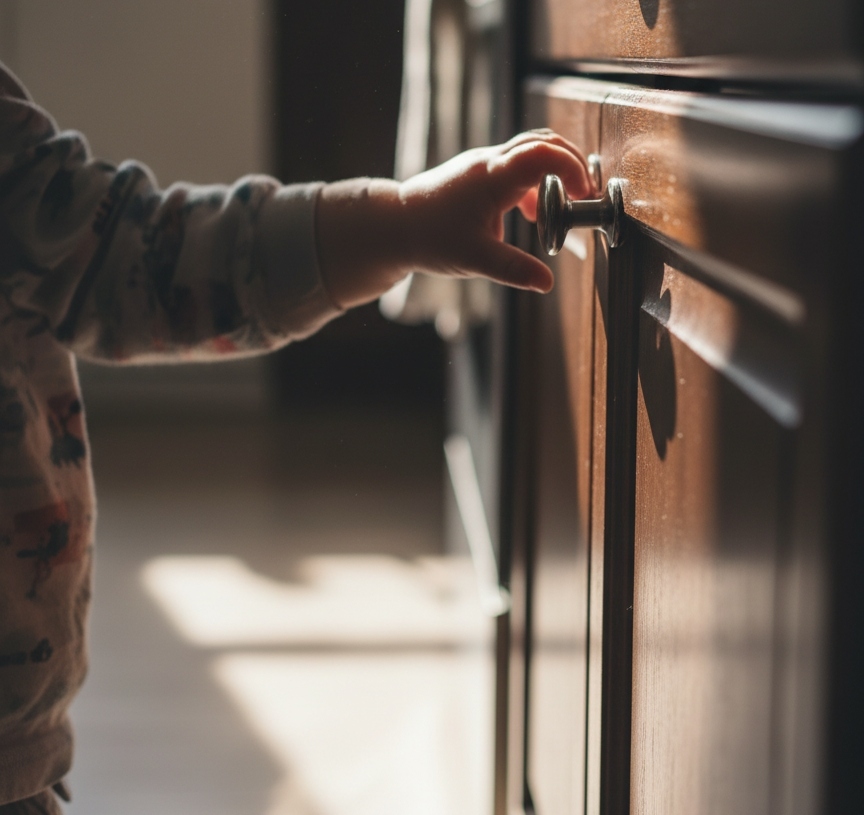
Third, accessibility. Unlike high shelves, the space under the sink is easy for children and pets to open and reach. That accessibility makes it especially risky for storing hazardous items such as household chemicals.
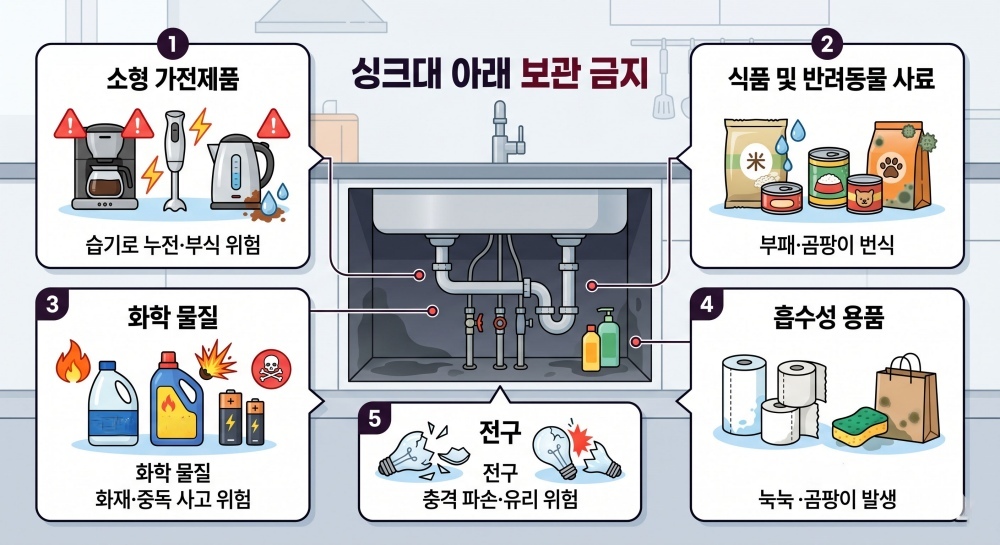
Five items you shouldn’t store there
Health website EatingWell and other experts advise being selective about what you keep under the sink.
Many people store small appliances — coffee makers, hand blenders, electric kettles — under the sink. That’s risky. Appliances contain metal circuits, solder joints and insulating materials that degrade with prolonged moisture exposure. Storing or using them in a damp area increases the risk of short circuits and electric shock.
Even if an appliance looks fine externally, internal parts can corrode over time, and a fault may appear the moment you plug it in. Store small appliances in well‑ventilated, dry upper cabinets or a dedicated storage area.
People sometimes stack bulk groceries or pet food under the sink. Airtight containers help but don’t eliminate the problem. Condensation can form on container exteriors during long‑term storage and affect food packaging. Store food and pet food in a cool, dry pantry or a separate cupboard.
Keeping multiple household chemicals — bleach, strong cleaners and similar products — together under the sink is unwise. Some chemicals can become hazardous under certain environmental conditions; batteries also demand caution.
Accessibility compounds the danger. Items stored within easy reach of children can cause accidental poisonings or injuries. Keep hazardous chemicals in locked cabinets or on high shelves out of children’s reach.
Absorbent materials — paper towels, toilet paper, spare sponges, paper shopping bags — degrade quickly under the sink. Paper fibers readily take up moisture; damp paper products become soggy and provide a breeding ground for mold.
Some people keep spare light bulbs under the sink, but the bigger risk is breakage. The space often contains pipes, valves and containers in a cramped layout. Bulbs can knock against other items and shatter when you reach in, scattering sharp glass that’s difficult to clean up. Store bulbs upright on a shelf or in a protective container.
Regular checks are necessary
That doesn’t mean you should never use the space under the sink. Items that don’t react to moisture or chemicals and that aren’t accessible to children or pets — trash bags, for example — can be stored there. Still, inspect the cabinet regularly for leaks or mold.
Empty and check the cabinet every one to two months. Make it routine to examine pipe connections for leaks, look for moisture on the floor and notice any moldy odors. If you find a leak, have it repaired promptly, dry the area completely and inspect stored items before returning them.







Most Commented