
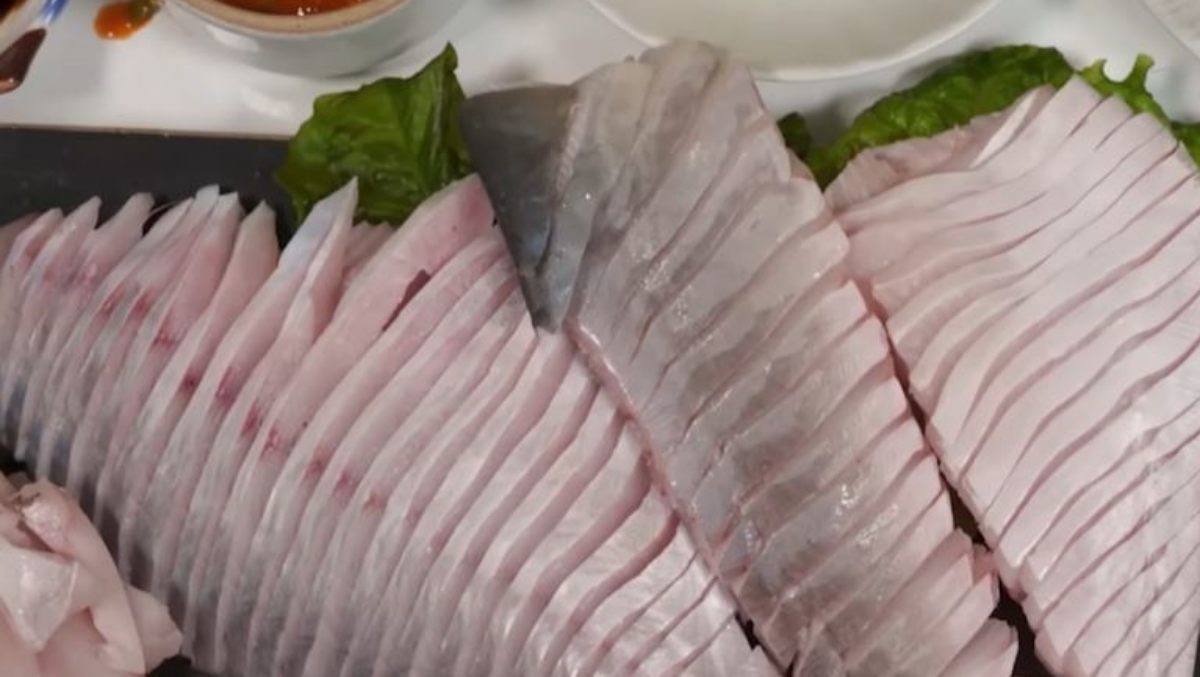
May brings green back to everything — and a seasonal shake-up at the fish market. Many of the fish we eat as sashimi are entering their spawning season and lose fat, so you won’t get those ultra-rich bites. But if you target the species that move inshore to spawn and are caught in big numbers, you can score great value without sacrificing flavor.
Seafood expert Kim Ji-min, who runs the YouTube channel “Ipjil’s Memory TV (jiminTV),” recently showcased the full lineup of seafood in season for May — and the video is getting attention.
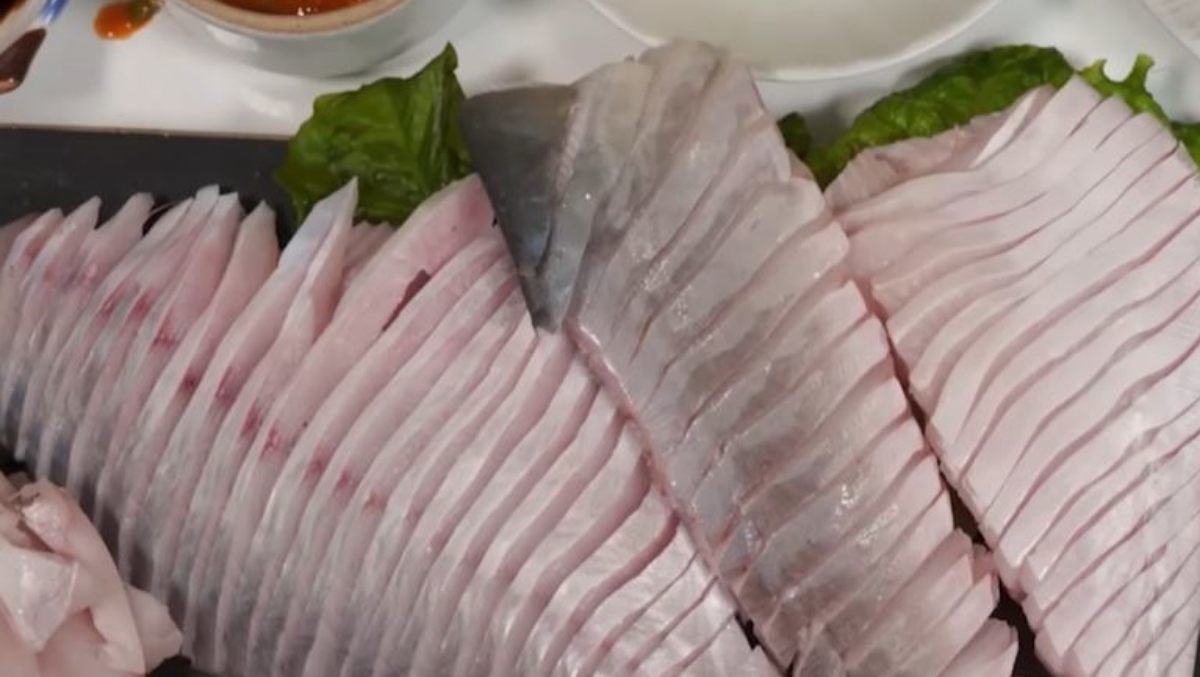
That said, don’t be seduced by the “wild-caught” label and buy on impulse — fish caught during spawning often have poorer sashimi quality, and you could end up overpaying for something that won’t taste great.
Budget-friendly sashimi to enjoy right now
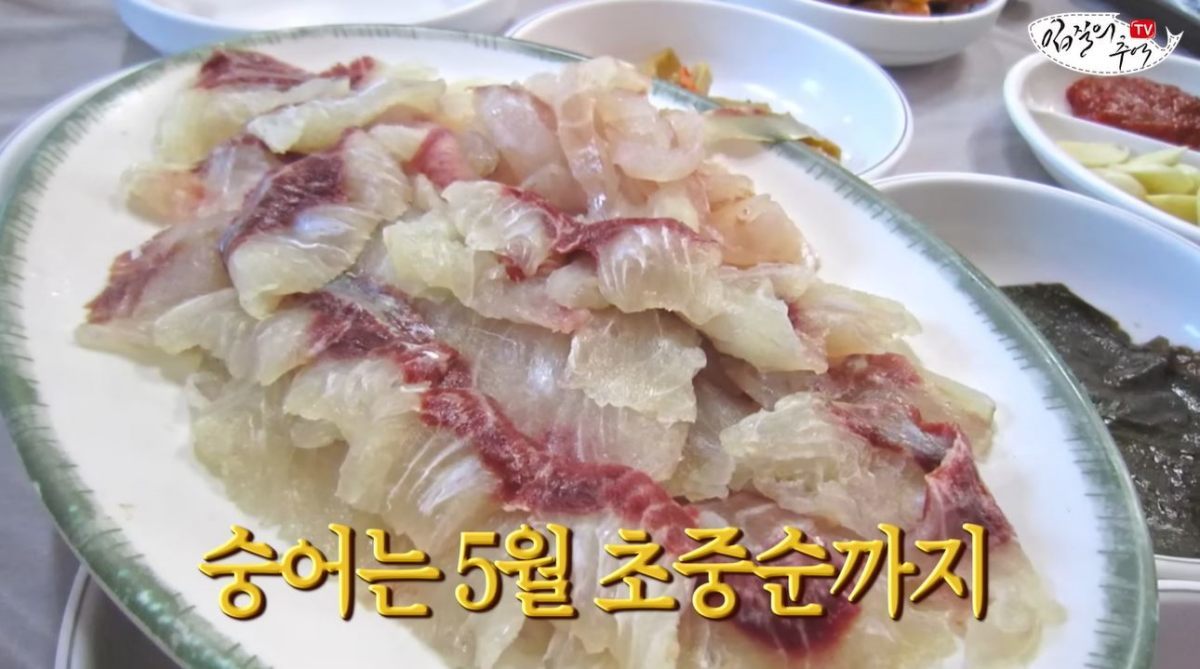
Top value picks for May include bori mullet (barley mullet), wild olive flounder and red sea bream, pomfret, and conger eel. Bori mullet — commonly just called mullet — is 100% wild (not farmed) and prized for its springy, chewy texture; its sweet spot runs through early to mid-May. During the wild sea bream and flounder festival in the Seocheon area (May 1–17), you can often find these species at lower-than-usual prices.
If a fish has swollen roe, use it for braising or stews rather than sashimi. For sashimi, pick males or fish with firm flesh along the back. Big flounder over 3 kg (about 6.6 lb) are often better bought whole and cooked — think fish-and-chips, flounder cakes, or other cooked preparations.
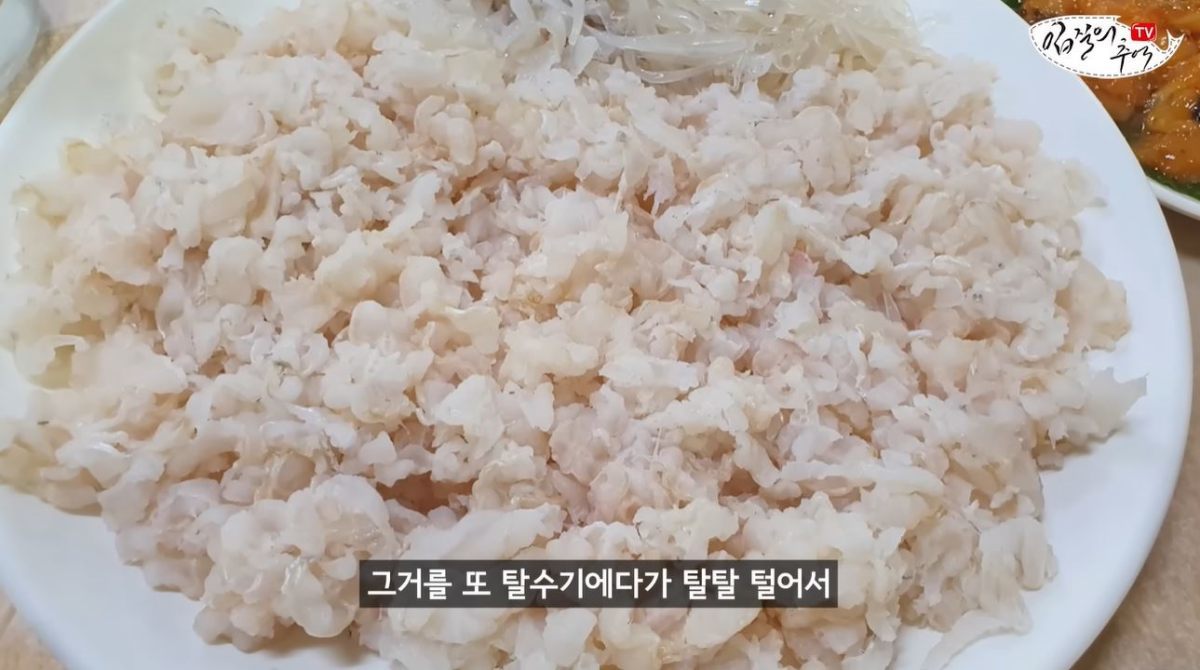
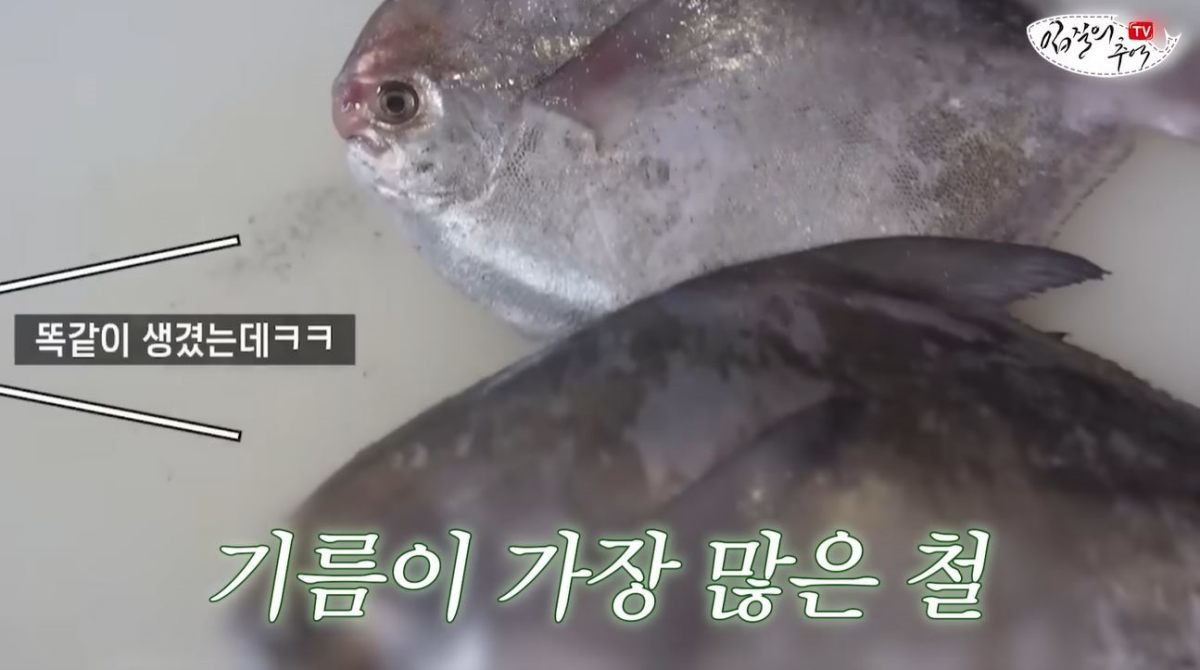
Small pomfrets that fatten up between May and July make great, affordable sashimi; their bones soften this time of year, so they’re often served bone-and-all and pair wonderfully with ssamjang or makjang-style dips. Conger eel contains blood-related toxins, so it must be cleaned thoroughly and dried completely (some vendors use a spinner/dehydrator) before eating; another tasty option is a seasoned sashimi salad mixed with crisp vegetables.
New arrivals for sashimi and fish best used for cooking
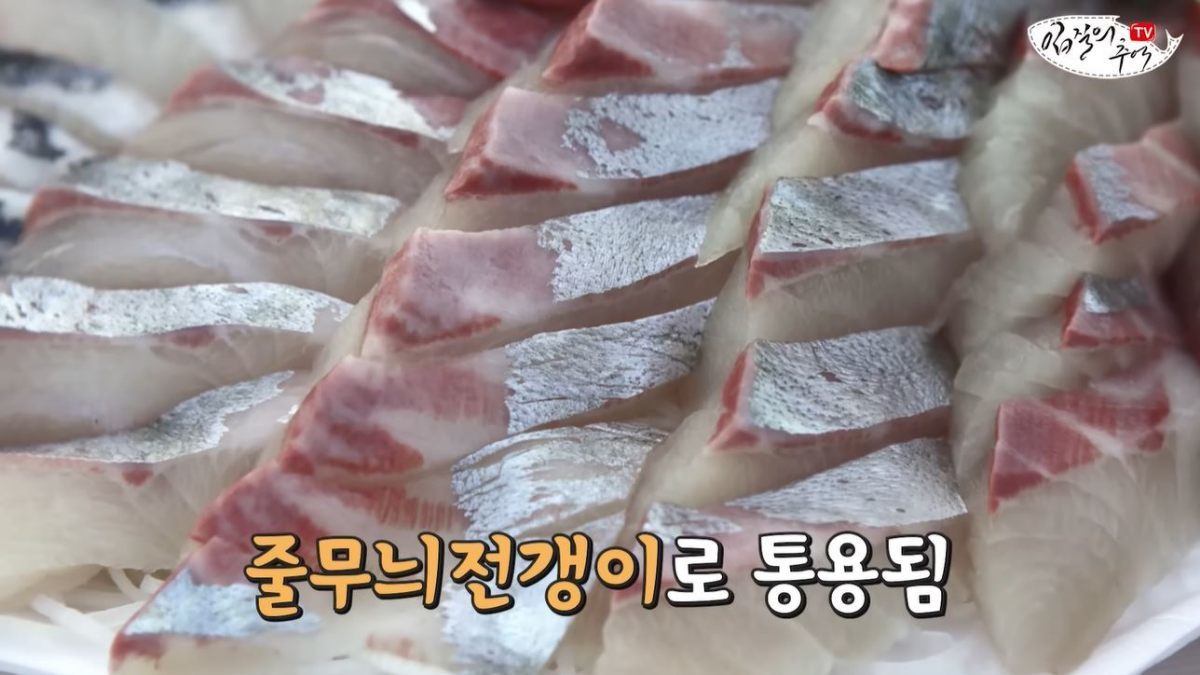
Newcomers to the sashimi scene include spotted seabass, blackspot trevally (marketed as striped jack), croaker, various flounder species, and jari-dom. Spotted seabass tastes great whether wild or farmed. Blackspot trevally (the striped jack you’ll see at markets) is mostly farmed in Japan and gets oilier as summer approaches. Croaker, a popular restorative fish, jumps in price during the June–July boknal heat season, so May is the economical time to enjoy it. Flounder species are filling out with meat, but their bones have hardened — filleting them for sashimi is better than cutting them bone-and-all.
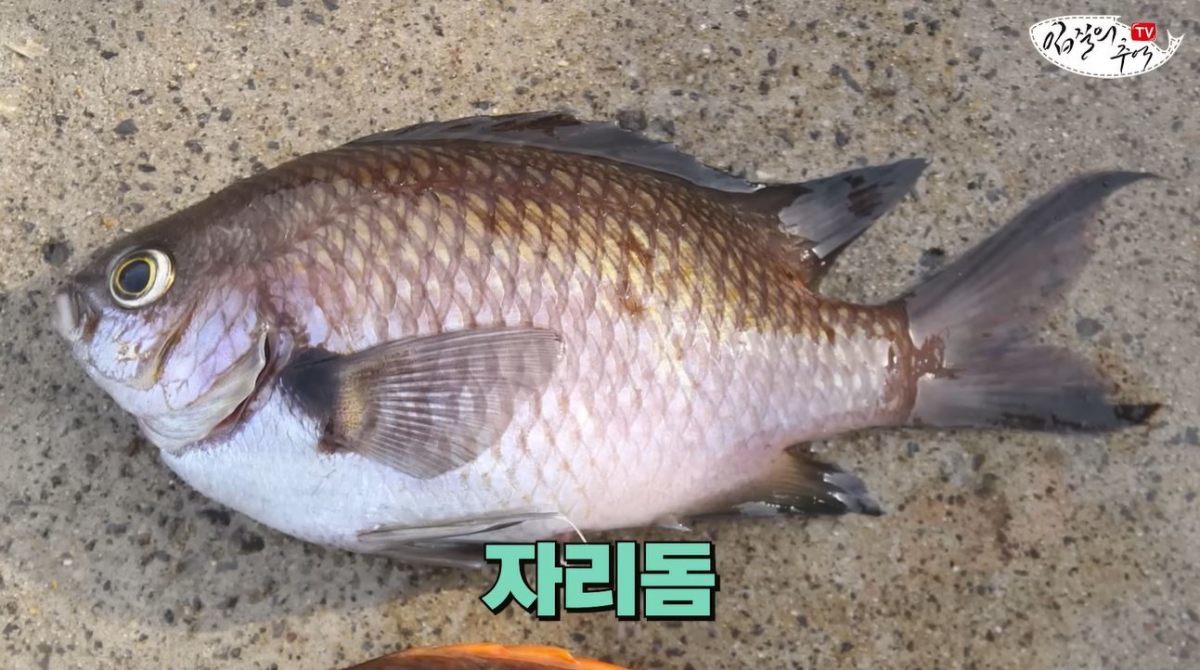
If you’re heading to Jeju, note that jari-dom is at its best from May through July, when its bones soften for spawning. Large doddom over 40 cm (about 15.7 in) — a different species from the legendary deep-sea fish — and live trevally are also great sashimi choices.
Fish better for cooking include fresh chamjogi (small yellow croaker), yangtae, yongseodae, and freshwater eel. Fresh chamjogi is tender even when small and is excellent in stews or spicy fish soups. Yangtae (called jangdae on the west coast) dries into a firm texture that’s perfect for steaming or grilling. Large southern pollack can be used in soups or enjoyed as sashimi when fresh. Yongseodae from harbors around Incheon and Gyeonggi have thick fillets and are superb for braising or turning into steaks. For freshwater eel, buy before demand spikes in July; when a kilo (about 2.2 lb) is sold as 3–4 fish, choose specimens that weigh at least 700 g (about 1.5 lb) after cleaning.
Shellfish and mollusks are in season, too
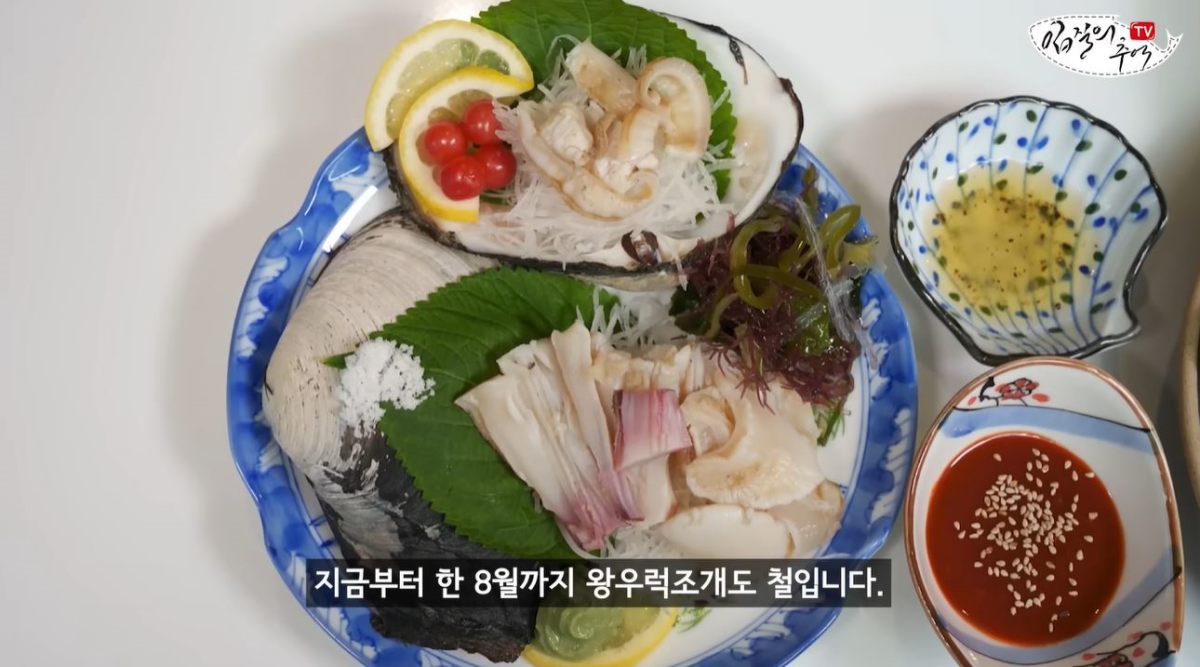
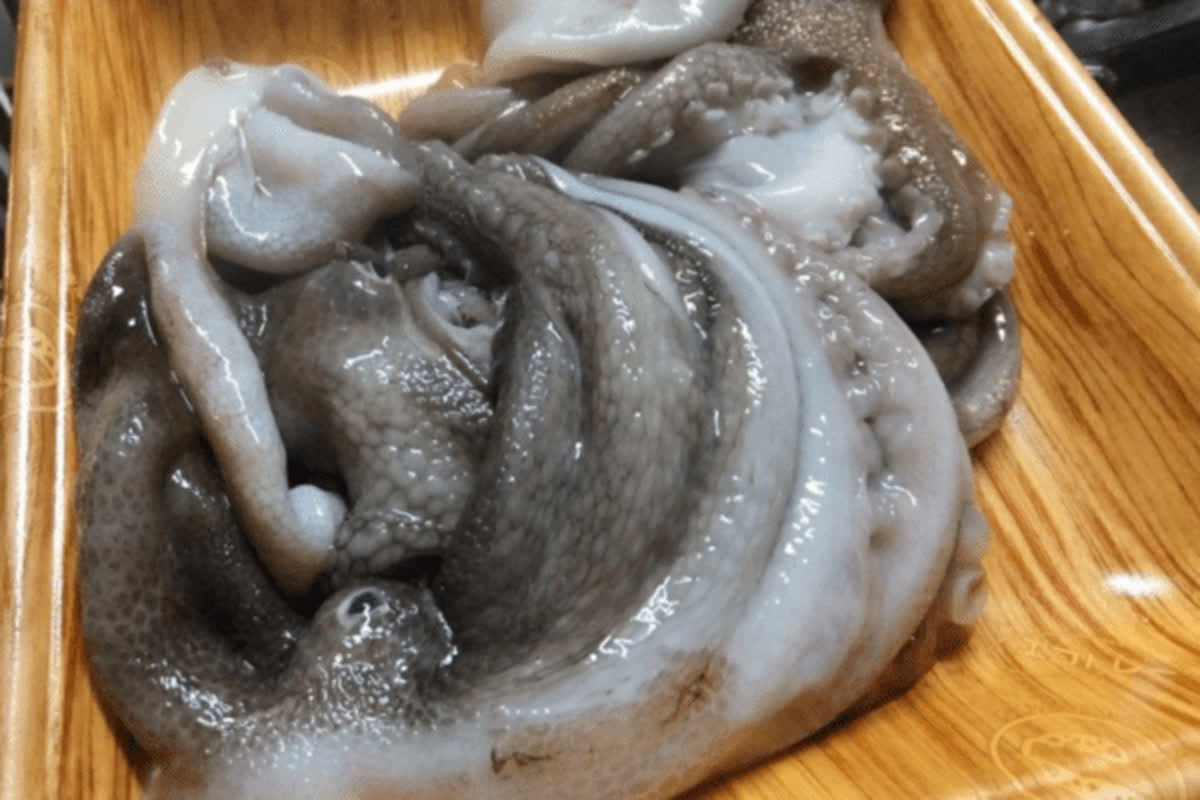
Crustaceans, cephalopods, and bivalves are plentiful right now. West Coast ports are shipping lots of small shrimp and northern shrimp, and female flower crab stays in season into early June. Domestic surf clams harvested around Ganghwa Island and the West Coast are great in porridge and soups, but many clams on the market are imported from China — always check the origin label. Large patterned squid that move inshore to spawn started coming in April and remain active through May. In Jeju, sweet purple sea urchin and flying squid (hanchi) hit their peak, and other May favorites include king wooruk clams, silk scallops, gariamatch clams, and whelks. When you prepare whelks at home, be sure to remove tetramine (white granules), a natural toxin, to keep them safe to eat.
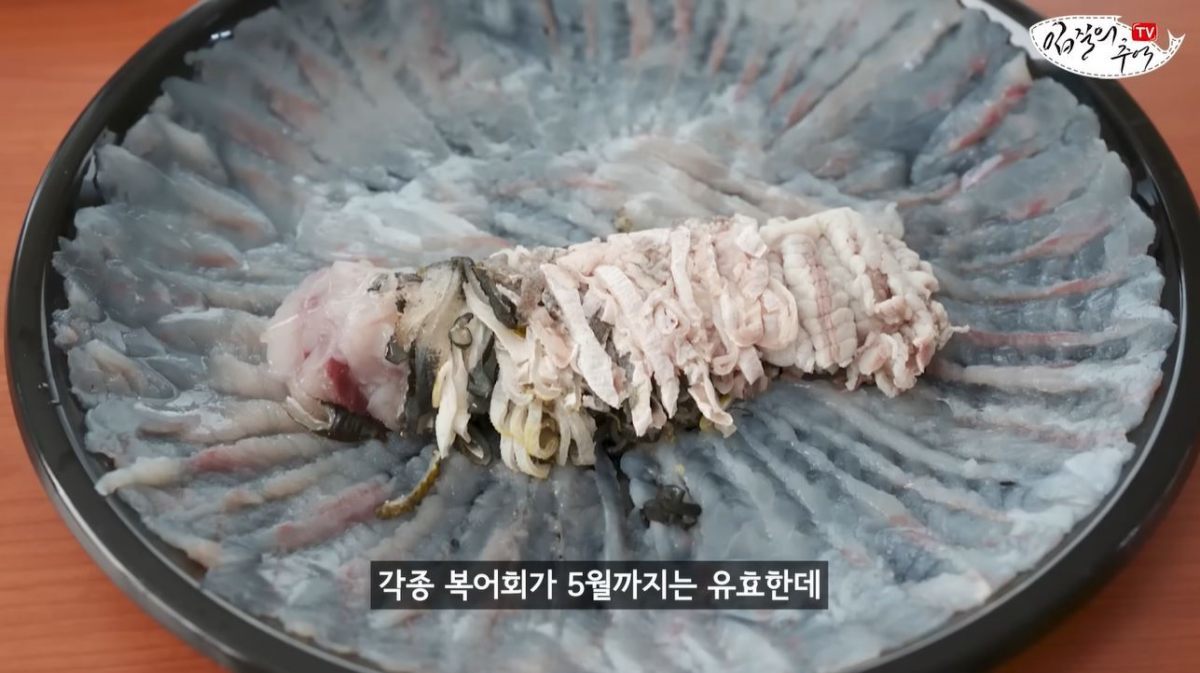
Finally, pufferfish sashimi, new-season anchovies, rockfish, frigate mackerel, sand lance, and yellow croaker remain great through May. Domestic king crab and horned turban shells enter closed season starting in June, so May is your last chance to buy them. Cuttlefish, sea squirts, and mideodeok (sea squirt varieties) also keep their peak flavor through May — check local harvest info and choose carefully to make the most of May’s seafood bounty.
Viewers who watched the video left comments like “Jari-dom season — so tasty,” “Super useful info,” “This seasonal seafood video is the best,” “Anchovies are delicious wrapped in onion,” “Flatfish tastes amazing — even sweet.”
Raw sashimi safety: rules to prevent parasites and food poisoning
When you eat raw sashimi, follow basic hygiene steps to reduce the risks of parasite infection and foodborne illness. Because sashimi isn’t cooked, the condition of the raw fish and how it’s handled matter a lot.
The main risk is parasites. Marine fish can carry Anisakis larvae; eating untreated fish can cause severe stomach pain, nausea, and vomiting. These larvae usually live in the viscera but can move into the muscle during processing, so sashimi-grade fish should have guts removed quickly and be inspected visually. Because live larvae cause most problems, using fish that have been properly frozen beforehand helps reduce risk.
Food-safety guidelines recommend freezing fish at specified temperatures for set times to kill parasites. Adequate freezing helps eliminate these risks, so when buying raw fish, check whether it has a frozen history or was handled under hygienic controls.
Bacterial food poisoning is another concern. Bacteria multiply quickly after harvest, and in summer, Vibrio and other seafood-related bacteria tend to increase. Cooking kills these bacteria, but for raw sashimi you must control the supply chain and handling carefully.
Prevention starts with choosing fresh ingredients. Avoid fish with off-odors or discoloration, and buy products that have been kept refrigerated. Consume sashimi as soon as possible after purchase.
Prevent cross-contamination during prep: use knives and cutting boards reserved for fish, keep them separate from other foods, and clean and sanitize them after use. Wash your hands before and after handling raw fish. These are standard food-safety steps emphasized across guidelines.
Temperature control during storage is critical. Don’t leave raw sashimi at room temperature for long; keep it refrigerated until serving. Don’t return sashimi that’s been sitting out for an extended time back to storage.
People with weakened immune systems should be especially cautious. Children, older adults, and pregnant people can experience more severe symptoms from food poisoning or parasite infection, so they should limit raw fish intake or be more selective.
In short, safe sashimi depends on strict freshness control, parasite prevention, hygienic preparation, and proper storage. Because sashimi is eaten raw, careful management from purchase through service is essential.





Most Commented