
Translation result
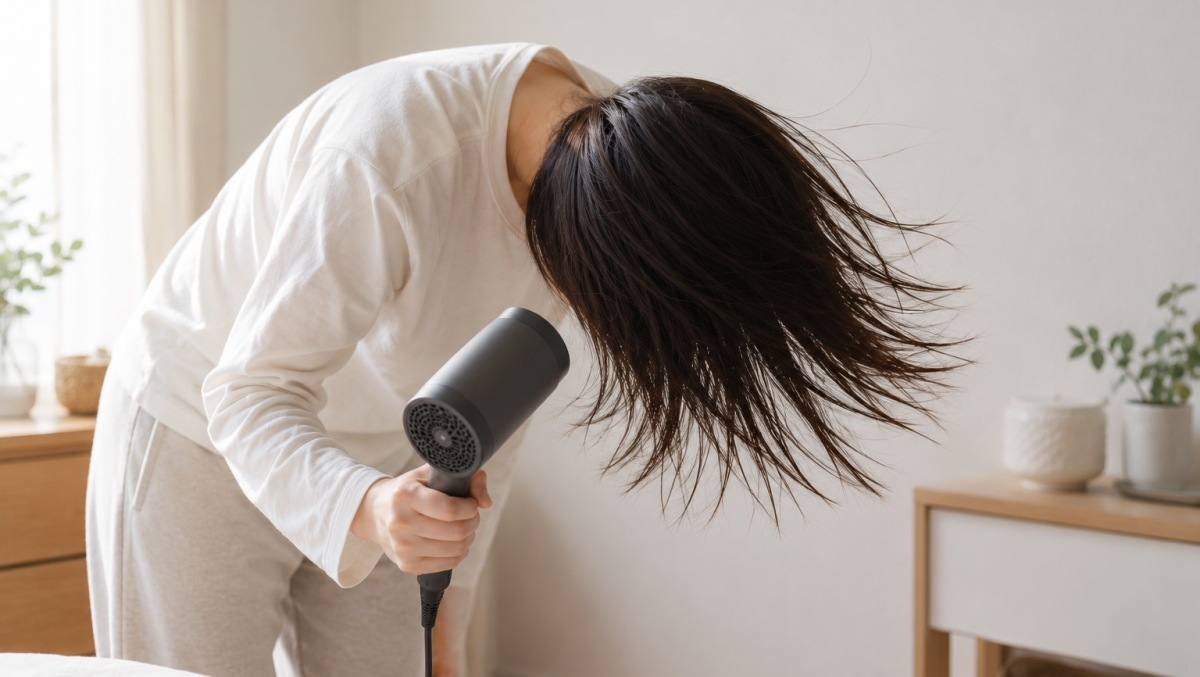
Every morning, for workers and students battling their alarms, one of the biggest hassles is washing and drying their hair. If your hair is thick or long, the routine from shampooing to blow-drying can feel less like getting ready and more like hard labor. After standing in front of a hair dryer for 20 minutes or more, waving your arms, you might even consider chopping it off. Too many people rush out with damp hair, only to catch colds in winter or struggle later with scalp issues.
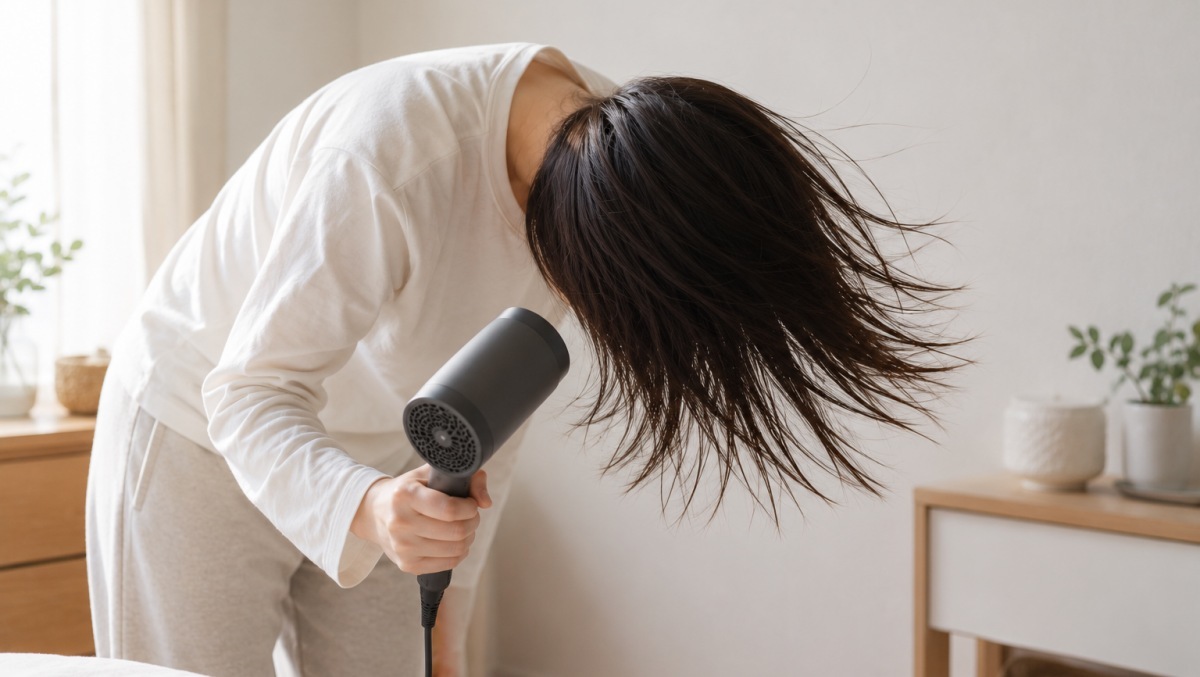
But adjust a few routine shampooing and drying habits and you can win that tedious morning battle.
Below are practical, time-saving hair-care tips for busy people: how to cut your morning prep time, how to pick the right shampoo for your scalp, and the proper order for using treatments after shampoo. These small changes will help you care for your scalp more effectively.
Dry under a towel (sauna effect)
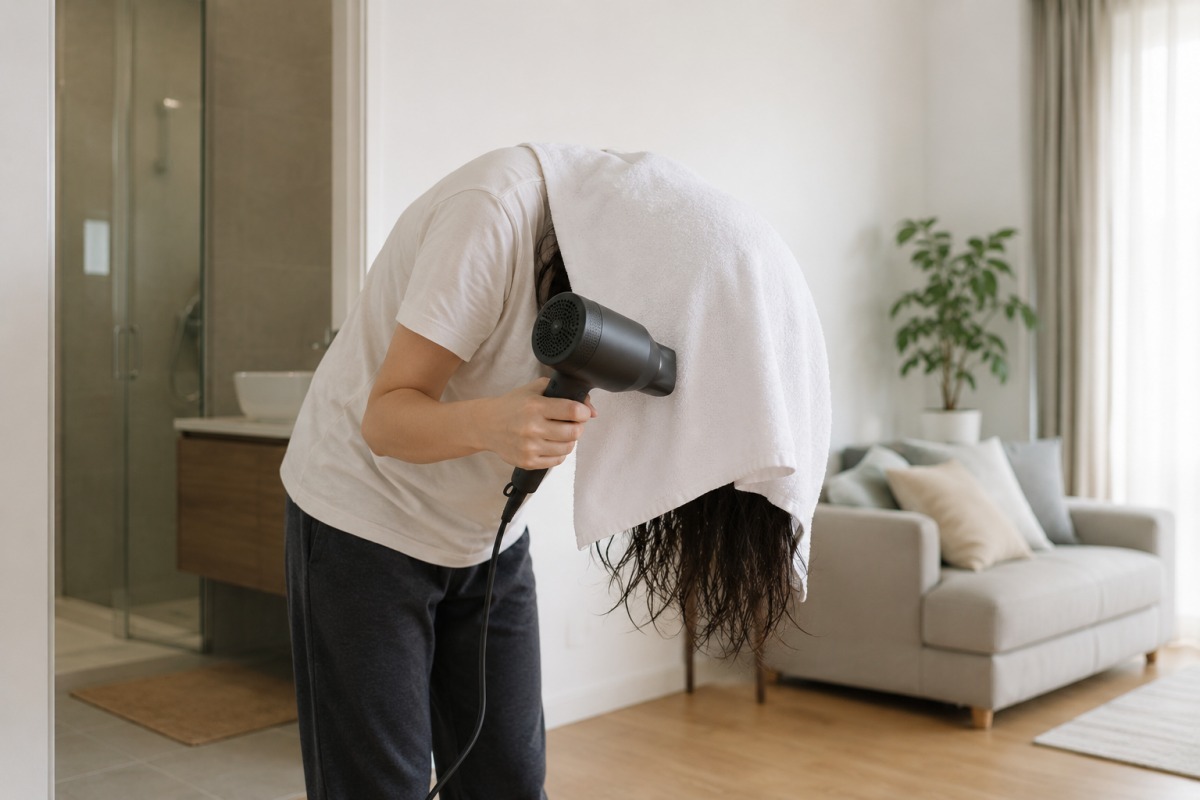
One of the most effective techniques is to flip a dry towel over your head and direct the dryer’s airflow into it. That creates a sauna-like environment: hot air circulates inside the towel, helping the fabric absorb moisture while speeding evaporation. The towel acts like a small oven, trapping and removing moisture quickly. Because the air is contained rather than spreading in all directions, this method is far more efficient.
Dry outside the bathroom (control humidity)
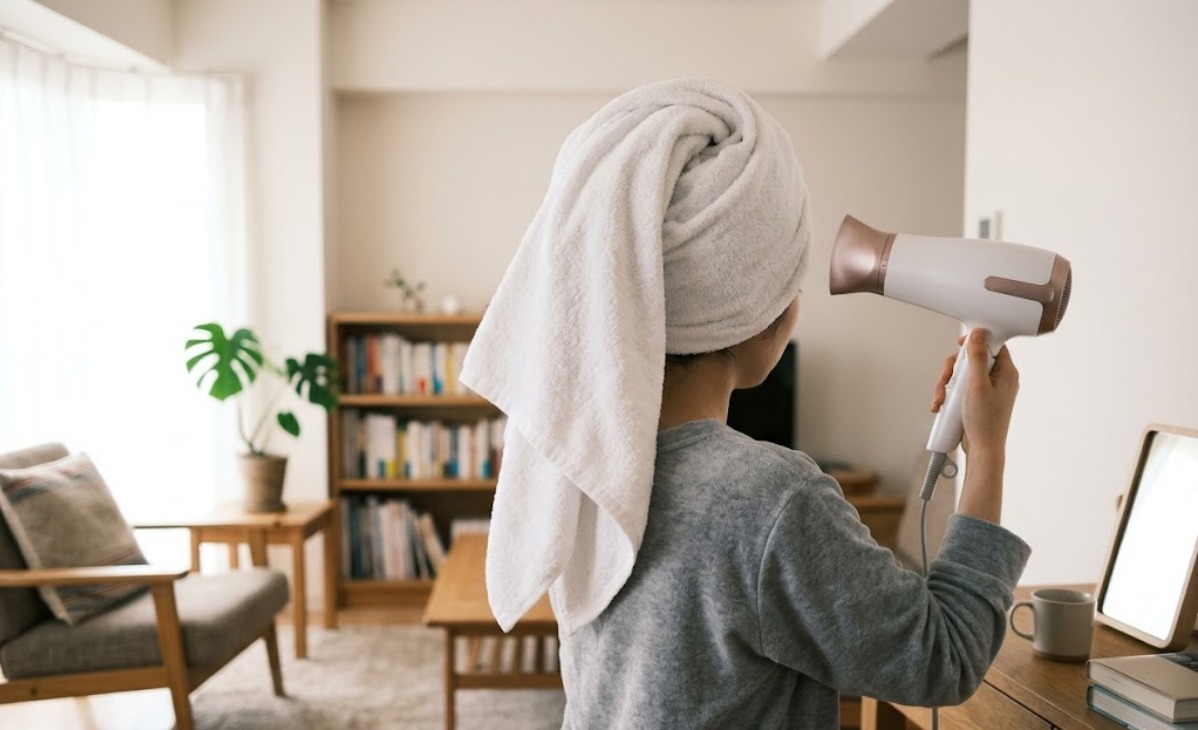
Most people dry their hair in front of the bathroom mirror, but that’s often the worst choice. Right after a shower, bathroom humidity can top 90 percent. When the air is saturated, moisture from your hair has nowhere to go. Simply moving to a drier room or the living room can speed drying by 20–30 percent. The drier air in other rooms draws moisture from your hair much faster.
Target the roots first and mix in cool air
The ends dry quickly because they’re spread out; the real challenge is the dense hair at the roots, where moisture gets trapped. Aim the dryer at the scalp and use your fingers to lift and shake the hair to create air channels. Also, avoid using hot air the entire time—constant heat can stiffen hair proteins and slow evaporation. Alternating warm and cool air encourages more efficient moisture loss and speeds drying.
Try kitchen paper or microfiber towels
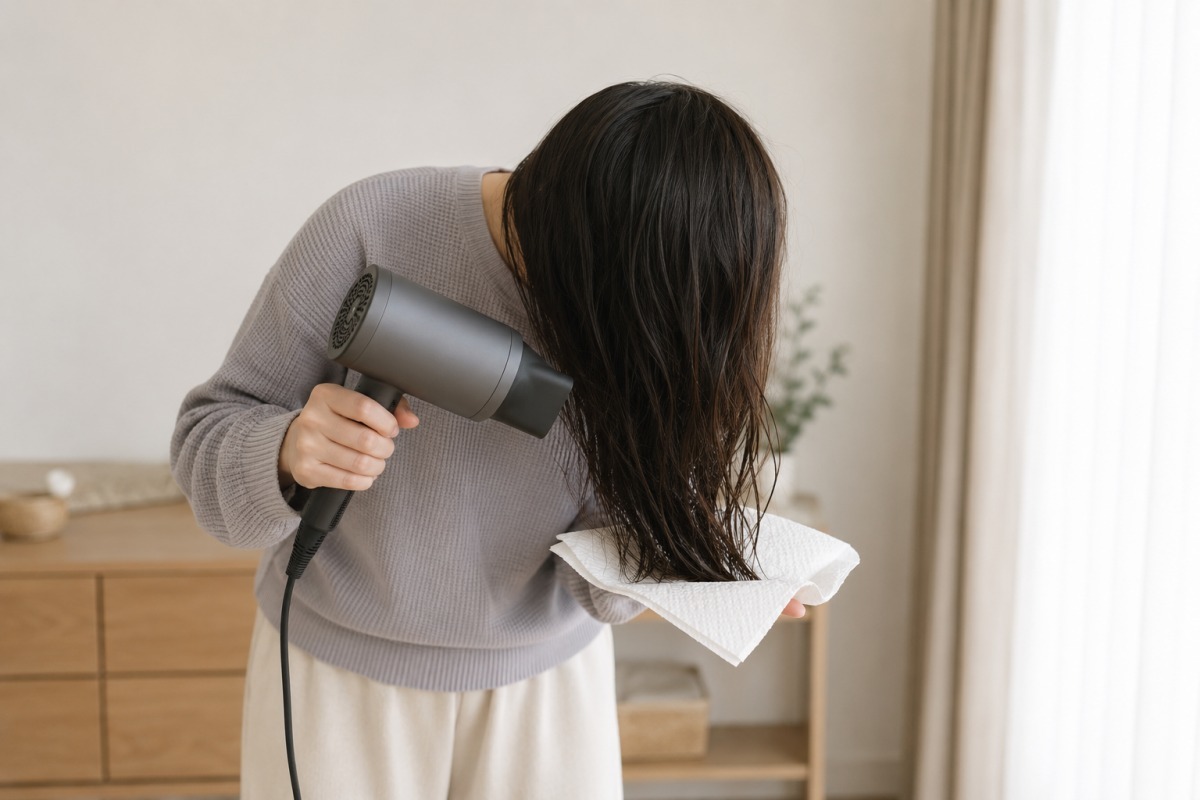
Ordinary towels saturate quickly and lose absorbency. Try kitchen paper towels or a very fine microfiber cloth. Pressing kitchen paper gently onto dripping ends picks up tiny droplets a regular towel might miss. Spending just a minute on this before you grab the dryer can significantly cut blow-dry time.
How to spot a truly good shampoo for your scalp
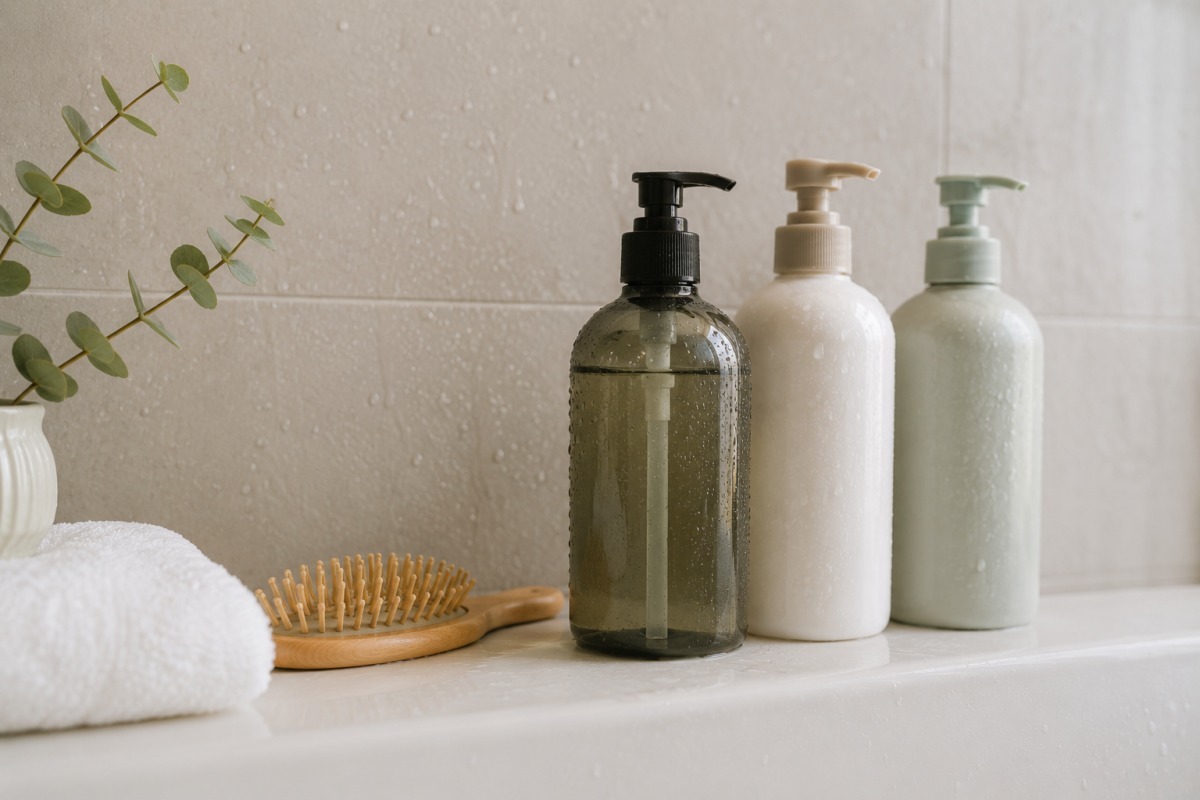
Shampoo isn’t just about a pleasant scent. Read the ingredient list and choose products that protect your scalp.
Start by checking the surfactants. Ingredients like Sodium Lauryl Sulfate (SLS) and Sodium Laureth Sulfate (SLES) are powerful cleansers. They remove oil effectively, but they can strip away the scalp’s natural oils and leave it parched. If your scalp is sensitive, look for mildly acidic formulas that use gentler, plant-derived surfactants such as coco-betaine or lauryl glucoside.
Next, watch for silicone. If your hair feels instantly slick—almost like seaweed—suspect silicone, commonly listed as dimethicone. Silicone coats the hair to add shine, but if it isn’t rinsed out thoroughly it can clog scalp pores, potentially causing breakouts or contributing to hair thinning. If scalp health is a concern, choose a silicone-free product, even if it feels less slippery at first.
Also pay attention to pH. The scalp is healthiest at a slightly acidic pH between 4.5 and 5.5. Strongly alkaline shampoos clean well but can damage the scalp’s protective barrier, making it easier for bacteria to proliferate. Using a mildly acidic shampoo around pH 5.5 consistently helps maintain hair that’s thicker and stronger over the long term.
The right way to wash your hair—and a few pro tips
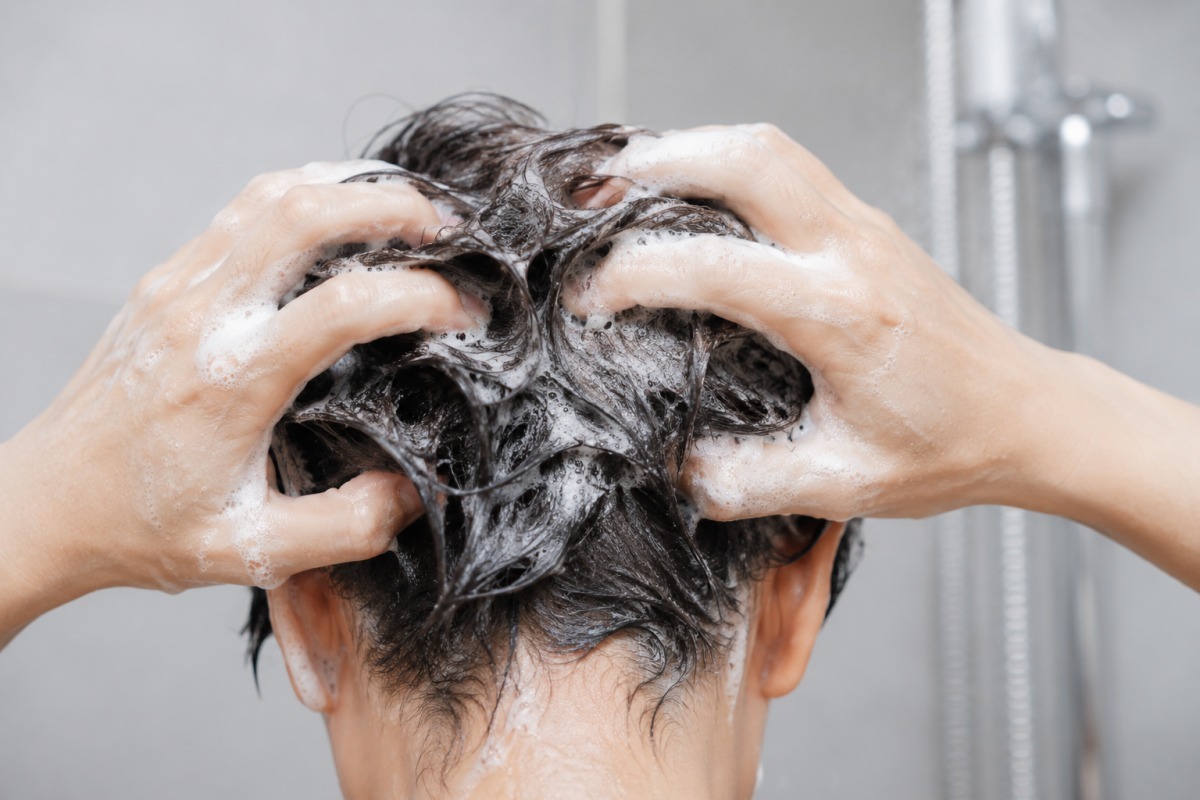
Changing how you wash your hair can produce better results than costly treatments. First, try washing twice with a small amount of shampoo—an “initial wash” followed by a thorough second wash.
On oily days or after heavy pollution, using a large dollop once often fails to lather. Instead, use small amounts and wash twice: the first wash lifts surface dirt and oil, and the second allows you to massage the scalp and clean deeply with less product.
Then follow the 333 rule: soak for 3 minutes, rinse for 3 minutes. Don’t apply shampoo immediately after wetting your hair. Wet your scalp and hair with warm water for about 3 minutes so hardened residues and dead skin soften and loosen. Rinsing is more important than many people realize—no visible foam doesn’t mean all shampoo is gone. Leftover shampoo can irritate the scalp, so rinse thoroughly for at least 3 minutes.
Finally, use your fingertips and monitor water temperature. Never scratch your scalp with your nails; that creates tiny, invisible wounds that invite infection. Massage in circular motions with the soft pads of your fingertips. Aim for water around 37–38°C (about 99–100°F), a touch warmer than body temperature. Water that’s too hot accelerates scalp aging; water that’s too cold won’t dissolve oils properly.
Details in daily life: treatments vs. conditioners
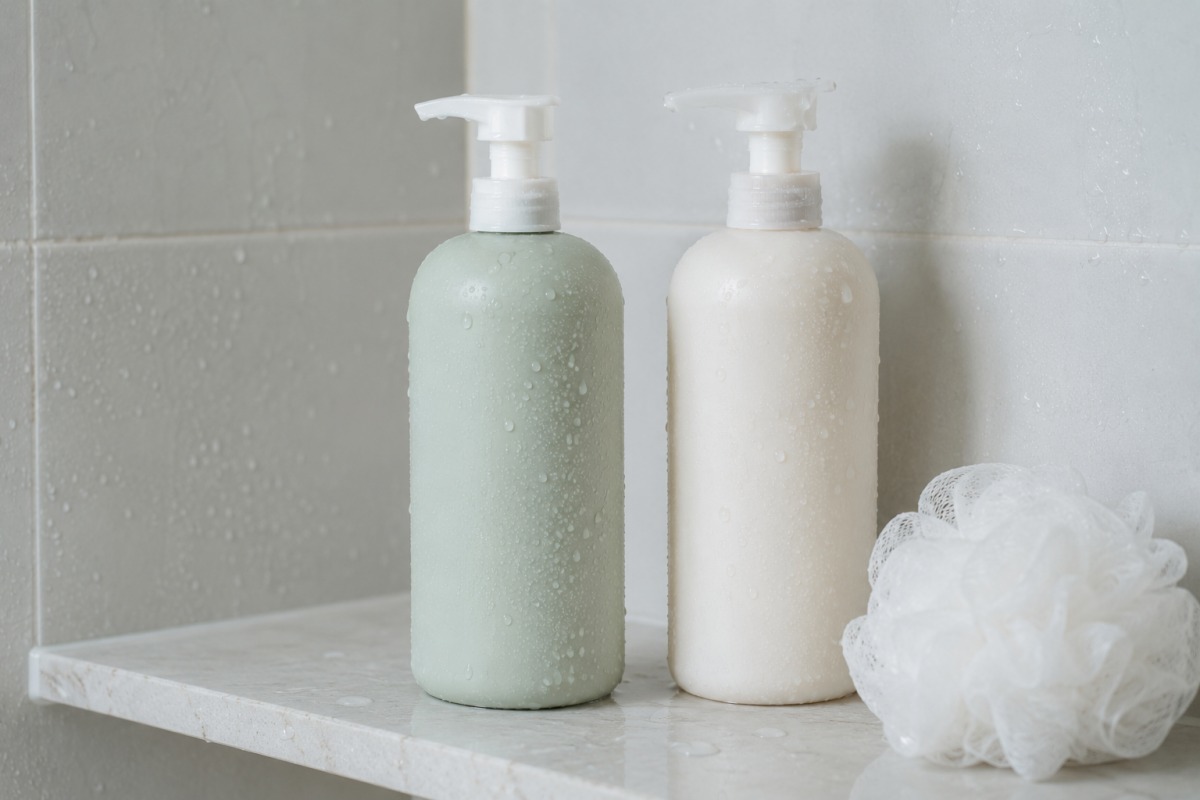
People often confuse treatment and conditioner, but they serve different purposes. A treatment penetrates the hair shaft to deliver nutrients, like a restorative tonic, while a rinse (conditioner) smooths and seals the hair surface like an outer coat.
If you use both, apply treatment first after shampooing and leave it on for about 5 minutes before rinsing. Then apply conditioner to lock in the nutrients. Crucially, do not let either product contact your scalp. Apply both from below the ear down to the ends only. If nutrient-rich oils reach the scalp, they can clog pores, lead to pimples, or cause hair to weaken and shed.
In short, the fastest way to dry hair is to escape the damp bathroom and use a towel “oven,” while healthy hair starts with choosing gentle, scalp-friendly shampoo and washing with care. Start these small habits tomorrow and you may gain about 10 extra minutes each morning—and help protect a fuller head of hair for 10 years to come.








Most Commented