
Translation result
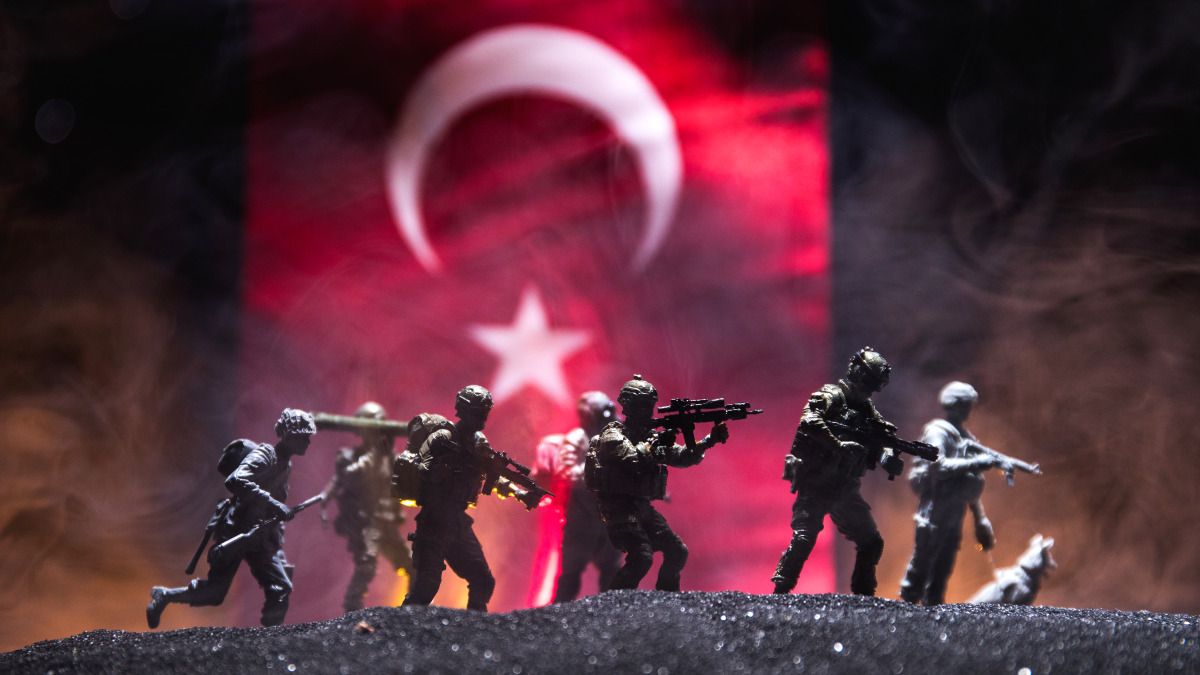
At EFES 2026, the large multinational live-fire exercise hosted by Turkey, units from two conflict-scarred states — Libya and Syria — took part at the same time, drawing close international scrutiny.
The scale was notable: more than 10,000 personnel from roughly 50 countries gathered along the Aegean coast to rehearse amphibious assaults, special operations, mine clearance and other battlefield tasks.
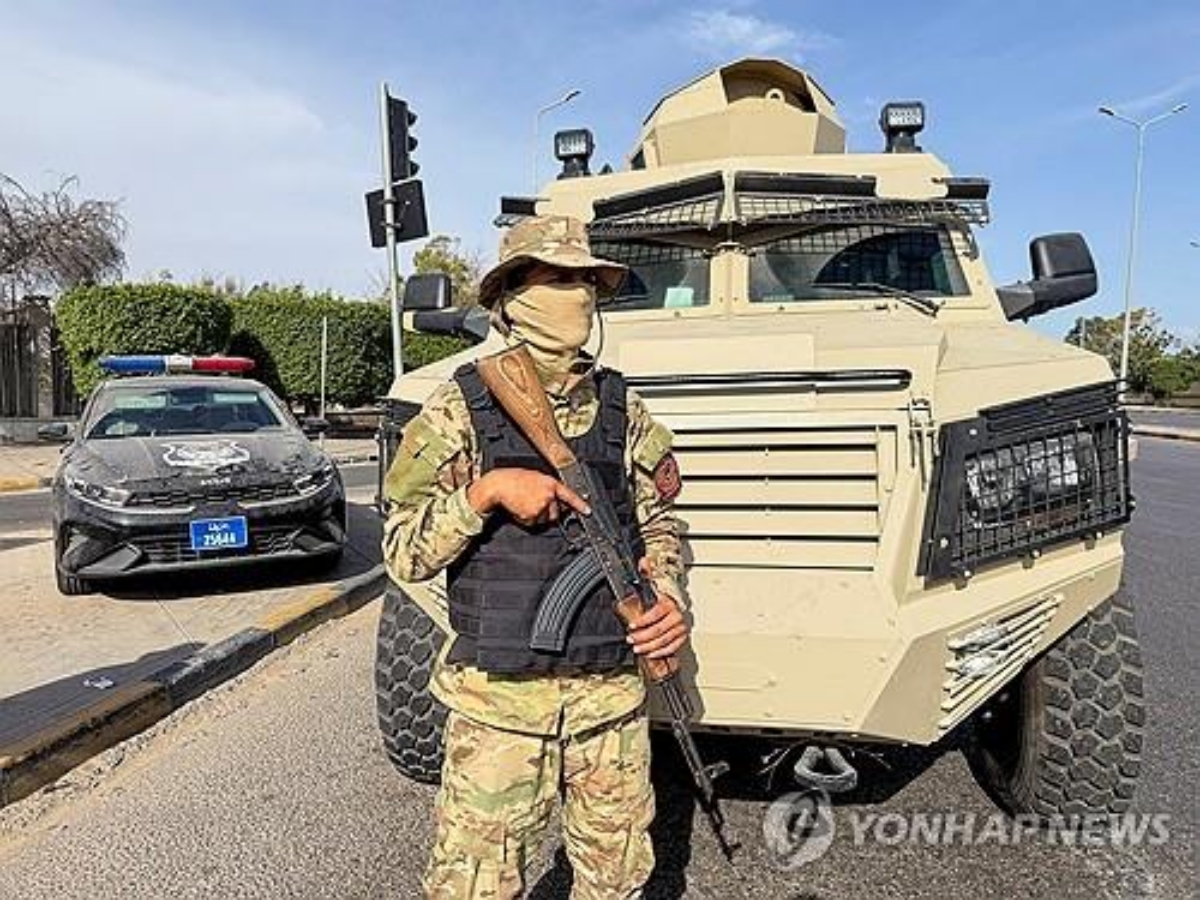
Most striking was that rival Libyan forces that have fought one another through years of civil war appeared side by side under a single banner during the Turkey-led drills.
That development underscores Turkey’s evolution from a weapons exporter into a hands-on military partner that shapes how fractured states rebuild and train their forces.
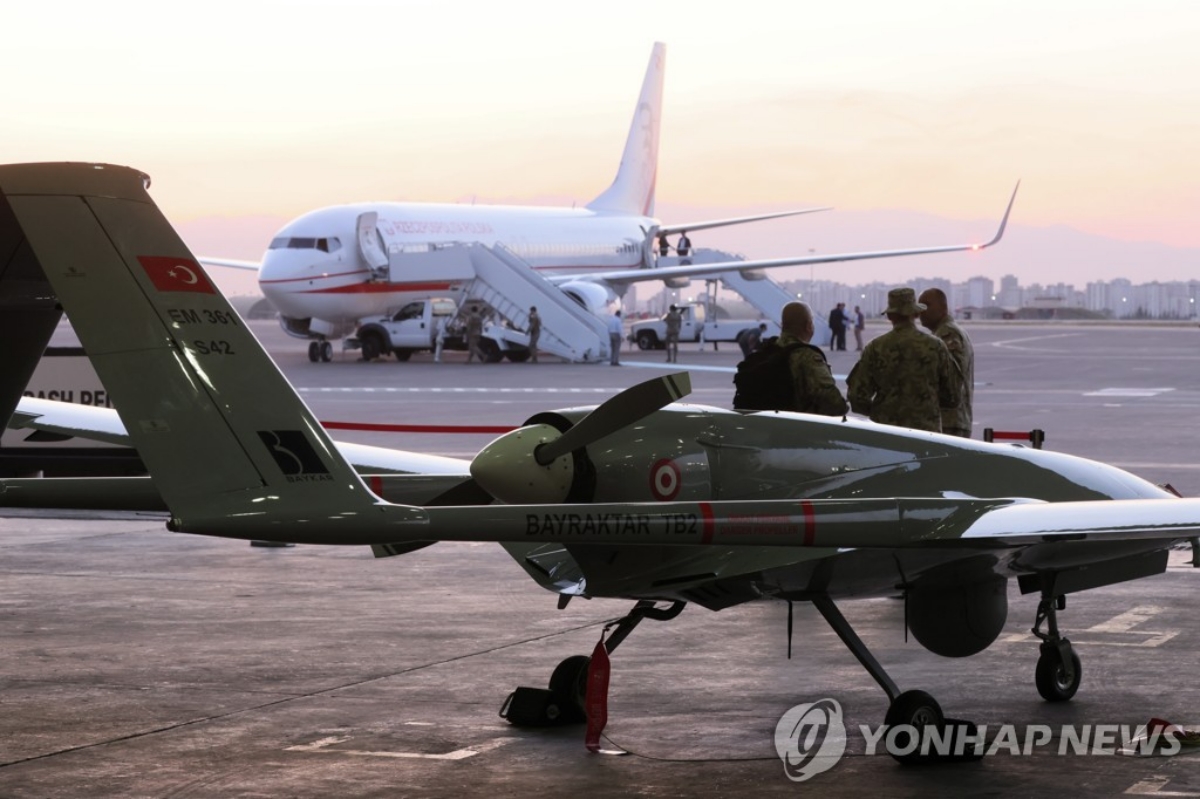
Leveraging the reputation it built exporting Bayraktar drones used in Ukraine, Turkey is extending its reach beyond arms sales into what analysts call “military training diplomacy.”
Diplomacy aimed at rewriting a military’s ‘operating system’
Arms sales are often one-off deals. Training partner forces in doctrine, maintenance procedures and officer networks, by contrast, locks those militaries into your systems over the long term.
That dynamic helps explain why a rebuilding Syrian force took part in its first overseas joint exercise. The question of whose tactical language and communications protocols they adopt will influence future diplomatic alignments.
Military exercises are as much political signaling as they are combat preparation. Sending units to train on another country’s ranges is a declaration of intent to speak the same operational language in future conflicts.
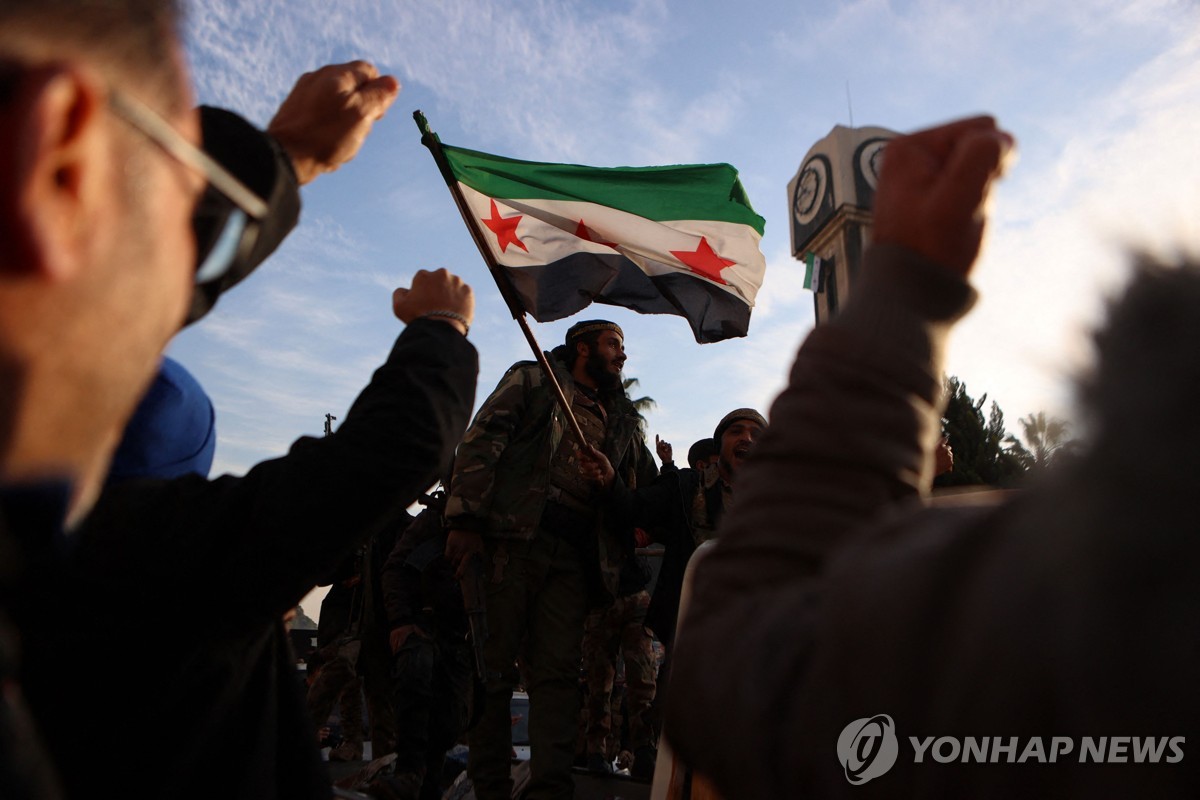
Turkey’s capacity to bring rival Libyan factions into the same exercise is not just a military accomplishment. It’s a strategic move designed to bind fragmented actors together and influence the emerging order across the Middle East and North Africa.
Mediterranean power shifts — lessons for South Korea’s defense industry
Turkey’s assertive posture increases security pressure not only on Greece and Egypt — rivals in the eastern Mediterranean and North Africa — but also on Gulf states with strategic interests in the region.
Control over Libya’s coastline and influence inside Syria tie directly to Mediterranean energy politics, European migration flows and vital sea lanes. Those links give Turkey a potent set of diplomatic levers.
For South Korea, riding a wave of interest in K-defense, the episode offers a clear takeaway: weapons are sold on contracts, but true influence flows from sustained networks of training, maintenance and doctrinal exchange.
As the global defense market shifts from simple price competition toward long-term partnership competition, Seoul will need a software-style defense diplomacy that turns buyers into operational partners.
Forces schooled in the Turkish model are likely to lean more on Turkey’s advice and support in future crises. This is not just symbolism — it’s the construction of real, interoperable networks.
Trending Now
- It flew roughly 4,600 km like a ghost to carry out a surprise strike…A first look at the U.S. ‘ghost ship’ that could dominate the Pacific
- We paid $14 billion, but the weapons haven’t arrived…Why delivery delays are putting even U.S. forces in Korea on edge
- Is the Arctic becoming China’s backyard?…Why Beijing brought stacks of cash to the Arctic Ocean









Most Commented