
Translation result
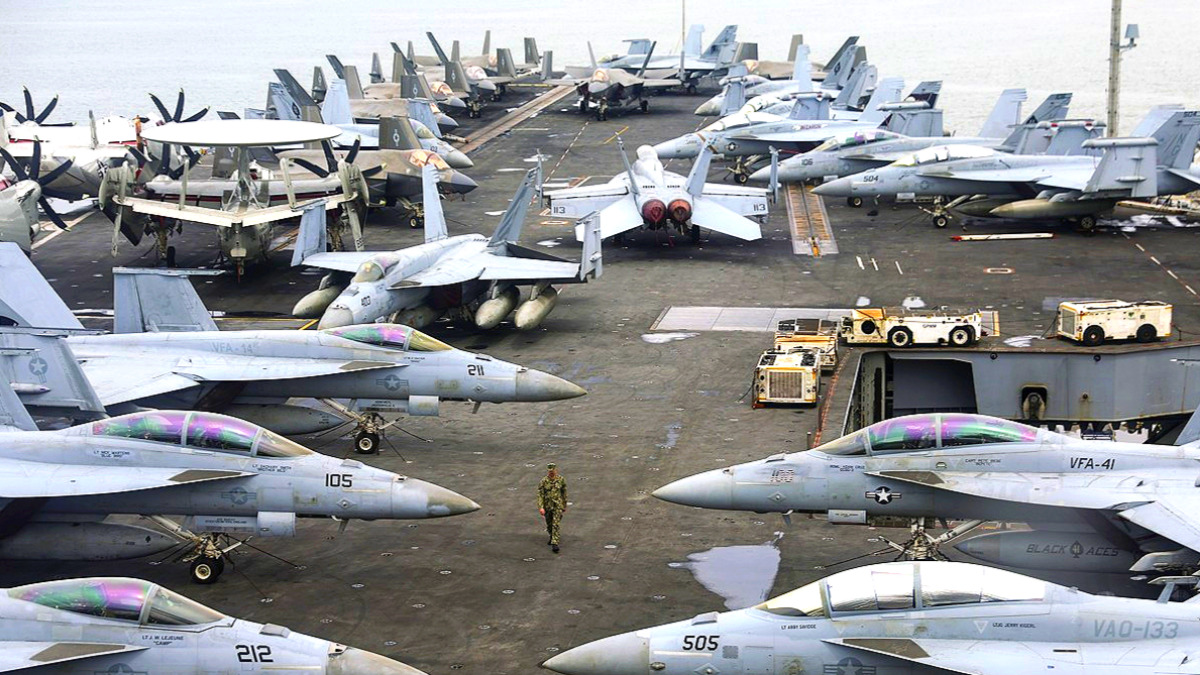
The U.S. Navy successfully tested a system that can turn inexpensive conventional bombs into weapons that behave like costly cruise missiles — a development that could reshape how future conflicts are fought.
Confronted with the high purchase price and slow production of advanced missiles, the service is pursuing ways to convert stockpiled legacy bombs into long-range strike munitions.
A jet‑powered bomb chosen over a 1.3 billion KRW (approximately $975,000) cruise missile
U.S. defense and specialist outlets report the Navy successfully test-fired a jet‑powered, long‑range joint direct-attack munition (JDAM‑LR) from an F/A‑18 Super Hornet.
The tested munition couples a conventional 500‑pound‑class unguided bomb with a GPS‑guided wing kit and a compact turbojet engine.
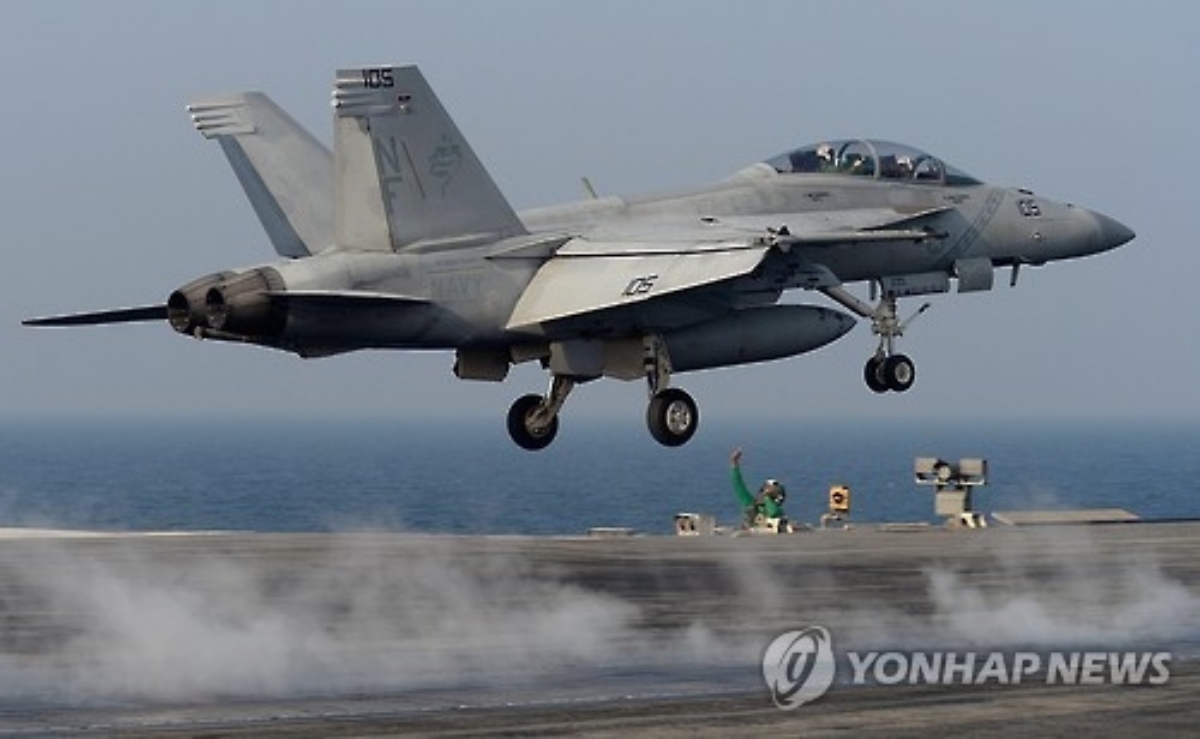
Adding propulsion to what would otherwise be a free‑fall bomb gives it far greater reach than conventional glide‑type guided bombs.
The Navy and Defense Department view these jet‑powered bombs as a way to dramatically increase the cost‑effectiveness of existing inventories.
The U.S. Air Force and Navy’s primary long‑range air‑to‑ground cruise missile, JASSM, costs roughly 1.3 billion KRW (roughly $975,000) per round, making large‑scale employment prohibitively expensive.
By contrast, JDAM‑LR converts existing 500‑pound bombs with wings, a small turbojet and fuel tank to provide a standoff strike reach on the order of 200 nautical miles — about 230 statute miles (≈ 370 km) — at a fraction of the cost of cruise missiles.
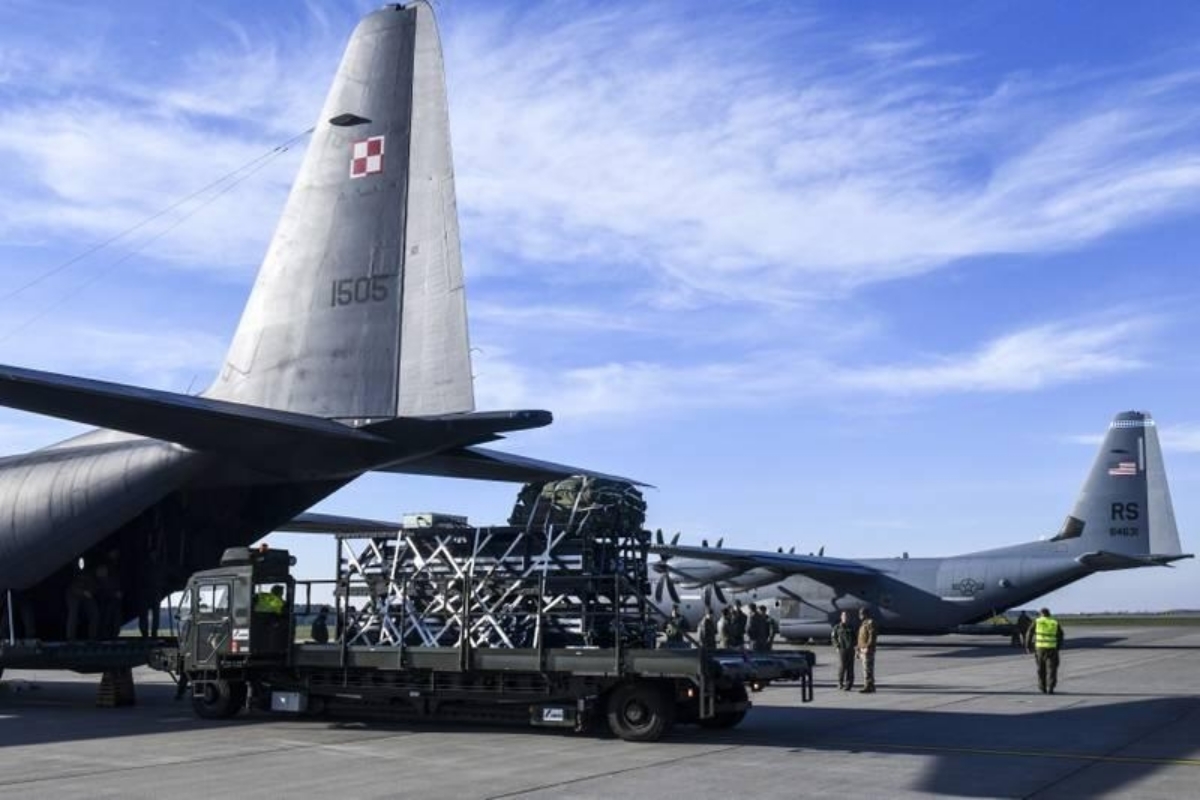
These modified bombs can already handle ground‑target strikes. If fitted later with seekers and datalinks, they could be adapted for maritime attacks or used as decoys.
High‑cost long‑range missiles strain stocks, underscoring need to evolve South Korea’s KGGB
The Navy’s test offers a clear lesson for the South Korean Air Force, which has concentrated procurement on high‑end guided weapons.
Seoul fields long‑range air‑to‑ground missiles such as SLAM‑ER and Taurus, but those rounds can cost tens of billions of KRW apiece — the equivalent of several million USD — making it difficult to maintain robust stockpiles.
Analysts have long warned that, in a full‑scale conflict, stocks of expensive cruise missiles would be exhausted within days.
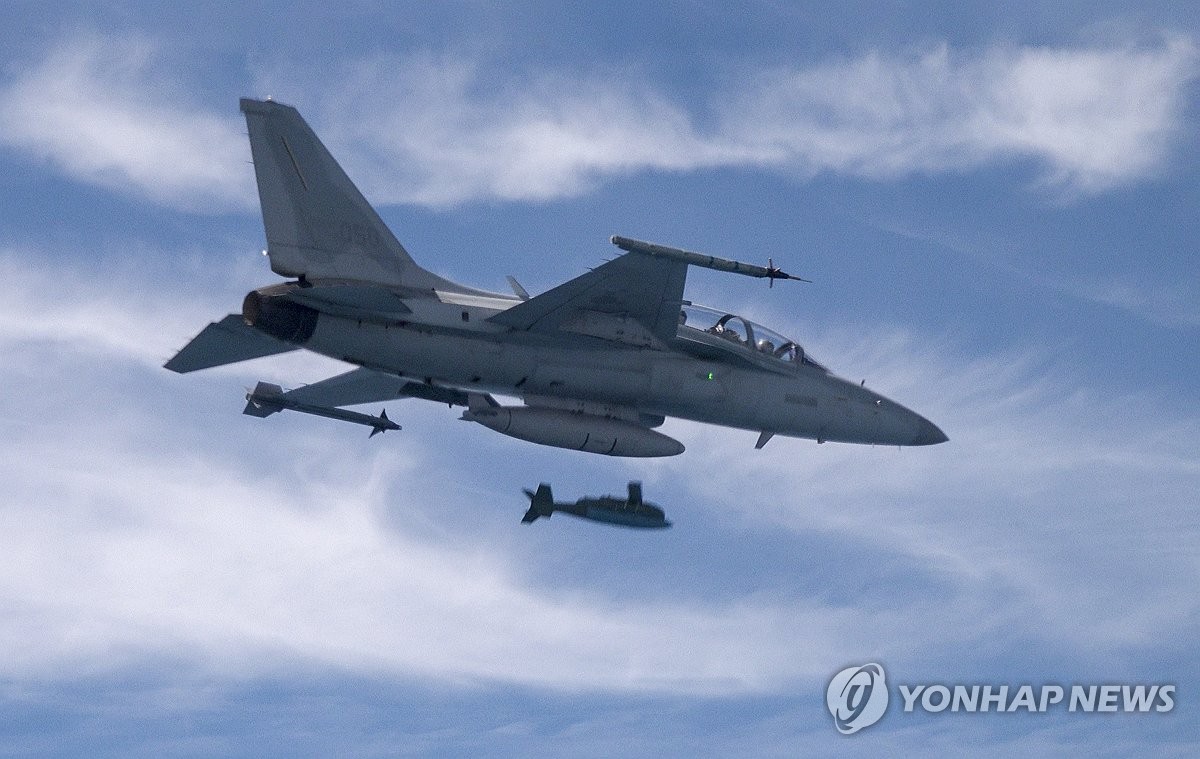
To ease that shortfall, South Korea developed and fields a low‑cost Korean GPS‑guided bomb (KGGB) that runs roughly 100 million KRW per round (about $75,000). Lacking onboard propulsion, however, KGGB’s effective range is only about 100 km (roughly 62 miles).
That leaves a gap: KGGB cannot yet be released safely from outside many modern air‑defense envelopes.
If Korea adopts a JDAM‑LR‑style approach — integrating a small propulsion unit into the KGGB — it could field large numbers of long‑range strike munitions that boost aircraft survivability without the budget hit of buying more cruise missiles.
Moving doctrinally away from exclusive reliance on expensive cruise missiles and toward massing low‑cost modified bombs is emerging as a viable way to prepare for high‑volume conflict scenarios.





Most Commented