
Translation result
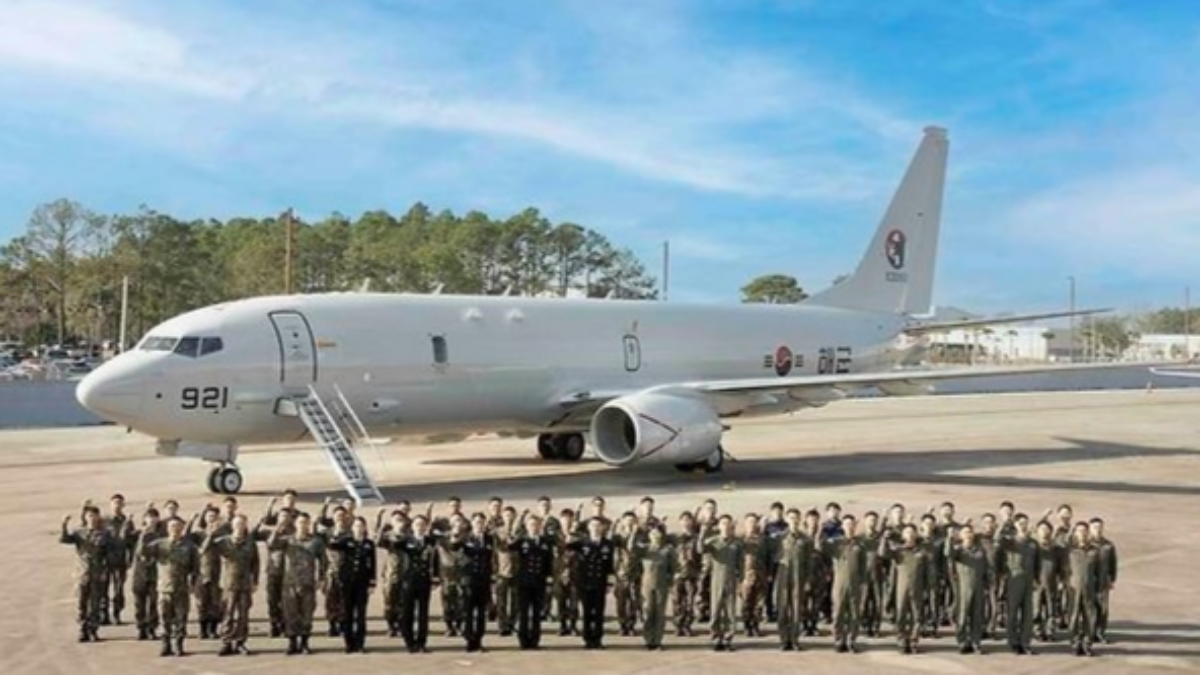
Fourteen P-8As complete Australia’s maritime surveillance network
The 14th P-8A Poseidon, delivered on May 27, is more than an incremental addition — it fills the final slot in the maritime patrol structure Australia set out to build.
With this aircraft in service, Australia can rotate maintenance, training, and operational sorties without creating surveillance gaps. That gives Canberra the capacity to monitor the South China Sea, the Indian Ocean and the Pacific simultaneously.
Critically, the added platform substantially lowers the chance that prolonged tensions or conflict would interrupt surveillance because of too few patrol aircraft.
Why China is sensitive: one platform eyes subs, surface ships and aircraft
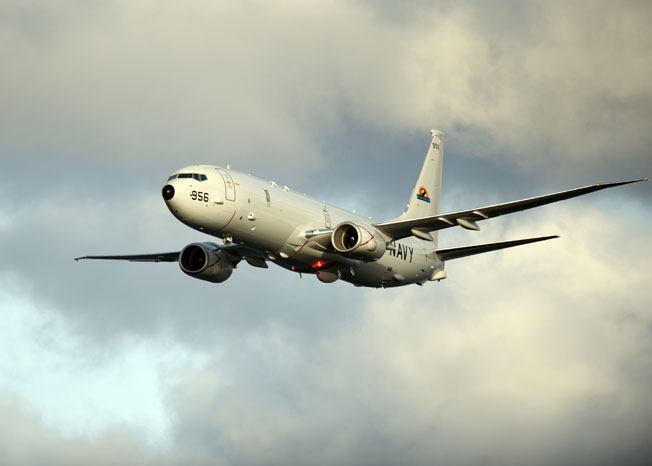
Though the P-8A is based on the Boeing 737 airframe, its mission systems make it effectively a flying anti-submarine warfare command center.
It can deploy large numbers of sonobuoys to analyze underwater acoustic signatures, while long-range maritime radar, ELINT suites and optical sensors let crews track surface vessels and low-flying aircraft simultaneously. It can detect contacts at ranges exceeding 400 km.
From Beijing’s perspective, submarine transits into the South China Sea and Indian Ocean, carrier and destroyer movements, and the trajectories of bombers and naval aircraft all get added to the Poseidon’s databases — increasing the risk that operational patterns and vulnerabilities will be revealed over time.
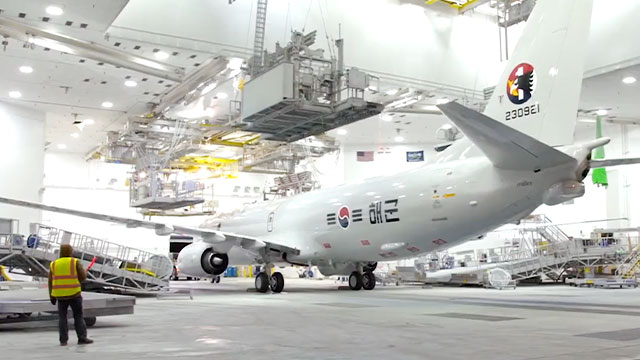
Trained crews and alliance networks matter more than raw numbers
Possessing 14 Poseidons doesn’t automatically equate to a proportional jump in combat capability.
Interpreting sonobuoy fields, applying anti-submarine tactics and fusing multiple sensors into coherent operational pictures all depend on well-trained aircrews and robust maintenance and logistics systems to be effective.
Australia already shares Poseidon operating experience and training data with partners including the U.S., U.K., New Zealand and India. That alliance-level information sharing creates a network effect that multiplies the platform’s value — a development Beijing must take seriously.
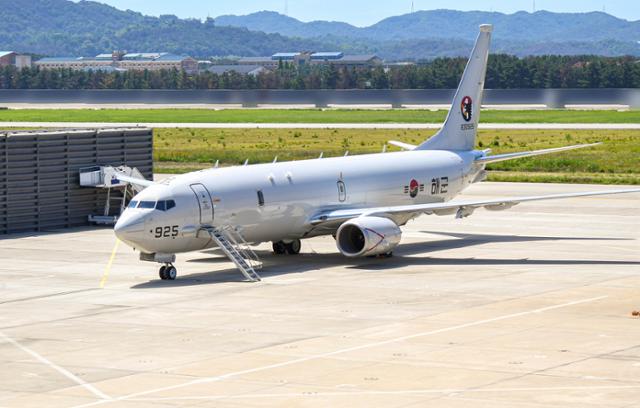
AUKUS ties create a ‘China-surveillance triangle’
The Poseidon is a key node within the U.S.-U.K.-Australia (AUKUS) architecture.
The U.S. and U.K. contribute intelligence, satellite support and submarine technology, while Australia will provide persistent regional awareness across the South Pacific and Indian Ocean using Poseidons and, in the future, nuclear-powered submarines.
That arrangement means every time the People’s Liberation Army Navy pushes beyond the South China Sea into the Indian Ocean or the broader Pacific, its tracks and activity patterns will be visible across the U.S.-U.K.-Australia network.
 무기의세계>
The key point: observe China without permanently deploying surface combatants
The Poseidon’s advantage is that it can provide near–real-time situational awareness across distant seas without having to keep costly surface ships and submarines constantly forward-deployed.
As China expands facilities in the South China Sea and increases long-range exercises and submarine operations, Australia will naturally tighten Poseidon flight paths and patrol timing.
For Canberra, that creates strategic space: “we monitor and record from a distance and, when necessary, respond with allies.” For Beijing, it means operating with the persistent awareness that land, sea and air activities are increasingly visible within someone else’s sensor network.









Most Commented