
Translation result.
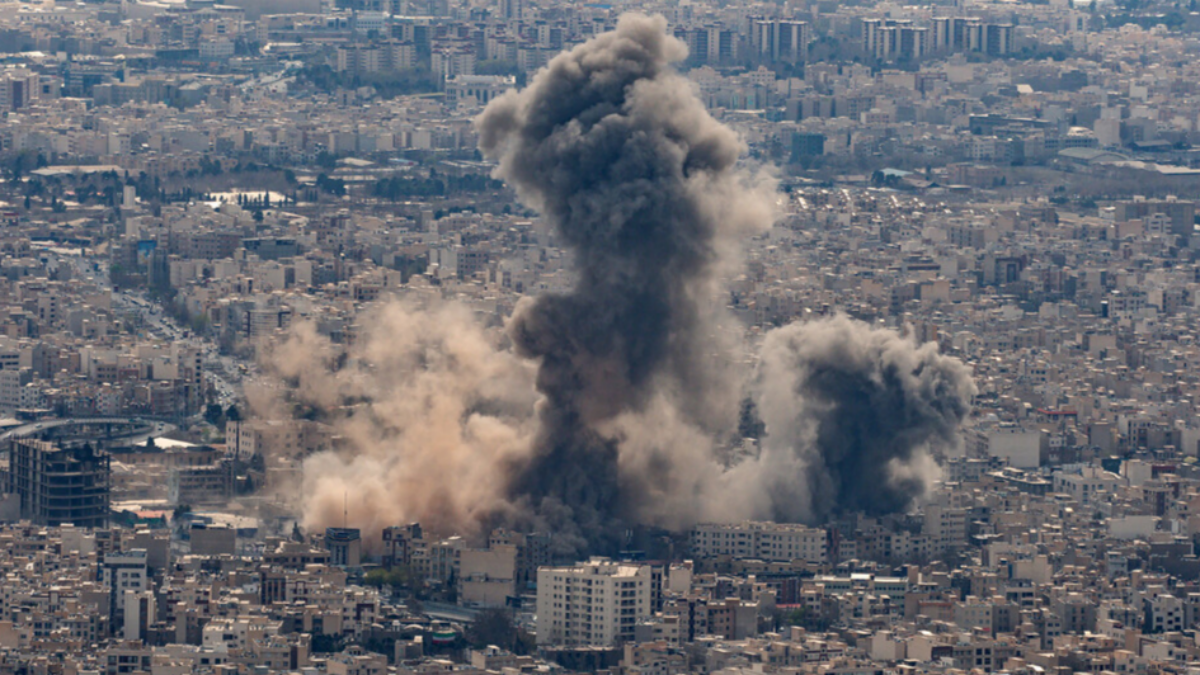
What did the U.S. hit — and where?
U.S. Central Command (CENTCOM) said on May 25 that U.S. forces carried out self‑defense strikes in southern Iran.
The strikes focused on two types of targets: missile launchers operated by Iran’s military and Iranian vessels that were reportedly preparing to lay mines in waters near the Strait of Hormuz.
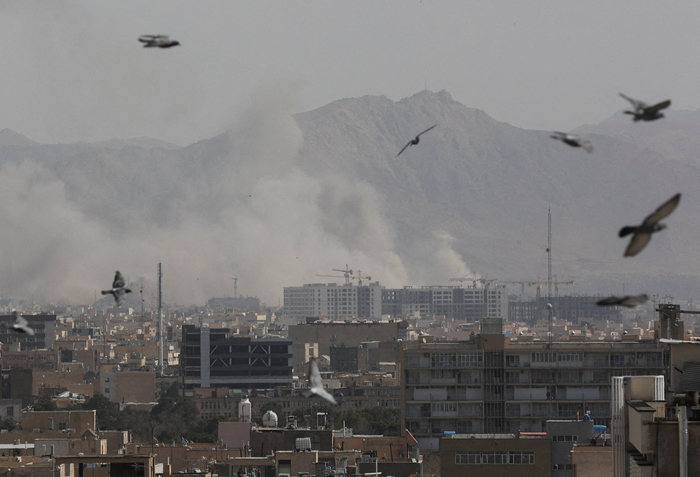
After Iranian media reported explosions near Bandar Abbas, multiple outlets independently confirmed that U.S. forces struck facilities across southern Iran, including that area.
Bandar Abbas is home to major Iranian naval and air bases and sits at a strategic chokepoint that can effectively control access to the Strait of Hormuz.
Why the U.S. calls it self‑defense
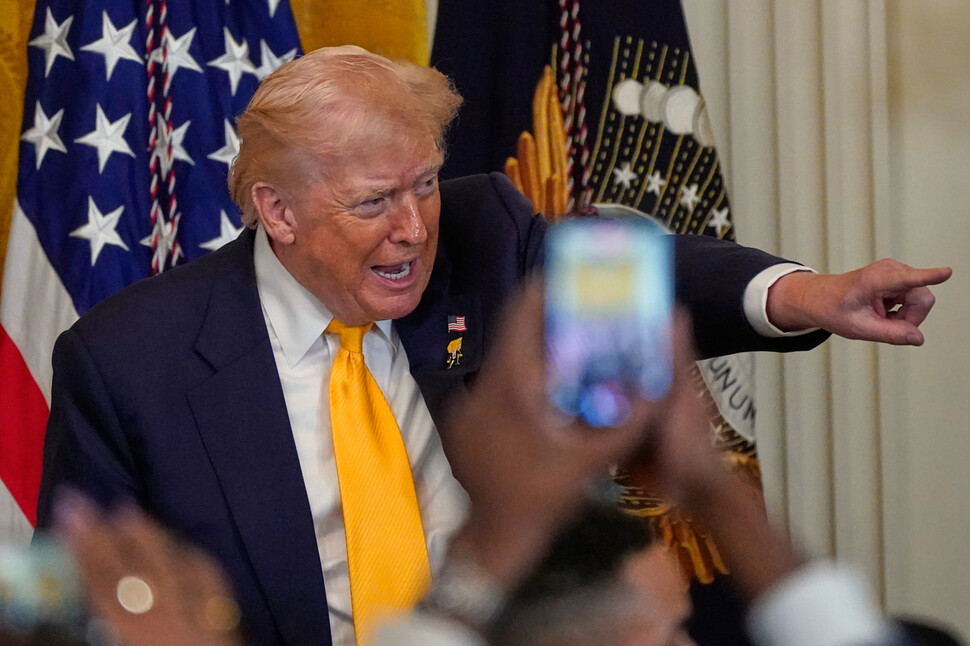
CENTCOM spokesperson Tim Hawkins said the strikes were intended to protect U.S. forces from threats posed by Iran.
The U.S. case is straightforward: intelligence indicated Iran was preparing to lay mines in the Strait and nearby waters, and missile launchers were positioned where they could directly threaten U.S. ships, aircraft and bases.
Put another way, Washington framed the strikes as limited, preemptive actions to halt ongoing threats rather than attempts to escalate the conflict.
That framing allows the U.S. to pursue diplomatic channels and ceasefire talks while using targeted military measures to deter Iranian actions that approach what it considers a red line.
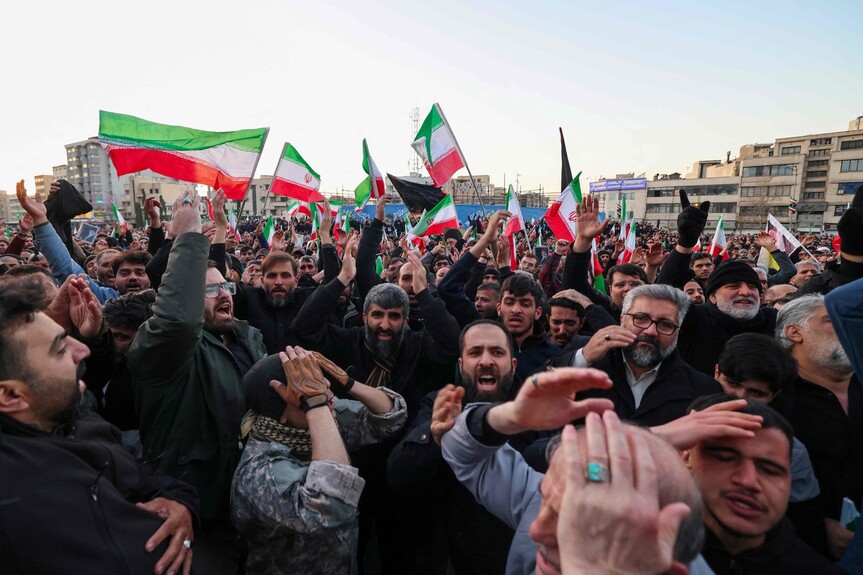
Why strike during a ceasefire? The double message: restraint publicly, defensive action as needed
CENTCOM’s statement made clear that, even during the current ceasefire, the U.S. will exercise restraint but will strike when necessary to defend its forces.
Publicly, that signals Washington is not the party trying to break the ceasefire. At the same time, it sends a firm message to adversaries and to U.S. forces that the military will act if threats materialize.
The Strait of Hormuz is a vital chokepoint for global oil and gas shipments; a handful of mines placed correctly could wreak havoc on international shipping and drive energy prices higher. From the U.S. perspective, preemptively neutralizing mine threats can be portrayed as collective self‑defense for U.S. and allied vessels.
Iran’s stance and the international law debate
Tehran is expected to denounce the strikes as violations of the ceasefire and infringements on its sovereignty.
Under international law, the legitimacy of preemptive self‑defense hinges on how clearly a state can demonstrate an ‘imminent attack.’ That standard has long been the subject of dispute.
But the U.S. emphasizes that it struck vessels actively laying mines and missile sites preparing to fire, arguing those actions constituted a direct, specific threat to U.S. personnel and ships.
Why now: balancing talks, deterrence and allied trust
The U.S. and Iran are bargaining over a draft memorandum of understanding that would extend the 60‑day ceasefire, reopen the Strait of Hormuz, and resume nuclear negotiations.
If Washington took no action, Iran could use the ceasefire window to entrench new capabilities—mines, missiles and drones—on the water and ashore. If the U.S. applied too much force, it risked collapsing the negotiations. Washington appears to have chosen a narrow path: targeted defensive strikes that remove specific threats without upending the broader ceasefire.









Most Commented