
Is Musinsa’s Reputation at Risk? The Shocking Truth Behind Fashion Brand Label Switching!
Daniel Kim Views
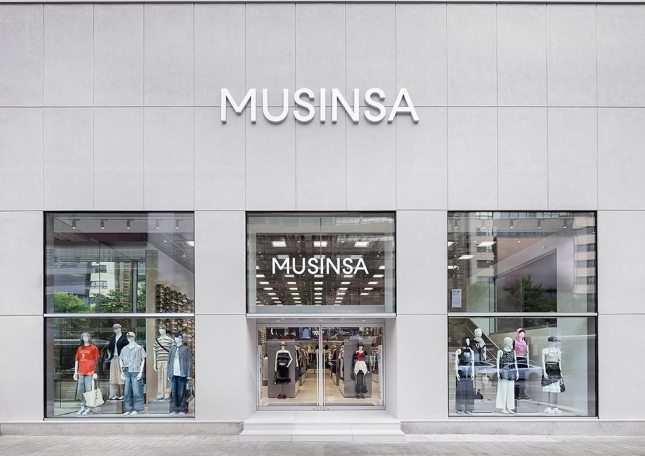
South Korea’s fashion scene can’t really be discussed without Musinsa. The platform has expanded beyond online shopping into brick-and-mortar retail, cementing itself as a major tastemaker in the industry.
Lately, Musinsa has been rocked by claims that some of its sellers have been swapping tags—passing off cheap materials as luxury and charging premium prices. The allegations exposed several sellers who misrepresented low-cost materials as high-end, sparking debates about seller ethics and the platform’s responsibility to police listings.
The 500,000-won Handmade Shoe That Felt Like a Betrayal
Accusations emerged that the handmade shoe brand MARZIN, which recently joined Musinsa, was selling what looked like mass-produced shoes with only the labels changed. The item in question was a men’s dress shoe sold during a Musinsa promotion for roughly 500,000 won (≈ $375). The product page originally claimed the shoe used Horween cordovan leather from the U.S.
After the sale ended, the product description was updated to list a different leather. As the controversy grew, the brand disappeared from Musinsa’s platform.
What’s more troubling is that complaints about label switching among Musinsa sellers keep surfacing online. Even a men’s brand referred to as “Brand B” was scrutinized over its outerwear.
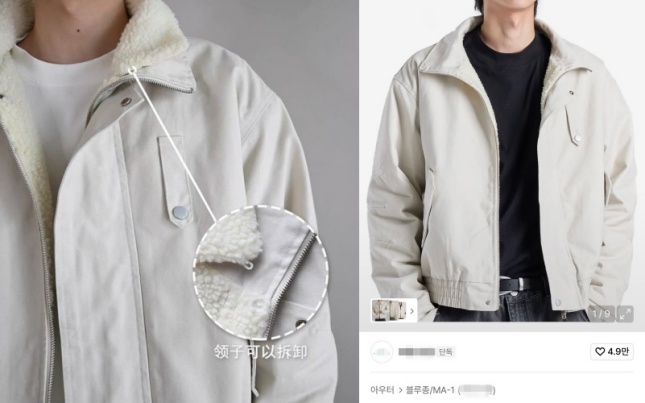
A jacket listed on Musinsa for about 120,000 won (≈ $90) was found on China’s biggest marketplace, Taobao, for roughly 50,000 won (≈ $37.50). Shoppers say they feel cheated and wonder whether sellers are copying designs or simply importing and reselling the identical products.
Quality scandals involving Musinsa sellers aren’t new. Last year the platform was hit by a high-profile fake goose-down incident. Multiple brands, including Lafudge Store, misrepresented the down content in their jackets. One label claimed 80% down, but lab tests showed just 2.8% down. Musinsa responded at the time by pulling the flagged items and issuing full refunds.
After repeated incidents, Musinsa announced a “zero-tolerance” policy. The company says it will permanently ban sellers that falsely claim items are self-made when they’re actually relabeled products.
Musinsa also plans to roll out an AI-driven review system next month to monitor more than 1.2 million listings across the platform. The company has said it will consider criminal charges in serious cases.
What Is the Platform Doing?
Even with Musinsa’s tough talk, consumers remain skeptical. For shoppers who bought in based on the platform’s reputation, after-the-fact bans feel like locking the barn after the horse has bolted.
One user argued that the commission Musinsa collects from sellers should cover more than just access to customers—it should include product vetting and quality assurance. Experts add that Musinsa can’t hide behind its legal status as an intermediary to avoid responsibility; with a growing roster of sellers, the platform needs stricter pre-listing checks.
Tag switching is a long-standing, open secret in the fashion world. On platforms such as Musinsa, Ably, and ZigZag, many listings advertise “Korea and China parallel imports,” which essentially means the items are Chinese-made imports—something most shoppers don’t realize.
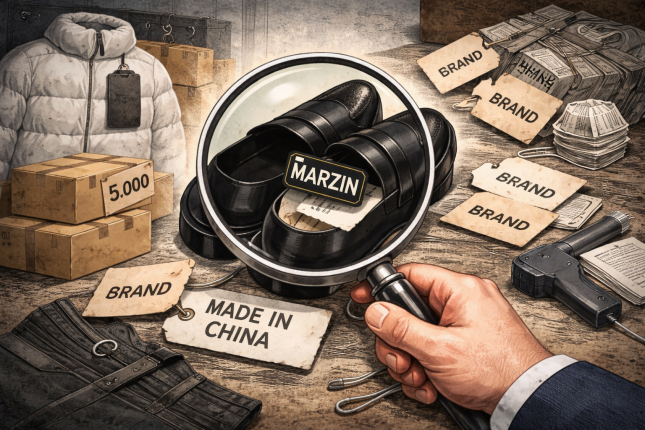
An industry insider admitted it’s far cheaper to resell Chinese-made goods than to manufacture locally. Since those products can cost roughly half of Dongdaemun wholesale prices, the temptation is strong. Platform operators also say it’s realistically difficult to perfectly distinguish whether a Chinese item is a direct copy of a Korean design or a relabeled import.
In the end, this scandal appears to be a joint product of profit-driven immorality among some brands and a platform that prioritized rapid growth over tightened oversight.
If Musinsa wants to keep its reputation as a trusted hub for K-fashion, it will need technical tools like AI—and, more importantly, it must rebuild the infrastructure of trust. Creating a transparent shopping environment where consumers can buy without second-guessing is the platform’s core responsibility.
Only time will tell whether Musinsa’s promise to create a “fair playing field without cheating” is empty rhetoric or the start of a real turnaround for the fashion ecosystem.







Most Commented