
Translation result
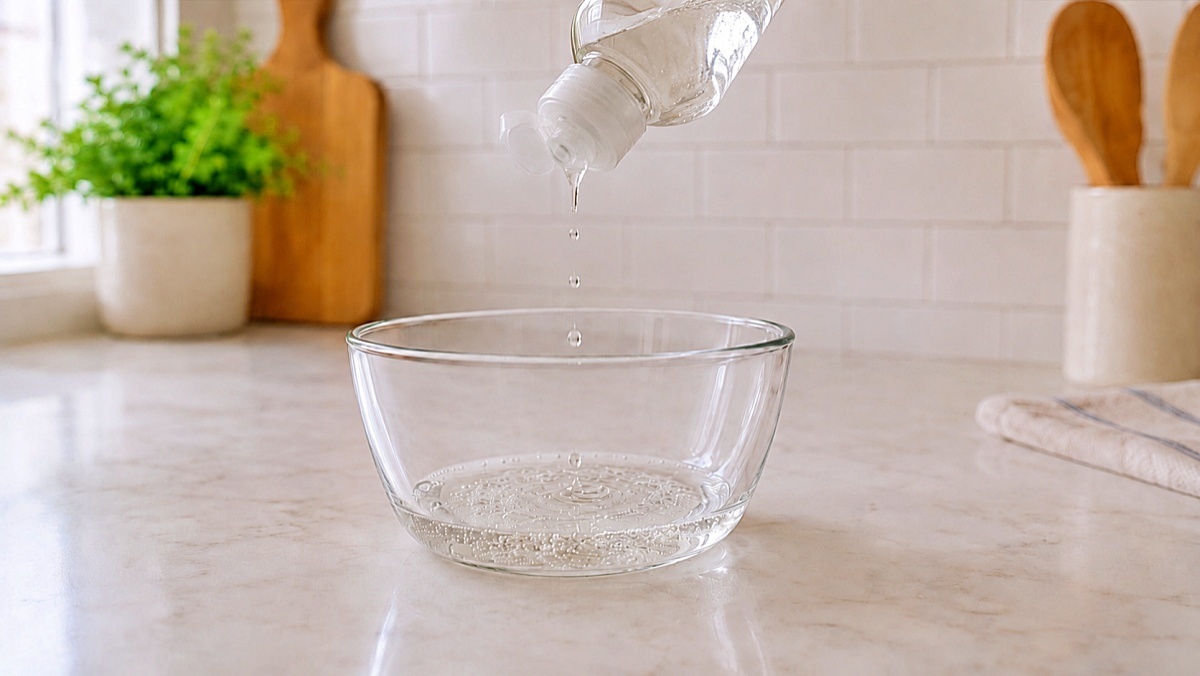
When a few small insects appear in the house, your routine can unravel fast. Mosquitoes are especially disruptive: their buzz and the itch from bites can wreck sleep. If you’d rather avoid insecticides, a simple fix starting with a single drop of dish soap can help.
How dish soap traps mosquitoes
Dish soap works because it alters water’s surface tension. Mosquitoes are light and stand on thin legs, so they can rest briefly on water. Their bodies also repel water, so they don’t immediately sink. For that reason, a bowl of plain water seldom traps them.
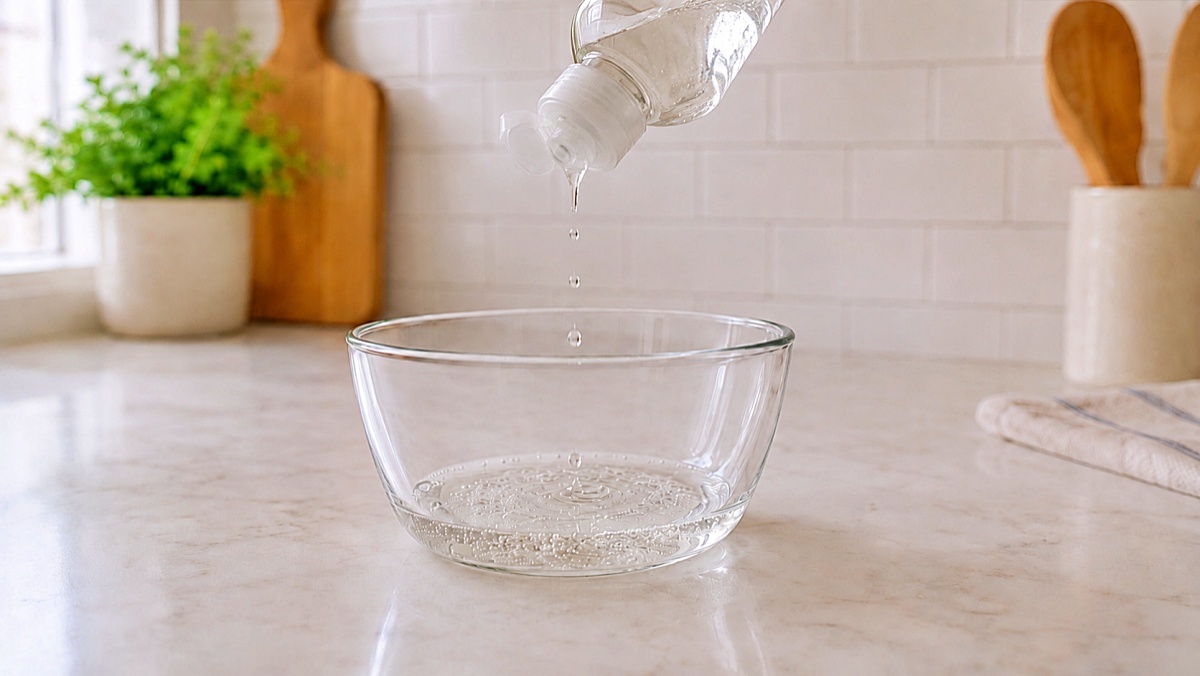
Drop one or two drops of dish soap into the water and the physics change. Surfactants in the soap reduce the surface tension, so the water can no longer support the mosquito’s weight and it sinks. The soap also disrupts the oily film on its body, allowing water to cling and making escape harder.

Insects breathe through tiny openings called spiracles. When a mosquito falls into soapy water, its body wets and water spreads around those spiracles, interfering with normal breathing. The dish-soap trap doesn’t rely on toxic chemicals; it exploits the mosquito’s anatomy and basic properties of water. That makes it a useful secondary option for households with children, pets, or sensitivity to insecticide odors.
Using light as a lure
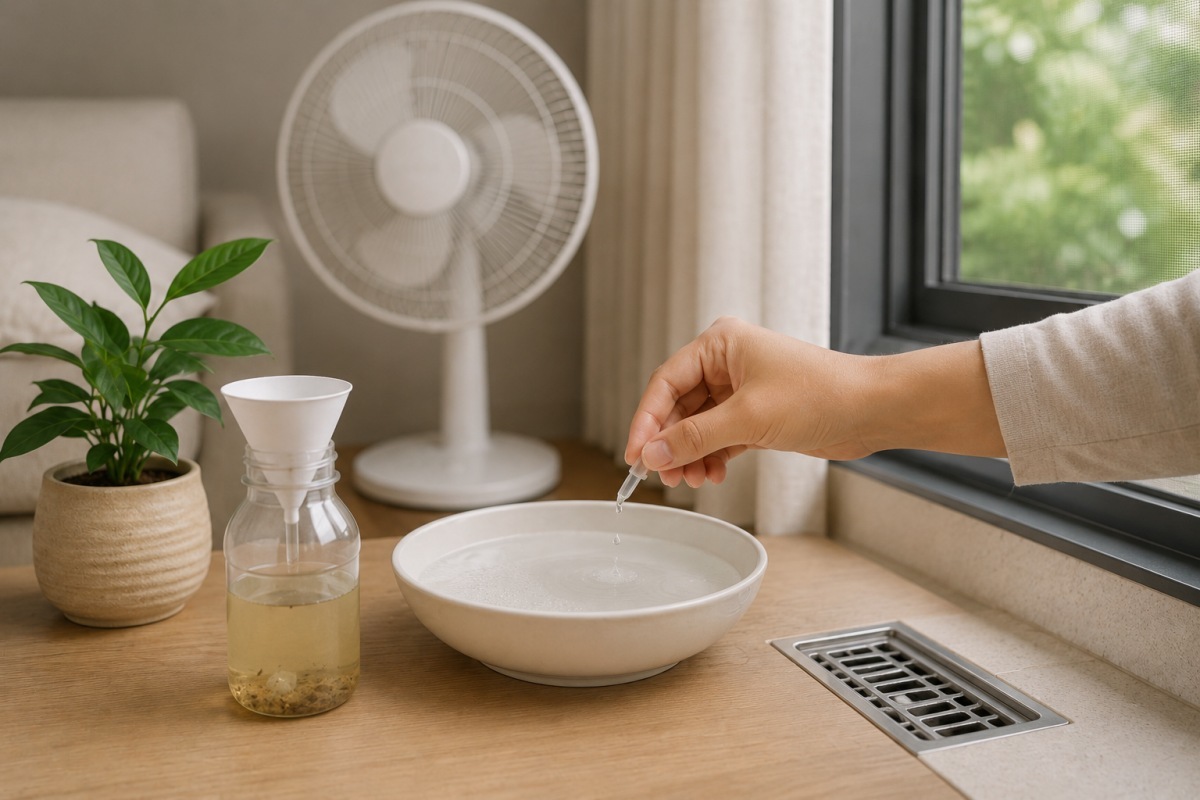
The easiest setup combines soapy water with a light. Mosquitoes in dark spaces are attracted to light, so a lamp can concentrate them in one place. Use a wide, shallow bowl or basin and fill it about halfway with water. Add one or two drops of dish soap and stir gently—avoid creating heavy foam.
Place the bowl where you often see mosquitoes: a corner, near a window, or another stable spot that receives light—rather than right beside the bed. Shine a desk lamp or small light on the water’s surface and dim surrounding lights so the illuminated surface stands out. Mosquitoes will tend to move toward that glow.
When a mosquito lands, the soapy surface won’t support it. With reduced surface tension, it sinks and cannot easily escape. This method is easy to set up before bed and particularly helpful when you can hear a mosquito but can’t find it.
Because you’re using light near water, take safety precautions. Keep the bowl away from outlets, power strips, and cords. Place the lamp securely so it can’t tip into the water. If you have small children or pets, set the arrangement on a high shelf out of reach.
Bait traps with vinegar and sugar
In areas where insects gather, a vinegar-and-sugar bait trap can help. It works on fruit flies and drain flies as well: the sour aroma of vinegar draws insects in, sugar adds sweetness, and a few drops of dish soap make it hard for them to escape once they hit the liquid.
Start with an empty plastic bottle and cut off the top third. In the bottom portion, mix 100 ml (about 3.4 fl oz) of water with 3 tablespoons of vinegar and 1 tablespoon of sugar. Add two drops of dish soap and stir slowly with a spoon or chopstick to minimize foam.
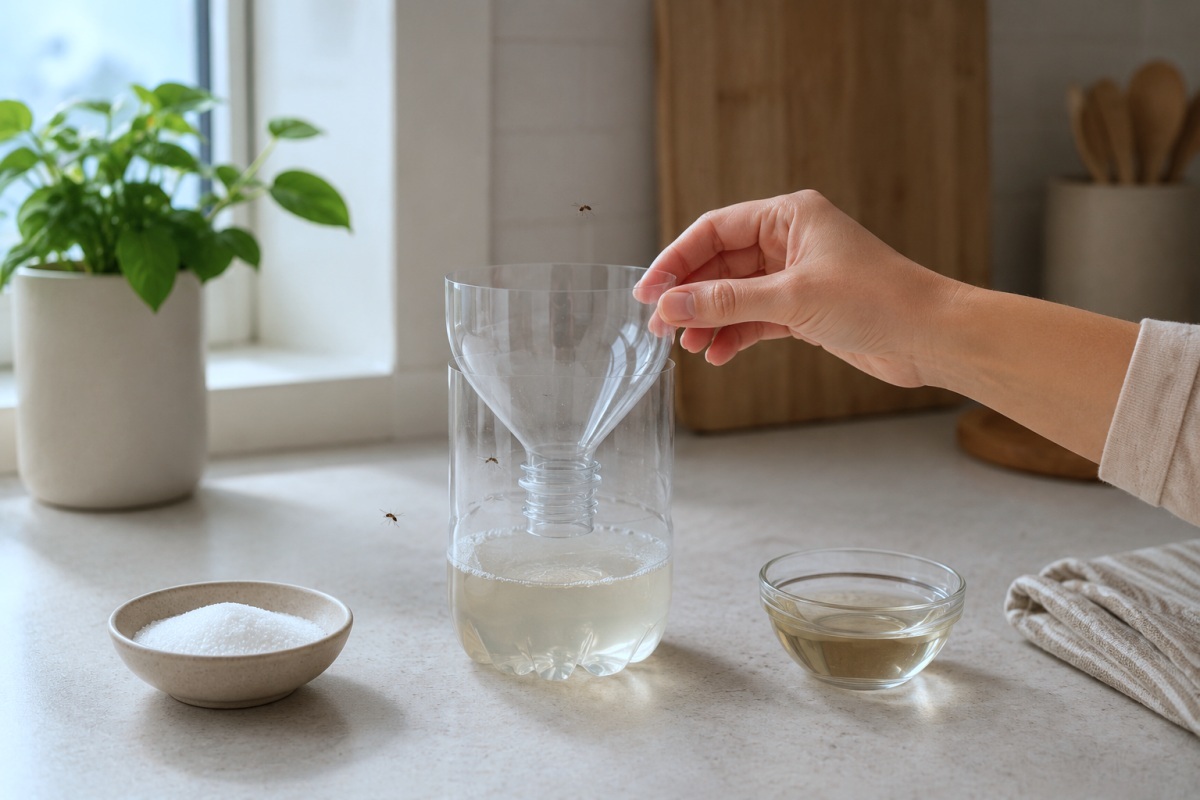
Invert the cut-off top (without its cap) into the bottom half to form a funnel. Bugs can follow the scent in easily but have trouble finding the way back out. Any insect that contacts the liquid will sink because of the soap.
Place this trap near trash bins, under the sink, on balconies, or by bathroom entrances—places where bugs commonly gather. Avoid long-term placement near where people sit or sleep, like bedside tables or dining surfaces, because of the vinegar odor. Replace the trap when the smell intensifies or the liquid becomes cloudy.
Use a fan to keep mosquitoes away
A fan complements traps well. Mosquitoes are lightweight and weak fliers, so even a gentle breeze disrupts their path. Running a fan on low or medium makes it harder for them to reach you, a simple and effective tactic near sleeping areas.
Mosquitoes locate hosts by sensing carbon dioxide, body heat, and sweat odors. A fan disperses those cues so they don’t remain concentrated, making it harder for mosquitoes to pinpoint you and reducing the chance they’ll land. Set the fan to oscillate before bed so air keeps moving around the bed and mosquitoes find landing more difficult.
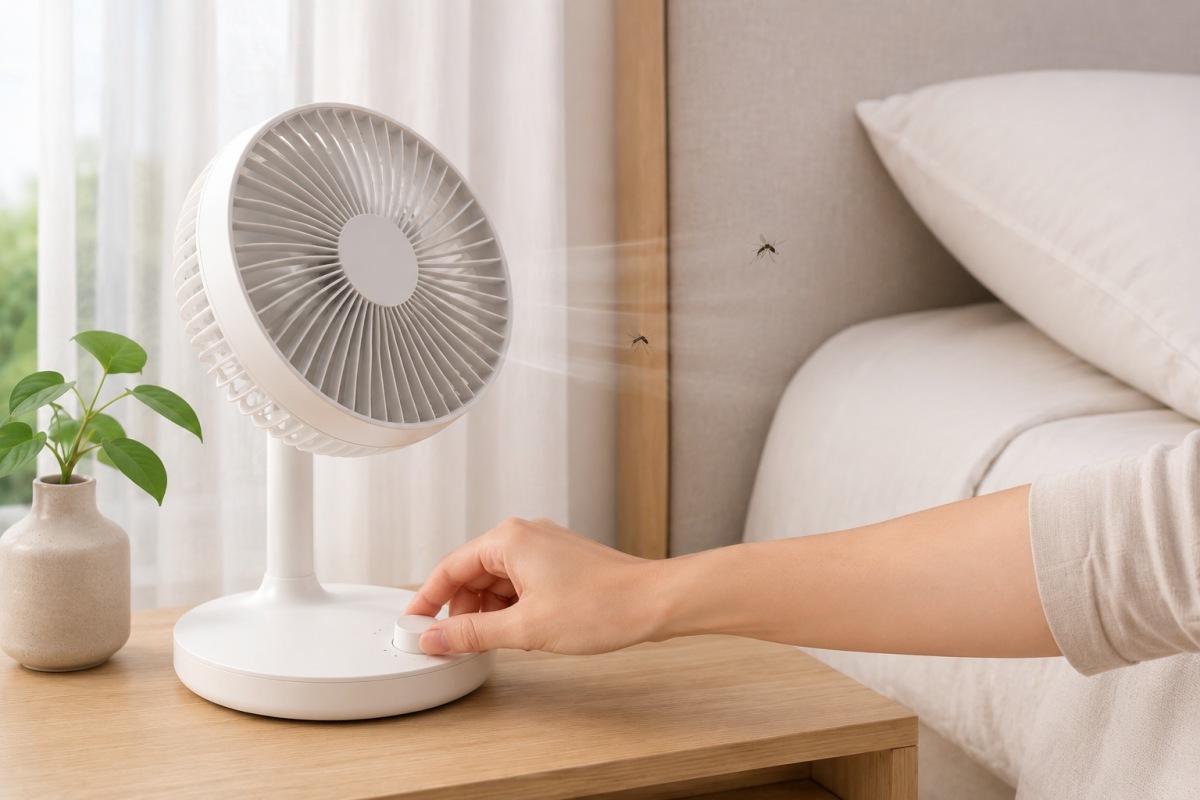
Don’t aim the fan directly at a person for long periods. Instead, angle it slightly toward a wall or ceiling so it circulates air rather than blasting someone. If you pair it with air conditioning, monitor room temperature so it doesn’t get too cold. In rooms with infants or elderly people, keep airflow gentle and watch for increased dryness during extended use.
Why managing drains and standing water matters
Catching adult mosquitoes isn’t enough. Standing water inside and outside the house provides sites for eggs and larvae. Even small amounts of water left to sit become breeding grounds. Check often-missed spots like plant saucers, empty containers on balconies, gaps in bathroom floors, and drain areas.
Bathroom and balcony drains are frequent mosquito entry and staging points. When grime builds up and moisture lingers, they become hospitable. Clean drains periodically and pour hot water down them to reduce eggs and larvae. Be cautious: very hot water may damage some pipes, and hot water can cause burns—don’t overdo it.
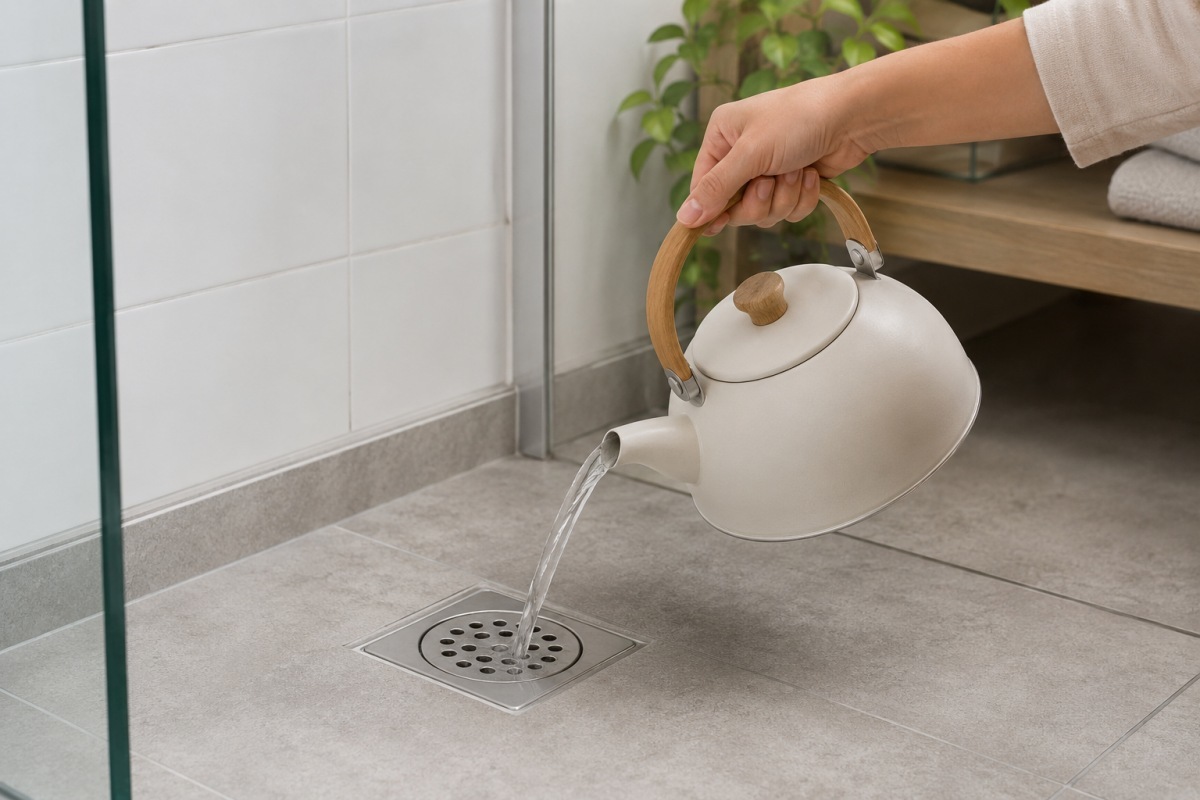
Empty plant saucers promptly. After watering, standing water in the saucer invites egg-laying. Check unused buckets, watering cans, empty pots, and shallow grooves on balcony floors. If window sills collect water after rain or cleaning, wipe them dry.
Indoor mosquito control begins with reducing moisture and standing water. Even multiple traps won’t stop mosquitoes if the home still offers breeding sites. Use soap traps to catch insects already inside, but treat drain and standing-water management as the primary prevention strategy.
Repel entry with cinnamon and seal gaps
Scent-based deterrents can reduce mosquito entry. Cinnamon is one option. Put whole cinnamon sticks in a small mesh bag or pouch and hang it near the front door, window sills, or balcony entrance to discourage insects at those access points. Replace sticks when the aroma fades.
You can also make a cinnamon infusion. Steep whole sticks in rubbing alcohol for 1–2 weeks, mix the infusion with water, and put it in a spray bottle. Lightly mist around screens, drains, and window frames to make the area less inviting. Test the solution on an inconspicuous spot first—cinnamon can stain light fabrics or wallpaper.
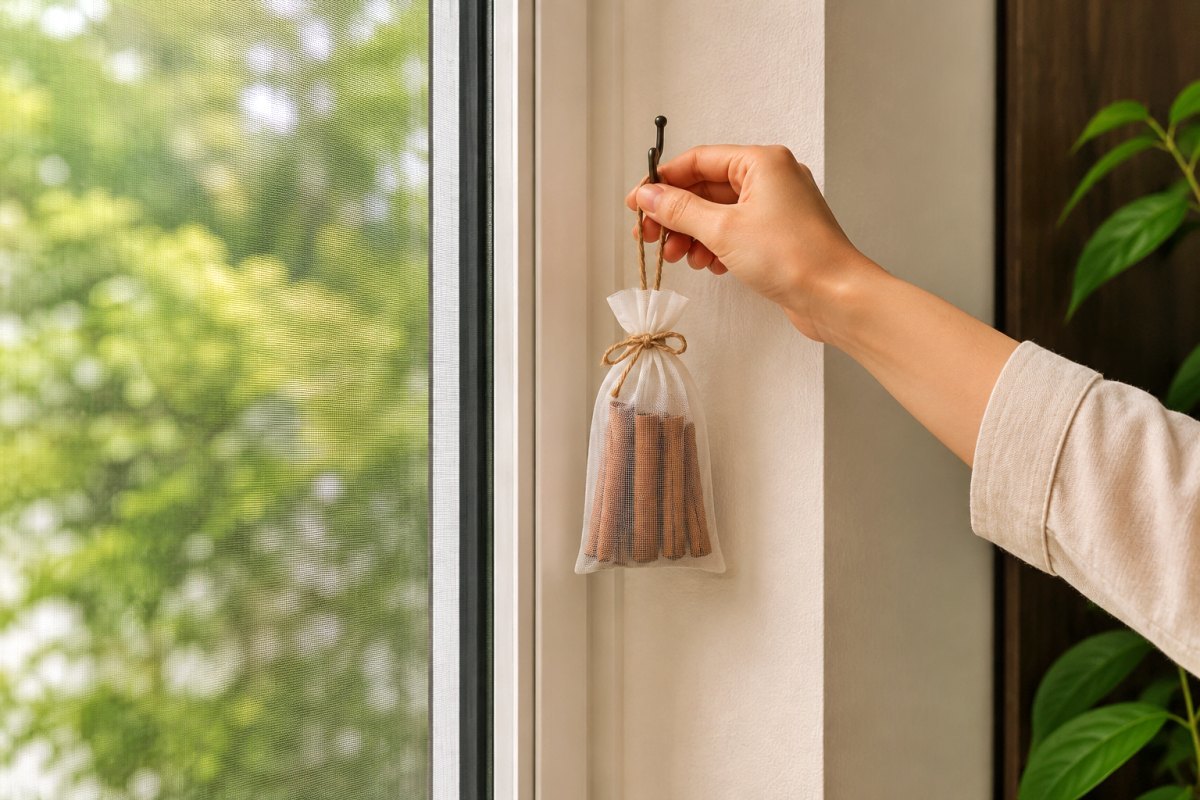
Inspect door and window gaps as well. Mosquitoes can slip inside during the brief moments doors are open. Replace or repair worn weatherstripping and seal gaps. Small holes in screens and drainage holes at the bottom of window frames are easy entry points. Applying screen-repair patches or adhesive screen strips can help block access.
If you ventilate frequently, check screens first. Even tiny holes let mosquitoes in. Make sure screen frames and window frames fit snugly and rubber seals aren’t peeling. Sealing these gaps makes traps and repellents more reliably effective.
Safe use of soap traps
Soap traps are simple, but left unattended they can create hygiene issues. Liquid traps with vinegar and sugar will get smellier and less effective over time—replace the contents every 2–3 days. Plain soapy water can collect dead insects and attract other pests, so empty and clean traps on a regular schedule.
When emptying a trap, pour the contents down the toilet or a drain and rinse the container thoroughly. If you reuse plastic bottles, clean sticky rims so no residue remains. Dried sugar water leaves a film that attracts dust or pests. Keep kitchen-area traps especially well maintained.
In homes with children or pets, choose trap locations carefully. Keep containers with soap, vinegar, and sugar out of reach—on high shelves, behind furniture, or in low-traffic corners rather than on the floor or beside a bed. When placing traps up high, use a stable base to prevent falls.
When you pair a lamp with a water trap, prioritize electrical safety. Keep bowls away from outlets, power strips, and cords. Position the light so it illuminates the bowl without touching it, and avoid placements where someone might bump it while sleeping. A heavier bowl reduces the risk of tipping compared with lightweight plastic ones.
Match traps to each room
You don’t need the same trap everywhere. In bedrooms, a light-and-soapy-water trap works well: lights gather mosquitoes, and the setup is easy to deploy before sleep and discard in the morning. Place it where it’s unlikely to be knocked over—at the foot of the bed or in a corner rather than beside the mattress.
In the kitchen, the vinegar-and-sugar bottle trap is more suitable. Food odors draw pests there, and this trap also helps control fruit flies and small flies. Keep trash lids closed and clear sink strainers regularly to boost the trap’s effectiveness.
For bathrooms and balconies, prioritize drain maintenance and removing standing water over traps. These spaces commonly hold water, so reducing breeding sites is key. Clean around drains, remove puddles from floors, and check screens and window gaps. Use traps as a backup, but focus first on lowering moisture where mosquitoes breed.







Most Commented