
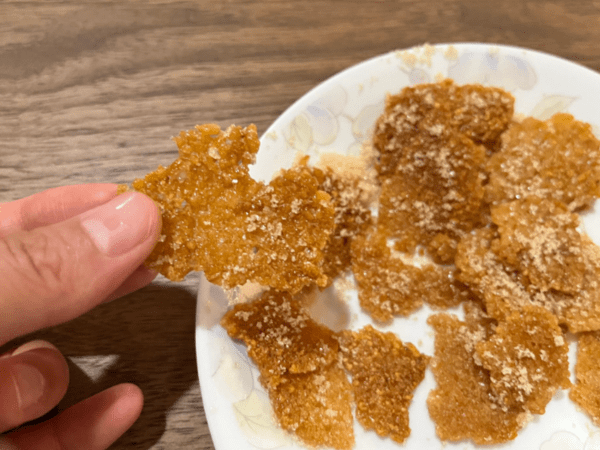
Most of us think of nurungji as a snack or a gentle comfort food. Typically, people simmer leftover nurungji from the bottom of the rice pot or soak it in water for a quick, no-fuss bite. But with just a few pantry staples, it easily becomes a much heartier meal: nurungji egg soup.
Toasty nurungji paired with silky eggs makes a bowl that’s soothing to the stomach and surprisingly filling. It’s simple to prepare at home and ideal for a cozy weeknight dinner.
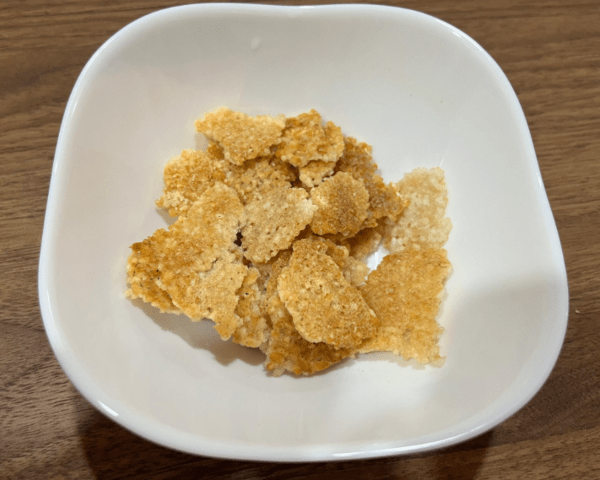
Why nurungji works so well in cooking
Nurungji forms when rice crisps against the pot, giving it a distinctive, toasty aroma. When simmered in water, it softens and releases a deep, savory flavor that infuses the broth.
That roasted depth pairs beautifully with broths and soups, and people often reach for it when they want something easy on the stomach. Used in porridge or soup, nurungji turns a few ingredients into a comforting, satisfying meal.
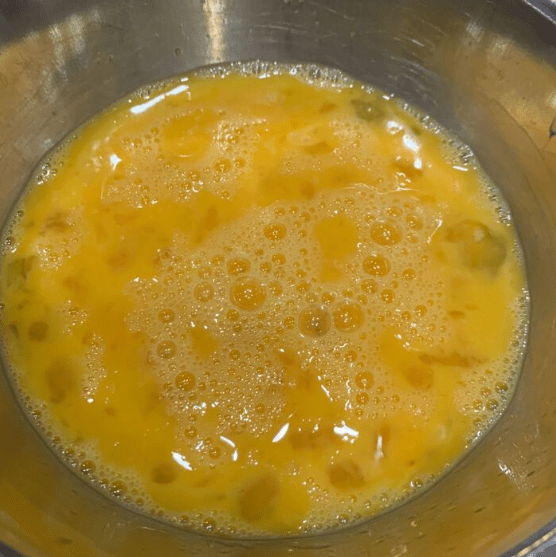
Adding eggs softens the texture
On its own, simmered nurungji has a pleasant roastiness but can feel a bit one-note in texture. Add eggs and the dish becomes much silkier. As the eggs gently set, they lend a creamy, savory richness to the broth.
If you let residual heat finish cooking the eggs, they spread into soft ribbons and improve the overall mouthfeel. That’s why many recipes add eggs at the very end for the best texture.
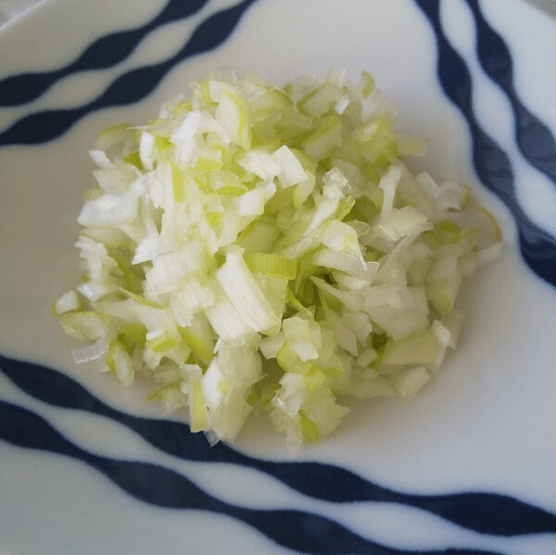
Why green onions boost the flavor
Green onions are a staple in broth-based cooking. The white part, especially, has a punchy aroma and a subtle sweetness that elevates the soup. Finely chop the white section and add it at the end to wake up the aroma and deepen the flavor profile.
When the nurungji’s nuttiness meets the eggs’ creaminess and the green onion’s fragrance, you get a deeply satisfying broth from just a few simple ingredients.
How to make nurungji egg soup
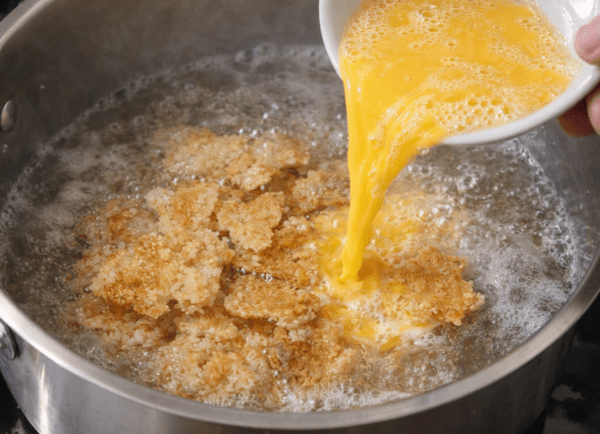
Begin by finely chopping the white part of a green onion. Beat 3 eggs in a bowl. In a pot, combine the nurungji and water, add 3 tablespoons of anchovy fish sauce, then bring to a boil. Once it boils, lower to medium heat and season with salt and pepper to taste.
When the nurungji has softened, turn off the heat and slowly pour the beaten eggs in a circular motion. Let the residual heat set the eggs for a moment, then stir in the chopped green onion to finish the nurungji egg soup.
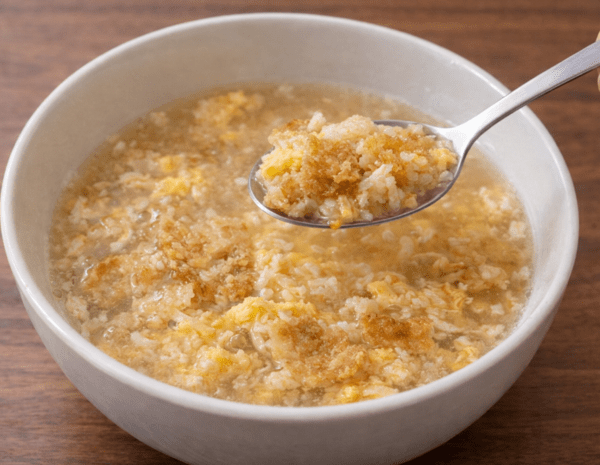
A warm, comforting bowl
Nurungji egg soup uses humble ingredients but delivers big flavor and satisfying comfort. It’s perfect when your stomach needs something gentle or when you want a light, cozy meal that still fills you up.
If you’ve only ever treated nurungji as a snack, try turning it into a soup—you can make it with what’s already in your kitchen for an instant, warming meal.





Most Commented