
Translation result
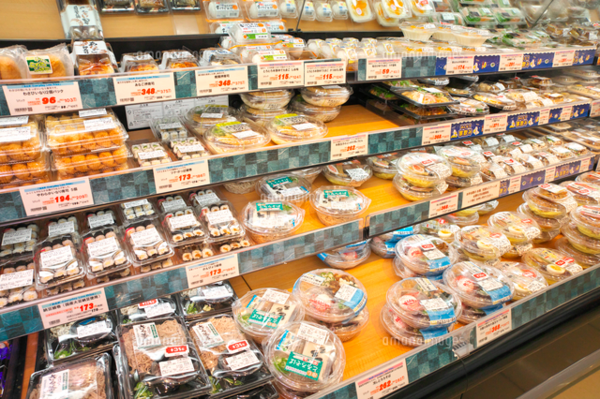
At many supermarkets, shoppers practically wait for the evening markdowns. Of all the discounted items, sushi with a sale sticker is the one that catches the most eyes — prices can drop by nearly half, so it’s an easy impulse buy. That said, plenty of people warn that bargain sushi can carry food-safety risks.
In fact, some supermarket employees say they tend to avoid buying sushi at closing time. The reason is simple. As time goes on, storage conditions can worsen and the risk of food poisoning increases. Fish-based items are especially sensitive to storage time and temperature.
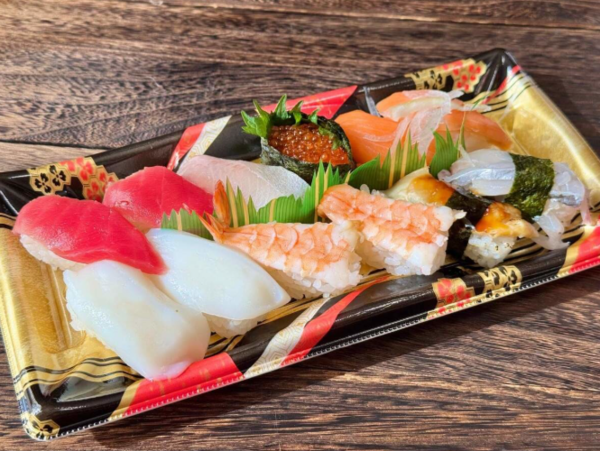
Sushi is more time-sensitive than you might think
Sushi isn’t just rice and fish mixed together — it’s a food that’s very sensitive to timing. Because raw fish and rice are combined, it can easily create conditions that favor microbial growth.
Most fish used for sushi is intended to be eaten raw, but that doesn’t mean it’s safe to leave at room temperature for long. Sushi is designed to be consumed quickly while it’s fresh.
Also, sushi rice is mixed with vinegar while it’s still warm, so it stays moist and nutrient-rich. Those conditions can be inviting for bacteria. For that reason, sushi is generally safest when eaten as soon as possible after it’s made.
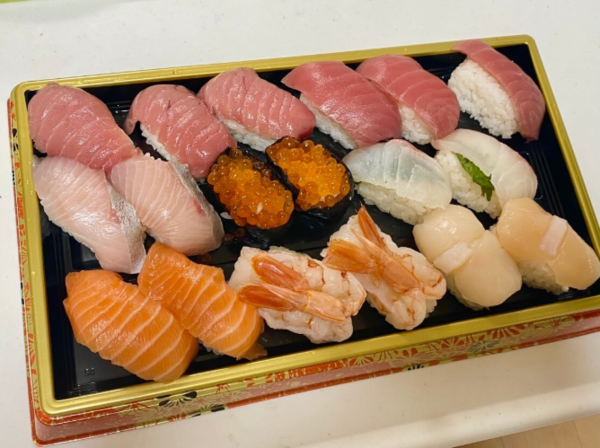
Why markdown sushi can be risky
Markdowns at supermarkets often start around 8 p.m. The issue is that the sushi may have been prepared many hours earlier in the day.
Many stores prepare sushi during lunch or the afternoon and leave it on display. Items that don’t sell get discount stickers in the evening.
Those trays may have been sitting out for several hours. Even refrigerated displays can experience temperature fluctuations depending on store layout, how often doors are opened, and display settings. If that happens repeatedly, microbial growth becomes more likely.
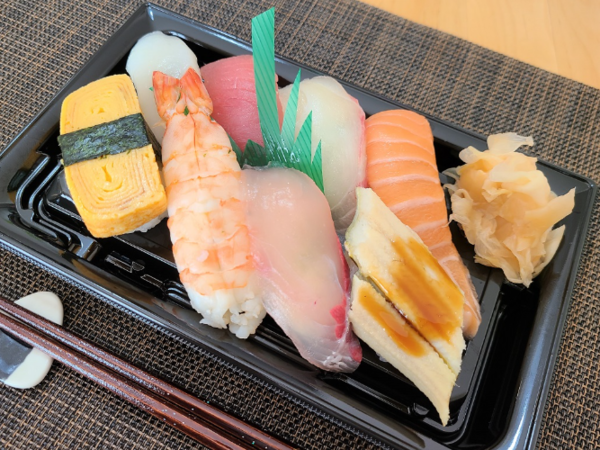
Fish-based dishes carry a higher food-poisoning risk
The defining feature of sushi is its raw fish. Fish is more sensitive to temperature changes than most meats.
Sashimi-grade fish isn’t cooked, so any bacteria present can remain alive. The longer it sits, the greater the chance those bacteria will multiply.
Packing fish together with rice also affects safety. Inside a sushi container, humidity can build up, and that environment favors microbial growth. That’s why it’s crucial to eat fish-based dishes while they’re fresh.
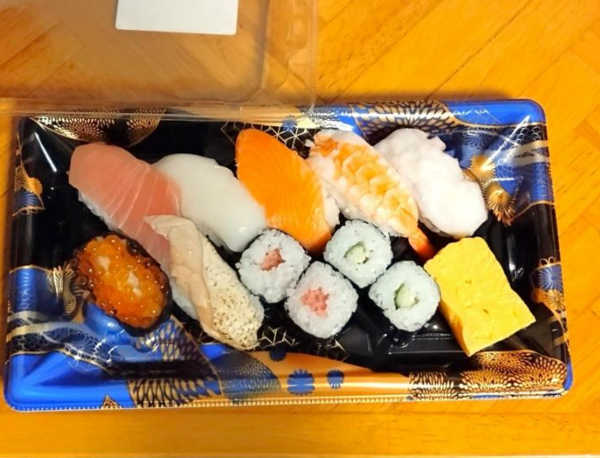
Why employees are cautious
It’s a common refrain among staff: they tend to be more wary of sushi than other markdown items.
Of course, not every discounted sushi is unsafe. But employees who know when items were made and how long they’ve been on the shelf are aware that some products may have been stored for extended periods.
That’s why, among marked-down foods, staff often prefer fried or fully cooked items over sushi. Their choices reflect an understanding of freshness and safety.
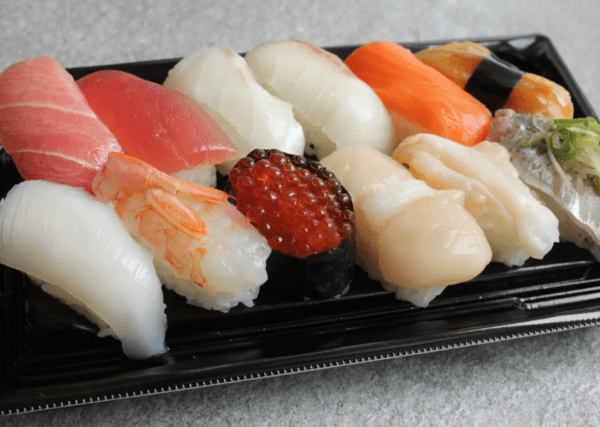
How to choose markdown items safely
Markdowns themselves aren’t a bad thing — they can be a smart way to save. The key is choosing the right foods.
Heated or fully cooked items are generally safer because you can reheat them. By contrast, raw items like sushi or sashimi depend entirely on freshness.
If you buy sushi on markdown, check the production time and only buy it if you can eat it right away. Don’t pick it just because it’s cheap; consider the food’s nature and how long it’s been stored. That’s the smarter way to shop.




Most Commented