
Spring’s Secret Ingredient: How to Make Delicious Garlic Chive Pickles for Your Table
Daniel Kim Views
Translation result
When spring shows up, the season arrives on the table, too. After months of preserved food through winter, small bursts of fragrant spring greens begin to appear. Among them, dallae — the sharp, appetite-awakening wild chive — really stands out.
Dallae is delicious stirred into doenjang soup or enjoyed as a seasoned side, but if you want to keep it longer, pickling it as jangajji is especially popular. Dallae jangajji is simple to make and lets you hold on to spring’s scent for weeks.
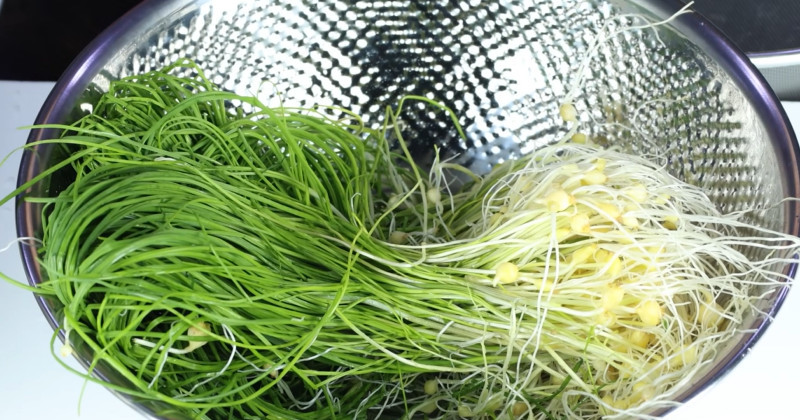
Dallae belongs to the lily family along with scallions and garlic, and it’s easy to spot in spring fields and gardens. It grows from small bulbs with long, narrow leaves poking up above the soil. It gives off a garlicky sharpness but tastes much milder and more fragrant — the kind of green that revives appetites dulled by winter, which is why it’s long been a springtime staple.
Because dallae pairs so well with seasonings, you can use it in many ways. Mix it with soy sauce, gochugaru (Korean red pepper flakes), and sesame oil to make a sauce for rice, or add it to doenjang stew or dallae soybean-paste soup. If you find a big haul at the market, pickling it into jangajji is an excellent way to extend its shelf life.
The biggest draw of dallae jangajji is that it preserves that distinctive scent while lasting much longer. Marinate dallae in a soy-sauce-based brine and you can enjoy it as a side dish for several weeks. A few strands over a spoonful of rice will instantly fill your mouth with the taste of spring.
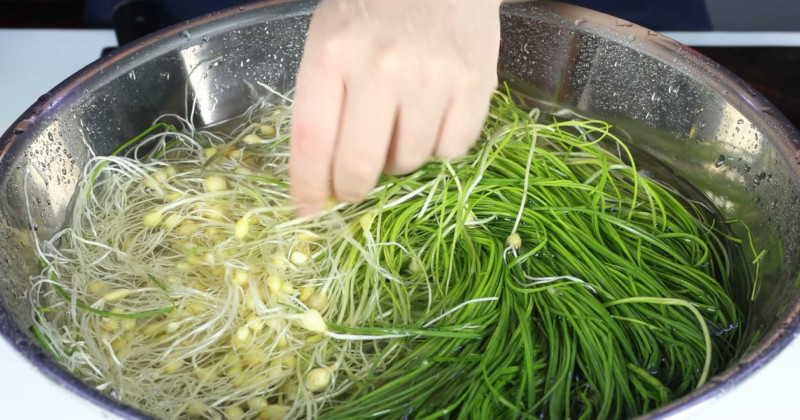
The most important step when making dallae jangajji is cleaning. Soil clings to the roots, so wash them thoroughly. Pull away any yellow or wilted leaves, then shake and rinse the roots several times to dislodge grit. Dirt often hides between the little bulbs, so rinse under running water until everything looks clean.
After washing, get rid of as much moisture as you can. Excess water can make the pickling liquid spoil faster. Spread the dallae on a colander or gently press with paper towels to dry. If the stalks are too long, cut them in half so they’re easy to eat.
The basic pickling liquid is made from soy sauce, vinegar, and sugar. Many people mix roughly equal parts, bring the mixture to a simmer, then let it cool before using. Adding a little garlic or cheongyang pepper deepens the flavor. Boiling the brine and cooling it helps reduce bacterial growth and improves how long it keeps.
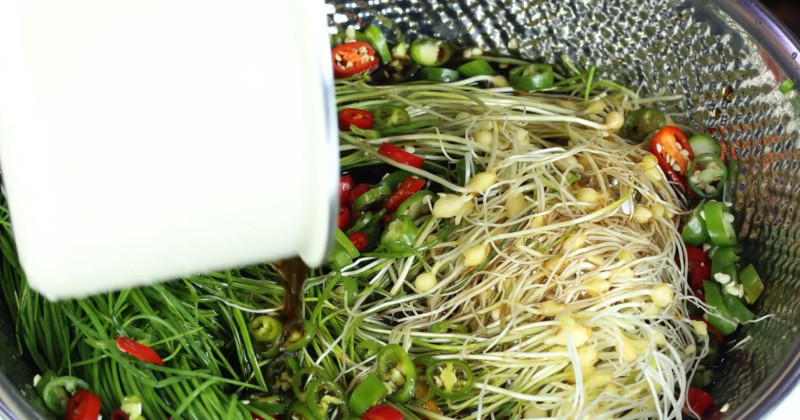
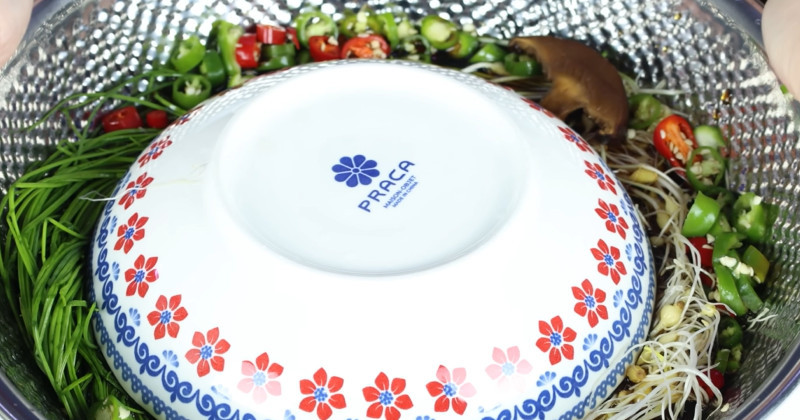
Pack the prepared dallae into an airtight container, pour the cooled pickling liquid over it, and you’ve got a basic dallae jangajji. Let it sit at room temperature for about a day, then refrigerate to let the flavor settle. In two to three days, the dills will have absorbed the seasoning and be ready to enjoy.
Dallae jangajji deepens in flavor over time. At first, the dallae’s aroma is sharp; after a few days, it blends with the soy brine for a smoother, rounder taste. It’s perfect as a rice side and also pairs beautifully with grilled or roasted meats.
You can also give it a spicy kick by adding a bit of gochugaru. A touch of red pepper powder in the soy brine will tint the mix slightly red and add heat. When you don’t have much appetite, a spoonful over rice can do wonders.
Dallae jangajji is versatile in the kitchen. Finely chop it into bibimbap for an extra fragrant note, serve it alongside tofu or boiled meats for a quick side, or place it atop cold noodles for an interesting twist.
From a nutritional standpoint, dallae is an excellent spring ingredient. It’s rich in vitamins and minerals that help replenish nutrients people often lack after winter. The compounds that give dallae its signature aroma are sulfur compounds similar to those in garlic, and they’re believed to help stimulate the appetite.
Dallae has long been called a “herald of spring.” After a cold winter, it’s one of the first fresh ingredients to appear on the table when warmer winds arrive. Pickling it as jangajji lets you savor that spring scent even after the season ends.
These days, cooks are experimenting beyond the traditional recipe. Some add maesil syrup or a bit of fish sauce to boost umami, while others simmer the brine with kelp or anchovies to deepen the flavor. Every household tweaks the recipe to suit its tastes, and that variety is part of the charm of dallae jangajji.
Because dallae is only in peak season for a short time, it’s worth enjoying it properly while it’s fresh. Pickling fragrant dallae as jangajji gives busy weeknight meals a simple, seasonal lift. That bright, springtime flavor is why so many people seek out dallae when the season arrives.
Get your daily personal horoscope report! How will your day go?




Most Commented