
Translation result
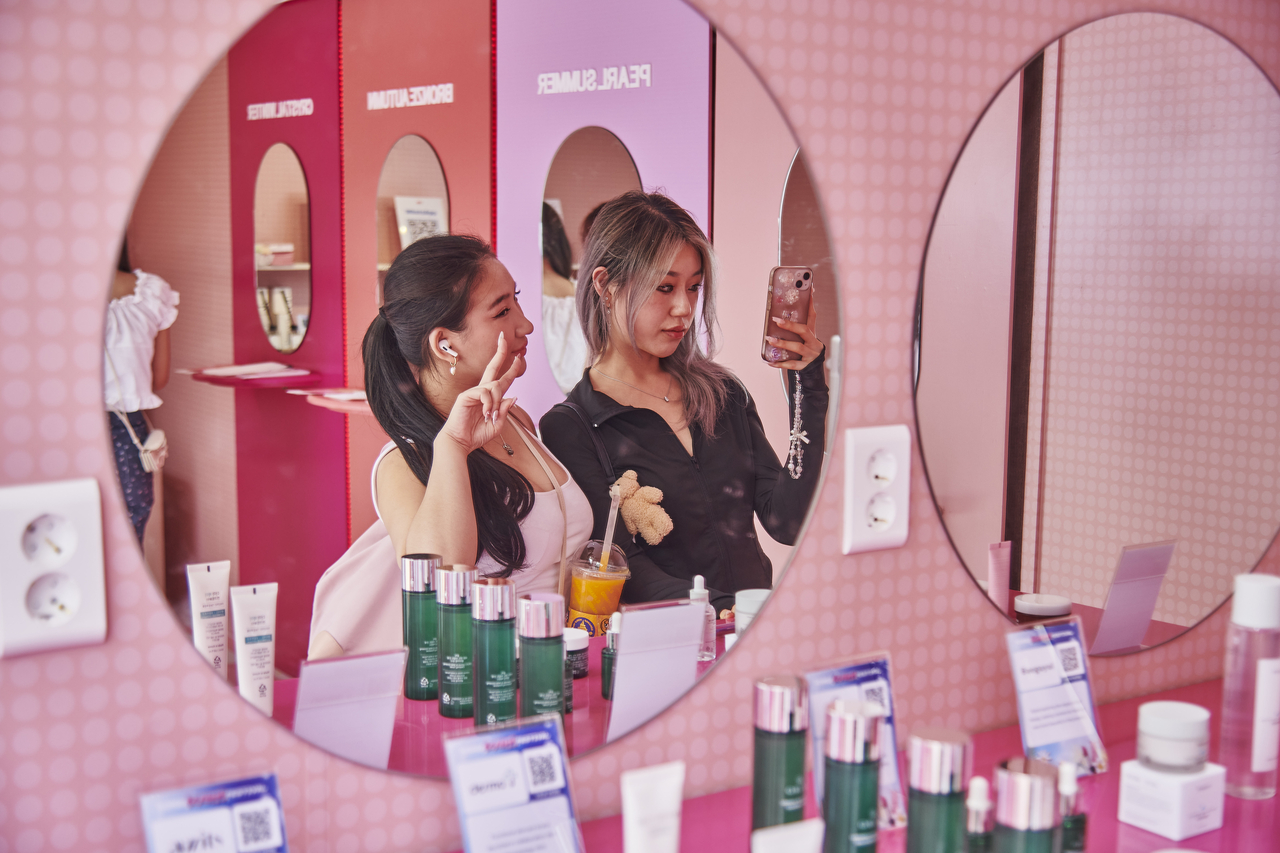
[Herald Economy=Reporter Ham Young-hoon] Seoul fever is spreading. More travelers are becoming full-blown Korea superfans—much like the way devotees fall hopelessly for Paris or Prague. A clear pattern has emerged among these Korea-loving visitors. They indulge in K‑food—especially fried chicken and other meaty dishes—and cap off their trips with K‑beauty experiences at dermatology clinics and cosmetic surgery centers just before heading home. The traditional beauty hubs are shifting: Gangnam’s dominance is loosening as Hongdae and Myeong-dong rise in popularity. In short, Korea’s superfans no longer stick to one neighborhood—they hop around, sampling the best spots. Orange Square, the operator of the all-in-one foreign-visitor payment platform WOWPASS, released an analysis of K‑food and K‑beauty spending trends on the 17th based on 2025 payment data. WOWPASS is a respected inbound-curation firm that’s even been named a Star of Korean Tourism. The data show that chicken reigns supreme among foreign visitors’ K‑food purchases. By payment volume, BHC Chicken came in first. Jinhalmae Wonjo Dakjip, famous for its whole-chicken dakhanmari, took second. Beef specialist Yeongcheon Yeonghwa Meat Restaurant ranked third, Odarijip’s soy‑sauce crab placed fourth, and yukhoe specialist Buchon rounded out the top five.
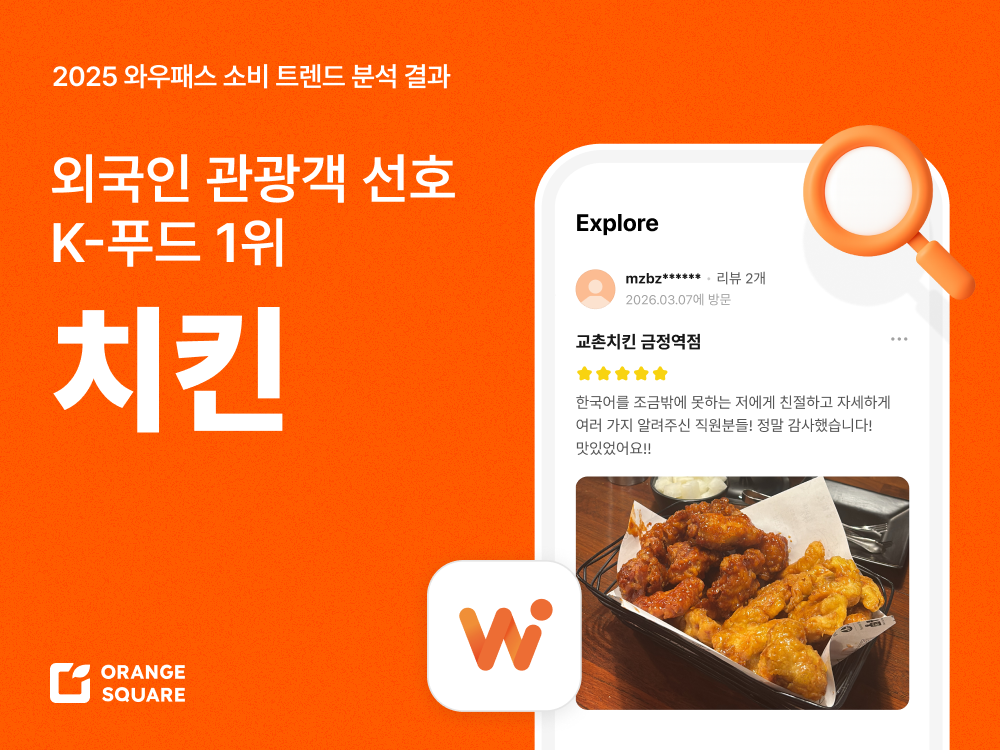
Preferences varied sharply by visitors’ home regions. Japanese and North American tourists gravitated toward grilled meats; visitors from Taiwan and Hong Kong preferred eel dishes; and Chinese tourists spent more on gukbap (soup with rice). Interestingly, German tourists bought a lot of kimbap—analysts think that’s partly due to interest in Korean food sparked by last year’s hit K‑content, K‑pop Demon Hunters. Meal-time choices also tell a story: visitors tend to pick light pastries and coffee for breakfast, but they overwhelmingly choose Korean dishes for lunch (63%) and dinner (75%), showing they’re here to taste authentic Korean flavors. Medical spending tied to K‑beauty tends to happen toward the end of trips. When researchers divided trips into 20 segments, dermatology and cosmetic surgery payments peaked in the final stretch—right before departure (10%). Travelers call this the “beauty closing”—the perfect moment to show up to meet-and-greets and say, “Look at me—I came back from Korea and I’m different,” before they even wash up. This late‑trip pattern appears across regions: Taiwan (20%), China (16%), Hong Kong (14%), Japan (10%), and visitors from Europe and North America (10%) show similar behavior. Analysts suggest tourists schedule procedures late to avoid swelling or temporary discomfort spoiling their sightseeing. The logic is simple: focus on experiences early, get treatments just before you leave, and recover comfortably back home.
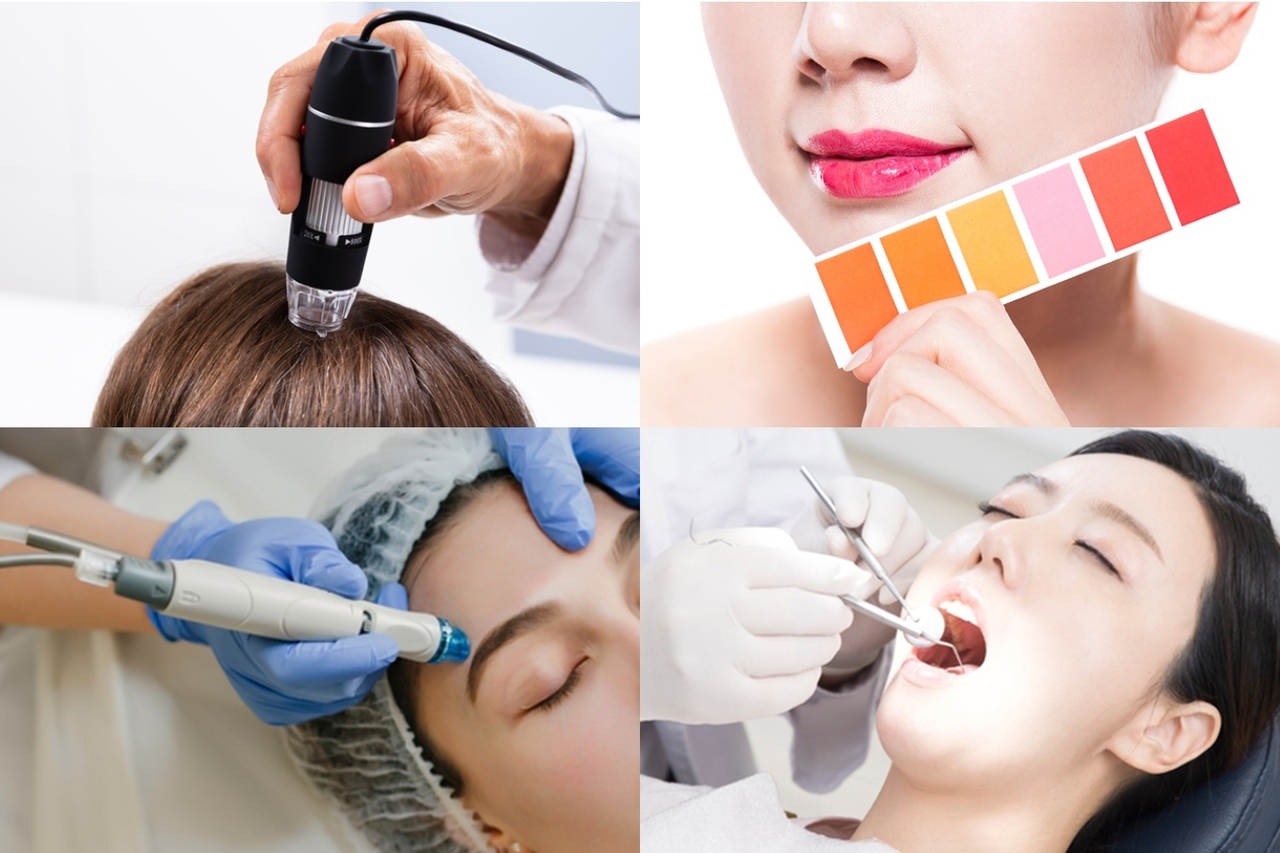
While medical payments remain concentrated in Gangnam and Seocho, Mapo and Jung districts posted the fastest growth. From 2024 to 2025, payments in Gangnam/Seocho rose 60%, but Mapo (including Hongdae) jumped 122% and Jung (including Myeong-dong) climbed 119%. That suggests tourists’ accommodations and main activity areas have moved more into Mapo and Jung, improving access to medical services. As clinic visits increased, pharmacy spending—an associated expense—surged 222% year‑over‑year, underscoring the spillover effect of K‑medical tourism. Lee Jang‑baek, CEO of Orange Square, said WOWPASS payment data can analyze visitors’ real‑time movements and purchase psychology based on demographics like nationality, gender, and age. He expects that strength to serve as a key guide for shaping future K‑tourism strategy.





Most Commented