
Translation result
You might stroll right past it without a second glance, but in March and April this roadside wild green turns into one of spring’s best tonics: godeulppaegi.
Godeulppaegi commonly grows along roadsides and field edges and often looks like a weed. Still, the young shoots that pop up in early spring offer a pleasant bitterness and rich, savory depth. The young leaves and roots harvested in March and April are especially tender and nutrient-dense, which makes them a seasonal restorative.
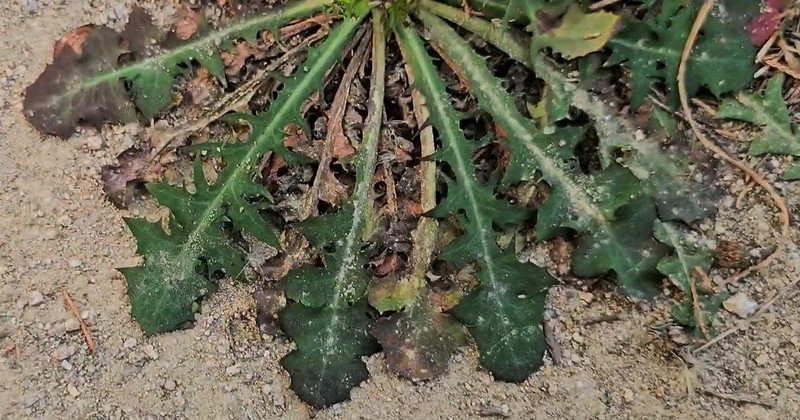
The most distinctive thing about godeulppaegi is its bitterness. That tang isn’t just a flavor quirk — it comes from healthful compounds. Godeulppaegi contains bitter substances like lactucin, which stimulate digestive secretions and help activate stomach function. That’s why it’s great at waking up the appetite in spring, when many people find their appetites have dulled.
Godeulppaegi can also support liver health. It contains components that aid detoxification and help flush out waste built up over winter. Packed with vitamins and minerals, it helps fight fatigue and boosts immunity. With plenty of vitamin A and dietary fiber, it’s also considered beneficial for eye and gut health.

To enjoy godeulppaegi at its best, timing and prep matter. Harvest before flower stalks rise — when the plants are short and the leaves are tender. Wait too long and the leaves get tough and the bitterness intensifies. And always avoid picking near busy roads or contaminated areas; opt for a clean spot.
Cleaning is key. Because people often eat the roots as well, be meticulous about removing soil. Rinse under running water several times. If needed, soak briefly so the dirt settles, then give them another rinse.
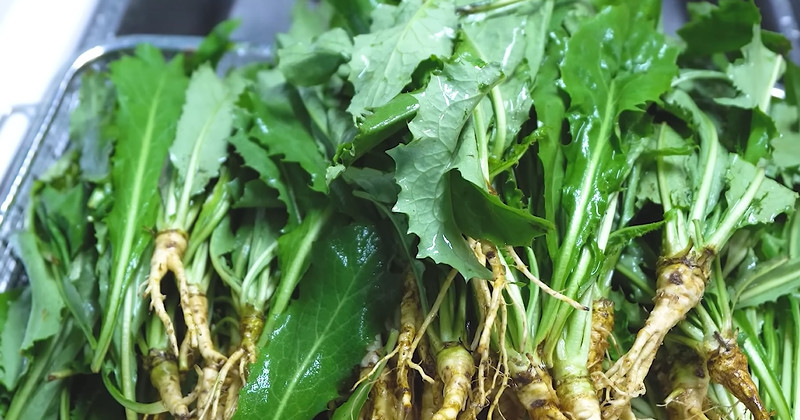
Tempering the bitterness is part of the process. Raw godeulppaegi can be quite strong, so people usually soak it in salted water or blanch it briefly. Add a pinch of salt to boiling water and blanch for about 30 seconds, then plunge into cold water to soften the bitterness. If the bitterness still feels sharp, soak in cold water for 1–2 hours.
The classic dish is godeulppaegi muchim. Squeeze the water from blanched godeulppaegi, then toss with soy sauce, gochugaru (Korean chili powder), minced garlic, sesame oil, and toasted sesame seeds. A little plum syrup or a touch of sugar cuts the bitterness and adds umami. For a deeper, earthier note, mix in a small spoonful of doenjang (fermented soybean paste).
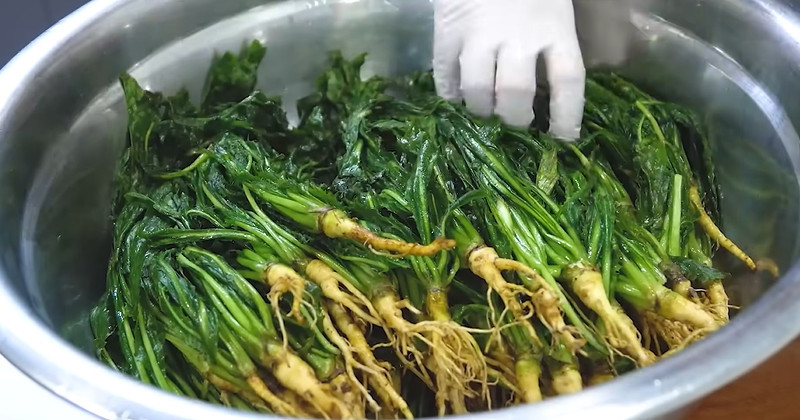
Another great option is godeulppaegi kimchi. Fermented in spring, its characteristic bitterness mellows and transforms into deep, complex flavor. It’s a versatile side dish for rice and tends to develop even more character over time.
Freshness matters for storage. If you store it raw, wrap it in a damp kitchen towel and refrigerate, and eat within 2–3 days. For longer storage, blanch, remove excess moisture, and freeze. Or preserve it as kimchi to extend its shelf life.
Your daily personal horoscope report! How will your day go today?





Most Commented