
Your Ultimate Guide to Myeongranjeot: Health Benefits, Recipes, and Storage Tips Revealed!
Daniel Kim Views
Translation result.
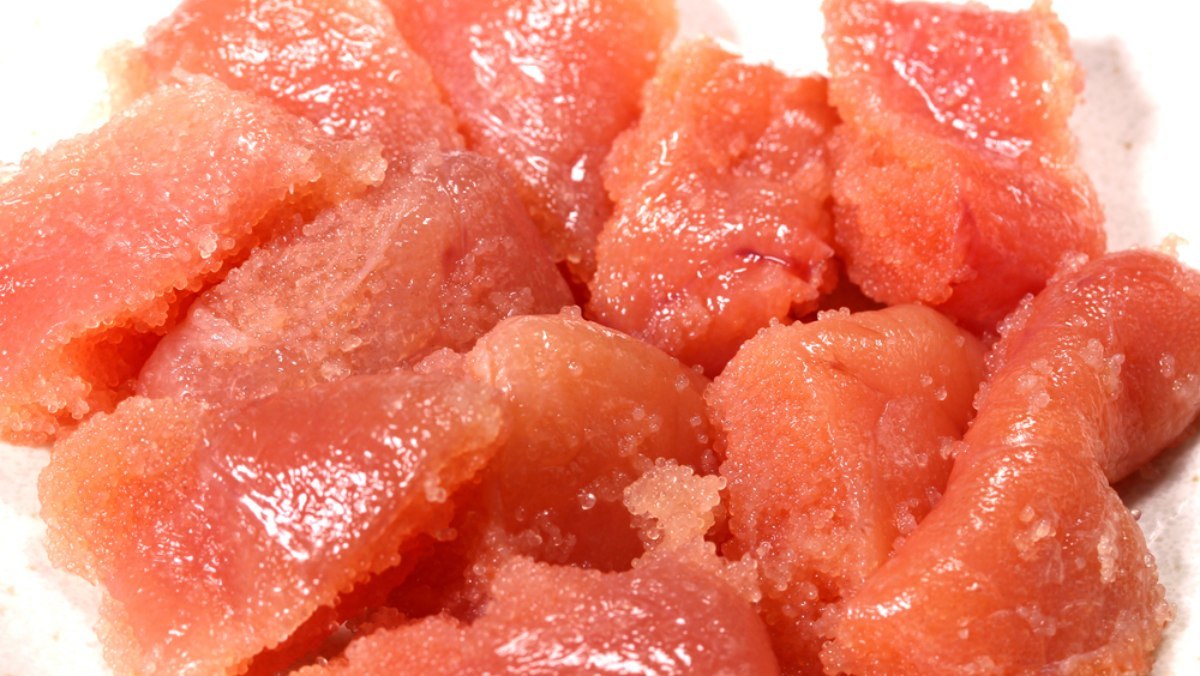
When warm spring breezes blow and your appetite feels off, one bite that often fixes everything at a Korean table is myeongran-jeot (salted pollock roe).
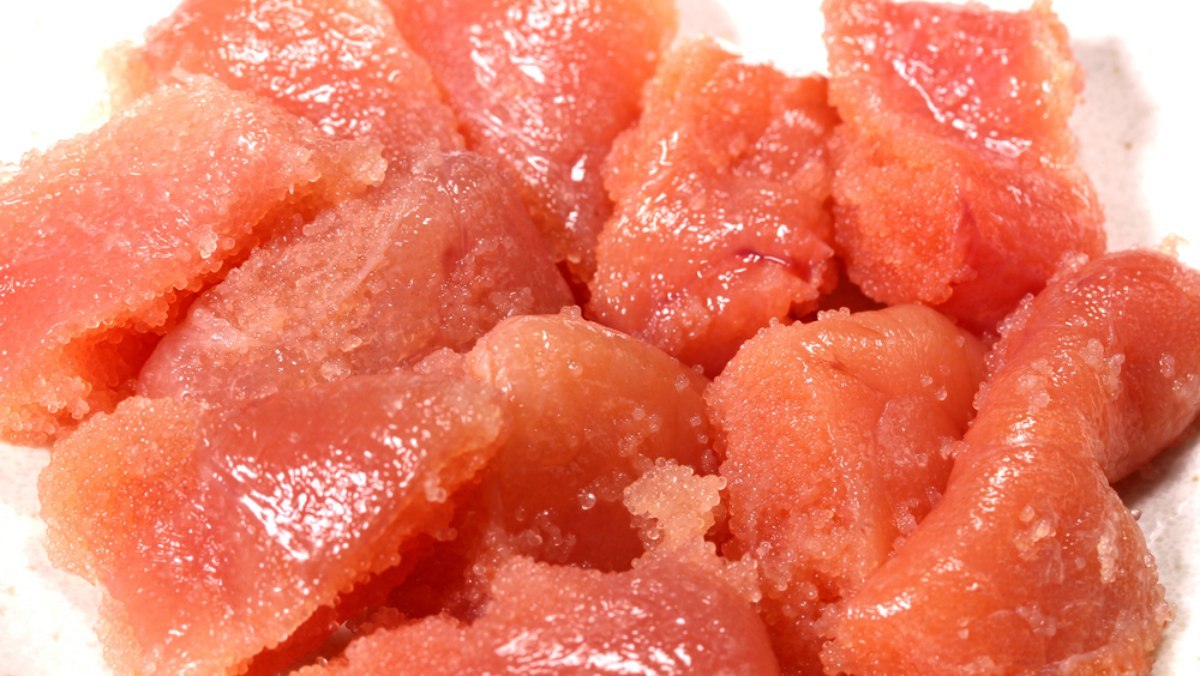
Salty, nutty and delightfully poppy in the mouth, myeongran-jeot has moved beyond Korea to win fans around the world. But few people know where this red gem actually came from or the story of how it evolved. Myeongran-jeot is a traditional Korean fermented food made by salting pollock roe, and its origins trace clearly to the Korean Peninsula. The Joseon-era cookbook Siuijeonseo records detailed methods for making it, and historical sources like the Annals of the Joseon Dynasty show that pollock and its roe were long prized by our ancestors.
Surprisingly, Japan’s beloved mentaiko started in Korea too. Kawahara Toshio, a Japanese man who grew up in Busan during Japan’s colonial rule, returned to Japan after liberation unable to forget the bold flavors of Korean roe. He adapted the Korean style for Japanese tastes—adding seasonings like chili powder—and that innovation eventually became Fukuya, which grew into Japan’s largest mentaiko company.
Even the name mentaiko—derived from the Japanese pronunciation of the Korean myeongtae (明太)—makes its roots obvious. Myeongran-jeot is the product of generations who preserved scarce marine bounty with salt and care; its irresistible flavor is a perfect example of a local food turned international favorite.
One roe, the sea’s nutrition
Myeongran-jeot isn’t just a crave-worthy side—it’s nutrient dense. Pollock roe delivers protein and a mix of vitamins that can perk you up when you’re feeling sluggish.
Roe contains vitamins A, B1, B2 and E—vitamin E helps slow cellular aging, while vitamin A supports eye health. Omega fatty acids like DHA and EPA benefit brain function and vascular health, and taurine can help reduce fatigue and support liver function. All together, it’s a smart, nutrient-rich choice for busy modern lives.
Of course, the salty nature of jeotgal raises sodium concerns. Excessive sodium intake can be harmful, so many low-sodium versions are now available. To enjoy myeongran more healthfully, serve it with potassium-rich vegetables—cucumber, onion or lettuce—whose fiber and potassium help the body excrete excess sodium and rebalance nutrients. When introducing roe to kids, start with a very small amount to check for sensitivity, and avoid overcooking so the eggs stay tender and pleasantly chewy.
From crowd-pleasing recipes to tips for choosing and storing fresh roe
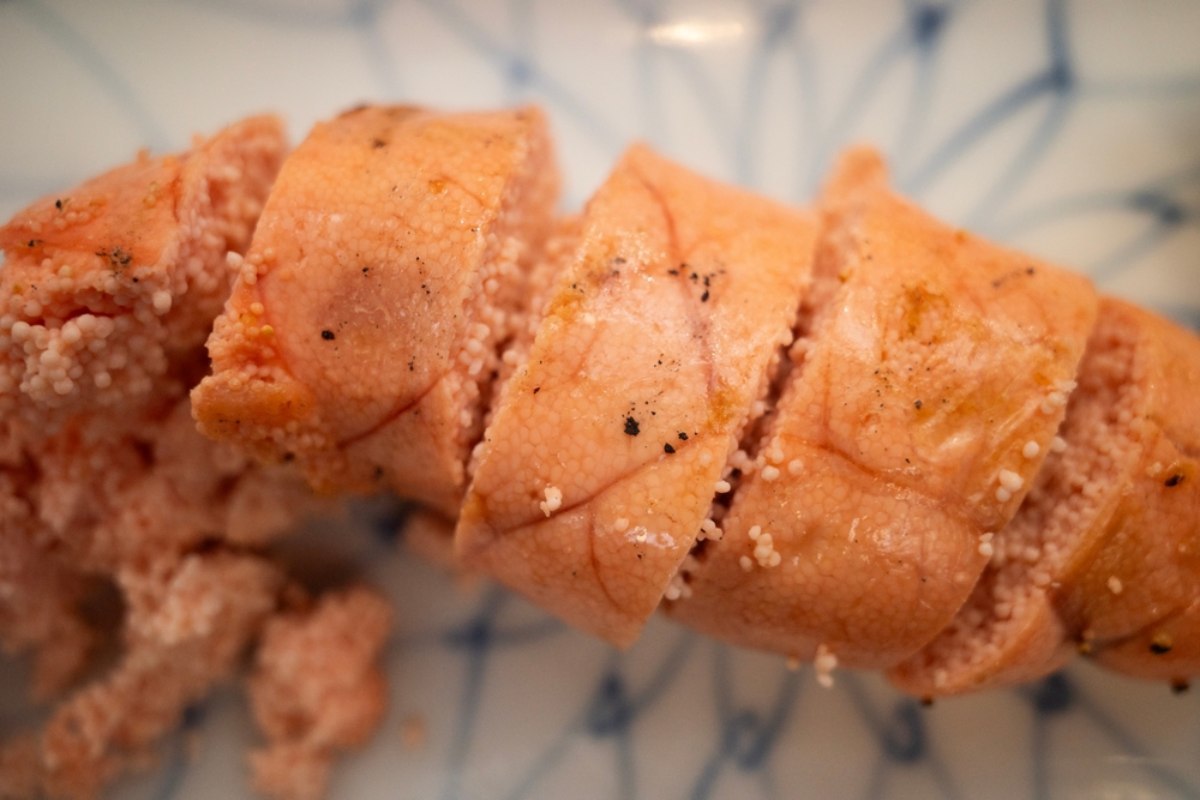
Picking fresh roe is step one. Choose plump, firm sacs with an intact thin membrane. A light pink hue rather than an unnaturally deep red usually signals less artificial coloring and a fresher product. For storage, freshness matters: refrigerated roe is best consumed within a week. For longer storage, wrap single portions and freeze them. Thaw frozen roe slowly in the refrigerator before cooking to preserve its chewy texture and savory flavor.
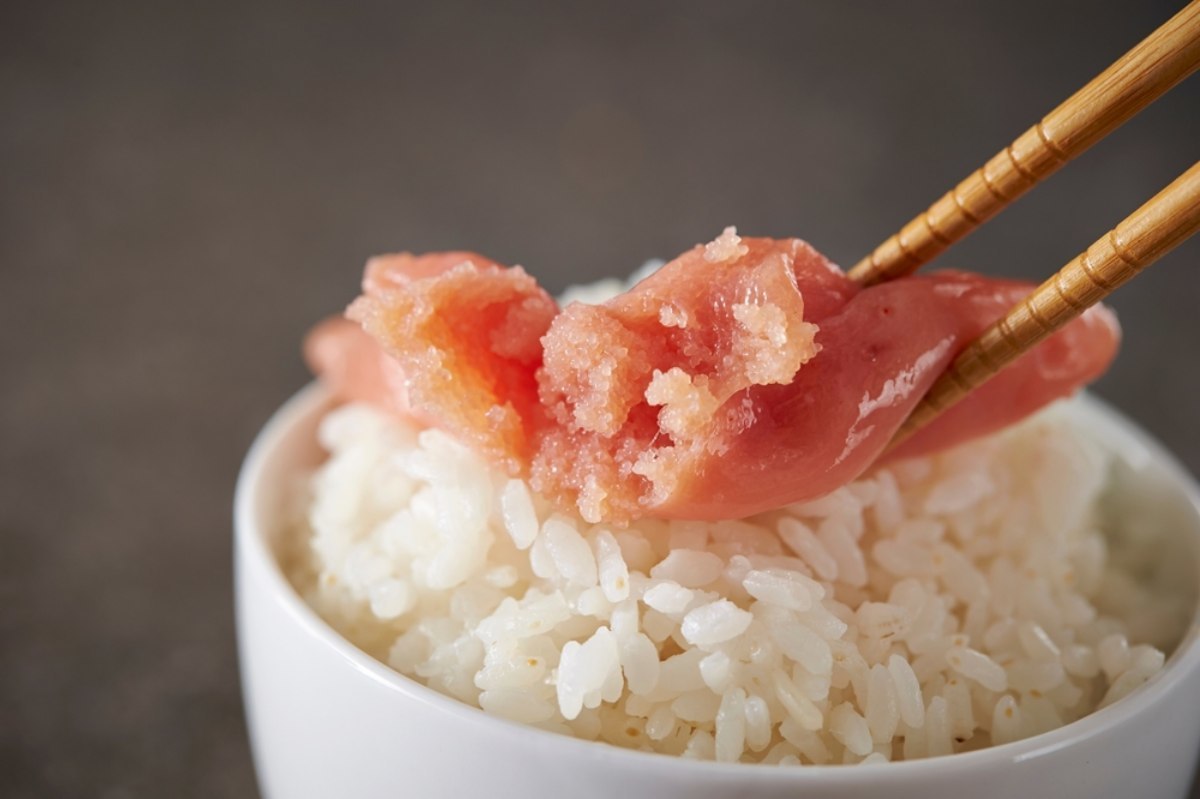
Myeongran-jeot is delicious on its own, but it really shines as an ingredient. A classic method is to score the membrane, scoop out the roe, and toss it with nutty sesame oil, minced garlic and chopped scallions—an unbeatable match for a steaming bowl of rice. For a Western twist, sauté myeongran with garlic and olive oil to toss with pasta for an elegant, umami-packed dish. Swap salt for myeongran in steamed egg custard (gyeran-jjim) to draw out deep oceanic savor without artificial additives. Succinic acid, a natural compound in the roe, amplifies savory notes and helps even novice cooks produce impressive results.
Myeongran-jeot is the distilled wisdom of ancestors who turned pollock roe into a preserved treasure. Its journey to Japan and its rise as a global delicacy showcase the strength of our culinary heritage. Tonight, why not grab a fresh pack of roe from the grocery store?
Top a steaming bowl of rice with a sesame-oil–dressed slice of myeongran and feel the power of a truly native flavor. A meal made with care can give you the fuel to tackle tomorrow—so revisit myeongran’s place on your table and savor a healthy dinner touched by the sea’s freshness.






Most Commented