
Translation result
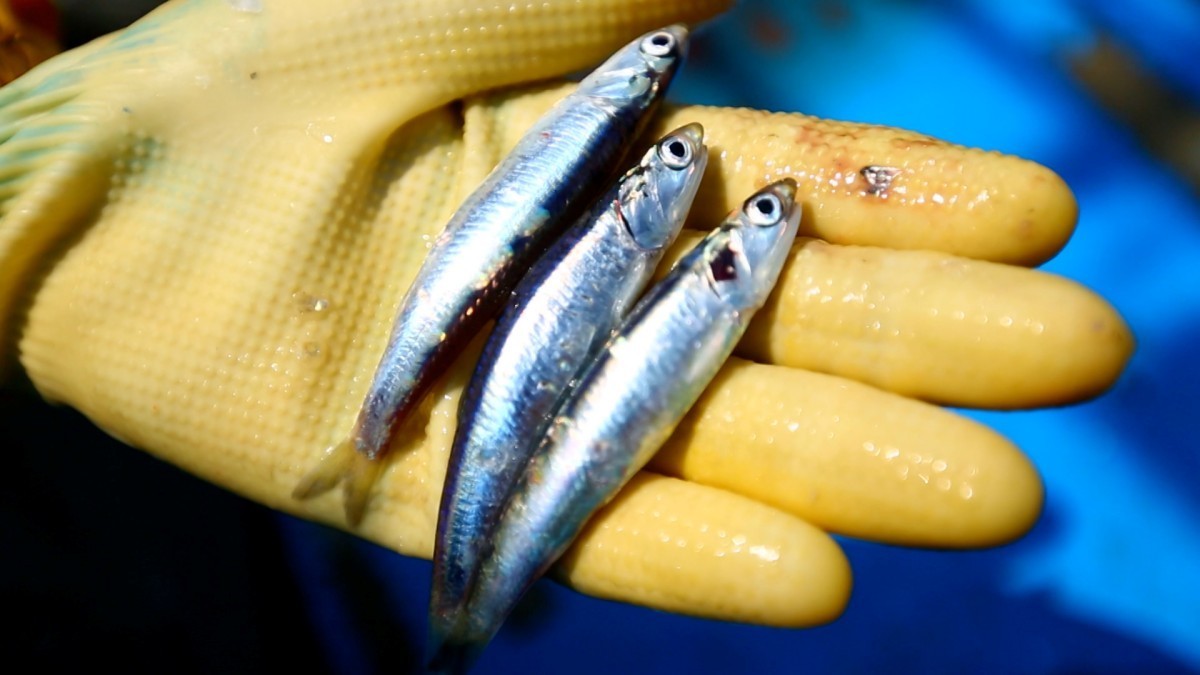
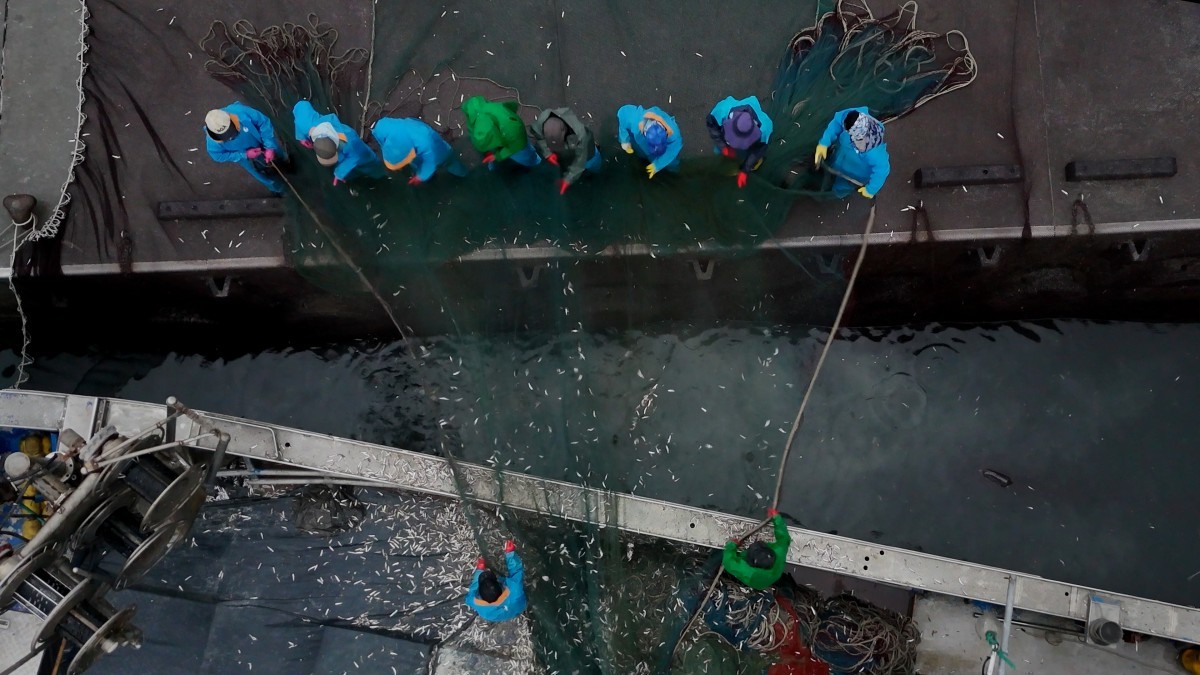
In the fourth episode of EBS1’s Korean Travelogue, If Not Now, You Can’t Eat It, the show lands at Oepo Port in Geoje, South Gyeongsang Province—right in the thick of spring anchovy season. Captain Shin Gyeong-hwan and his crew, now six years into anchovy fishing, haul in a yujamang net that stretches more than a kilometer, offering an up-close, high-energy glimpse of life at sea.
The freshly caught spring anchovies are sent to Isudo, nicknamed the \”island that feeds you well.\” There, guesthouse owner Jeong Seo-woon plates a full spring anchovy spread—anchovy sashimi salad, braised anchovies, and anchovy jeotgal (fermented anchovies)—highlighting the season’s best flavors.
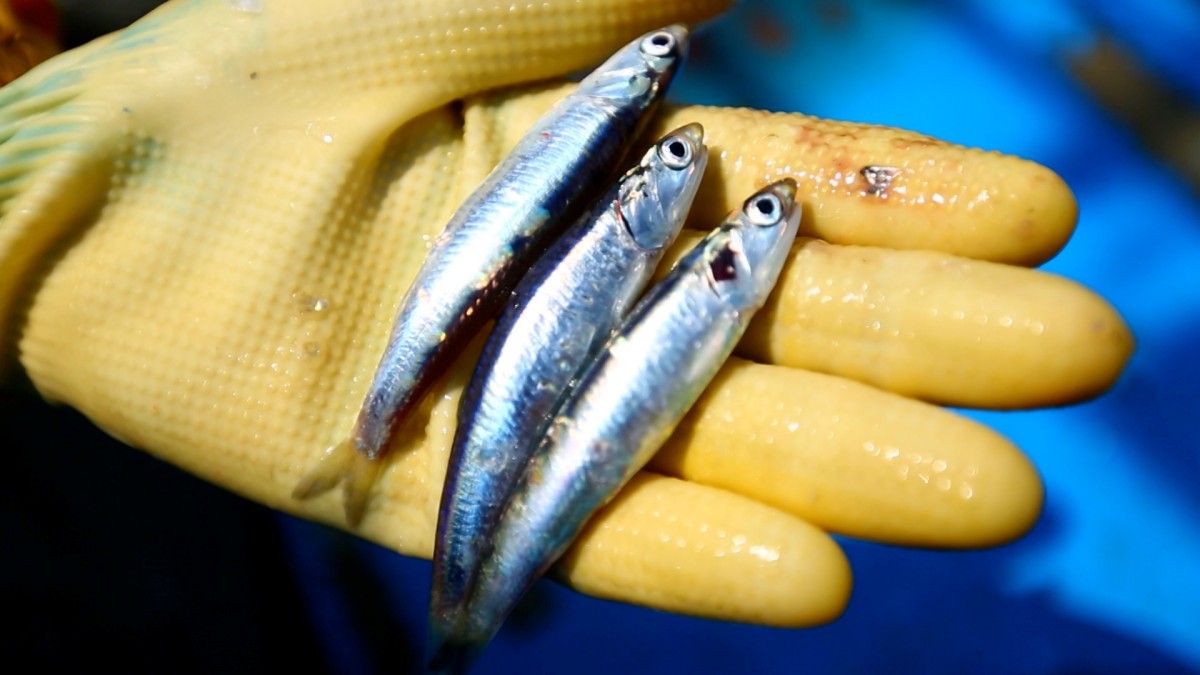
◈ ‘Korean Travelogue’ If Not Now, You Can’t Eat It — Episode 4: Have You Tried Spring Anchovies?
With the arrival of spring, Oepo Port in Geoje becomes a picturesque scene. Fishing boats line the harbor as crews hustle to catch the season’s star: spring anchovies. Anchovies are a staple side dish in Korea and are available year-round, but in spring they shine. During this season the fish are larger and fresh enough to enjoy raw, which many consider a true delicacy.
Captain Shin has spent more than 40 years connected to the sea. He began working on deep-sea fishing boats at a young age to help support his family and gradually built a life in the maritime industry. Although he has six years of experience specifically in anchovy operations, he still calls himself a novice captain. On deck, the crew calls out in rhythm as they heave a massive yujamang net—over a kilometer long—until it trembles with a shimmering school of silver anchovies.
The catch heads to Isudo, famous for its one-night, three-meal guesthouse stays. Jeong, who has run a guesthouse there for nearly ten years, turns the anchovies her husband brings in into a seasonal feast. From anchovy sashimi salad to braised anchovies and anchovy jeotgal, she captures the rich, oily flavor that only spring anchovies can offer. This annual spring fishery at Geoje’s Oepo Port is a rhythm of life tied to the seasons—and it looks likely to continue as fishermen keep pace with nature’s cycles.
◈ Spring-Prime Anchovies: Their Role and Characteristics on the Korean Table
Anchovies belong to the Engraulidae family and are a common small fish caught along Korea’s coasts. They typically measure about 5–10 centimeters (roughly 2–4 inches) and move in large schools as migratory fish. They favor nearshore waters and shift their range based on water temperature and food availability.
In Korea, anchovies are mostly distributed in dried form. After being caught, they are often boiled and dried to remove moisture and extend shelf life. Dried anchovies can be stored at room temperature for a while, but because they contain fat, refrigeration or freezing is usually recommended to prevent rancidity.
Anchovies are sorted by size and culinary use. Larger anchovies are prized for broth—used to make stocks that form the base of many soups—mid-sized fish are ideal for braises or stir-fries, and the smallest ones are served as everyday side dishes. These distinctions come naturally from the fish’s growth stage and the timing of the catch.
Nutritionally, anchovies are high in protein. Because they are often eaten whole, they are also a good source of calcium. Food composition data show that 100 grams of dried anchovies contain substantial protein and calcium—higher calcium levels than many other fish. Anchovies also provide omega-3 fatty acids and taurine.
The quality of anchovies varies by season. In Korea, their prime season runs from spring into early summer—especially April through June—when they build up nutrients before spawning. During this time the fish grow plump and fattier, and anchovies caught then dry into superior products. After spawning, their condition and marketability can decline as they lose strength.
Anchovies are a foundational ingredient in Korean cuisine. They are widely used to make broths for dishes like kimchi jjigae, doonjang jjigae, and other soups. They also appear as seasoned stir-fried side dishes flavored with soy sauce or gochujang. Beyond simple banchan, anchovies act as a basic building block across many recipes.
Anchovies are consumed widely beyond Korea—in Japan and across Southeast Asia as well. Besides dried anchovies, they are processed into fish sauces and fermented seasonings, so their culinary forms are diverse. These uses reflect the species’ small size, abundant catches, and ease of processing.
Because anchovies are abundant along Korea’s coast, their nutritional value and flavor peak during the season. Thanks to drying for preservation and their wide culinary versatility, anchovies have long been a staple on Korean dining tables.
◈ EBS1’s Long-Running Documentary ‘Korean Travelogue,’ Recording Daily Life and the Seasons Nationwide
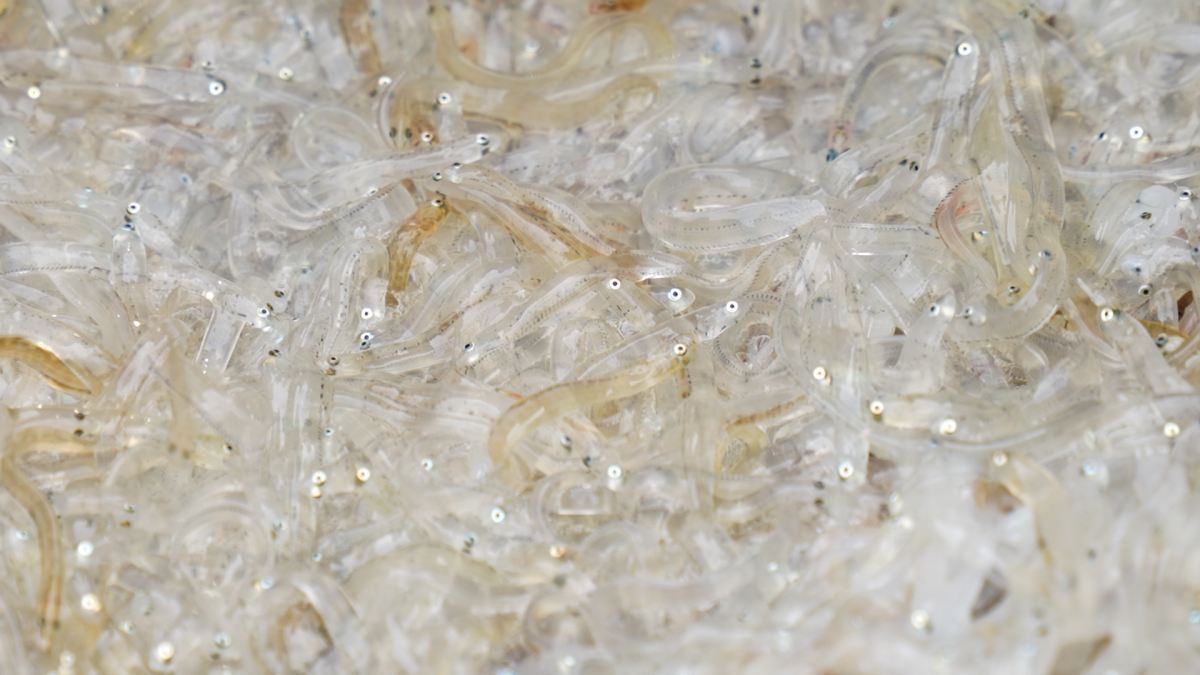
EBS1’s Korean Travelogue premiered in August 2009 and has become one of the network’s signature documentary series. The program consistently documents nature, local culture, and the everyday lives of people across the country.
The show builds each story around seasonal changes and the ways of life that move with them. Producers choose a single theme each week and present it in a five-part series; each episode runs about 30 minutes. The series gently showcases regional lifestyles and local sensibilities.
Rather than leaning on sensational scenes or dramatic staging, the program focuses on conveying the real atmosphere on location. It avoids excessive reenactment or artificial setups, following real places and the people who live there. A restrained narration ties together stories of nature and community with a steady, calming voice.
The show covers more than mountain villages, fishing communities, farming towns, and island hamlets. It also highlights urban alleys and everyday scenes, introducing regional cultures and residents’ lives that viewers might rarely encounter.
Korean Travelogue now airs regularly on EBS 1TV. Each week the program records landscapes and lives from a new region and theme across the country.
The show airs Monday through Friday at 9:35 p.m. on EBS1. Broadcast details are available on the EBS1 Korean Travelogue preview page.





Most Commented