
Translation result
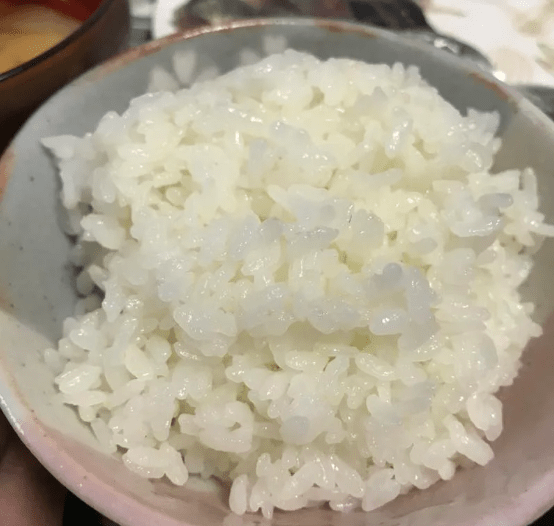
An unexpected trick for getting rid of stale rice odor: why \”a spoonful of milk\” really works
If you store rice for a long time, it can develop that unmistakable stale smell. Cooked rice can look less glossy and taste kind of flat. People swear that adding a little milk when you cook rice helps — and it’s not just an old wives’ tale. There’s actual science behind it.
The culprit behind the stale smell is fat oxidation
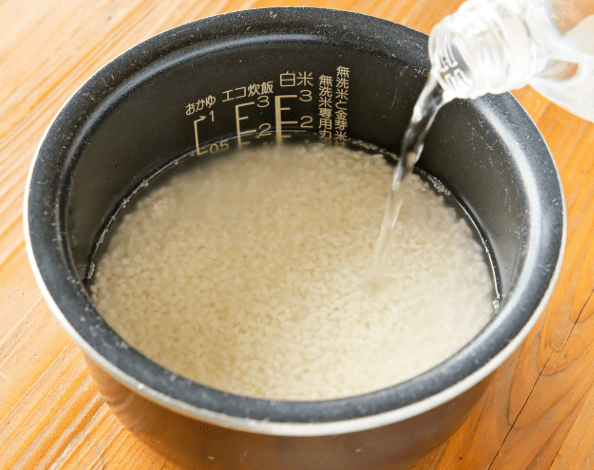
Rice contains a tiny amount of fat. Over time, that fat oxidizes and creates the familiar stale aroma.
‘Does rice go rancid like oil?’
Yes. The fat content is low, but the longer rice sits, the more oxidation occurs and the stronger the smell becomes.
Milk proteins help tame the odor
Milk is rich in proteins like casein. These proteins can bind to odor-causing compounds, softening the scent rather than simply covering it up.
‘So it’s just masking the smell with milk?’
Not exactly. Milk doesn’t merely mask the odor — it reduces the sharpness of the smell, making the overall aroma seem smoother.
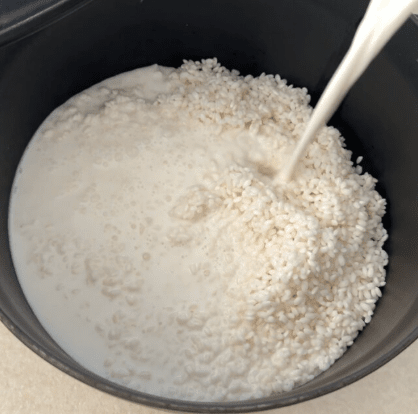
Milk’s fat lightly coats rice grains and improves texture
The small amount of fat in milk forms a thin coating on the surface of the rice during cooking. That helps the grains look glossier and finish more moist.
‘So the rice actually gets softer?’
Exactly. The coating helps rice retain moisture, reducing that dry, mealy feeling.
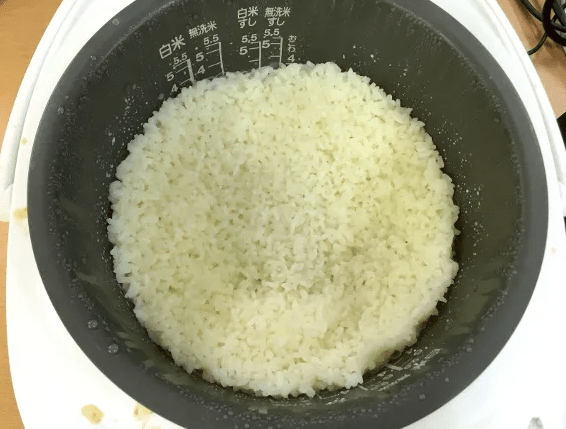
Lactose adds a whisper of sweetness
Milk contains lactose, which contributes a very subtle sweetness. That faint sweetness helps balance the dull flavor of older rice.
‘Will I actually taste the sweetness?’
You won’t get an obvious sugary note — it just rounds and softens the overall flavor profile.
Use only a tiny amount compared with the water
Don’t overdo it. One to two tablespoons of milk added to the cooking water is enough.
‘Wouldn’t more be better?’
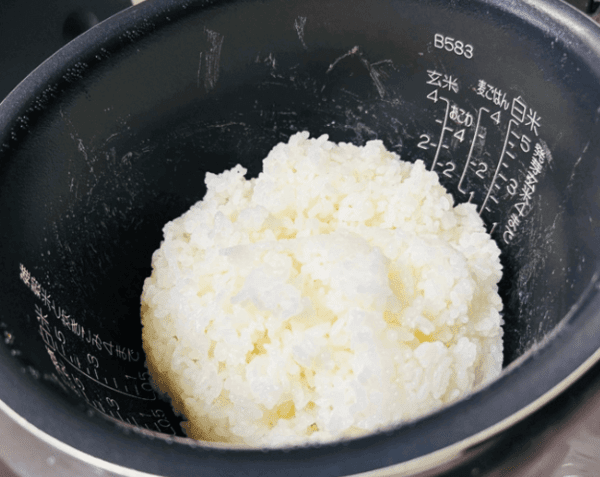
If you add too much, the milk scent can become noticeable and the rice may feel heavy. A small amount strikes the best balance.
This works best on rice that has lost its fresh flavor
The difference is most noticeable with older rice compared to newly harvested rice.
‘Can you use it on fresh rice too?’
You can, but you probably won’t notice much change. The trick is most useful for reviving stale rice.
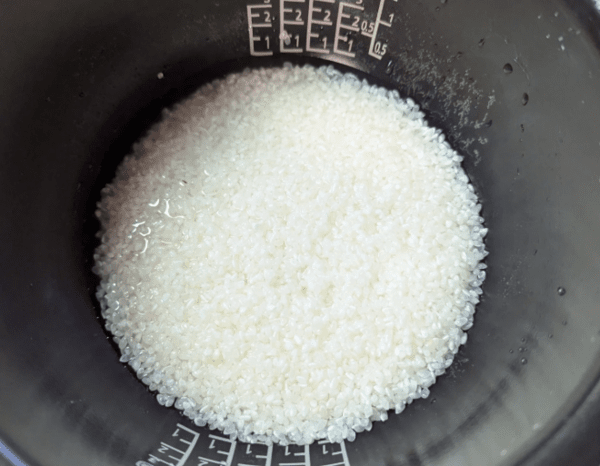
In the end, it’s about softening odor and improving texture
People add milk not to mask flavor, but to reduce oxidation-driven smells and improve the grain’s mouthfeel.
‘That’s simpler than I thought.’
Yep. With no fancy ingredients, a tiny change can make a noticeable difference. It’s small, but you’ll feel it.







Most Commented