
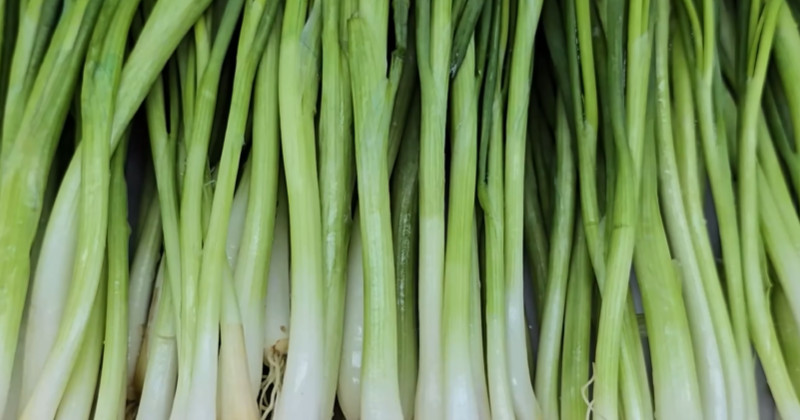
Keeping scallions fresh all year—no freezer required—comes down to a few surprisingly simple, science-backed tricks.
Scallions brighten dishes across the seasons, but their high water content and delicate tissues make them prone to wilting and sogginess. Many cooks default to chopping and freezing extras, only to lose that crisp bite and fresh aroma when they thaw. Experts say that by managing three things—temperature, humidity, and airflow—you can maximize scallion life without ice. It all begins at the market: inspect what you buy and give it the right pre-storage treatment.
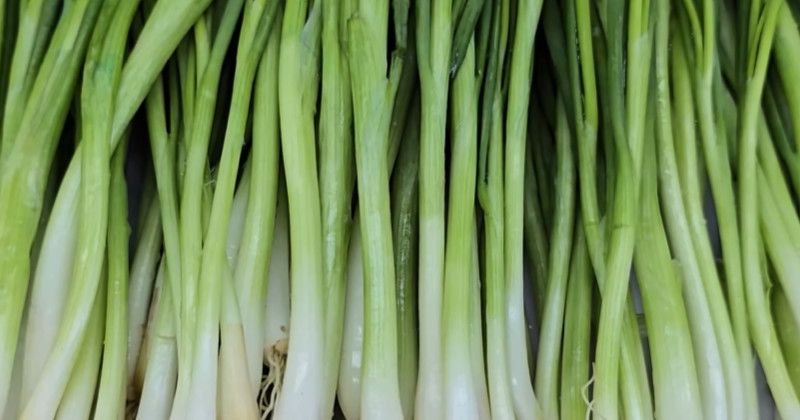
The top rule for keeping scallions fresh is control the moisture—don’t let it invite rot. If your scallions still have soil on them, store them unwashed; that soil helps moderate moisture and supports root respiration. If they’re pre-washed or you must rinse them, dry every crease and layer with paper towels or a dry cloth so not a single drop remains. Putting damp scallions into an airtight container accelerates microbial growth, turning leaves yellow and watery within days.
For longer storage, stand scallions upright to preserve their natural posture. Laying them down can concentrate ethylene and speed aging; standing them root-side down helps keep growth energy where it belongs and prolongs freshness. Line the bottom of an empty PET bottle or a deep airtight container with several layers of dry paper towel, place the scallions root-side down, and avoid bending the leaves. Replace the paper towels regularly so humidity inside the container doesn’t climb.
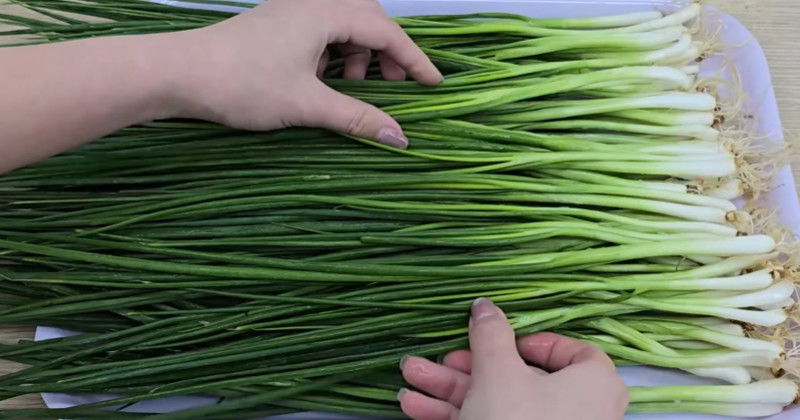
If you want a more pro approach, use a newspaper-and-wrap moisture-control method. After brushing off soil, roll scallions in newspaper—the paper helps keep humidity balanced and forms a protective barrier from direct air. Seal the newspaper bundle in a plastic bag or cling wrap and place it in the refrigerator’s crisper drawer or a kimchi fridge. Slower moisture loss means they can stay green for months. A kimchi fridge is especially useful because it holds a consistently lower temperature than a regular fridge, slowing respiration and preserving nutrients.
Keeping the roots intact is another key to year-round freshness: roots pack the plant’s vitality. Gently knock off only the soil at the root tips and leave the fine root hairs so the scallions can self-regulate moisture. If leaf tips dry over time, snip just the brown edges with scissors; if the root end is still firm, the scallions are perfectly usable. This avoids the off-odors and mushy texture that freezing can cause.
Choose stainless steel or glass containers over ordinary plastic when possible. Metal and glass transfer cold quickly and help keep the internal temperature steady, which slows cell-wall collapse. For an extra humidity control trick, sprinkle a thin layer of sugar across the container bottom, cover it with a paper towel, and then lay the scallions on top—the sugar can help absorb excess moisture and may also inhibit some spoilage activity, extending storage time.
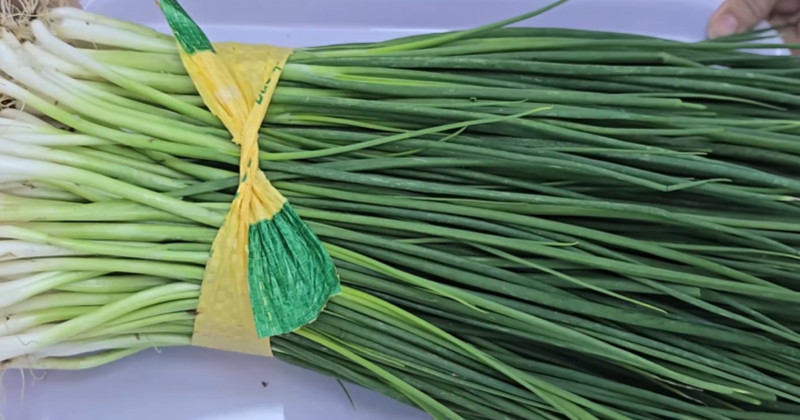
In hot weather, place your storage container deep inside the refrigerator to avoid temperature swings when the door opens. Frequent changes cause condensation on scallion surfaces and invite rot, so a steady temperature is crucial. Open the container weekly to inspect the contents and remove any spoiled leaves immediately to prevent spread. With this attentive care, you can rely on your stored scallions instead of buying more during pricey seasons.
A traditional farm trick is to plant scallions in a pot or a styrofoam box of soil and pull one as you need it. Tuck the roots slightly into soil in a cool balcony or utility room and they’ll stay alive without actively growing—just water enough to keep the soil from drying out. It’s more like mini-cultivation than storage, but it’s the ultimate way to guarantee the freshest flavor without using fridge space.
Vacuum sealing is also growing in popularity because it cuts off oxygen entirely and prevents oxidation. Vacuum-packed scallions face an environment where most microbes can’t thrive, often giving you at least three times the shelf life of ordinary storage. Be sure to remove all moisture before sealing—otherwise vacuum pressure can compress cells and cause faster spoilage. When done right, vacuuming offers a modern, scientific option for city dwellers.
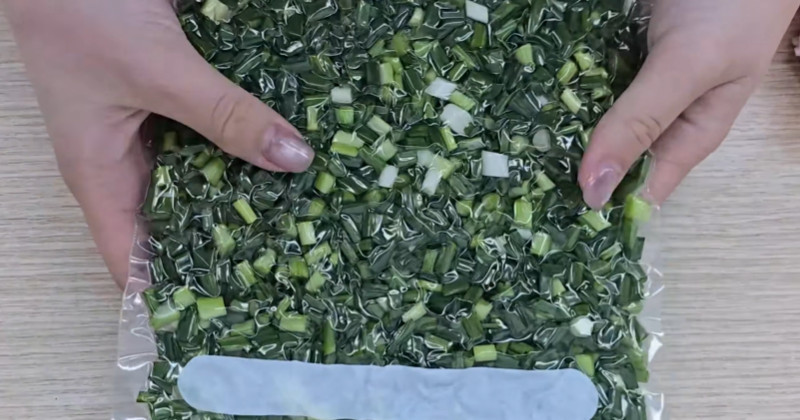
Storing the white root end and the green leaf end separately is a smart move to match each part’s needs. The white root end is firm and tolerates moisture, while the thin green leaves go soggy easily. Put each part in its own airtight container and use a thicker paper towel under the leaves to manage humidity. That way you grab only what you need for cooking and boost overall storage efficiency.
Finally, remember no method can freeze time—freshness still declines. If you aim to keep scallions year-round, check them regularly and follow a first-in, first-out rule so older ones are used first. Sticking to crisp, fresh scallions instead of frost-bitten frozen bits will make the biggest difference to the flavor of your meals.







Most Commented