
On May 9, EBS1’s Extreme Jobs (episode 908) goes behind the scenes with people who brave mudflats and mountains to harvest clams, octopus, and bracken — all to defend spring’s most coveted flavors. In a season that vanishes fast, these workers rush across shores and slopes to harvest nature’s short-lived bounty.
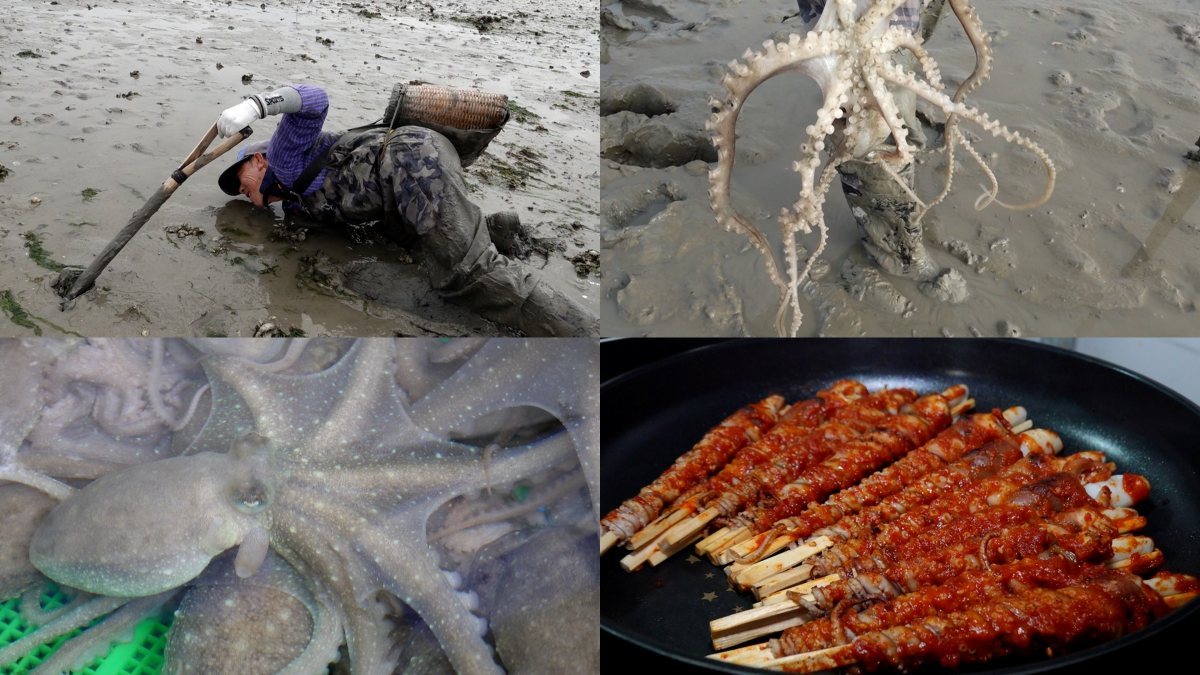
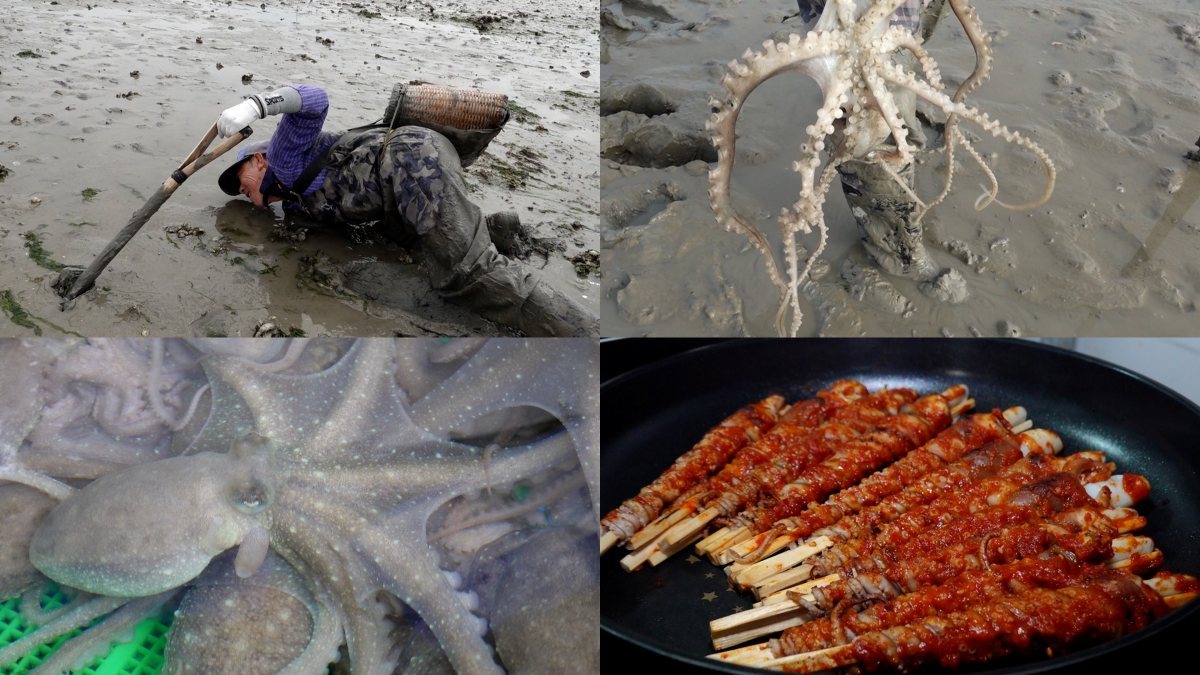
Pearl in the Mud: Playing Hide-and-Seek with the Three-Legged Octopus
In spring, mudflats and mountains across the country come alive with people harvesting seasonal treasures. From octopus to bracken and clams, hands move quickly to gather spring’s gifts — and the work is anything but easy.
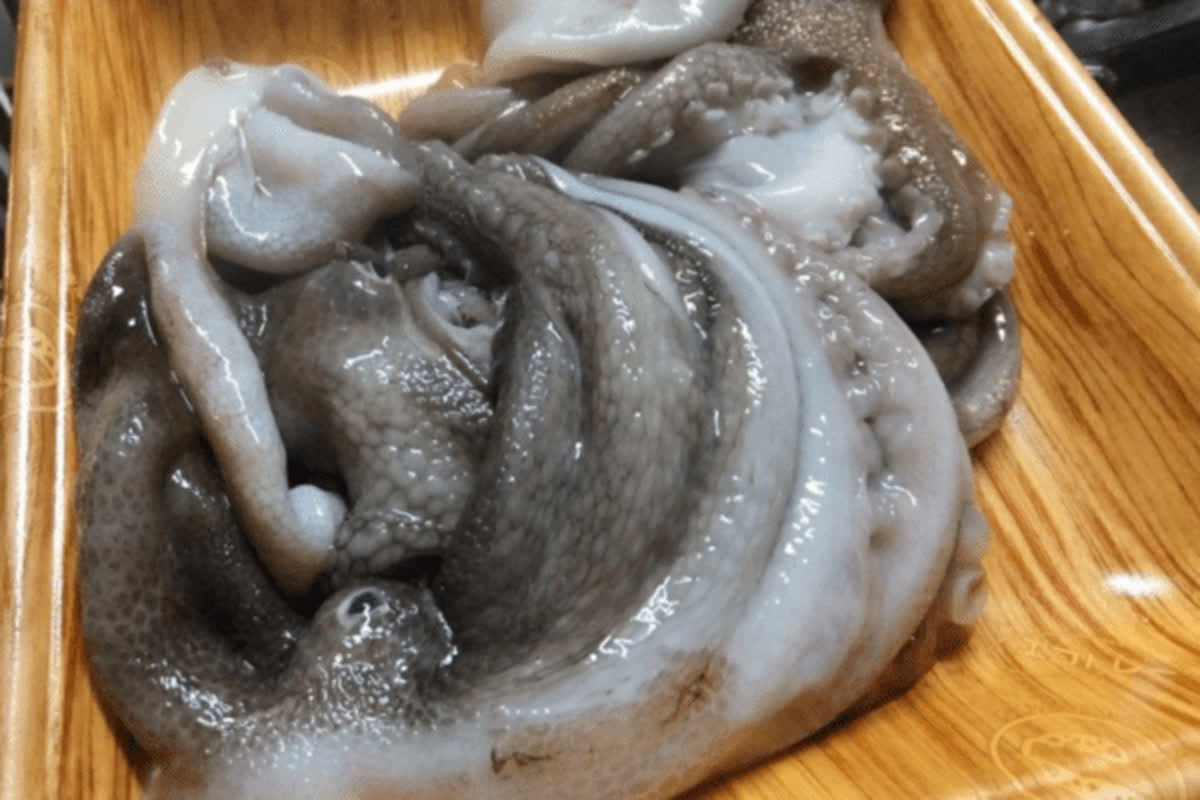
At the mudflats off Haedo in Sinan County, Jeollanam-do, the three-legged octopus harvest hits its peak this time of year. Named for their thin, long arms, these octopus are a spring delicacy prized for their tender texture. Tidal windows mean harvesters only have about four hours a day to work, so they must move fast across wide flats. Forty-one-year veteran Kim Seung-dae shoulders a traditional garae and wades into the mud. The garae — a narrow, pointed shovel — is perfect for scooping deep into the flats. Once they start, harvesters scan the surface for tiny holes. From two subtle clues — a breathing hole and an entrance — they estimate an octopus’s position. The challenge is that many other holes look similar, and distinguishing them takes hard-won experience.
They dig around the hole with the garae, slide an arm in up to the shoulder, and, trusting fingertip feeling alone, snatch the octopus. Spring octopus hide in shallow mud, so harvesters work by hand, but the animals are quick: one wrong move and they dart away. To catch a single octopus, workers may dig the same spot repeatedly. Chasing a daily target of roughly 15 keeps them slogging through suctioning mud until their clothes are caked in grime. Pulling one octopus from deep mud can demand everything they’ve got — it’s a full-body struggle.
Meat from the Mountain: Bracken Harvesting in Action
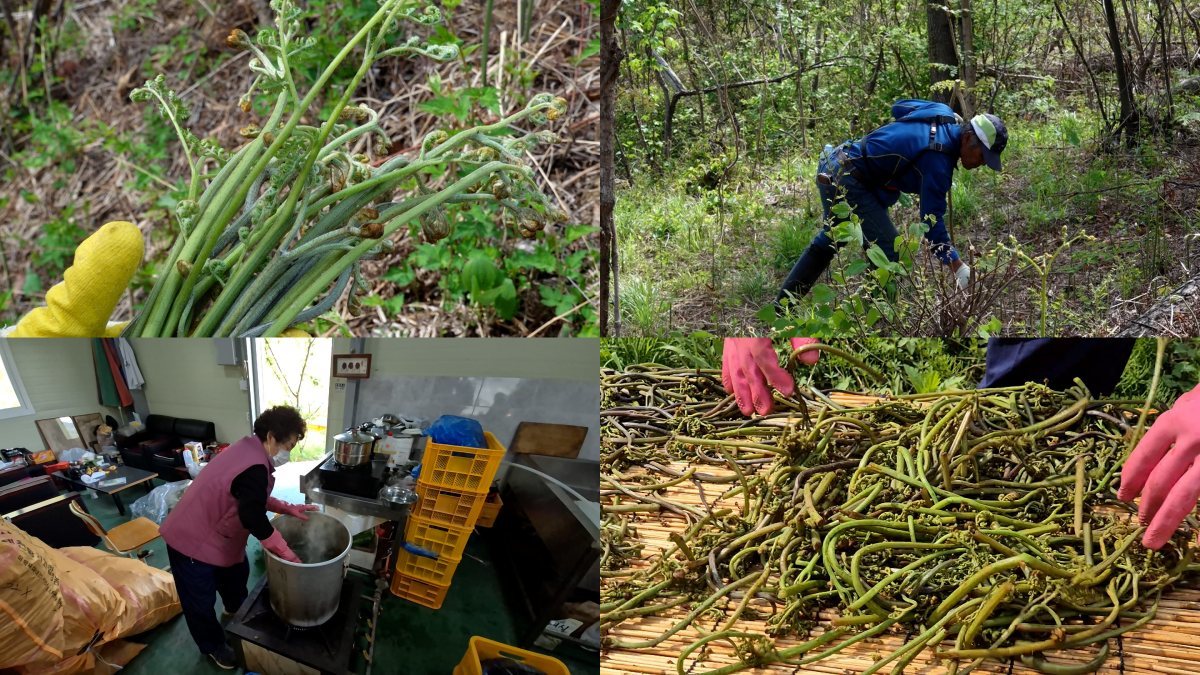
In Sangju, Gyeongsangbuk-do, harvesters are collecting prized spring bracken. Of the mountain’s roughly 250,000 m² (about 62 acres), some 70,000 m² (about 17 acres) are bracken fields. Workers board a monorail at dawn and travel roughly 2 km (about 1.2 miles) up the trail, fanning out across steep slopes. Bracken season runs from early April to mid-May, and harvesters race to pick the tender fronds as they emerge each day. Remarkably, this mountain burned in a major wildfire in 2017 — and yet bracken sprang up across the scarred land, eventually restoring Kim Jin-yong’s livelihood. Today, the slopes host not only bracken but also other wild greens and medicinal herbs like chwinamul, jandae, and ogapi as the mountain slowly heals.
But bracken harvesting is harder than it looks. Pickers must choose only the soft, unrolled tips and quickly find the exact spot where the frond snaps by touch; even slightly tough stems ruin the texture after boiling. Workers snap fronds by hand and scan for the next shoots as they climb steep terrain without pause. Slips are common and the work is risky. Because bracken regrows fast, they can’t slow down; bundles pile up quickly, and a single bundle can weigh around 50 kg (about 110 lb). Gathering and loading those heavy bundles keeps the labor relentless until the very last step.
The Nation’s Favorite Clam: Seaside Season Returns
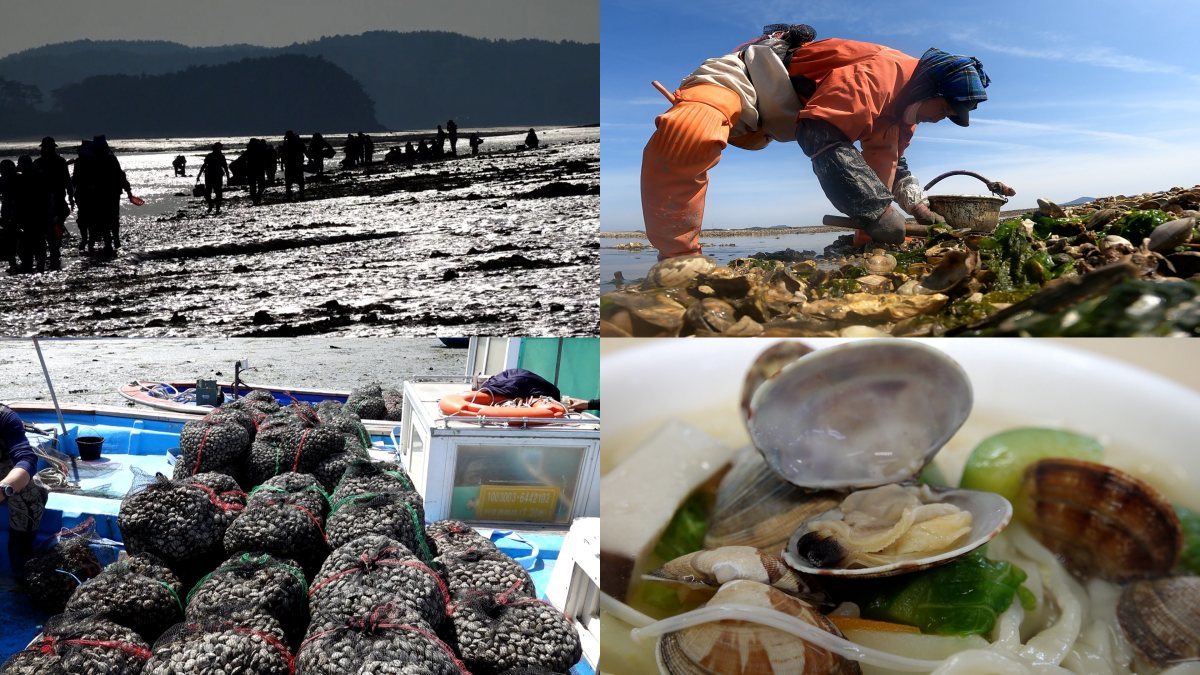
In Seosan, Chungcheongnam-do, clam season has arrived and villagers gather at 6:00 a.m. for the day’s first dig. About 80 households take part, and elders in their 80s prepare to head out. Under the village cooperative (co-op head Park Hyun-gyu), residents take a roughly seven-minute boat ride to the flats because the walk would take 40–50 minutes. As the tide falls, harvesters sprint to claim the best spots. Each person aims for about 100 kg (roughly 220 lb), and the community’s goal for the day is about 4 metric tons (approximately 8,818 lb). With only a short window before the tide returns, everyone hustles to hit the quota. Garorim Bay’s flats mix mud and sand and brim with microalgae that feed clams, creating ideal habitat. This season, the clams’ meat is especially plump. Harvesters scan the mud for tiny holes, estimate where clams hide, and continuously scrape the surface with rakes.
Speed is everything: one hand scrapes while the other quickly gathers exposed clams. Harvesters leave small clams behind so they can grow — a little patience adds 1–2 cm. There’s no shade on the flats, so under the hot sun workers keep moving to maximize their haul. Bending for hours brings knee and back pain, and after a day in the mud many return home utterly exhausted.
These spring harvests on slopes and flats go beyond economics; they capture seasonal change and community life. Thanks to the long hours and grit of harvesters, spring flavors reach the nation’s tables. This year, too, workers in the flats and on the hills show no signs of slowing as they gather nature’s gifts.
Spring Favorites on the Table: How to Enjoy Clams, Octopus, and Bracken
Spring menus often spotlight seasonal ingredients from sea and mountain. Clams, octopus, and bracken are staples this time of year. Use them in soups, stir-fries, and seasoned vegetable sides, and treat each ingredient according to its texture to make the most of their flavors.
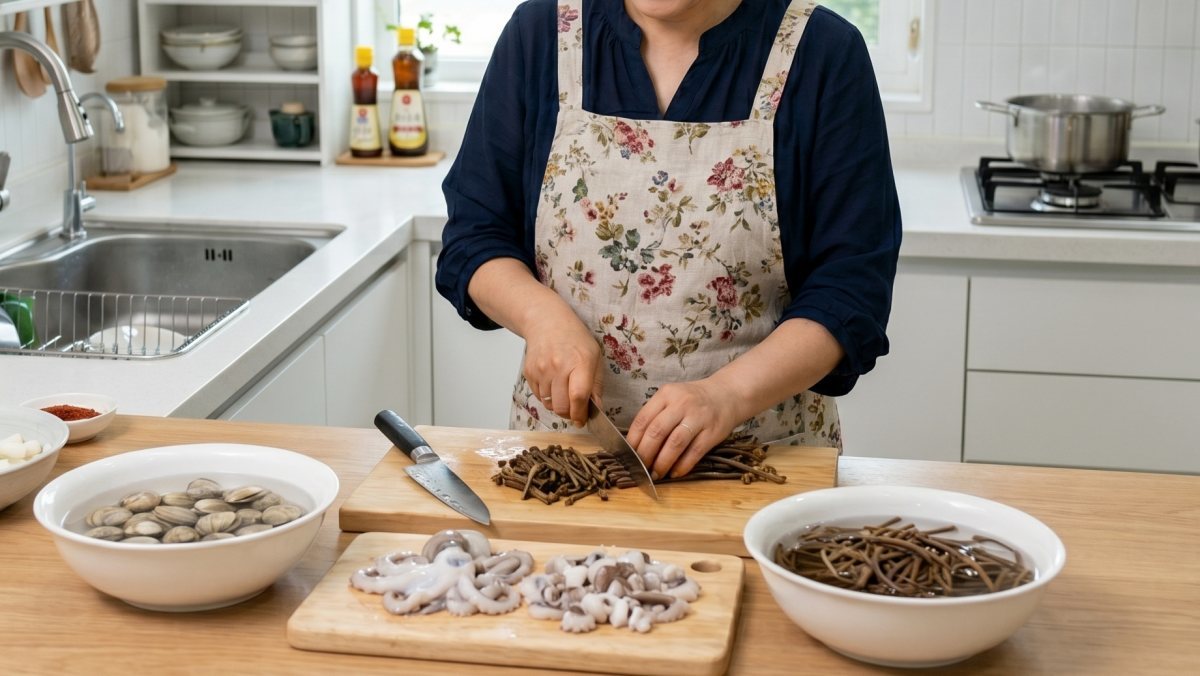
Clams are great in kalguksu (knife-cut noodle soup), doenjang (soybean paste) soup, or steamed dishes. Purge clams in saltwater before cooking to remove sand and grit for a cleaner bite. Because clam meat toughens with extended heat, stop cooking shortly after the shells open. In broths, clams lend a clear, savory finish that makes them a spring favorite.
Octopus works in stir-fries, stews, or shabu-shabu. Spicy stir-fried octopus typically cooks quickly over high heat with gochujang, red pepper flakes, garlic, and scallions. Because octopus toughens if heated too long, keep cooking times short. Lightly blanching thin slices in boiling broth for shabu-shabu or simmering briefly in a clear soup preserves its tender texture.
Bracken is a classic spring mountain green. Fresh bracken needs blanching and soaking before cooking. After preparing, sauté it in perilla or sesame oil with soup soy sauce and minced garlic. It works well in bibimbap or in dishes like yukgaejang. Bracken’s distinctive aroma and chewy texture help it stand out alongside other greens.
Key tips: purge clams and use brief heat, cook octopus quickly, and boil then sauté bracken. In a short season, simple preparation and correct timing make the biggest difference. Clams, octopus, and bracken shine on spring tables as soups, stir-fries, and seasoned sides.
EBS1 Extreme Jobs: Scenes of Life Built by Sweat
EBS1’s Extreme Jobs visits tough workplaces and follows the daily routines of the people who work there. The documentary focuses on jobs with heavy physical demands or high concentration and shows the environments and steps workers take to complete their tasks.
The program covers overnight shifts, workplaces with safety risks, and industries where labor intensity shifts with the season and weather. It introduces fishing, farming, manufacturing, and service sectors and documents actual work methods and daily routines in detail.
By showing workers who expend long hours of physical effort or maintain constant alertness, the show conveys the realities of these jobs. Viewers get rare access to demanding workplaces and are invited to reflect on each job’s meaning and value.
Extreme Jobs airs every Saturday on EBS1, and each episode realistically spotlights a specific job group or industry and its real work processes and conditions.
EBS1’s Extreme Jobs broadcasts every Saturday at 9:00 p.m. Check EBS1’s Extreme Jobs Preview for broadcast information.





Most Commented