
Translation result.
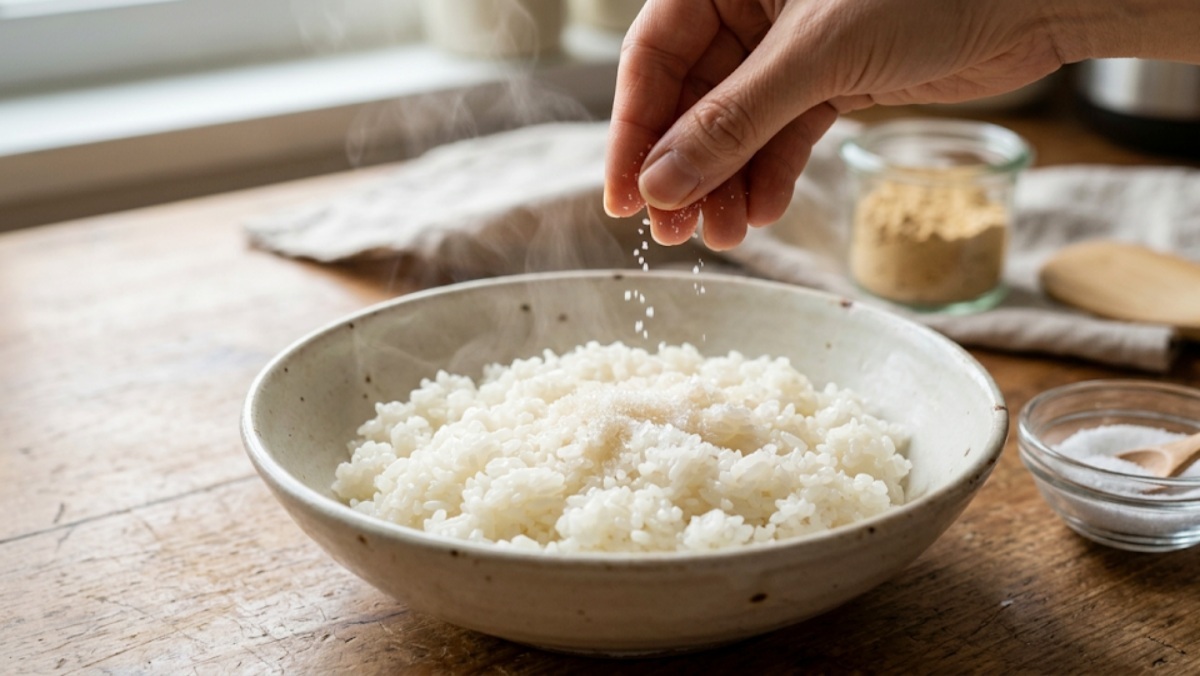
Rice cakes (tteok) can feel intimidating, but you can actually make them easily with ingredients already in your kitchen. If soaking and steaming rice seems like too much work, try using leftover cooked rice. Here are simple, at-home recipes for making tteok.
Injeolmi made with a single bowl of rice
The easiest way to make tteok at home is to start with cooked rice. You skip soaking and steaming, so it’s faster, and leftover rice from the fridge works perfectly. Rice injeolmi doesn’t need glutinous rice flour, so it’s a great no-pressure first try.
Start with one bowl of cooked rice. Freshly steamed rice works, but if you’re using cold rice, warm it in the microwave first. If the rice seems dry, sprinkle about 1 tablespoon of water before heating. A little moisture helps the grains bind when you pound them and keeps the finished cake from getting too dense.
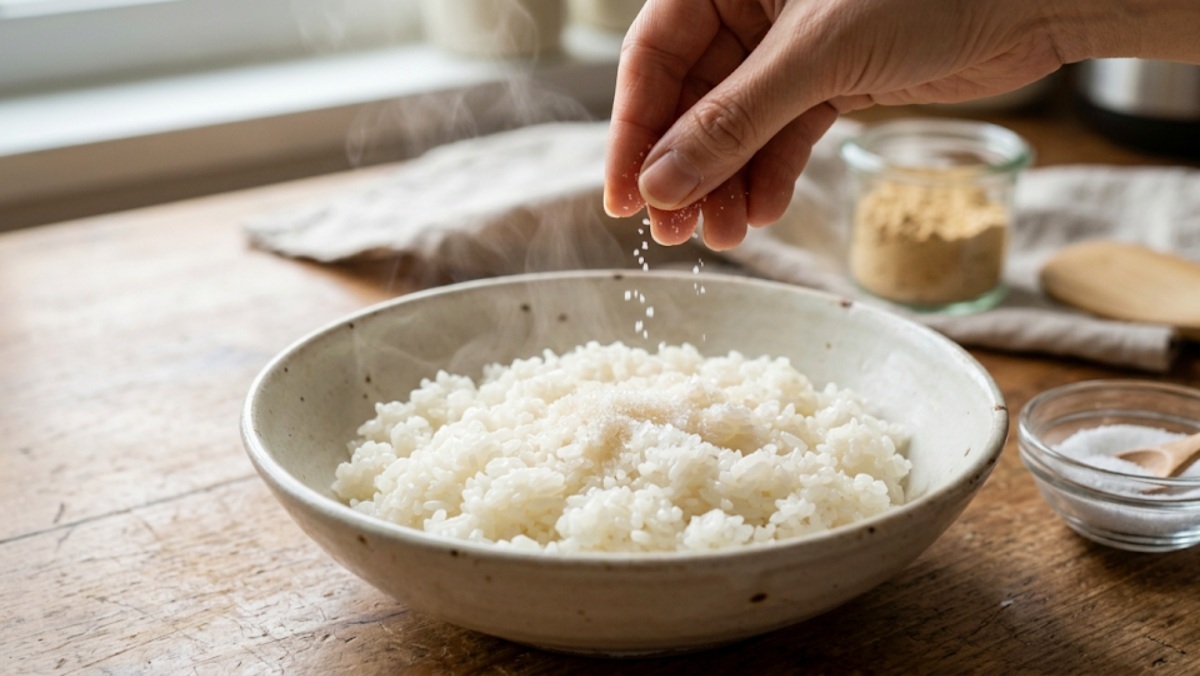
Mix a pinch of salt and a little sugar into the warm rice. Salt brightens the flavor, and a touch of sugar gives a gentle sweetness. If you prefer less sweet, cut back on the sugar. Sugar also helps slow down how quickly the tteok firms up.
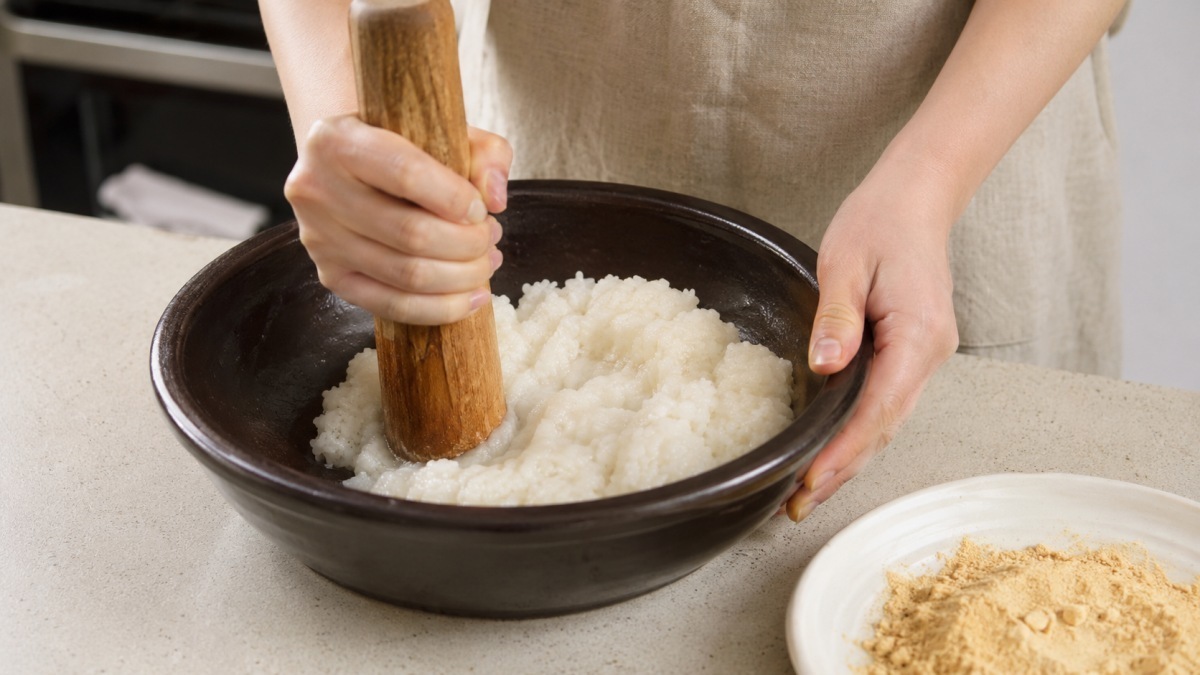
Put the seasoned rice in a mortar and pestle and pound it. If you don’t have one, mash the rice in a sturdy bowl with a spatula or rolling pin. As the grains break down and cling together, the mixture becomes chewy. Pound most of the grains for a smoother texture, or leave some bits for a chewier bite.
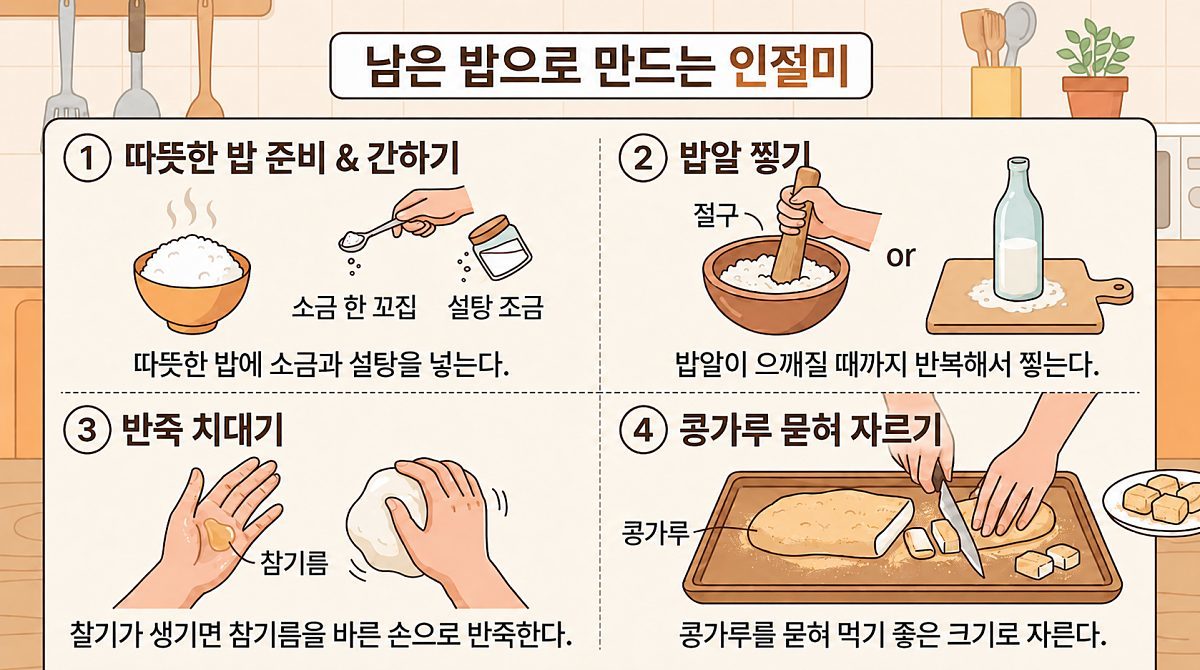
When the dough becomes slightly sticky, oil your hands very lightly with sesame oil and knead. Use only a small amount so the coating powder will still stick. Folding and pressing the dough several times tightens its structure and boosts chewiness.
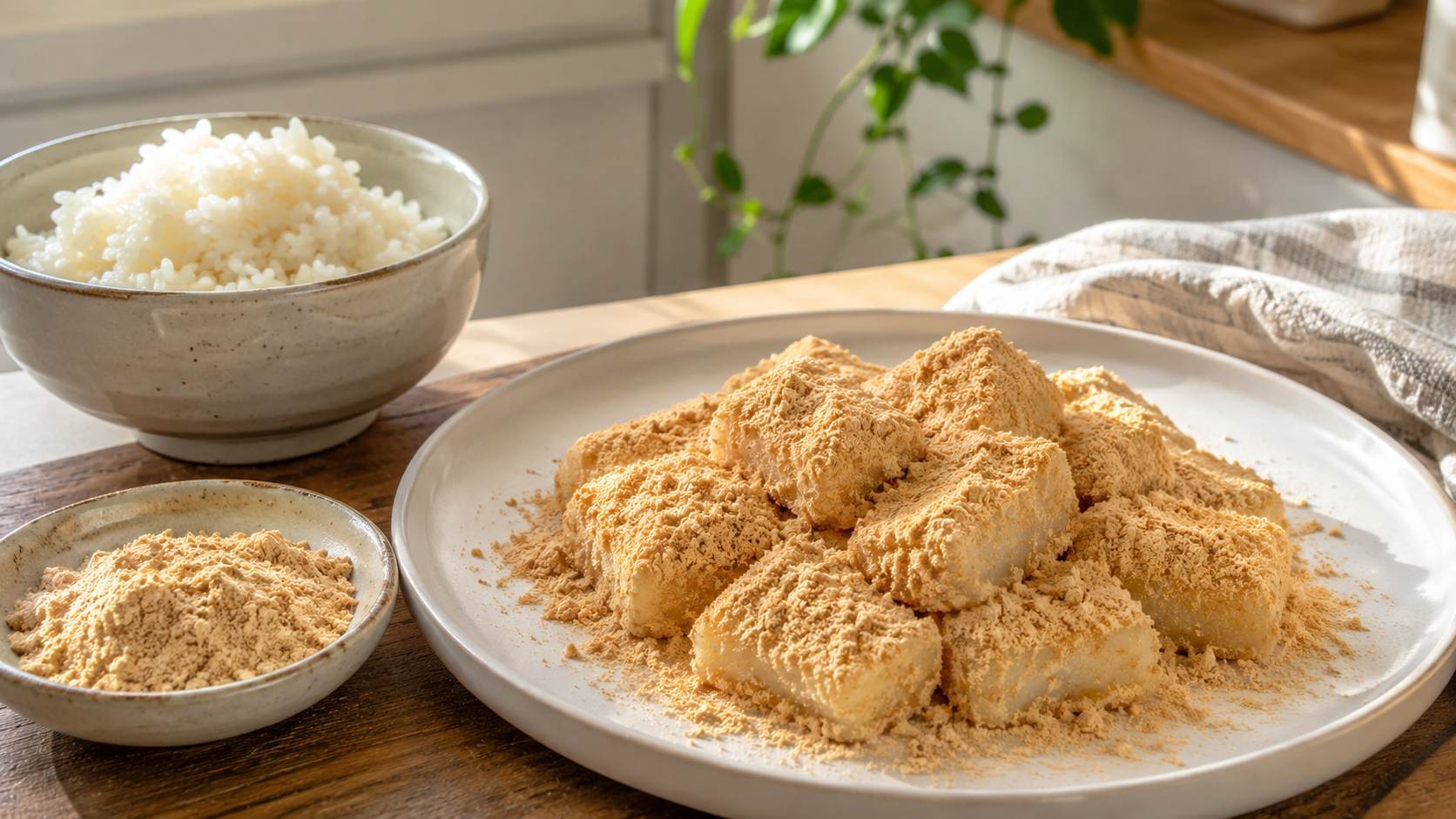
Generously spread roasted soybean powder on a tray. Place the rice dough on top, coat it on all sides, and cut into bite-size pieces. If the knife sticks, dust the blade with soybean powder or wet it slightly. Rice injeolmi is best fresh, so make only what you’ll eat right away.
Easy glutinous rice dough using a blender
If you want a texture closer to classic tteok, soak glutinous rice and grind it in a blender. No need to buy rice flour—you can make dough with a blender and microwave. Just soak the glutinous rice long enough so it blends into a fine paste for a smoother result.
Rinse the glutinous rice and soak it for at least 4 hours. Insufficient soaking can yield a coarse texture, so be patient. Drain the soaked rice in a sieve—too much water makes a soggy dough, too little can make the blender struggle.
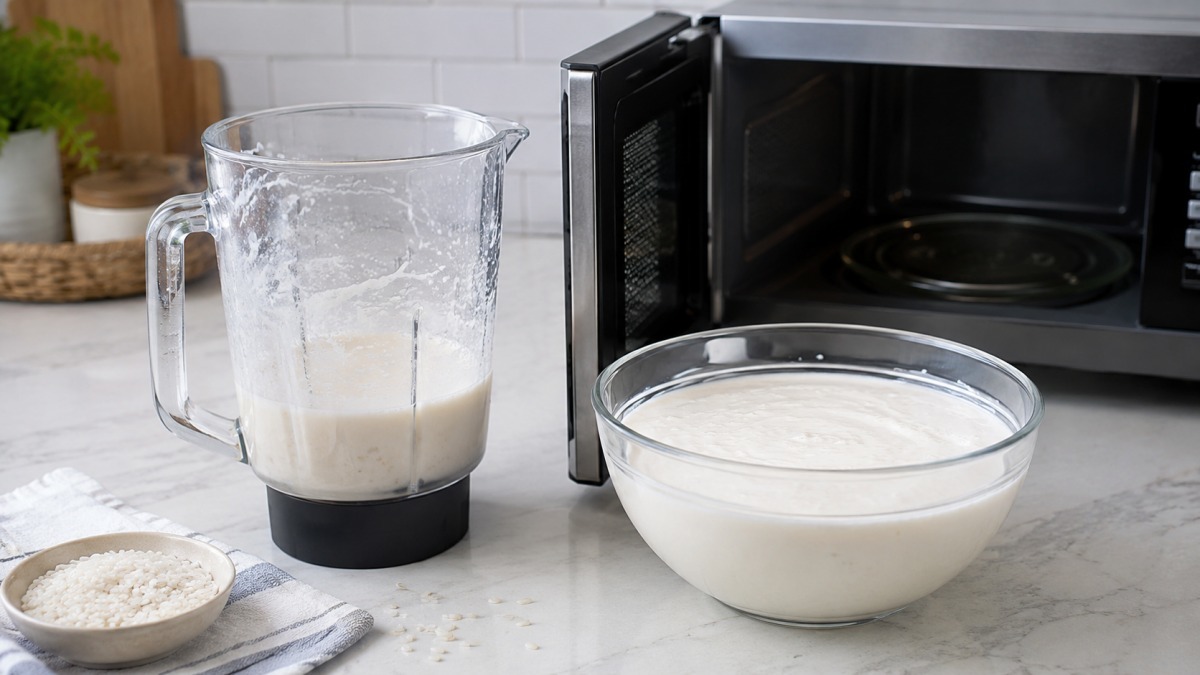
Blend the drained rice, adding water a little at a time until smooth. Don’t overdo the water up front—you want control over the consistency. Add a pinch of salt. Aim for a batter that pours slowly from a spoon. If particles remain coarse, the finished cake will feel gritty, so blend as finely as possible.
Transfer the smooth batter to a microwave-safe bowl. Cover with plastic wrap and poke a few vents, then microwave about 2–3 minutes. Stir with a spatula—microwaves heat unevenly. Microwave another 1–2 minutes until the dough turns glossy and elastic.
Handle the hot dough carefully—don’t touch it with bare hands. Use a spatula or heat-resistant gloves. When it forms a single mass, move it to a cutting board dusted with soybean or starch powder. Folding and pressing several times improves chewiness. Avoid overworking it; if it gets too sticky, dust with more powder as needed.
Coat the finished dough with soybean powder, roasted black sesame, castella crumbs, or other toppings you like. For fillings, add a small spoonful of red bean paste or finely chopped nuts. Start small—overfilling can make the tteok split.
Microwave mugwort (ssuk) injeolmi
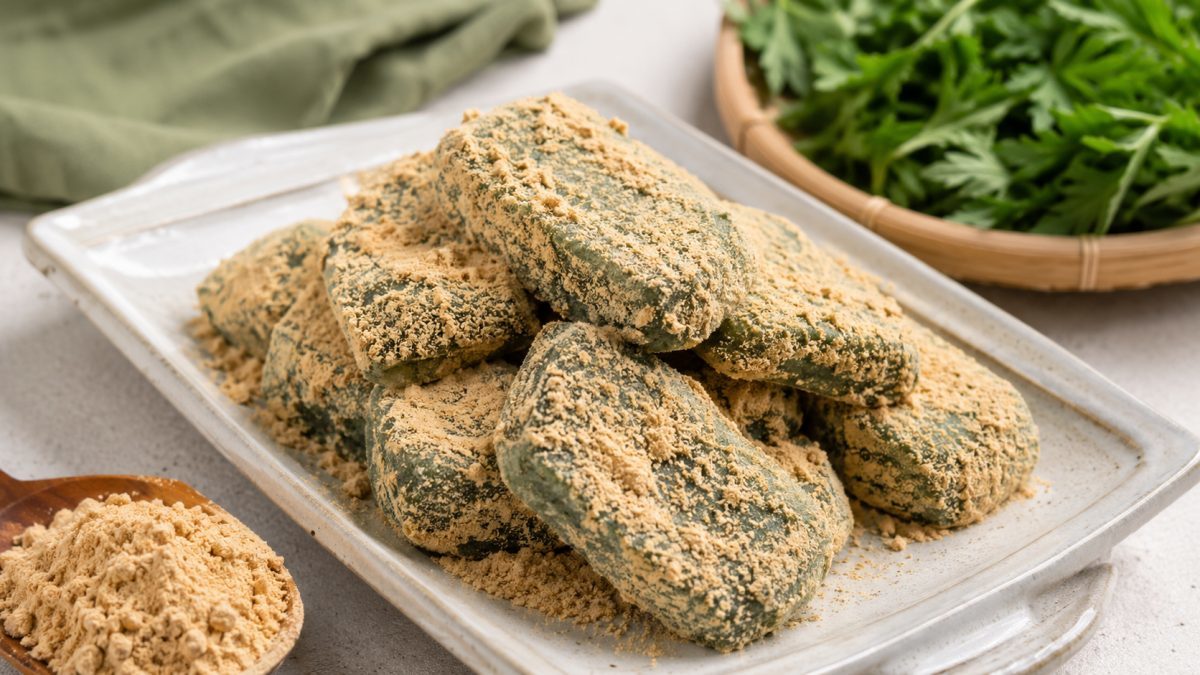
In spring, try mugwort (ssuk) injeolmi at home. Mugwort has a strong aroma, so a little goes a long way. If using fresh mugwort, wash it thoroughly, blanch, squeeze out excess water, and chop finely. Excess moisture can make the dough too loose, so control it carefully.
Using glutinous rice flour makes ssuk injeolmi simpler. Mix blanched mugwort into the flour, add a bit of sugar and salt, and add water gradually until the consistency is right. Stir until the mixture feels substantial—not runny. Reduce water if the mugwort releases a lot of moisture; add a little if the dough is stiff.
Place the dough in a microwave-safe bowl, cover with plastic wrap, and poke a few vents. Microwave 2–3 minutes, stir, then microwave another 1–2 minutes. The dough will turn glossy and gain stickiness as it cooks. Microwave times vary, so check halfway through.
Work the cooked dough while it’s still hot to improve texture. Use gloves or a spatula to fold and press repeatedly. If it sticks to your hands, dust with soybean powder or use a tiny amount of oil—but not too much, or toppings won’t adhere.
Ssuk injeolmi pairs beautifully with soybean powder. Cut into bite-size pieces and coat to enjoy the mugwort’s fragrant note with a toasty finish. Don’t add too much mugwort at once—too much can make the tteok coarse and slightly bitter. Start with an amount equal to or less than the flour and adjust to taste.
Toppings and mix-ins that boost flavor
Once you have the basic dough, play with coatings and add-ins. The classic coating is roasted soybean powder—it sticks well and keeps pieces from clumping. Mixing a little sugar and salt into the soybean powder brightens the flavor.
Black sesame or toasted sesame seeds also make great coatings. Lightly toast the seeds, grind them finely, and mix with sugar and salt for extra nuttiness. Because seeds contain oil, grind only what you’ll use to avoid rancidity.
Castella cake crumbs add a gentle sweetness. Remove the browned crust and sift the yellow interior for a fine powder. Castella can clump if it absorbs moisture, so let the tteok cool slightly before dusting heavily.
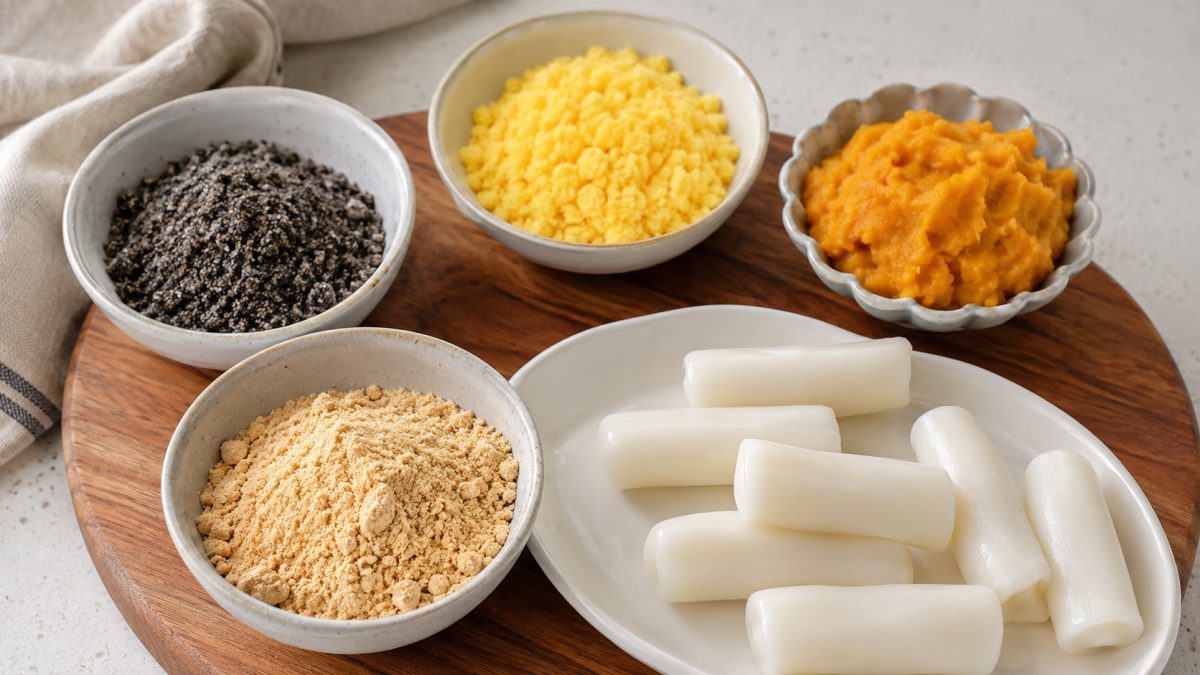
You can fold in mashed kabocha (Japanese pumpkin) or sweet potato for color and natural sweetness. Steam and mash the pumpkin, then mix into the dough. Sweet potato works too, but its fibers can make the dough a bit coarse. Adjust water gradually when adding moist ingredients.
Finely chopped nuts add a pleasant crunch, but keep pieces small—large chunks can split the dough when you cut or shape it. If you’re serving kids, check for nut allergies first.
How to keep a soft texture
Homemade tteok firms up over time because rice starch recrystallizes as it cools. To keep it soft longer, balance moisture and sugar when you make the dough.
Don’t let rice dry out when making rice injeolmi. Refrigerated rice loses moisture, so sprinkle a bit of water before reheating. The same goes for glutinous rice dough—starting too dry leads to a firm result. Too much water makes shaping difficult and leaves a sticky texture.
Sugar helps retain moisture as well as add sweetness. If you want less sugar for health reasons, reduce it—just know the tteok may firm up faster. In that case, eat it soon after making it or freeze portions for later.
The kneading step matters. After cooking, fold and press the dough several times to create an even structure. Well-kneaded tteok has a smooth surface and a satisfyingly chewy bite. Don’t handle very hot dough with bare hands—use tools or let it cool slightly to avoid burns.
Microwave safety tips
When using the microwave, pick only microwave-safe containers. Never use metal or items with metal trim. Poke small vents in plastic wrap so steam can escape.
Heat in short intervals and stir in between. Microwaves can heat unevenly, so pausing to mix reduces undercooked or overheated spots.
Right after heating, the dough can feel cooler than it actually is. Glutinous rice dough is sticky and can burn skin, so use a spatula, tongs, or heat-resistant gloves and keep children away. If placing hot dough on plastic wrap, make sure the wrap is heat-safe.
When adding high-moisture ingredients like mugwort or pumpkin, watch the dough’s consistency and adjust water. Too much water makes the dough spread and fail to set; too little yields a dry, cracked result.
Freeze leftovers to preserve quality
Homemade tteok is best right after making. Refrigerating leftover tteok will quickly harden it because starch firms at cool temperatures. If you won’t eat it immediately, portion and freeze.
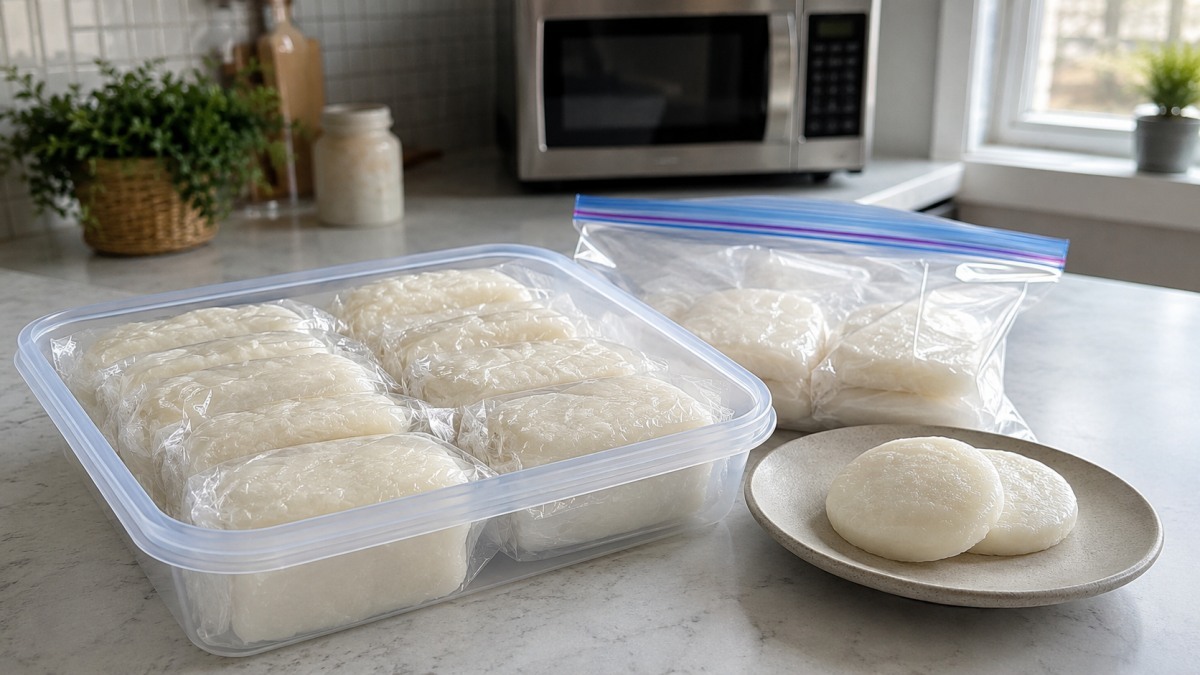
Wrap each piece individually so they don’t freeze together. After wrapping in plastic, place pieces in a zipper bag or airtight container to reduce freezer odors. If the injeolmi is coated with soybean powder, pack it quickly because the powder absorbs moisture.
Thaw tteok at room temperature for the best texture. If you’re short on time, use the microwave—heat briefly and check often. Overheating can make the outside tough while the inside gets too hot. Covering with a damp kitchen towel or heating alongside a cup of water helps prevent moisture loss.
Hardened tteok also reheats well in a skillet. Fry with a little oil over low heat until both sides brown—you’ll get a crispy exterior and a soft interior. Drizzle with honey or syrup for a snack. If the tteok contains a paste filling, reheat slowly over low heat to avoid bursting.





Most Commented