
Why Grilled Bananas Are the Ultimate Dessert: Discover the Secret to Enhanced Flavor
Daniel Kim Views
Translation result
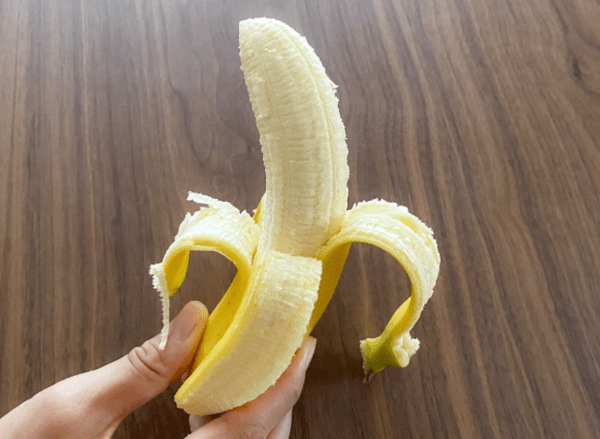
Don’t just eat it raw—pan-fry it. Why a banana tastes so different when you cook it
Bananas are one of the easiest fruits to grab and go. Usually we peel and eat them as-is, but switch up the method and you get a whole new flavor and texture. Frying a banana in butter, for example, deepens its sweetness and adds layers of flavor. This isn’t just perception—heat actually changes the banana’s chemistry and structure.
Heat shifts the structure so the sugars stand out
Bananas already have natural sugars, but they taste noticeably sweeter when cooked. Heat drives sugar molecules toward the surface and converts some starch into sugar, which boosts perceived sweetness.
“Isn’t it just in my head that it tastes sweeter?”
Not at all. Cooking changes sugar chemistry and concentrates flavor. The riper the banana, the clearer this transformation becomes.
Butter turns up the flavor volume
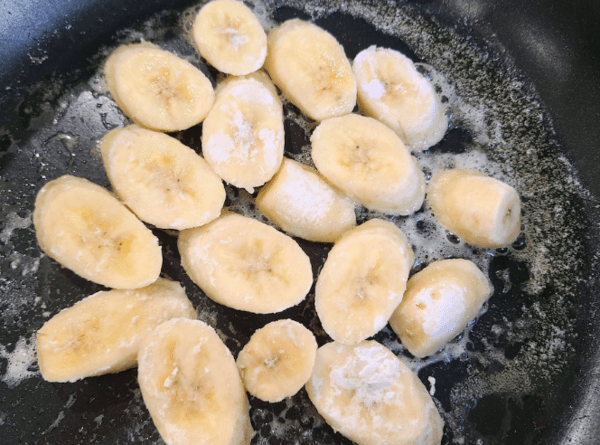
When you melt butter first and add the banana, the fat coats the fruit and amplifies its flavor. A touch of caramelization kicks in, adding warm, toasty notes.
“Won’t butter just make it greasy?”
Used sparingly, butter highlights nuttiness more than grease. Paired with a banana’s sweetness, it morphs a simple snack into a dessert-like bite.
The texture softens and it feels more satisfying
Cooking changes the banana’s moisture and texture, making it much softer. The outside firms up slightly while the inside turns creamy, giving you a completely different mouthfeel.
“Doesn’t it just go mushy?”
Not exactly. Heat breaks down the tissue structure, creating a richer, silkier texture rather than plain mush. That’s why a smaller portion can feel more filling.
Some antioxidants can become more available after heating
Cooking can increase the bioavailability of certain antioxidant compounds in bananas. Especially when a banana is fully ripe, heat can convert some nutrients into forms your body can use more easily.
“Doesn’t heat destroy all the nutrients?”
Heat doesn’t wipe out everything. Some vitamins may decrease, but other compounds can become easier to absorb. The outcome depends on how you cook it.
Cooking can ease digestion and be gentler on your stomach
Raw bananas can be harder for some people to digest. Heat softens their structure, which often makes them gentler on the digestive system.
“Isn’t raw always healthier?”
It depends. If you have a sensitive stomach or eat a banana on an empty morning stomach, a gently cooked banana can be a kinder option.
The method is simple, but heat control is everything
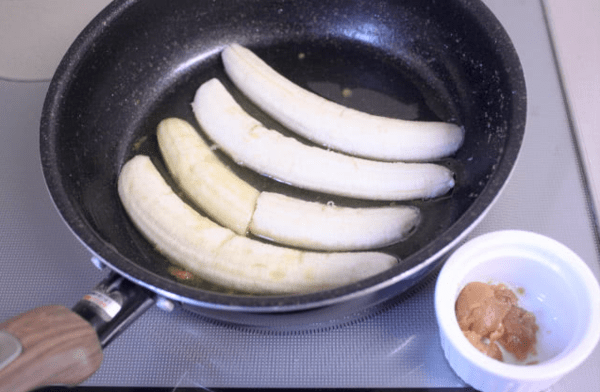
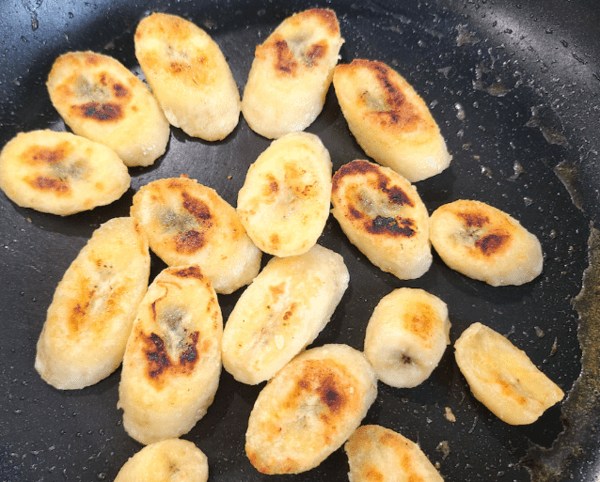
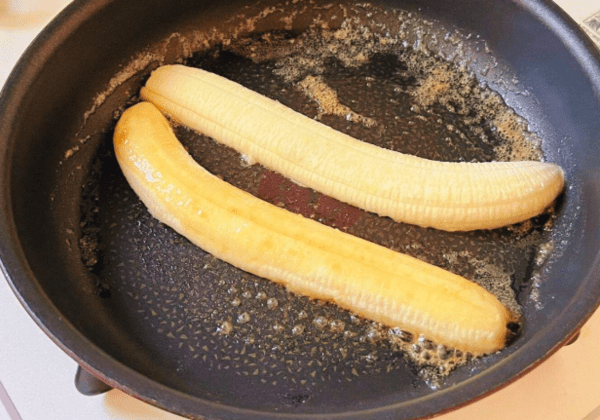
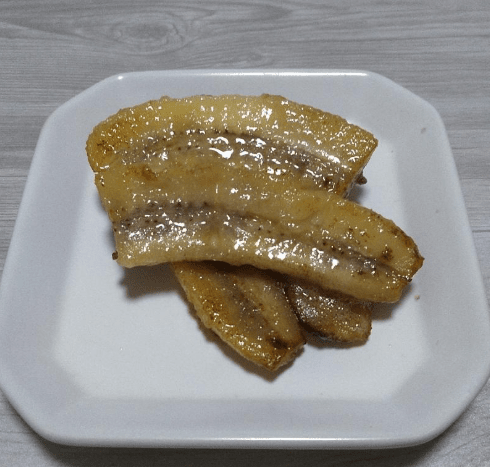
Melt the butter first, slice the banana lengthwise, and cook it slowly over medium-low heat. Flip it when the surface turns lightly golden.
“Can’t I just crank the heat and cook it fast?”
High heat will char the outside while leaving the inside underdone. Slow, steady cooking over medium-low is the secret to unlocking both sweetness and ideal texture.
Bottom line: it’s all about coaxing out the sweetness
Bananas are naturally sweet, but your cooking method can deepen that sweetness and turn a simple fruit into a standout dish. Once you try it, you might prefer your bananas this way.
“I bet I’ll keep eating them like this.”
Chances are high. It’s an easy trick with a noticeable payoff. Same ingredient, very different satisfaction—sometimes how you prepare it makes all the difference.







Most Commented