
Translation result
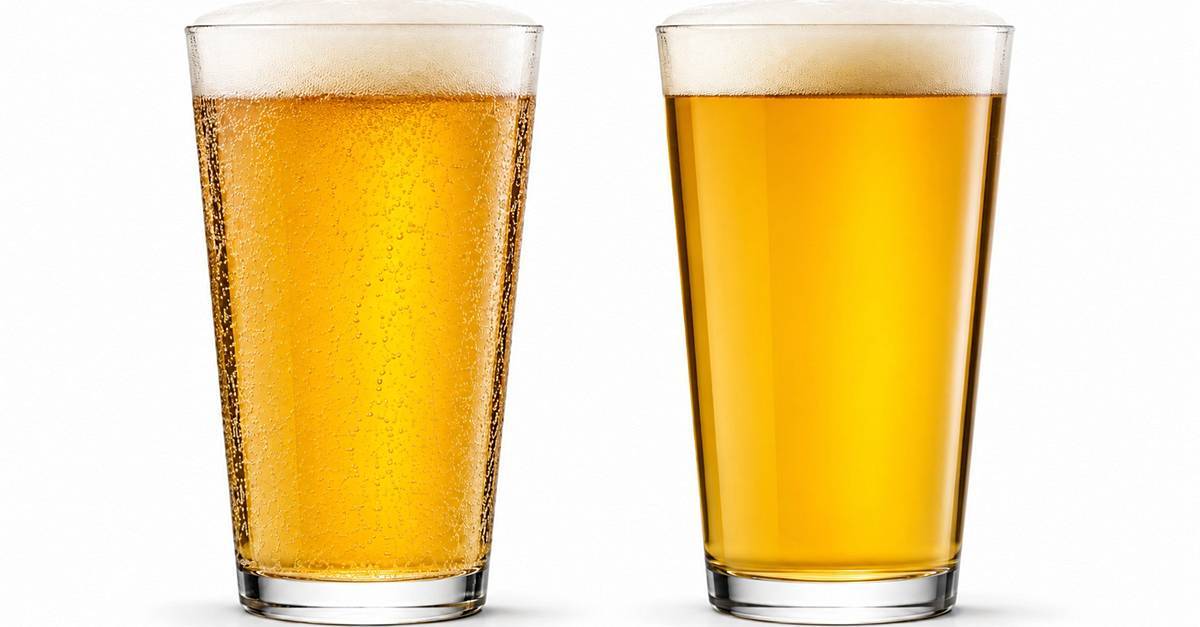
There are so many ways to make beer taste better: chill it to the right temperature, pick the proper glass, and pour to get a perfect head. But before any of that, check one thing first—the glass. No matter how great the beer, detergent residue, grease, or food particles clinging to the glass will blunt its aroma and flavor.
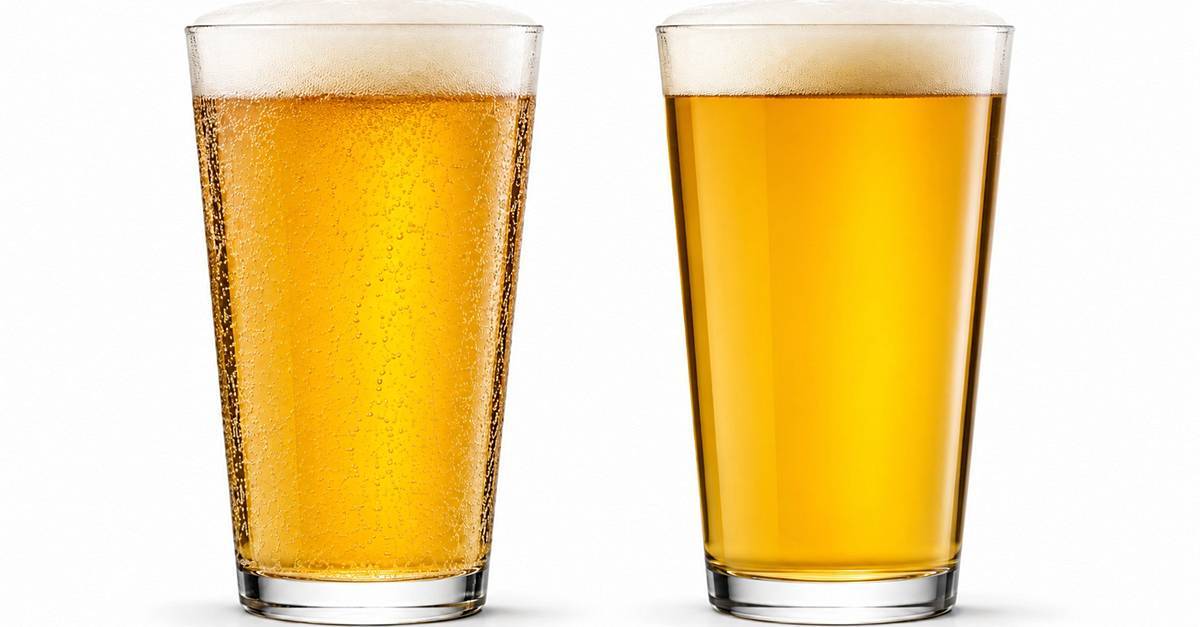
A glass can look spotless on the outside and still hide microscopic impurities. Those tiny residues can collapse foam fast and make carbonation cling to the walls. A surprisingly simple way to judge a glass’s cleanliness has been getting attention lately: watch how bubbles form on the inside after you pour.
Lots of bubbles look fresh—but often mean the opposite
After pouring, you might see small bubbles densely speckled along the inside of the glass. At first glance that seems like lively carbonation and fresh beer. But when it comes to glass cleanliness, it can actually signal the opposite.
YouTube channels like ‘Baekbak Dining’ suggest checking the inside of the glass to judge a bar’s glassware. If many tiny carbonation bubbles cling to the walls, it could mean detergent, food residue, or oil has been left behind.
Bubbles don’t stick anywhere at random. Tiny scratches, particles, or leftover residue create nucleation points where bubbles form and cling. If a glass isn’t washed or rinsed properly, pouring beer will produce messy clusters of bubbles on the wall.
By contrast, a properly cleaned glass gives you a smoother pour. Instead of bubbles plastering the inside, the beer and its head stay steady. So while a bubble-covered glass might look appealing, it’s often the dirtier one.
Foam disappears fast? Start by suspecting the glass
You can often tell whether a glass was cleaned well by how the beer behaves when poured. In a clean glass, the head holds up and bubbles don’t cling chaotically to the sides. If oil, soap, or food residue remains, the foam will collapse quickly and tiny bubbles will dot the wall.
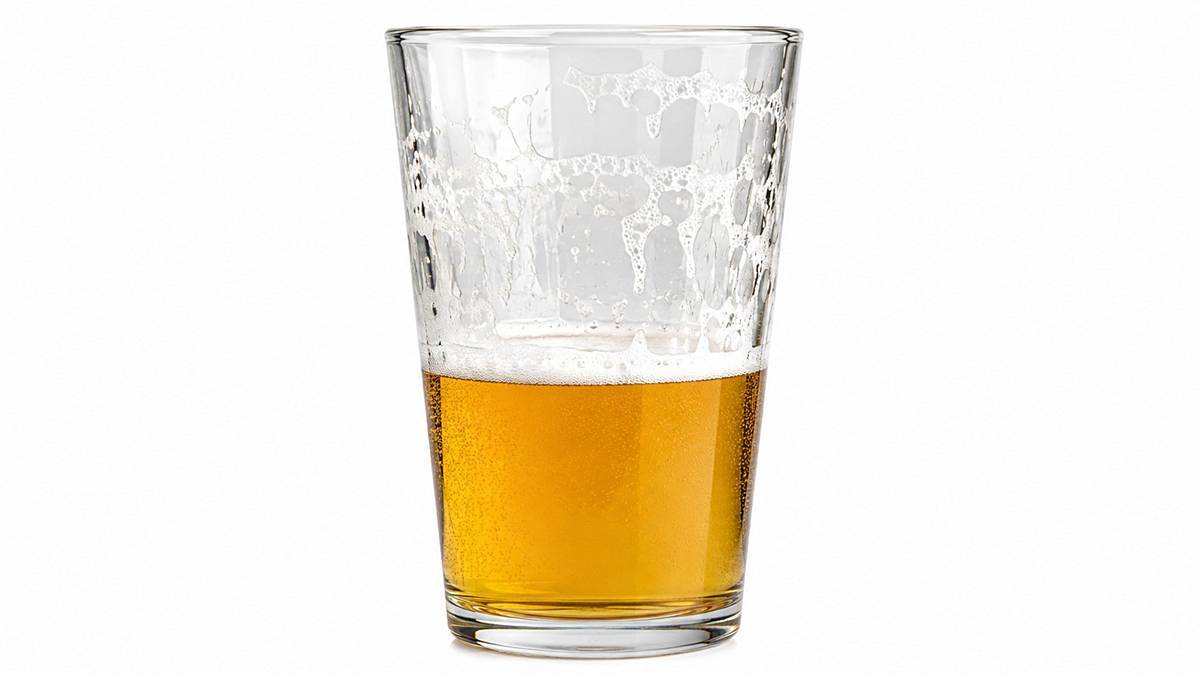
Look at the foam traces left after drinking—commonly called ‘lacing.’ Lacing appears when proteins and sugars in the foam cling to the glass. Generally, the cleaner the glass, the more naturally the lacing appears. Still, lots of lacing doesn’t automatically mean the beer is better or fresher; it depends on the beer style and how it was poured.
If the beer tastes off, check storage as well as the glass
If your pour produces almost no foam or the beer tastes flat, the glass might not be the only issue. The beer itself could have lost quality.
Signs of stale beer are usually obvious. If you don’t hear the characteristic ‘psst’ when opening a bottle or can, or the pour produces little head, carbonation may be gone. If the beer tastes unusually flat, too sweet, or excessively sour, skip it.
Scent is a major clue, too. Strong, unusual smells—like rubber or sulfur—are a red flag. Watch for excessive sediment as well. Some beer styles naturally have sediment, but heavy sediment in a typical beer could mean deterioration.
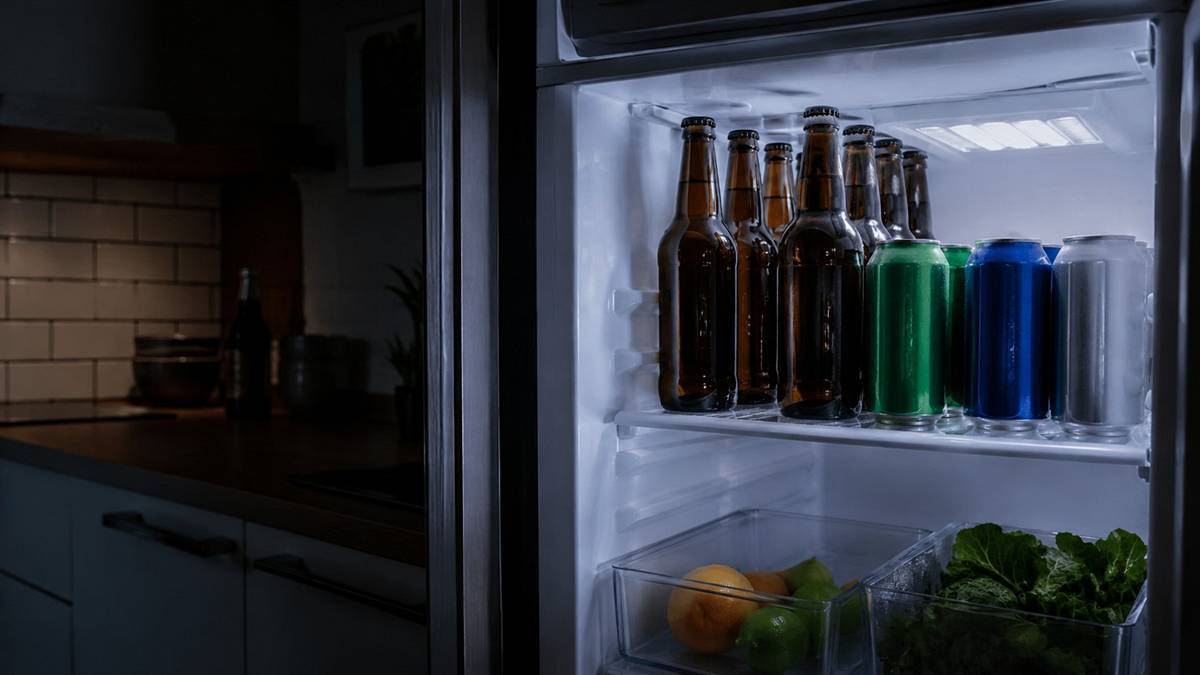
How you store beer matters. Beer prefers cold, dark conditions—refrigeration is ideal. Avoid freezing it: frozen beer can distort the container or alter flavor. Short-term room-temperature storage is fine, but don’t leave beer at room temp for long.
If you plan to keep beer for a while, store bottles upright and protect them from light. Light and temperature swings can degrade aroma and taste. Even in the fridge, repeatedly taking beer in and out subjects it to temperature changes that can reduce quality.
How to properly wash beer glasses at home
The key at home is to avoid leaving oil and detergent behind. It’s a myth that you must never use soap—use a small amount of dish detergent if needed. The trick is minimal soap and a thorough rinse.
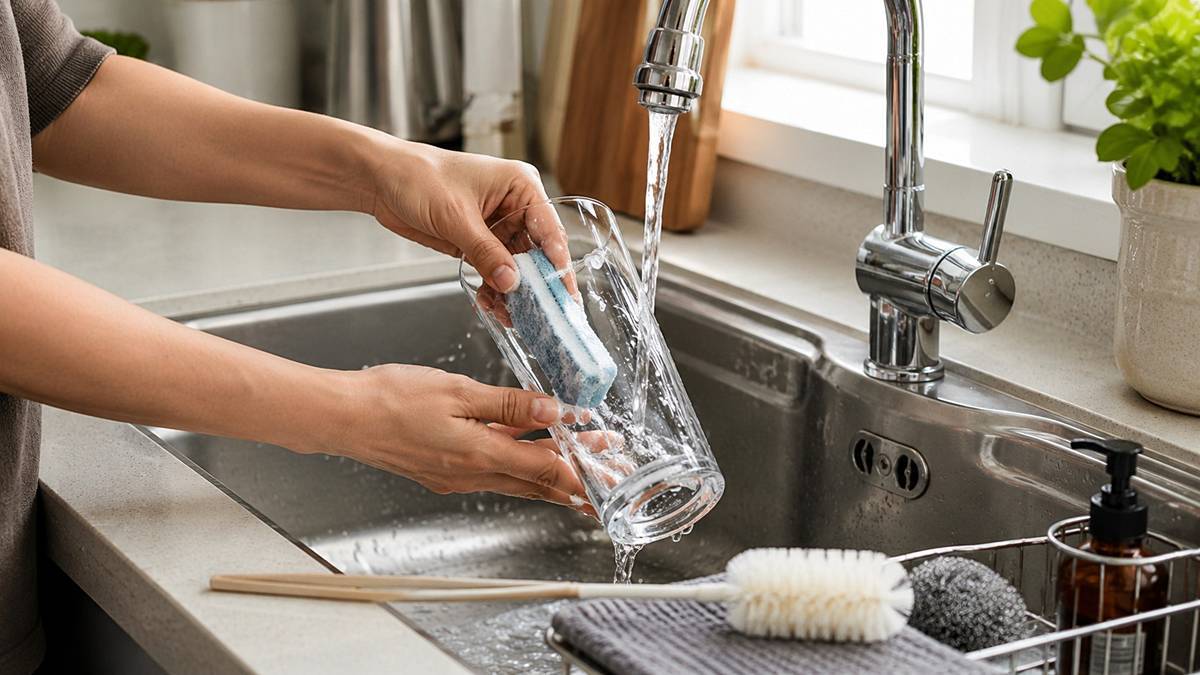
Start by rinsing the glass with lukewarm water. Then use a clean sponge or a dedicated beer-glass brush to scrub the inside bottom and the rim. The rim traps lip balm, food oils, and skin oils—if it’s not cleaned well, the head will collapse easily.
Avoid washing greasy dishes and beer glasses together. Oil from other plates can transfer via the sponge or water. A thin film of oil on the glass prevents the head from holding and causes bubbles to cling to the surface.
Rinsing is as important as washing. Run the glass under water several times until there’s no detergent smell or slippery feel. If water sheets evenly down the inside in a thin film, the glass is likely clean. If water beads up or runs off in droplets, oil or residue may remain.
After washing, let glasses air-dry on a rack instead of wiping them with a towel; towels can leave lint or odors. Don’t place glasses upside down on a sealed surface—that traps smells and watermarks. Use a draining rack so water can escape.
If odors or residues bother you, try a little baking soda. Sprinkle a bit inside the glass, gently scrub with a damp sponge, and rinse well to remove oil and smells. Avoid abrasive pads, which can scratch the glass.
Great beer starts with a great glass. Temperature and pouring matter, but a dirty glass will ruin the foam and aroma in an instant. If you pour the same beer and one glass shows an unusual amount of bubbles, suspect the glass first—not the beer.





Most Commented