
Translation result

If you picked a quality olive oil for your health, don’t let storage undo your good choice. Olive oil is more sensitive than other cooking oils—its aroma and makeup can change fast. Leave it out on the counter and that bright, fresh flavor fades and oxidation speeds up. Caring for it properly is just as important as choosing the right bottle.

How to keep olive oil fresh
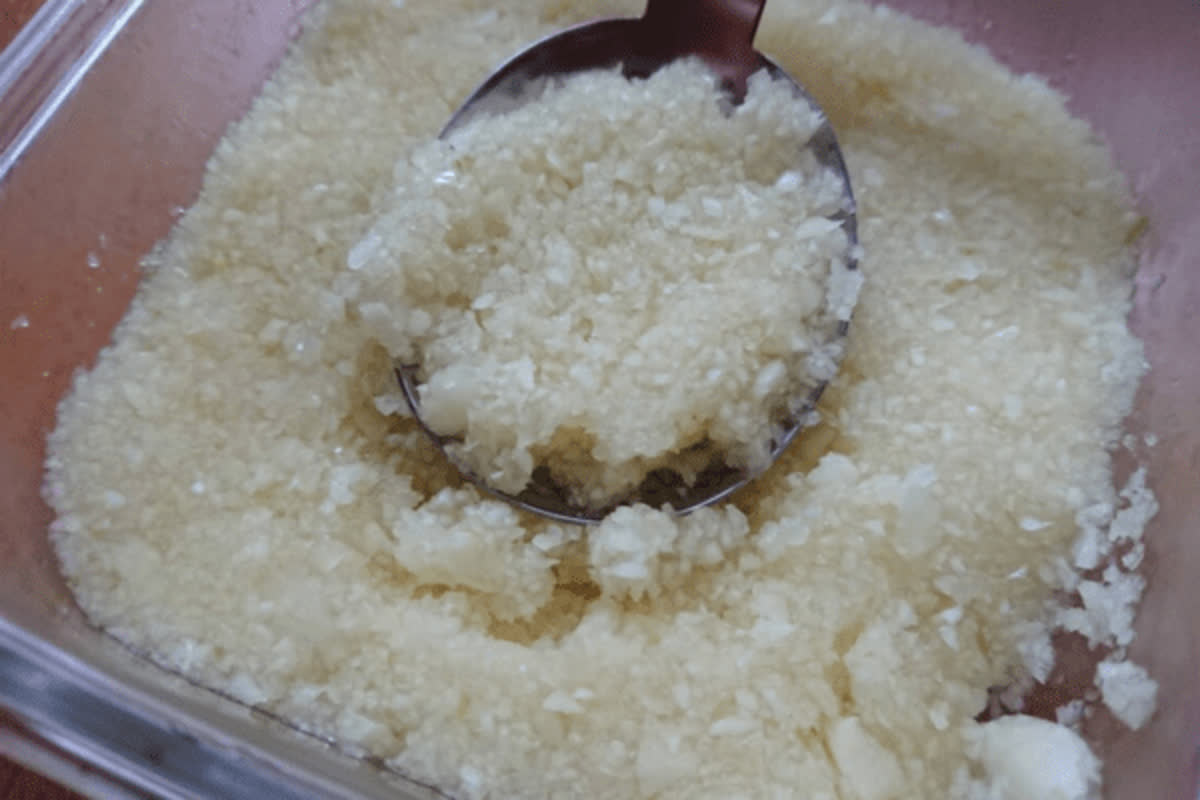
Olive oil reacts a lot to its surroundings. Some people stash all oils in the fridge to extend shelf life, but that’s not always right for olive oil. Cold can create white crystals or make the oil solidify—this is natural, caused by certain components solidifying.
The real issue is when the oil keeps freezing and thawing. One freeze won’t ruin it, but frequent temperature swings dull its signature aroma and flavor. For most homes, room-temperature storage is best. Aim for a cool spot, roughly 50°F to 77°F (10–25°C).
Keep your bottle away from the stove and oven. Heat from cooking transfers to the bottle and speeds up oxidation. A cabinet under the sink or a dark kitchen cupboard out of sunlight is ideal. Avoid sunny windowsills and countertops near the cooking area where both light and heat hit the bottle.

Light matters, too. UV rays speed up oxidation. If your oil comes in a clear bottle, wrap it in foil or a paper bag to cut down on light exposure. That’s also why premium oils often come in dark green or brown bottles.
Minimize contact with air. Leaving the cap off or not sealing it properly increases oxygen exposure. Close the cap tightly after each use, and use bottles with narrow necks when possible. If you buy in bulk, pour a smaller amount into a dark brown glass bottle you’ll use regularly—this reduces air contact.
Wipe any oil off the bottle neck, too. Residue can get sticky and smelly over time. A quick wipe with a paper towel after each use keeps the bottle tidy and hygienic.
Health benefits of olive oil
Olive oil’s health halo comes from its fatty acid profile and antioxidants. A key player is oleic acid, a monounsaturated fat. When part of a balanced diet, oleic acid can help support healthy cholesterol levels.
It also contains antioxidants like polyphenols and vitamin E, which help manage oxidative stress in the body. That’s why people who want to control oil intake but still get good fats often turn to olive oil.

Extra virgin olive oil is notable for oleocanthal, a natural phenolic compound. High-quality oils can give a slight peppery or tingling feel at the back of the throat—that’s the polyphenols at work. But a strong bite alone doesn’t guarantee quality; consider aroma, freshness, acidity, and storage, too.
Some people use olive oil for digestive reasons. Fats can influence gut motility, so a small amount in the morning works for some. But taking oil on an empty stomach isn’t for everyone—it can cause bloating, diarrhea, or stomach discomfort in some people. Start small and see how your body reacts.
Olive oil also helps your body absorb fat-soluble vitamins. Vitamins A, D, E, and K absorb better with fat, so drizzling a little olive oil on vegetables can boost both flavor and nutrient uptake.
Remember: olive oil is still a calorie-dense fat. Don’t overdo it just because it’s healthy. One to two tablespoons a day is a sensible guideline, adjusted to your overall diet. If you already eat a lot of high-fat foods like nuts, avocados, or fatty meats, cut back on the olive oil accordingly.
How to use olive oil with Korean side dishes
Olive oil isn’t just for pasta or salads. Used thoughtfully, it can brighten Korean side dishes without weighing them down. Its fresh profile is different from the nuttiness of sesame or perilla oil, and it pairs well with vegetables, tofu, and eggs.
The easiest option is broccoli tossed with olive oil. Cut broccoli into bite-sized florets, blanch briefly in salted water, then shock in cold water. Dry thoroughly, then toss with a pinch of salt, a little minced garlic, and extra virgin olive oil. The result is a simple side that showcases broccoli’s crunch and the oil’s bright aroma.

Tomato-and-egg stir-fry goes well with olive oil, too. Lycopene in tomatoes is better absorbed with fat. Sauté tomatoes in olive oil until they release some juice, add beaten eggs, and cook gently. Season with salt and pepper for a light breakfast or side.
Pan-fried tofu benefits from olive oil as well. Press out the water, slice into moderate-thickness pieces, and brown over medium heat in olive oil. The oil adds flavor so you can use less soy sauce. For an even quicker option, drizzle raw tofu with olive oil, salt, and pepper for an easy tofu salad.
Use a little olive oil in namul (seasoned vegetable) dishes. A dash on blanched spinach, zucchini, or eggplant plus a sprinkle of salt lets the ingredients shine. If you want a garlic note, add only a tiny bit of minced garlic so it doesn’t overpower the oil. To highlight the olive oil itself, keep seasonings light.
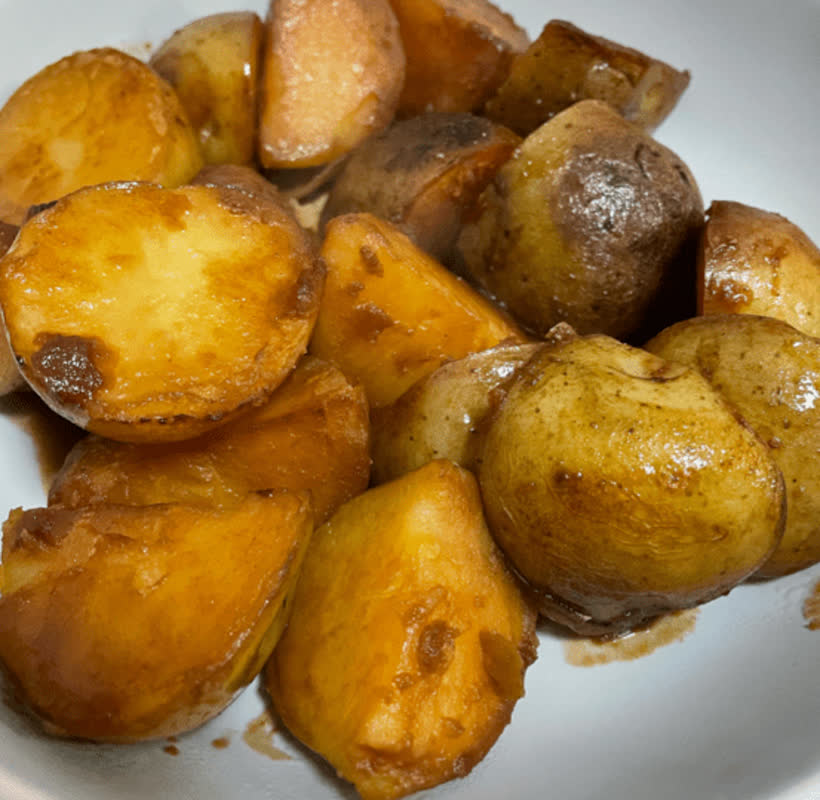
Milder ingredients like potatoes and mushrooms also pair nicely with olive oil. Toss boiled potatoes with a bit of olive oil and salt for a gentle side, or sauté mushrooms over medium heat and finish with a splash of oil to boost aroma. Because these dishes don’t need heavy seasoning, they’re great if you’re trying to cut back on salt.
How to choose a good olive oil
Choosing the right product matters. Labels usually say extra virgin, virgin, pure, etc. For raw uses like dressings and dips, pick extra virgin. It’s made by pressing olives without chemical refining, so it keeps more aroma and flavor.
Check the acidity level when you can. Extra virgin olive oil generally meets a standard of 0.8% acidity or lower. Lower acidity often means better-quality olives and gentler extraction. Still, don’t judge by acidity alone—look at the production date, harvest year, and packaging, too.

Look for terms like “cold-pressed” or “low-temperature extraction.” Oils made without high heat tend to preserve aroma and beneficial compounds. But consider those claims with the producer’s reputation, harvest year, and clear origin information.
Bottle material matters. Dark glass or tin cans that block light are better than clear plastic. Choose a size that matches your household and how often you use it—olive oil oxidizes after opening, so if you use it infrequently, opt for smaller bottles instead of bulk.
Origin and olive variety can guide your choice, too. Spain, Italy, and Greece each offer different flavor profiles, and olive varieties bring grassy, fruity, or peppery notes. Rather than buying a large bottle right away, try smaller ones to discover the flavor you like best.
Precautions when using olive oil
Watch the smoke point. Extra virgin olive oil works well for light sautéing and roasting, but it’s not ideal for long, high-temperature deep frying. Once the oil smokes, flavor and aroma degrade and compounds change—use a dedicated frying oil for high-heat frying.
Olive oil’s main advantage is flavor, so use it in dressings, on finished dishes, or to finish roasted vegetables to get the most aromatic impact. When cooking with it, favor medium heat and shorter cooking times over prolonged high heat.

Don’t keep the oil bottle on the counter out of convenience. Leaving it next to the stove exposes it to constant light and heat. After use, tighten the cap and store the bottle in a dark cabinet. Small habits like this make a big difference in preserving flavor and aroma.
Be careful with pourers. They help with portion control and keep the neck cleaner, but pourers without caps can expose the oil to air. If you use one, pick a model with a cap and clean the bottle neck regularly.
Finally, track how long you’ve used the oil after opening. Oxidation begins the moment the bottle is opened. No matter how well you store it, flavor and aroma fade over time. Try to use opened olive oil within about three months, and avoid keeping it longer than six months.





Most Commented