
Translation result
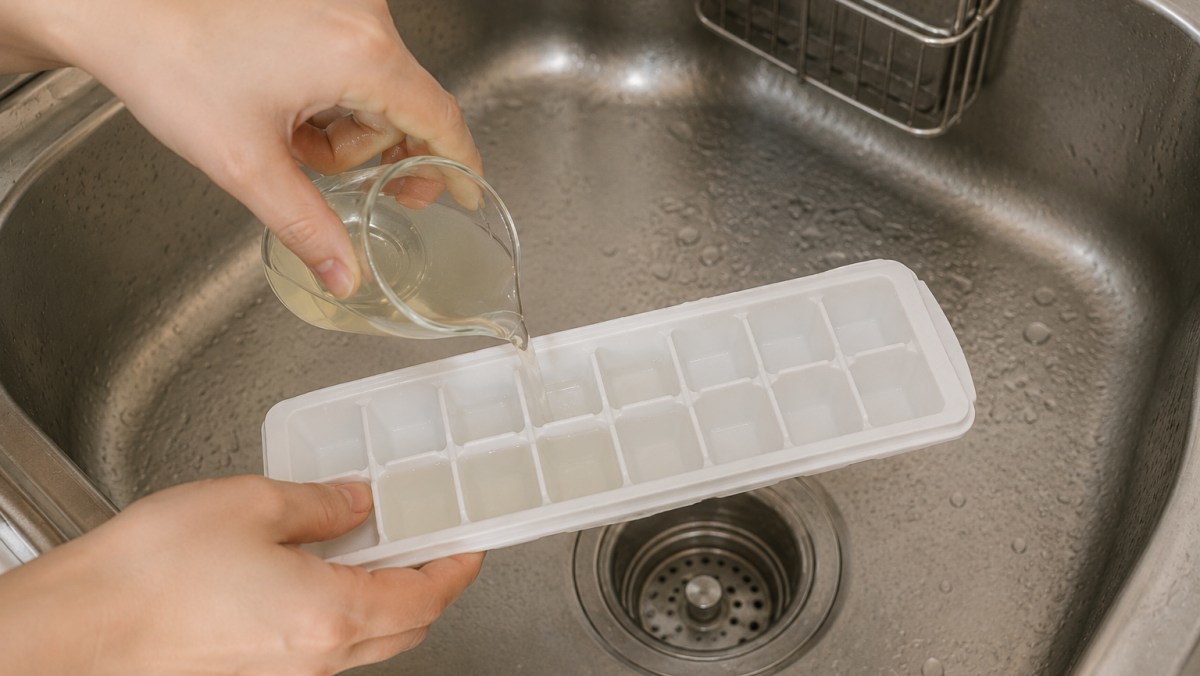
On a scorching summer day, a glass of iced Americano straight from the freezer feels like a little oasis. But that crisp ice you toss into your drink isn’t always as innocent as it looks—hidden bacteria can turn it into a culprit behind stomachaches and food poisoning.
If you’ve ever thought, “It’s just frozen water,” and only gave your ice tray a quick rinse before popping it back in the freezer, it’s time to rethink your routine.
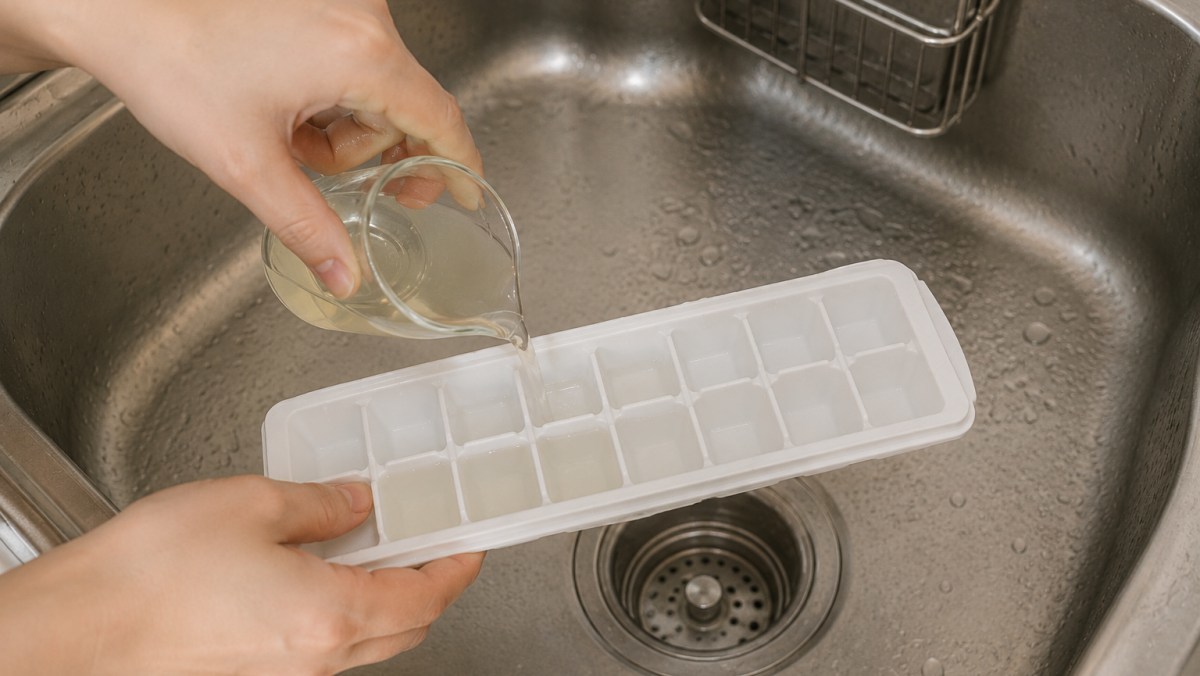
There’s an easy, no-fuss way to protect your family from those stubborn food-poisoning microbes that can survive even in freezing temperatures. Using common vinegar and a microwave, you can disinfect an ice tray in about 20 minutes. Below, we break down a simple sanitizing method and a couple of smart hacks for reusing leftover ice.
Why a quick rinse with water isn’t enough
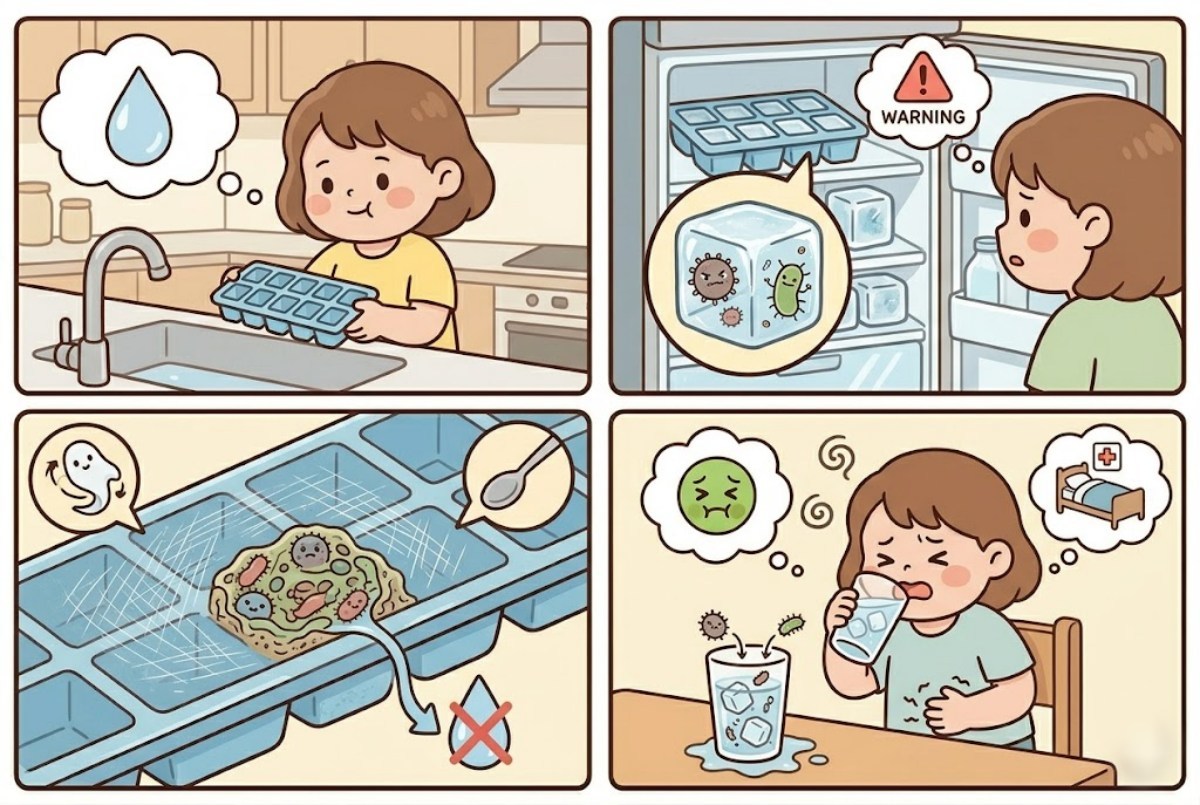
Many people assume an ice tray only freezes clean water, so they just rinse and reuse it. But ice trays can be hygiene blind spots. According to public health guidance, pathogens that cause food poisoning—like norovirus and Listeria—can survive for long stretches even in freezers at very low temperatures (below –4°F / –20°C).
Plastic trays are especially vulnerable: when you twist them or pry ice out with a spoon, tiny, invisible scratches form. Residue and organic matter can lodge in those micro-grooves and allow bacteria to build a protective biofilm. That biofilm won’t come off with a quick rinse or a light scrub with dish soap. If you pour water into an already contaminated tray and refreeze it, the bacteria get locked into the ice—and when that ice melts in a drink, it can make someone sick.
Kill bacteria with vinegar and the microwave
A household vinegar rinse is a safe, effective way to sanitize ice trays. The method is simple and grounded in science.
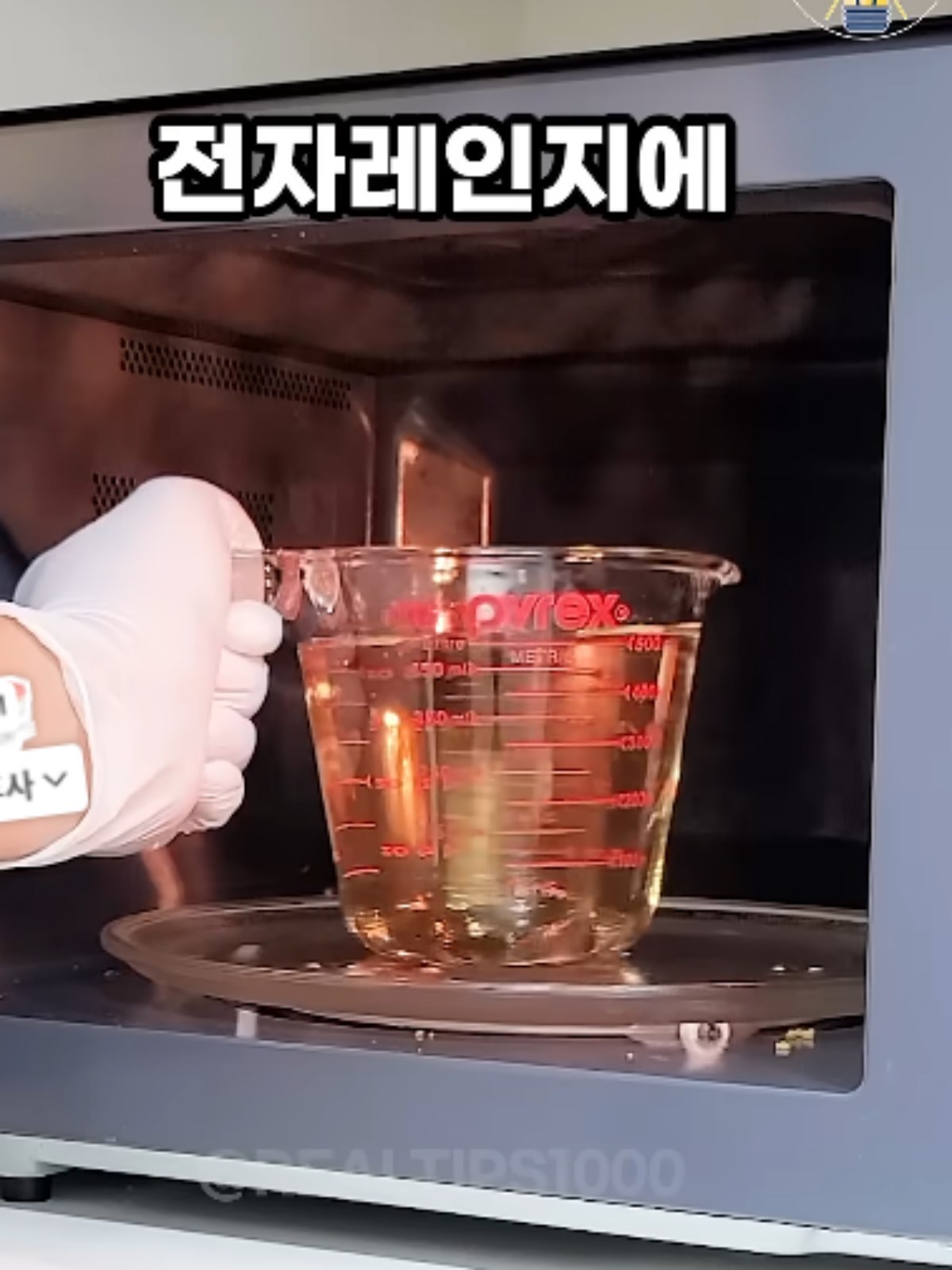
Start by scrubbing the tray with dish soap to remove visible grime, then rinse. In a microwave-safe container, mix water and vinegar in a 3:1 ratio—three parts water to one part vinegar. This mix keeps the vinegar acidic enough to disinfect without leaving a strong, lingering vinegar smell.
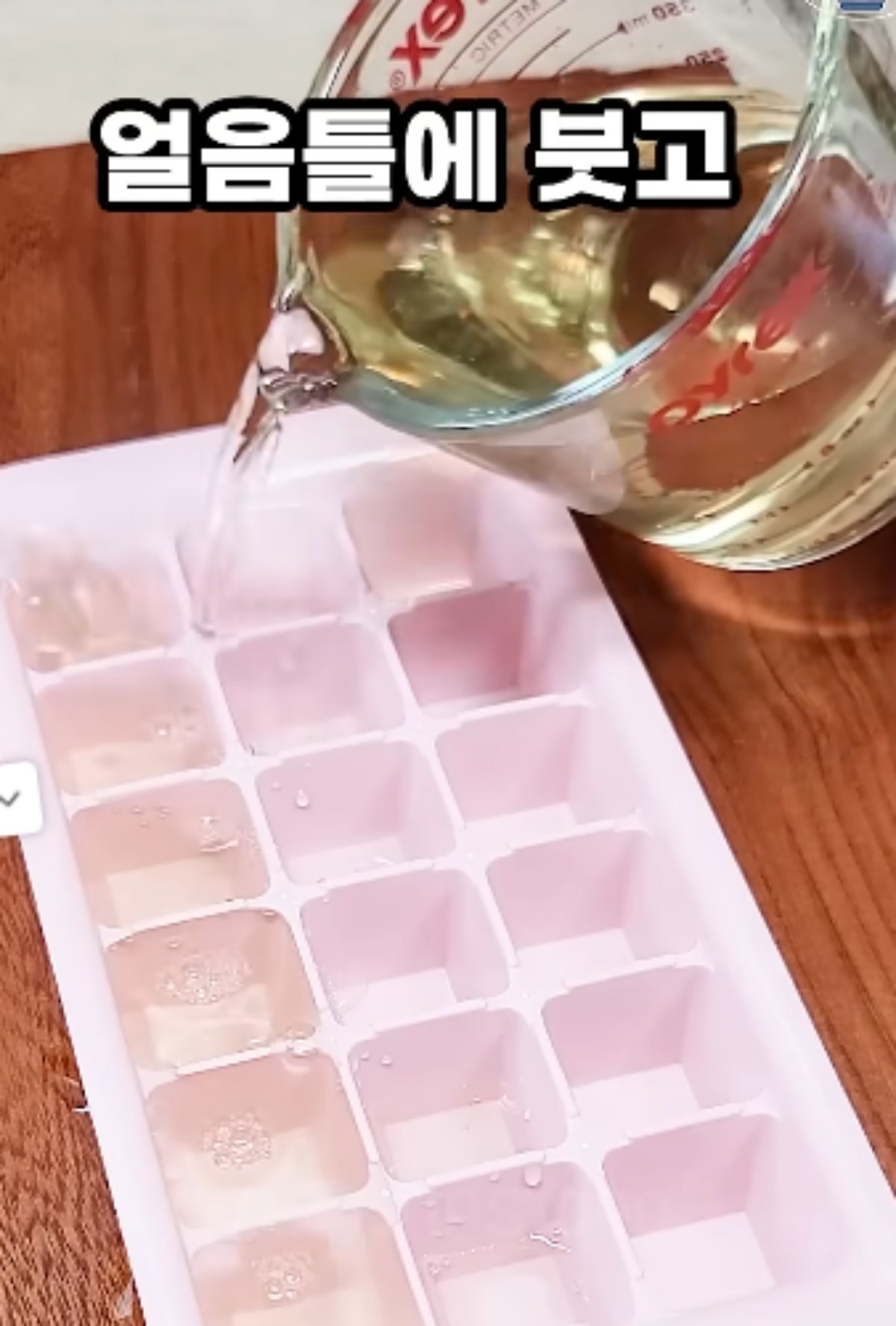
Warm the solution in the microwave for about one minute—just until it’s pleasantly warm. Acetic acid, vinegar’s active ingredient, is more effective at higher temperatures. Don’t use boiling-hot liquid, though; scalding water can warp plastic trays. Aim for a bathlike warmth.
Pour the warm vinegar mixture into each compartment and let the tray soak for 20 minutes. The warm solution seeps into tiny crevices, breaking down bacterial cell membranes and killing germs. Afterward, rinse thoroughly with clean water and dry the tray completely in a sunny, well-ventilated spot to prevent moisture from allowing bacteria to return.
Use leftover ice to block drain odors and pests
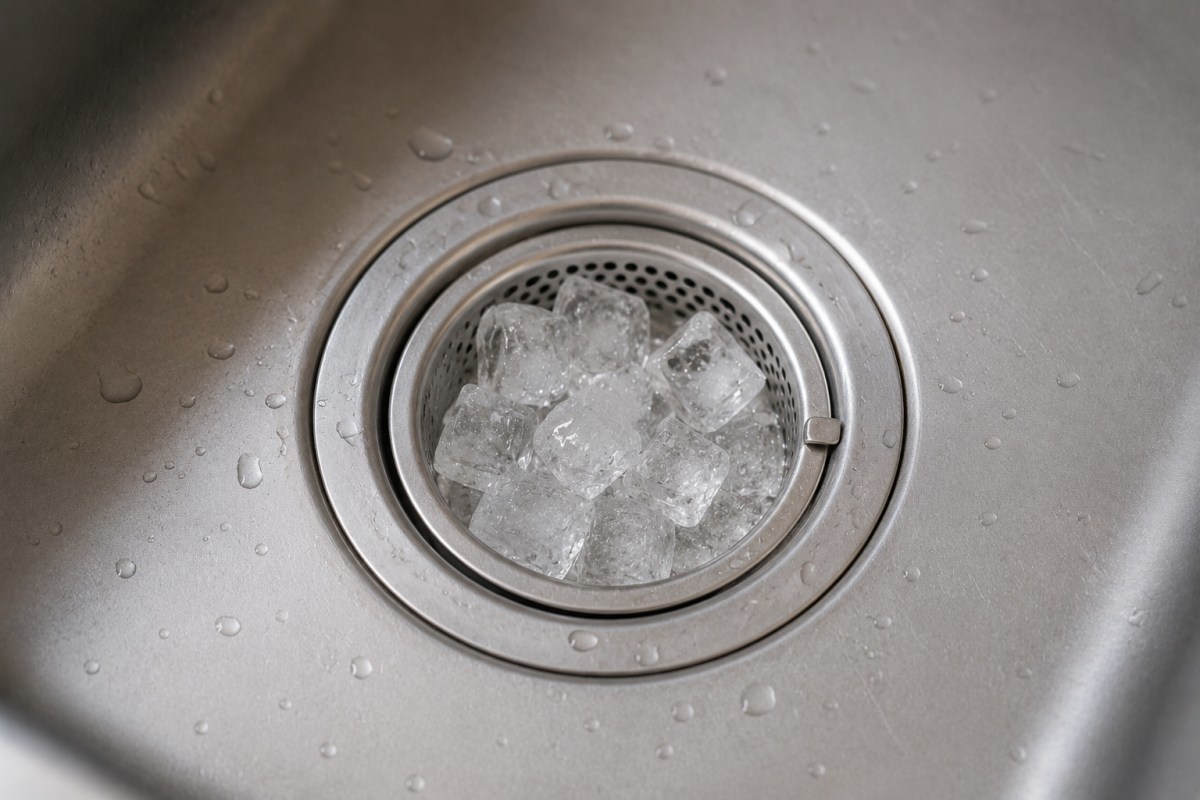
Don’t toss ice that’s been sitting in a glass or has picked up a freezer smell. Pop it into the sink or bathroom drain instead—ice is a surprisingly effective odor blocker. There are two clear physical reasons why this trick works.
First, cold slows decomposition. Foul drain smells in summer come from gases like ammonia or hydrogen sulfide released as organic waste breaks down. Filling the drain with ice chills the area quickly and suppresses the microbes that produce those gases. Cooler gases also dissipate less readily, so odors from deep in the pipes are less likely to spread into your home.
Second, melting ice provides a gentle, continuous flush. As the ice slowly melts at room temperature, it pushes out stagnant, contaminated water in the pipes. The cold environment also makes it harder for summer pests—think fruit flies—to lay eggs or for larvae to develop, which helps reduce infestations.
Bring ice into your summer desserts
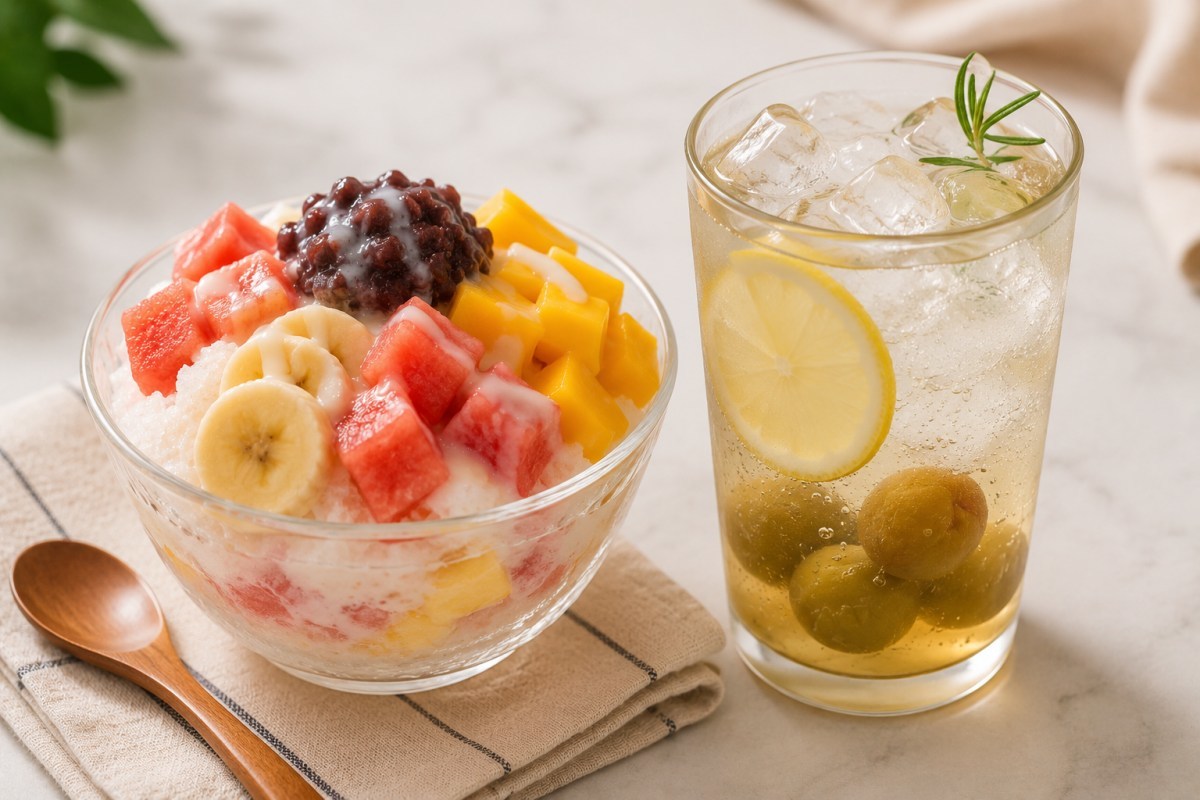 Bingsu and lemonade / AI image based on the article
Ice is an MVP for quick, simple summer treats and drinks. With just frozen water and a few pantry staples, you can make delicious, refreshing options at home.
Try an easy milk-and-fruit bingsu: add equal parts ice cubes and milk to a blender and pulse until fluffy. Drizzle plenty of condensed milk on top and pile on leftover fruit—watermelon, mango, or banana all work. For a more traditional touch, add a spoonful of store-bought sweet red bean paste. No blender? Put milk and ice in a resealable bag, wrap it in a kitchen towel, and smash to create shaved-ice texture.
For a thirst-quenching drink, make a plum-syrup lemonade: fill a glass with ice, pour in about one-third plum syrup, then top with sparkling water. Add a tablespoon of bottled lemon juice or a fresh lemon slice, stir gently, and enjoy a bright, balanced homemade ade. As the ice melts, the plum flavor smooths out—perfect as a post-meal refresher.
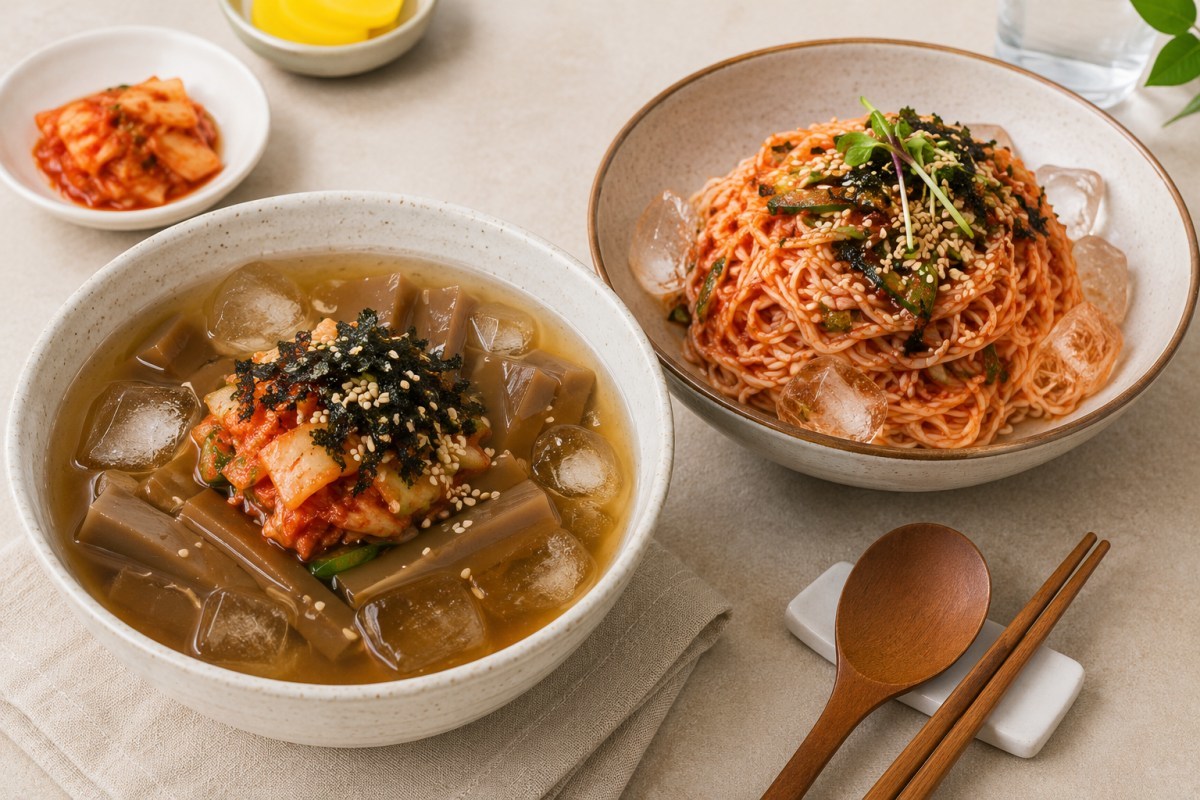
Ice works beyond desserts—use it in meals, too. For a light, appetite-friendly lunch, try an easy acorn-jelly cold soup: slice store-bought acorn jelly into strips, place in a bowl, and pour in chilled naengmyeon broth from the supermarket. Top with chopped, tangy kimchi, a sprinkle of seaweed flakes, drizzle of sesame oil, and sesame seeds. Float four to six ice cubes on top—the cold keeps the broth refreshing and firms up the jelly for a pleasant, chewy texture.
Similarly, toss a few ice cubes into spicy mixed noodles (bibim-guksu) right before serving. The ice firms the noodles and sharpens the spicy sauce for a cleaner finish. Ice does more than chill; it enhances texture and boosts a drink’s refreshing quality, making it a versatile ingredient for summer dishes and beverages.






Most Commented