
Translation result
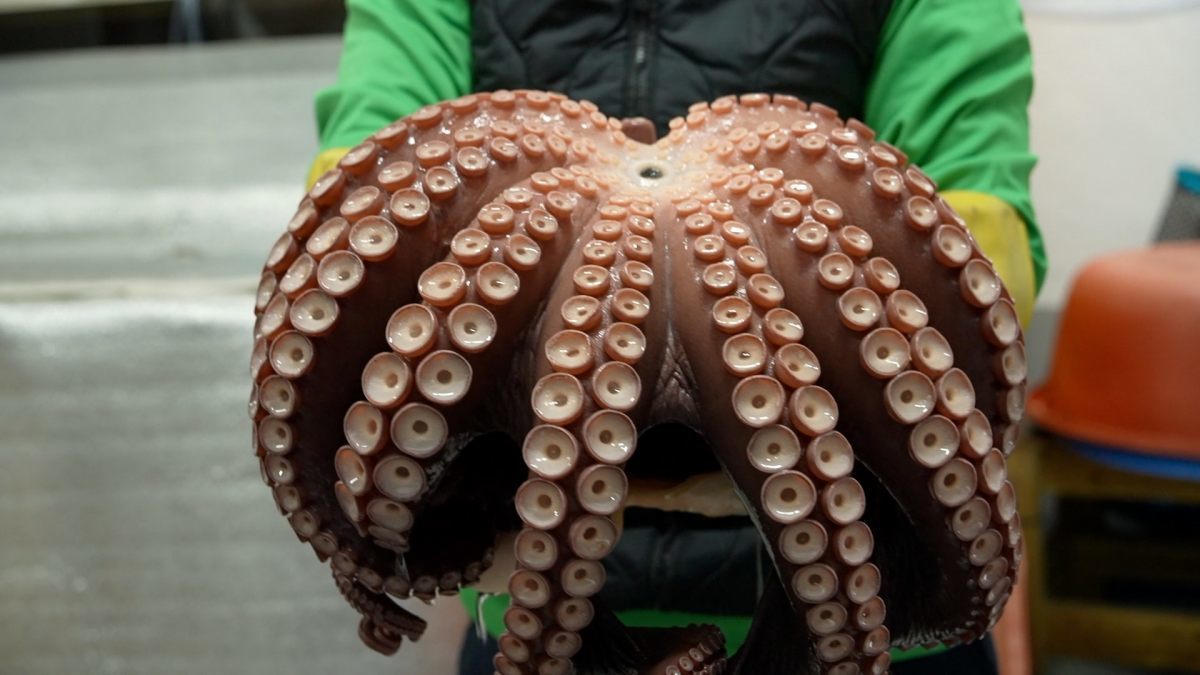
In the second episode of EBS1’s Korean Journey series “Women Worth Billions,” we meet Kim Seong-ran — the Mukho Port entrepreneur who turns flower octopus into about 1 billion KRW a year (₩1,000,000,000; about $750,000).
After years of grueling work in the octopus trade, she’s built a business that now pulls in annual sales of 1 billion KRW (₩1,000,000,000; about $750,000). This episode follows her gritty climb and the smart moves behind her success.
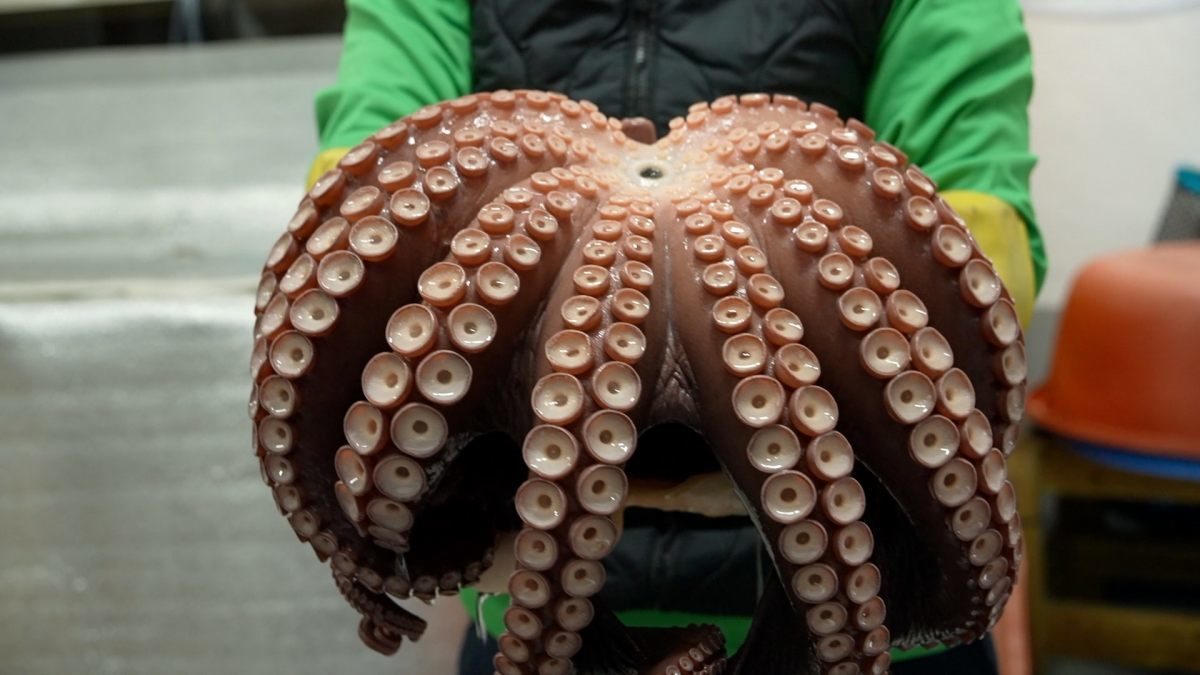
‘Korean Journey’ Women Worth Billions Part 2 — 1 billion KRW (₩1,000,000,000; about $750,000) from Flower Octopus
At Mukho Port in Donghae, the octopus auctions are intense every single day. Amid the buzz and tension, one figure stands out: Kim Seong-ran, a major buyer and trusted name at the market. Her nonstop order calls are the payoff of more than 30 years of hard-earned experience and solid relationships.
Kim handles and ships over 200 kg (more than 440 lb) of octopus nationwide and records annual sales around 1 billion KRW (₩1,000,000,000; about $750,000). Her edge? A signature product and presentation. She presses the octopus’s suction cups against the inside of the pot to shape its legs, then boils it so the arms splay open like a blooming flower — the “flower octopus.” That clever twist became the backbone of her high sales and earned strong praise in the market.
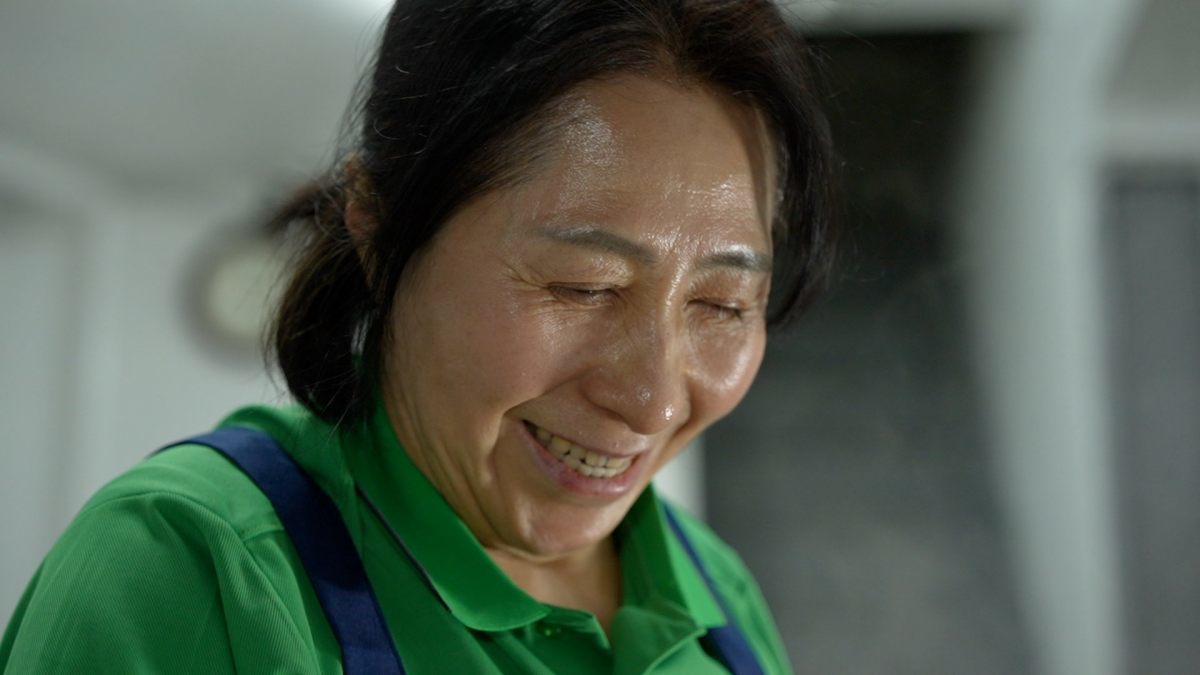
Her connection to octopus began when her husband started working on an octopus boat. When fishing alone couldn’t support the family, she jumped into selling. In the early days she gave up sleep and threw herself into the work. Those tough years were also school — she honed skills, gained trust, and eventually developed the flower octopus that defines her brand.
Today Kim is reaping the rewards of a life spent with octopus — the ups and downs, the long nights, the risks. Her grit turned into a steady business, and many expect the flower octopus to become even more familiar on tables across Korea as her story continues to spread.
All About the Flower Octopus: A Taste That Blooms
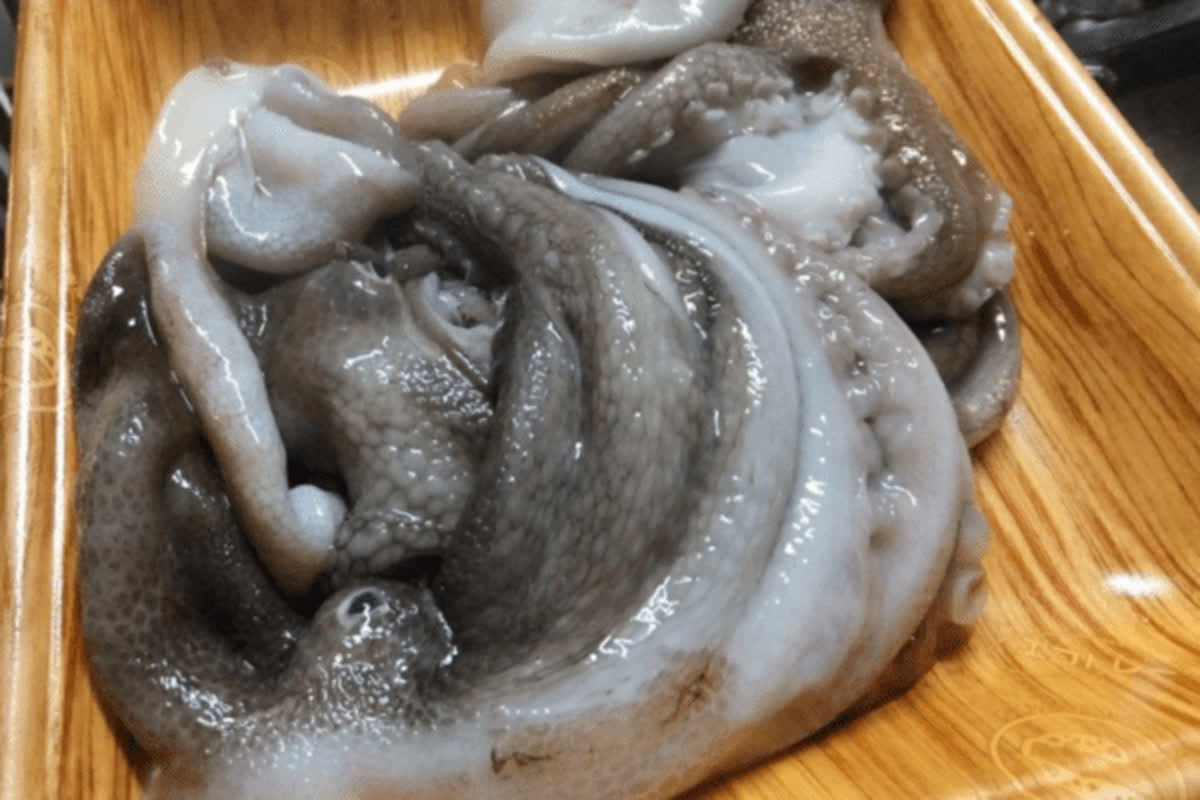
In Korean seafood markets, “flower octopus” usually refers to the chestnut octopus (Paroctopus conispadiceus), mainly caught along the East Sea. Depending on the region it’s also called beol octopus or the Japanese-derived yanagi, but the name flower octopus is widely used because its legs curl into a pretty, flower-like shape when cooked.
The flower octopus is ecologically distinct from the common octopus or giant octopus. It lives in deep, cold water between 100 and 200 meters (about 328–656 feet) and grows to roughly 50 cm (about 20 inches) including its arms. Smaller than larger octopus species, its body usually shows red or brown tones. It favors cold currents along the coasts of Gangwon and northern Gyeongsangbuk provinces.
The “flower” name comes from its cooking transformation. When blanched in boiling water, its arms curl inward and open like a blossom, and the skin’s red hue becomes more vivid — a real visual treat. On the palate, flower octopus stands out: its flesh is softer and more tender than many other octopus types, offering a pleasant chew and a natural sweetness that often needs little seasoning.
Nutritionally, flower octopus is noteworthy, too. It’s rich in taurine, which may help reduce fatigue and support liver function, and it’s a low-calorie, high-protein choice that appeals to health-minded eaters. May’s warmer weather also drives demand for restorative foods, and seafood markets near the East Sea report brisk tourist interest and direct orders from local producers.
In short, the flower octopus holds an important place in Korea’s seafood culture thanks to its rarity, flavor, and visual charm. It’s a standout spring item from the East Sea, and with careful management and more research, it’ll likely keep enriching our tables.
EBS1’s Korean Journey — Following Nature and People
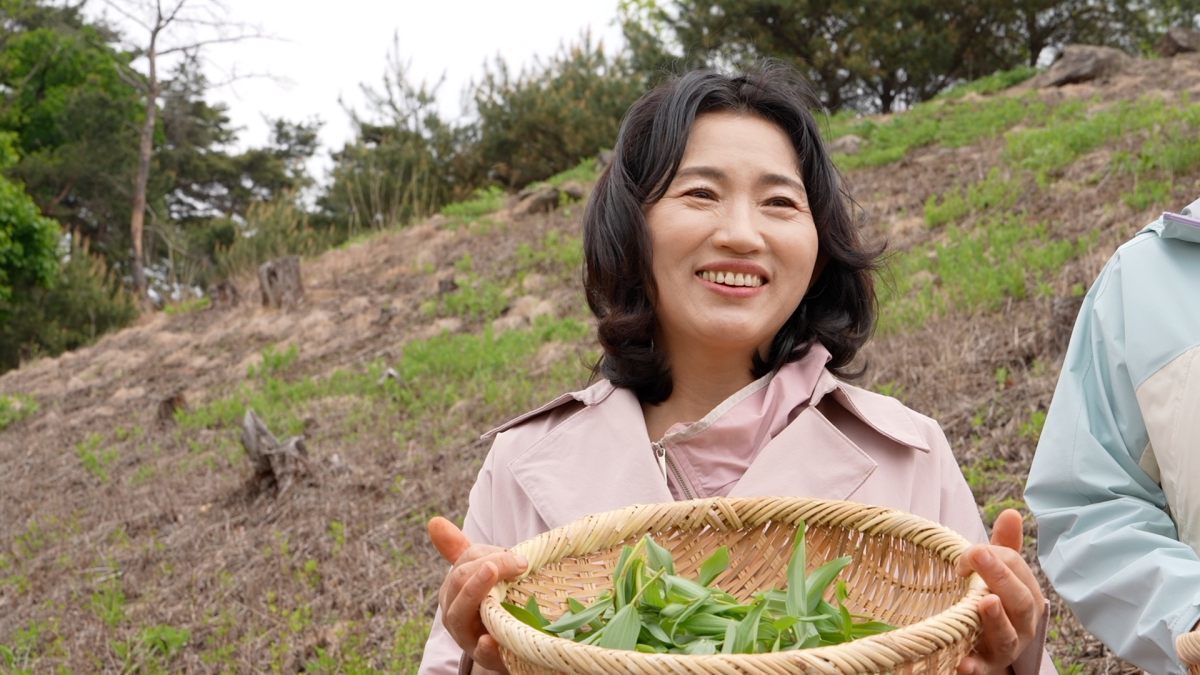
EBS1’s Korean Journey first aired in August 2009 and remains a flagship documentary on EBS. The series travels the country — mountains, seas, towns, and alleys — capturing seasonal scenery and the everyday lives and local cultures of the people who live there.
Each broadcast centers on one broad theme and runs in five parts. Episodes are about 30 minutes long and focus on a location’s natural setting, local lifestyle, and residents’ stories, calmly showcasing different ways of life and regional feeling.
Korean Journey favors authentic atmosphere and real-life stories over sensational scenes or heavy-handed production. The crew follows people in their daily habitats and uses restrained narration to show moments where nature, people, and place come together.
The program covers diverse places — mountain villages, fishing towns, farming communities, islands, and city neighborhoods — so viewers can discover regional landscapes and local cultures that are hard to encounter in everyday life.
You can catch Korean Journey regularly on EBS 1TV. The show continues to document Korea’s natural scenery and people’s lives, with a new theme and location each week.
Korean Journey airs Monday through Friday at 9:35 p.m. For broadcast details, check the EBS1 Korean Journey preview page on the program website.





Most Commented