
Exploring the Benefits of Elevating Marine Corps 1st Division to Corps Level in Pohang: What You Need to Know
Daniel Kim Views
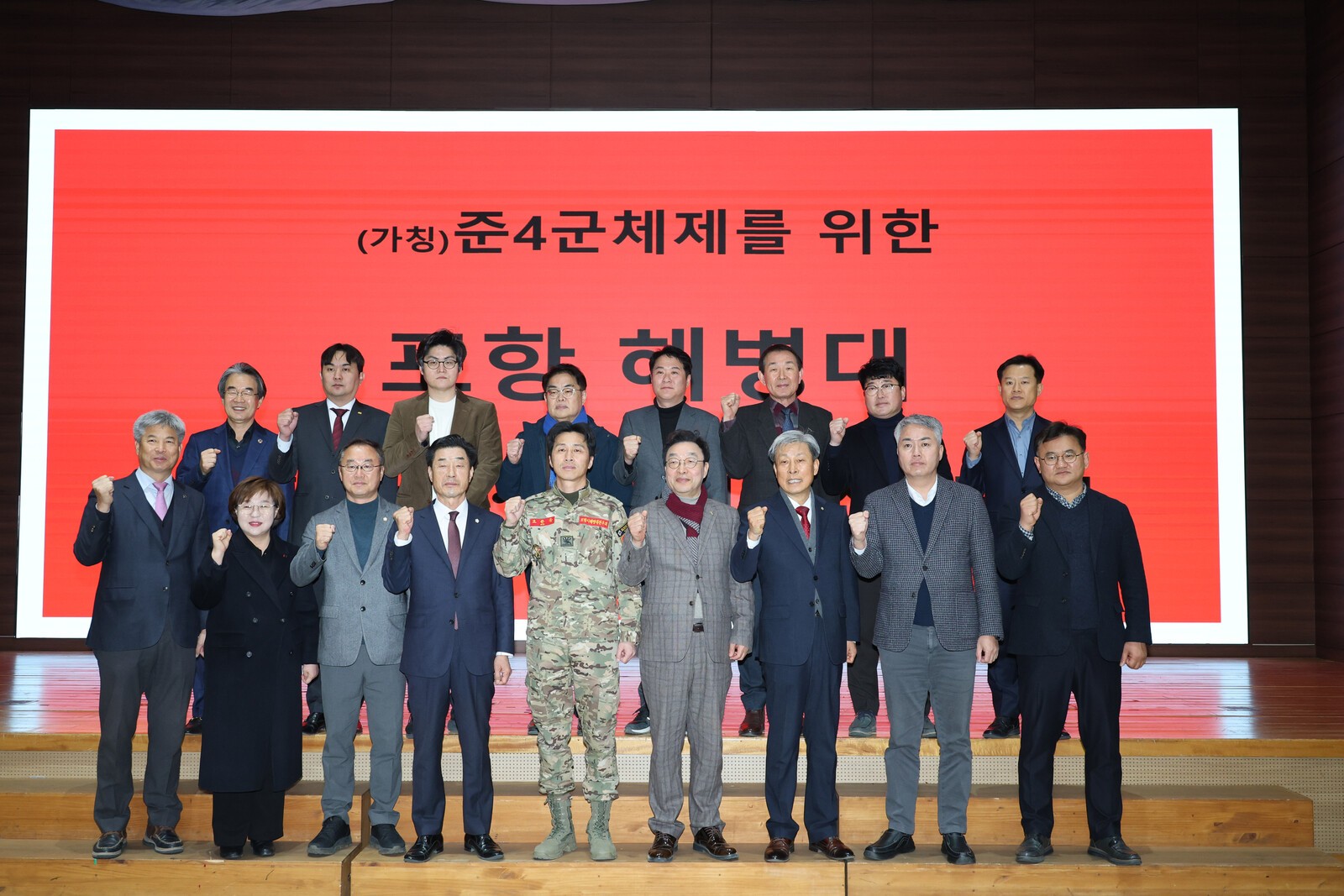
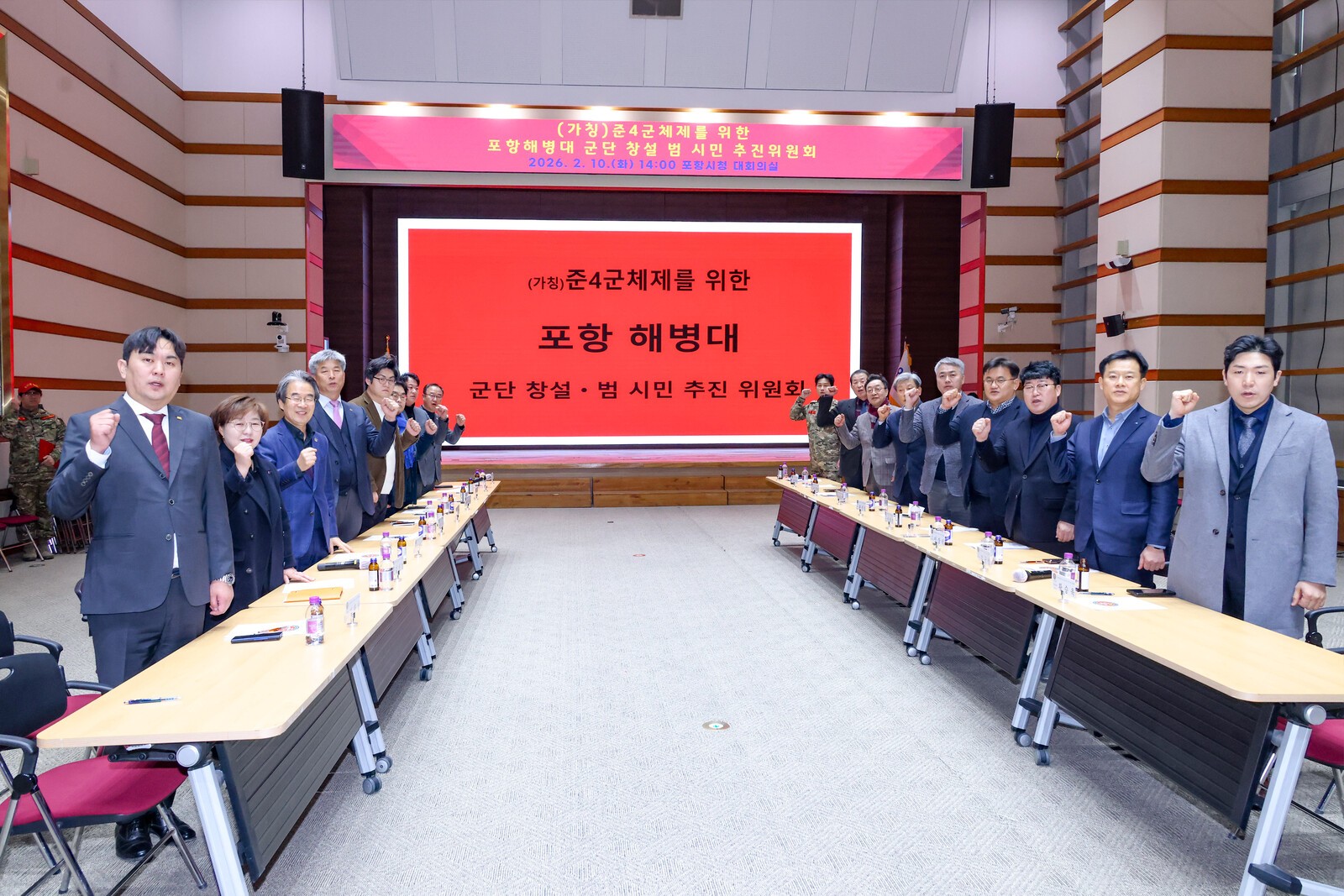
A coalition of political, economic, and social organizations in Pohang officially launched a civic committee on February 10th to champion the elevation of the Marine Corps 1st Division to corps status. The inaugural ceremony and initial meeting, held at Pohang City Hall, saw the committee introduce its members and outline future initiatives. They emphasized the critical need for establishing a full-fledged corps to complete the Marine Corps’ quasi-fourth military branch structure.
The launch event drew a diverse group of attendees, including Pohang City Council Chair Kim Il-man, council members Kim Sang-min, Park Chil-yong, Kim Jong-ik, and Yang Yoon-jae. Also present were key figures from local organizations and military-affiliated groups, such as Hwang Jin-il, president of the Pohang City Development Advisory Association, and Ko Han-jung, president of the Pohang Marine Corps Veterans Association. The gathering underscored the broad community support for the initiative.
Ha Sang-gon, advisory committee chair of the Pohang Marine Corps Veterans Association, was elected to lead the civic committee. The group plans to convene a forum in March, bringing together 30 to 45 organizations to chart a clear course of action and build public consensus.
Late last year, the Ministry of National Defense unveiled plans to restructure the Marine Corps into a quasi-fourth military branch. While this proposal included enhancing the Marine Corps commander’s authority and reviewing the establishment of an operational command, it fell short of the committee’s demands for corps formation and troop expansion. The committee argues that these elements are crucial for fully realizing the quasi-fourth military branch structure.
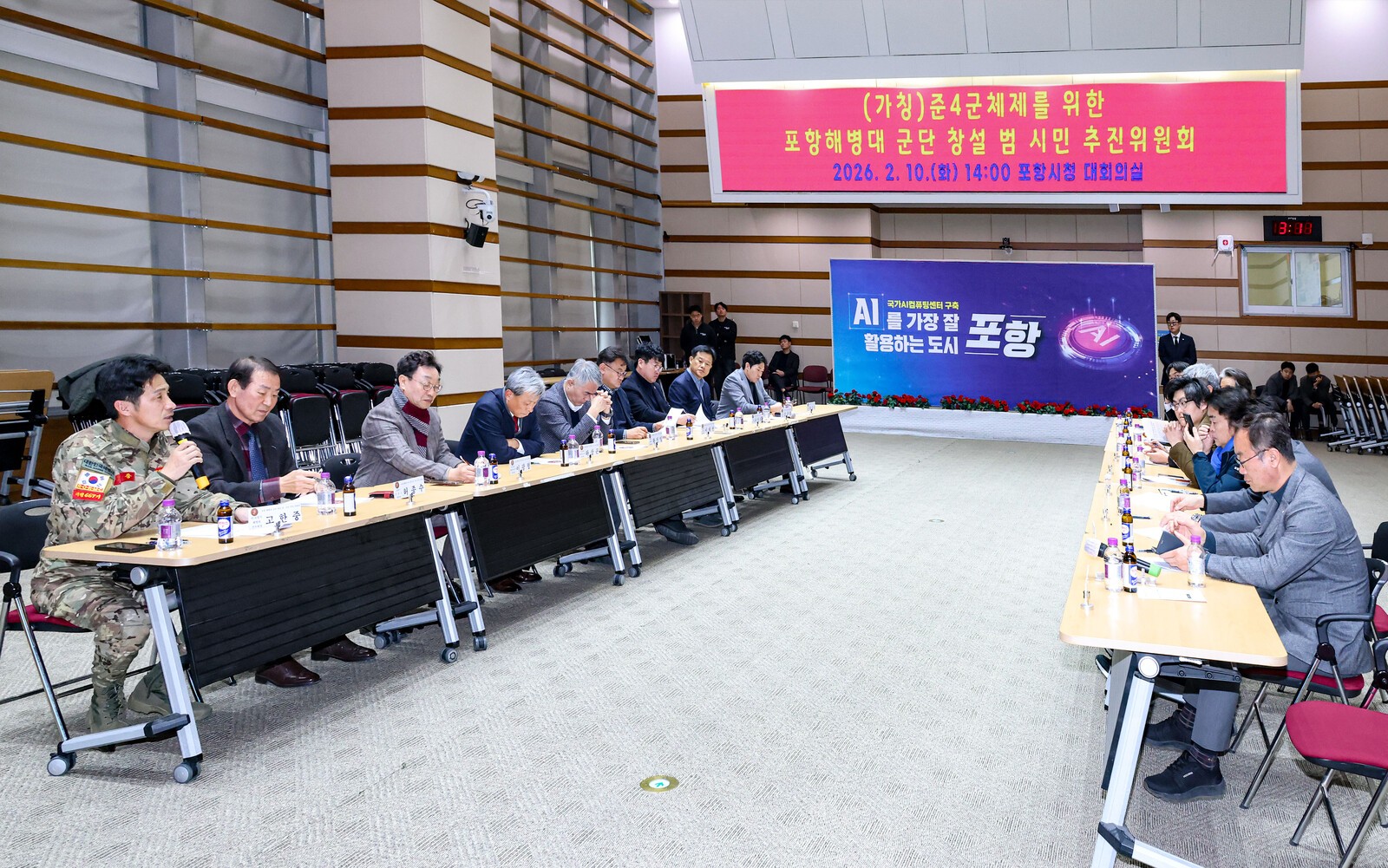
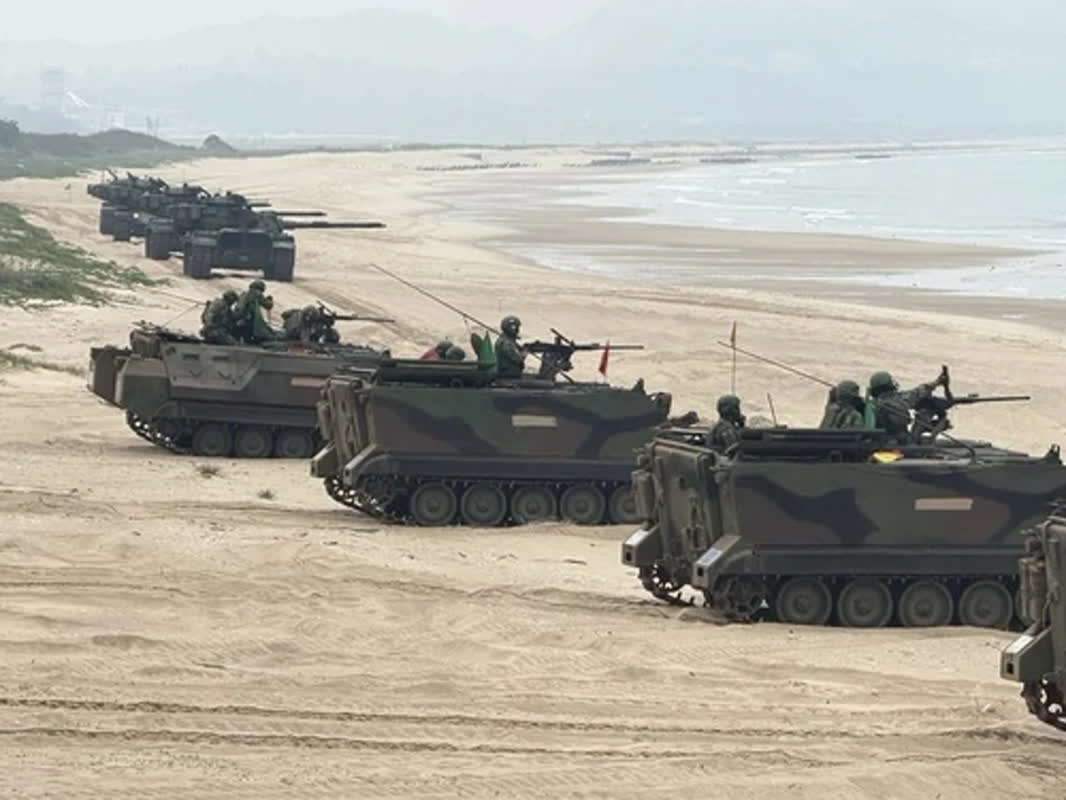
During the discussions, the proposed establishment of a Marine Corps Operational Command emerged as a potential stepping stone. Heo Jong-soo, a civil-military cooperation officer, highlighted Pohang’s strategic assets, including the 1st Division, aviation units, and island defense capabilities, making it an ideal location for an operational command headquarters. However, he cautioned that full corps elevation would require additional divisions, potentially conflicting with current defense downsizing trends, suggesting a phased approach might be necessary.
Ko Han-jung, president of the Pohang Marine Corps Veterans Association, argued forcefully for a full corps structure. “Merely establishing an operational command won’t suffice for the necessary troop and equipment increases,” Ko stated. “A corps-level organization is essential for enhancing command stability and empowering leadership. Pohang already possesses the infrastructure to support this upgrade.”
Local organizations emphasized the broader impacts of corps elevation. Hwang Jin-il, president of the Pohang City Development Advisory Association, noted, “Upgrading to corps status could significantly boost our educational infrastructure and revitalize the local economy.” He called for strong civic engagement to support the initiative.
The committee outlined a dual focus on security and economic benefits. From a defense perspective, they advocate for enhanced amphibious and island defense capabilities, coupled with a more responsive command structure. Economically, they project an influx of over 10,000 troops, a population increase of 20,000, the development of a defense industry hub, and new career opportunities for veterans.
Looking ahead, the committee plans to gather additional input at a civic forum scheduled for early next month. Following this, they intend to launch a comprehensive campaign for corps elevation, including issuing a joint statement and initiating a public signature drive.





Most Commented