
How the Ongoing US-Israel Attack on Iran is Reshaping Global Oil Prices: A Deep Dive
Daniel Kim Views
The war that began with U.S. and Israeli airstrikes on Iran at the end of last month entered its second week on the 13th. President Donald Trump has described it as a “brief disruption,” but in less than two weeks the conflict has already unsettled the global economic and security landscape.
The New York Times reported on the 11th (local time) that the strikes had moved into a second week and were already reshaping travel patterns, energy dependencies, household costs, trade routes and diplomatic alignments. It added that this confrontation has delivered a bigger shock to global security and the world economy than other recent Middle East flare-ups.
Even states that had largely avoided spillover, such as Cyprus and the United Arab Emirates, have faced retaliatory attacks from Iran.
The conflict risks stoking voter frustration over high inflation in the United States and could influence the November midterm elections. Analysts also say it may alter strategic calculations related to the Russia-Ukraine war and China’s economic posture.
If President Trump expands military operations while Iran intensifies its reprisals, further restrictions on transits through the Strait of Hormuz — a critical oil chokepoint — would likely increase oil-price volatility. Some economists are already warning of a potential return to stagflation — stagnant growth coupled with surging prices — a scenario that would be politically painful for U.S. leaders.
The Middle East Felt an Immediate Shock
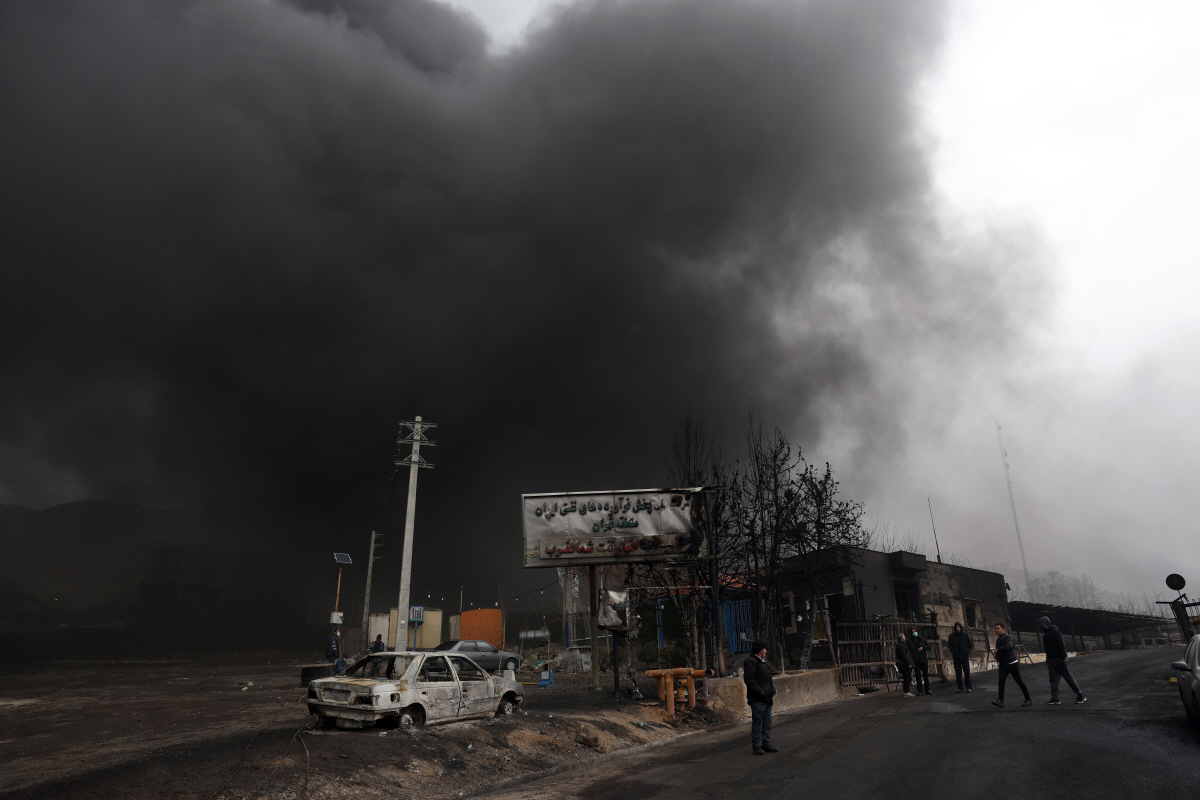
The direct effects of the fighting were felt first across the Middle East. Military clashes throughout the region have killed more than 1,000 people and inflicted heavy damage on critical infrastructure and the environment.
After Israel struck fuel storage facilities, toxic smoke spread over Tehran and residents reported incidents of “black rain.”
The confrontation has also cracked the economic foundations of Persian Gulf states that had marketed themselves as safe investment destinations despite regional instability.
Iran has struck Gulf states more frequently than it has struck Israel. In some areas, five-star hotels were damaged, desalination plants were hit, and tourists fled en masse.
Dubai and Abu Dhabi airports in the UAE were among the targets. Dubai — where expatriates make up more than 90% of the population and which has long been a magnet for wealthy visitors — saw large-scale departures as the attacks continued.
European governments scrambled to evacuate their citizens from what had once been peaceful holiday destinations. After initial criticism over delayed responses, the U.S. State Department sent more than 20 charter flights to evacuate thousands of Americans.
Experts warn that reputational damage to Gulf states could be long-lasting. Emile Hokayem, a Middle East specialist at the International Institute for Strategic Studies (IISS), said the Gulf states’ real asset was not just oil or capital but “trust,” and that Iran aimed to undermine the image those countries had cultivated as safe environments for investors.
Gas Stations Felt the Impact First
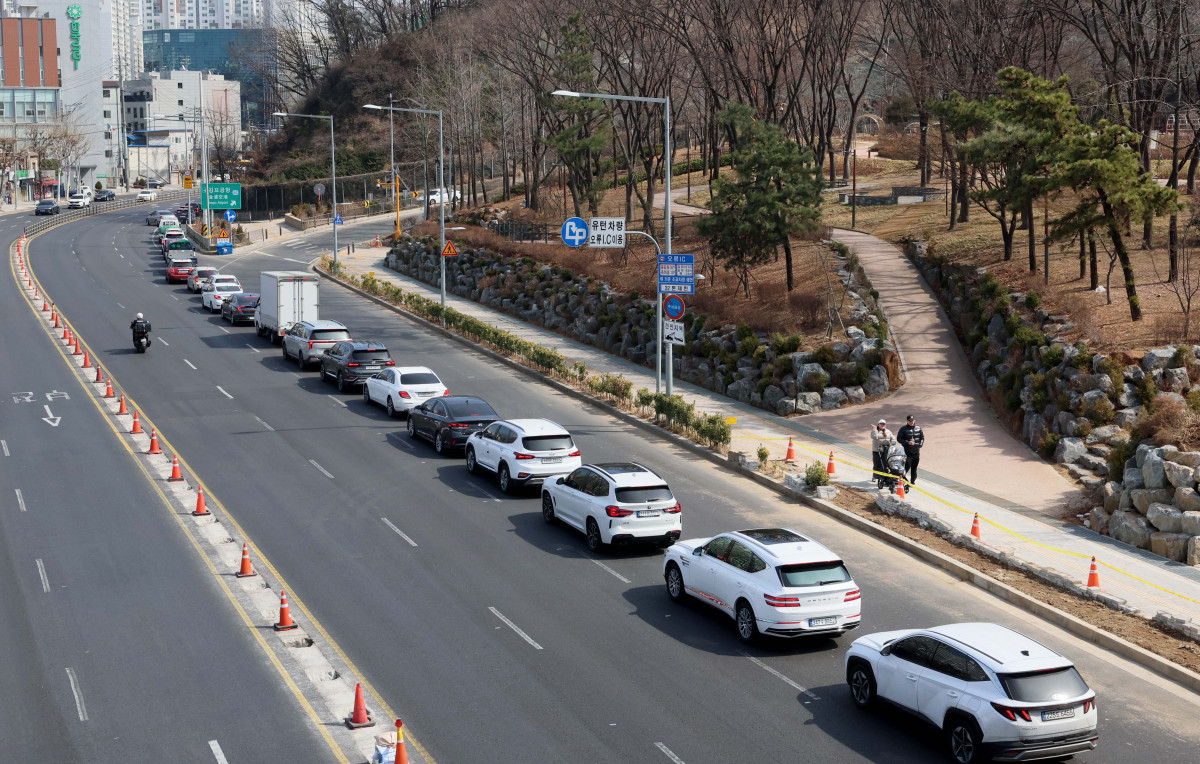
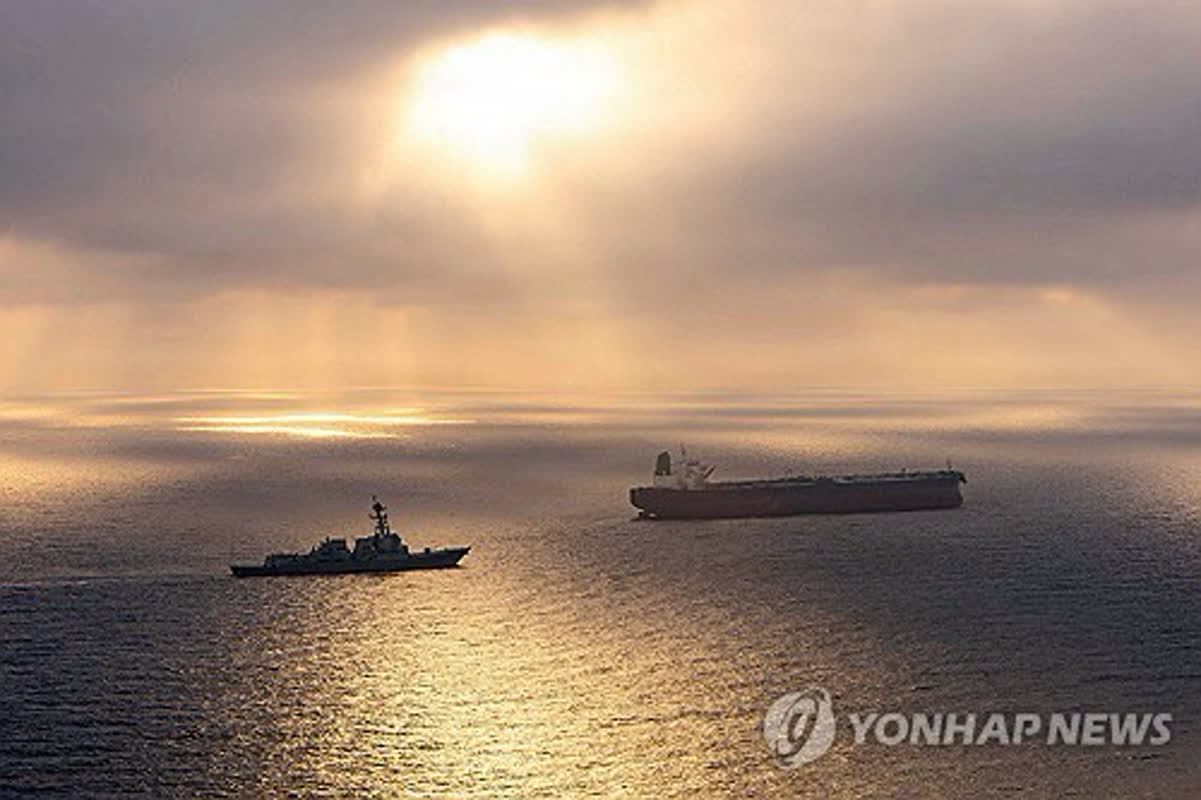
The war’s effects showed up first at gas stations around the world. When tankers stopped transiting the Strait of Hormuz, international oil prices at one point approached $120 per barrel. Prices have eased somewhat since then but remain elevated.
Economists warn that if the oil-price shock endures for weeks or longer, the economy could face stagflation — rising prices alongside an economic slowdown. Deutsche Bank says whether stagflation returns, as after the 1979 Iranian Revolution, will depend largely on how long the conflict continues.
Impact Reaches China, Russia and Ukraine
China is not immune. Beijing relies heavily on Middle Eastern crude, and many Chinese firms count on Middle Eastern markets. A sustained disruption there would inevitably hurt Chinese exports and broader economic performance.
By contrast, higher oil prices are a windfall for Russia, which finances part of its war in Ukraine through energy revenues.
The more the Middle East fighting intensifies, the more interceptors the U.S. and its partners will have to expend to block Iranian attacks — a demand that could reduce missile stocks available to support Ukraine’s defenses.
Political Pressure in the U.S. Ahead of November Midterms
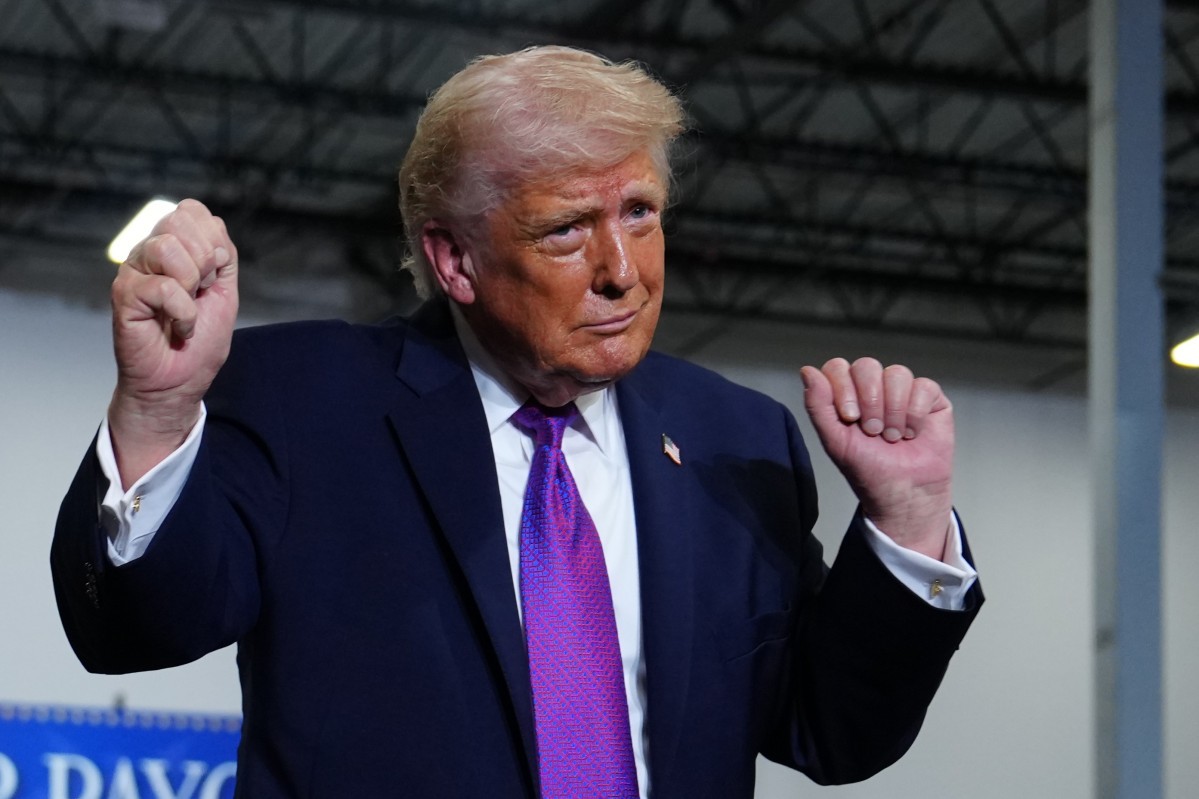
U.S. analysts warn the war could become a political liability for President Trump.
Public support for this intervention appears considerably lower than for past major U.S. military actions. Democrats have already spotlighted rising energy costs, framing household price pressures as a central issue for the November midterms.
The conflict has also cast a shadow over an event the president hoped to tout as a major achievement of a second term: the 2026 FIFA World Cup in the U.S., Canada and Mexico, scheduled to begin in June. Iran was expected to participate, but whether the team can attend — and what would happen if it cannot — remains unclear.
On that day, Ahmad Donyamali, Iran’s minister of sports and youth, announced that it was impossible for the Iranian national football team to take part in the June World Cup.
Allies Uneasy as U.S. Lacks a Postwar Plan
The U.S. and Israel have emphasized their military objectives to justify the campaign, but both have sent mixed messages about the conflict’s goals and end state.
President Trump has acknowledged U.S. military casualties while downplaying economic impacts such as oil-price spikes as temporary.
At the same time, Washington has not laid out a concrete plan for post-conflict governance in Iran, leaving allies unsettled.
European officials worry that an economic collapse in Iran could trigger a new refugee wave. About a decade ago, conflicts in the Middle East and Africa pushed more than a million refugees into Europe and helped fuel the rise of far-right movements in countries such as Germany.
German Chancellor Friedrich Merz said the following day that the U.S. and Israel had been at war with Iran for more than a week and that many of their objectives were shared, but he added, “The longer the war continues, the more questions arise. Above all, it is deeply worrying that we do not see a joint, credible plan to end this conflict quickly.”




Most Commented