
Unlocking Ukraine’s Drone Warfare Data: What Allies Can Learn from 4 Years of Conflict
Daniel Kim Views
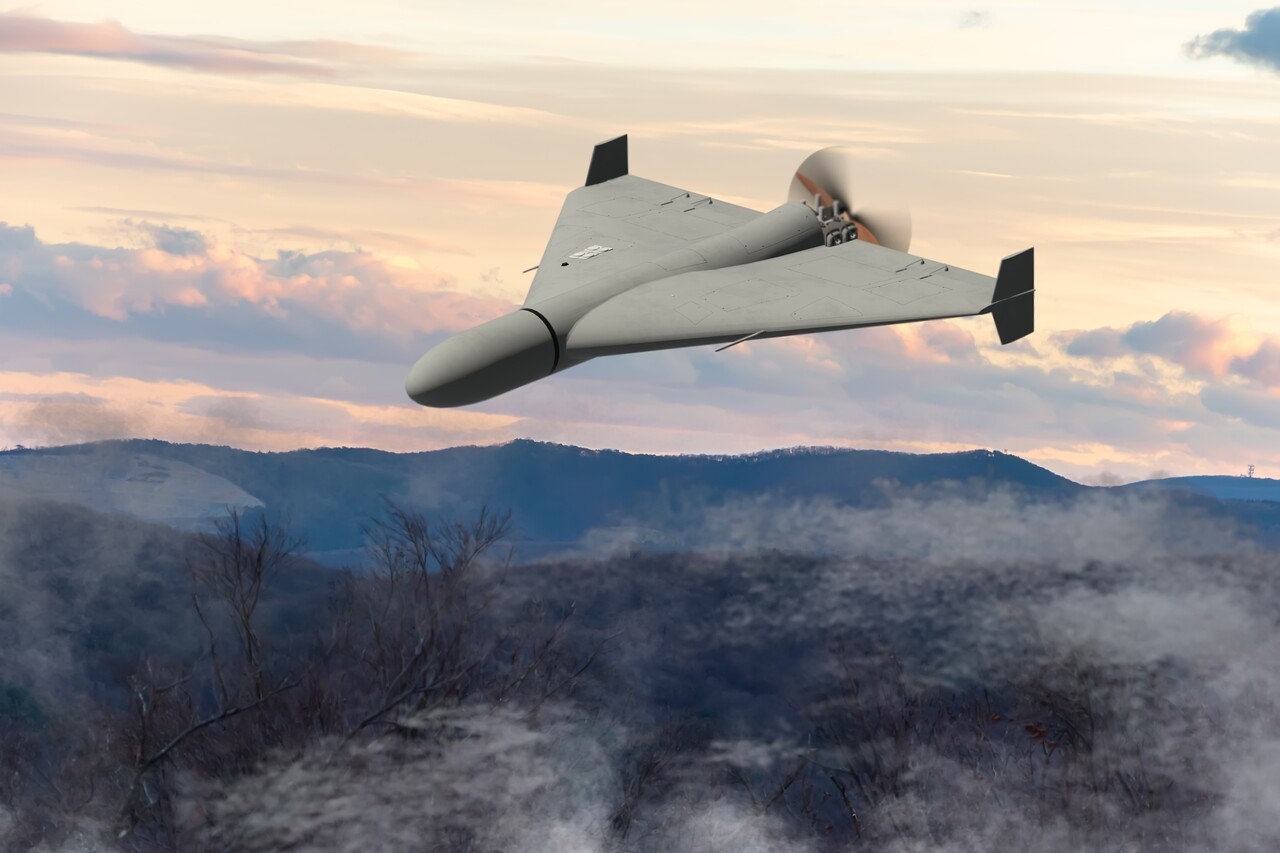
Ukraine will open four years of battlefield data from its war with Russia to allied countries. Demand for drone-defense technology has surged following recent Iran-related fighting in the Middle East.
On March 12 (local time), Ukrainian Defense Minister Mykhailo Fedorov announced that allies will be granted access to battlefield data so they can train drone AI. He first signaled the move in January.
The datasets are dominated by real combat drone footage gathered while Ukraine defended against Russia’s four-year invasion. Analysts manually labeled millions of images to identify objects. The collection also includes data on Russian armored-unit movements and sensor responses under electronic jamming.
Allied governments and private companies had long sought access to Ukraine’s datasets. Fedorov said the Defense Ministry built a platform that lets partners train AI models securely without exposing sensitive material, and that Ukraine will continuously update the datasets, photos and videos through that platform.
On Telegram, he wrote that Ukraine now holds battlefield data unlike anything else in the world and added that Kyiv is ready to cooperate with partners on joint analysis, model training and development of new technical solutions.
Although allies have supplied systems such as U.S.-made Patriot missiles, the conflict has been driven largely by drones. Since Russia invaded on Feb. 24, 2022, it has launched more than 57,000 Iranian-made Shahed drones at Ukraine.
In response, Ukraine developed effective, low-cost drone-interception techniques and is mass-producing air-defense interceptor drones costing only a few thousand dollars each. By contrast, a Patriot missile costs roughly $3–4 million apiece (approximately 4 billion–5.33 billion KRW).
Ukraine has not decided whether to sell the data. Fedorov called it a bargaining chip likely to be offered strategically to countries that fund and arm Kyiv. Analysts say Kyiv also aims to partner with global tech firms like Palantir to turn the country into a global military-tech hub and attract investment.
Countries in the Middle East where recent Iran-related fighting has flared — Saudi Arabia, Qatar and the United Arab Emirates — have reportedly asked Kyiv to send experts to help counter Shahed drones.
Dae-jun Lim, Reporter ydj@aitimes.com










Most Commented