
Why the U.S. Air Force’s Stand-In Attack Weapon (SiAW) is the Future of 6th Generation Fighters
Daniel Kim Views
Translation result

Even a cutting‑edge stealth fighter that costs hundreds of hundred million KRW (approximately tens of millions of USD) can be little more than an expensive flying target if it lacks a reliable “one‑shot” capability to hit an opponent’s critical assets.
According to recent international reports, the U.S. Air Force is moving quickly to line up new suppliers for a stand‑in attack weapon (SiAW) designed to be compatible with next‑generation platforms, including the F‑47 fighter and the B‑21 Raider strategic bomber.
The Air Force is already allocating huge budgets to mature the weapons that will ride inside those airframes—well before the new aircraft are fully fielded.
The real test for 6th‑generation fighters is the weapons, not the airframe
The SiAW program aims to field a new class of missile that can penetrate dense integrated air‑defense systems and strike high‑value targets—early‑warning radars, ballistic‑missile launchers and other critical nodes—at supersonic speeds.
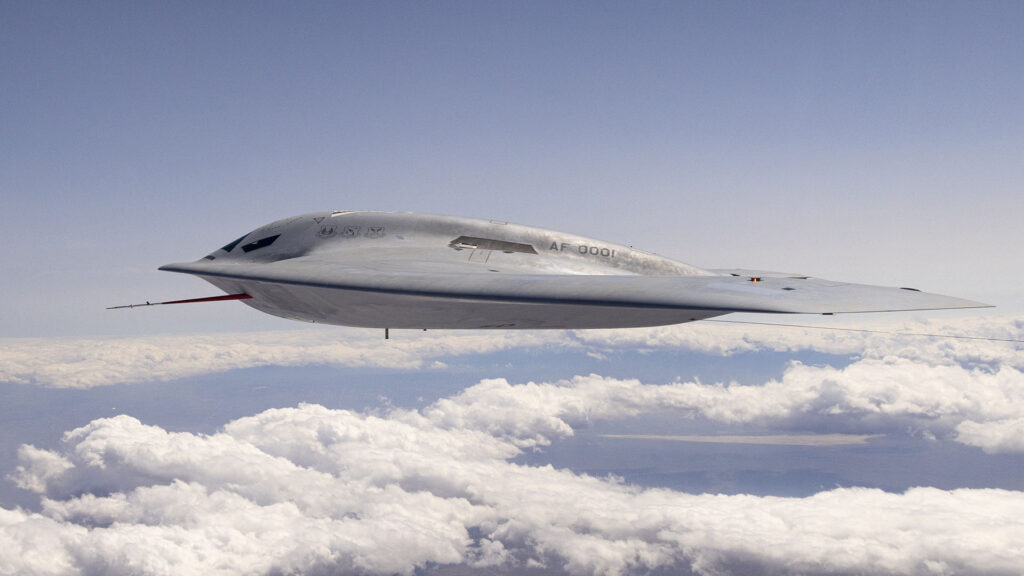
That reflects a fundamental shift in air combat: the emphasis has moved from airframe maneuverability to long‑range, precision strike capability—seeing and engaging targets from outside enemy radar coverage.
No matter how advanced its stealth treatments, a 6th‑generation fighter that carries missiles externally will be detected by enemy radars.
The principal technical challenge is clear: develop highly accurate, autonomous missiles that fit inside cramped internal weapon bays, reach ranges on the order of hundreds of kilometers, and use onboard AI to conduct evasive maneuvers when needed.
An industry official summed it up: “The reason the U.S. is rushing weapons contracts alongside airframe development is that in future air combat, fighters will increasingly be platforms for delivering missiles rather than standalone killing machines.”

In short, the software that manages weapons and the lethality of the missiles themselves will matter more to battlefield outcomes—and to defense‑industry value—than the airframe alone.
KF‑21 lifts South Korea’s defense industry — the next task is weapons independence
The U.S. pace serves as a pointed reminder for South Korea’s defense sector, which this year began initial production of the 4.5‑generation KF‑21 “Boramae.”
Seoul has joined a small group of nations that developed a supersonic fighter independently, but the KF‑21 still depends on imported systems for key capabilities—most notably the long‑range air‑to‑air missile Meteor.
That leaves South Korea with a strong airframe but limited autonomy: without domestic weapons integration, Seoul must spend time and money contracting foreign firms to complete systems integration.
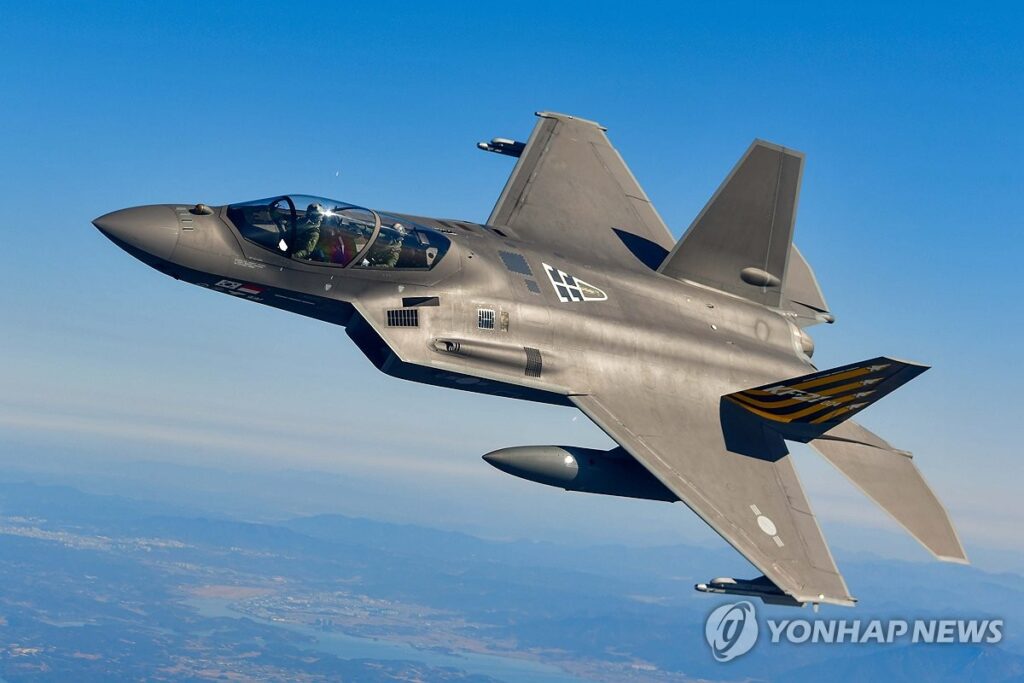
South Korea is making progress: the military is accelerating development of indigenous weapons, including the long‑range air‑to‑surface missile Cheonryong, reportedly with a range near 500 kilometers, and domestic air‑to‑air missiles.
But if Seoul intends to compete with global powers in the 6th‑generation fighter market over the long term, it must invest national resources in building a next‑generation aerial‑weapons ecosystem—emphasizing supersonic and low‑observable capabilities—on par with airframe development.
If a country cannot freely field its own missiles on aircraft it produces, it will fall short of true strategic autonomy and will limit the export potential of its platforms.
The deciding edge for next‑generation fighters will be the missiles, not the airframes. The U.S. Air Force’s rapid weapons procurement offers a practical, weighty lesson for Seoul.






Most Commented