
Pakistan’s Karachi Oil Tanker Breaks Through Hormuz Strait: What This Means for Iran Negotiations
Daniel Kim Views
Translation result
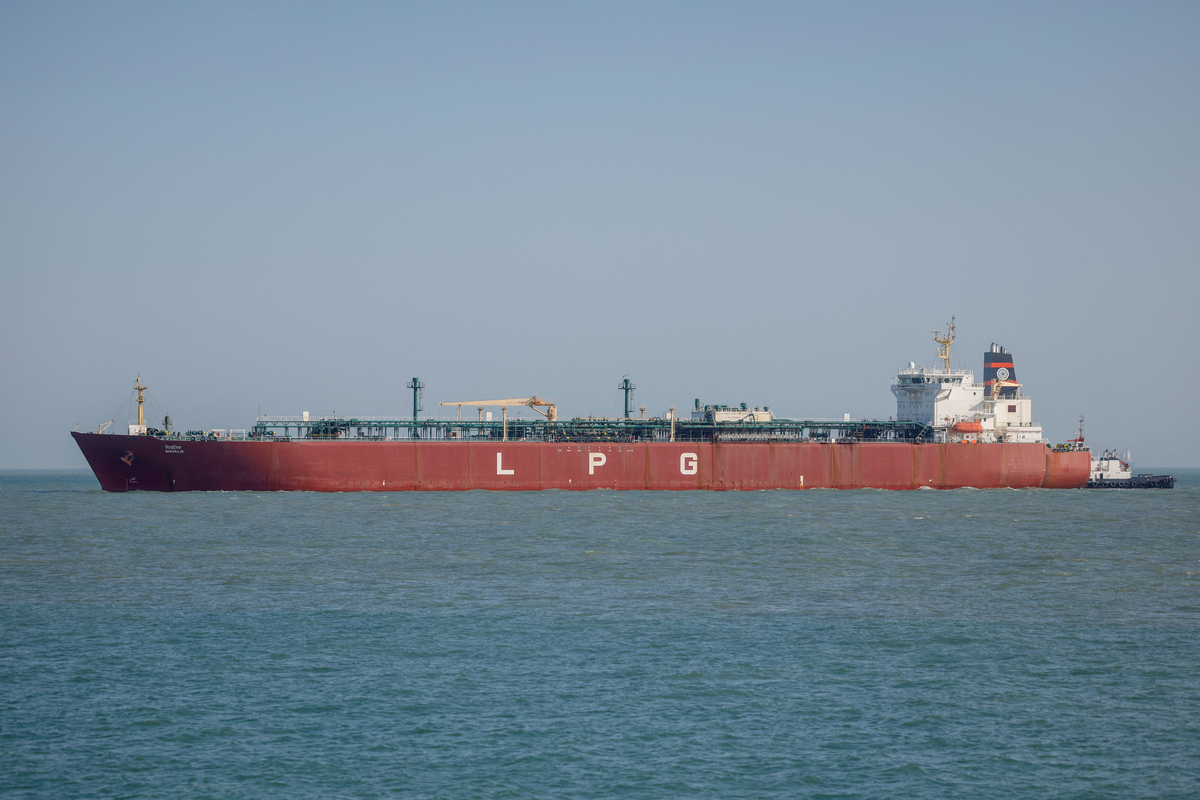
A Pakistan National Shipping Corporation tanker became the first vessel to transit the Strait of Hormuz after Iran had effectively sealed the waterway, a move analysts say indicates Tehran may be allowing some ships to pass following negotiations.
On March 17 (local time), Reuters, citing ship-tracking firm MarineTraffic and London Stock Exchange Group (LSEG) data, reported that the PNSC tanker Karachi passed through the Strait around March 15. The Karachi loaded crude at Abu Dhabi’s Das Island, transited the strait, and was expected to reach Pakistan’s southern port of Karachi later that day.
MarineTraffic posted on X that the Karachi’s transit “suggests some vessels are securing safe passage through negotiations.” LSEG vessel data show another PNSC tanker, the Lahore, loaded crude at Yanbu on Saudi Arabia’s Red Sea coast and was due to reach Pakistan in about three days.
A Pakistani military source said the ship didn’t require an escort because it was Pakistani, signaling that talks with Iran enabled a secure transit. Since the conflict that began on the 28th of last month with preemptive strikes by the U.S. and Israel on Iran, Pakistan has been walking a diplomatic tightrope between its neighbor Iran and Saudi Arabia, which signed a mutual-defense pact with Pakistan last year.
Last week, Pakistan launched “Muhafiz ul-Bahr,” a maritime security operation that includes escorting its merchant fleet. With roughly 90% of its trade moving by sea, Islamabad has prioritized securing sea lanes and protecting key shipping corridors.
Meanwhile, on March 16, the Times of India reported that two Indian government-owned LPG carriers, the Shivalik and the Nanda Devi, transited the Strait of Hormuz under Indian naval escort. The Shivalik has already arrived at Mundra port in western India, while the Nanda Devi was expected to arrive later that day.







Most Commented