
Iran’s Power Vacuum: What Does the Removal of Key Leaders Mean for the Future of the Conflict?
Daniel Kim Views
Translation result
|
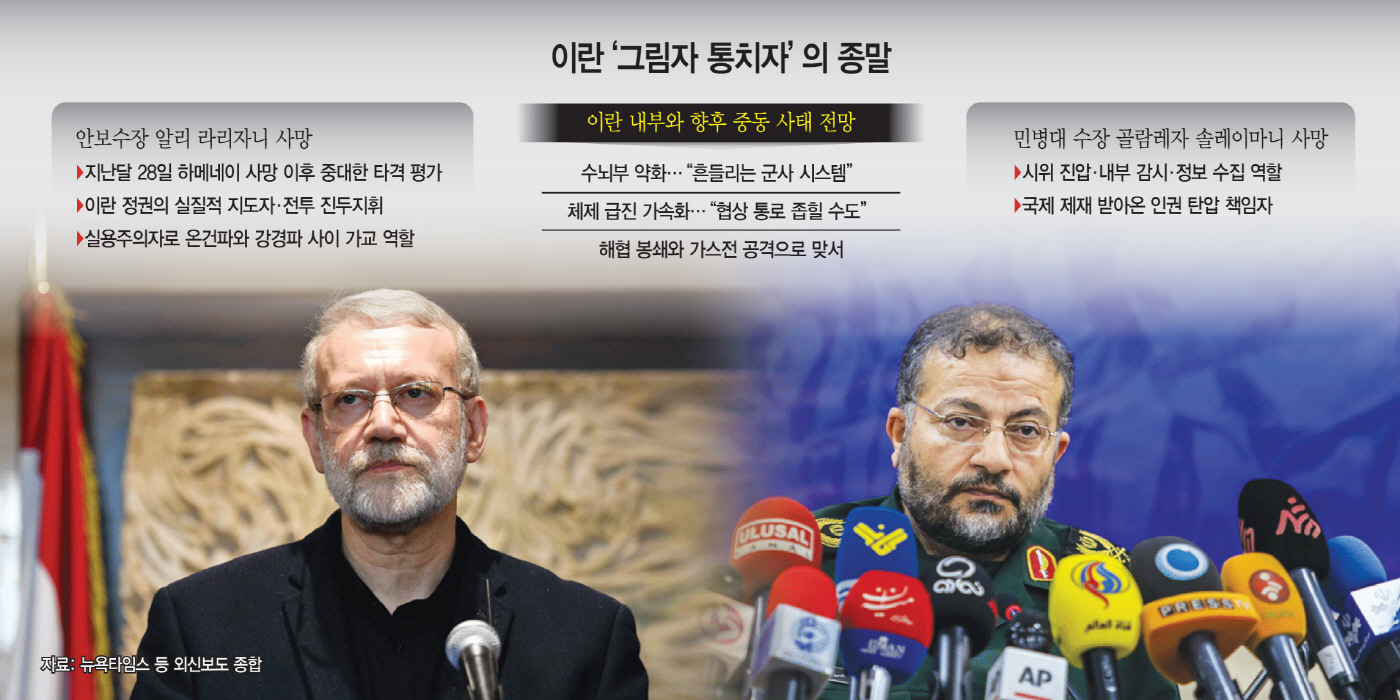
[Washington=Special Correspondent Ham Man-joo] Israel’s precision strikes have taken out senior figures in Iran’s wartime command, increasing uncertainty over how the conflict will unfold. Analysts say the string of high-level deaths could unsettle Tehran’s decision-making and shape whether the confrontation escalates into a full-scale war.
On the 17th (local time), the 18th day of the Iran conflict, the Israel Defense Forces announced it had eliminated Ali Larijani, secretary of Iran’s Supreme National Security Council, who had effectively acted as a wartime leader after Supreme Leader Ayatollah Ali Khamenei’s death. The Times of Israel reported the IDF conducted a precision strike on an apartment hideout in Tehran that targeted Larijani.
Defense Minister Katz said an overnight airstrike removed Larijani. Observers described the strike as the most significant blow to Iran’s leadership since Khamenei’s death on Feb. 28 created a power vacuum.
Larijani’s role extended beyond that of a senior official. The New York Times reported he had been running Iran behind the scenes after Khamenei’s death, while the Wall Street Journal called him a central figure coordinating both military operations and internal control. He was widely seen as a bridge between hardliners and relatively moderate factions.
With a background as a former parliament speaker and chief nuclear negotiator, Larijani handled external diplomacy, wartime operations and internal security. Analysts warn his absence could accelerate the regime’s radicalization and narrow the channels for future negotiation. The NYT suggested his removal may mark the exit of an influential pragmatist who could have engaged with the West.
Larijani was not the only senior official killed. The leader of the Basij militia, Gholamreza Soleimani, was also reportedly killed in an Israeli strike. The Times of Israel said he and aides were hit while at a tent camp near Tehran.
The Basij, which operates under the Islamic Revolutionary Guard Corps, is responsible for riot control, internal surveillance and intelligence gathering and is a pillar of regime stability. The IDF said the Basij under Soleimani led violent crackdowns and mass arrests of civilians. The Associated Press identified him as one of the individuals subject to international sanctions for human rights abuses.
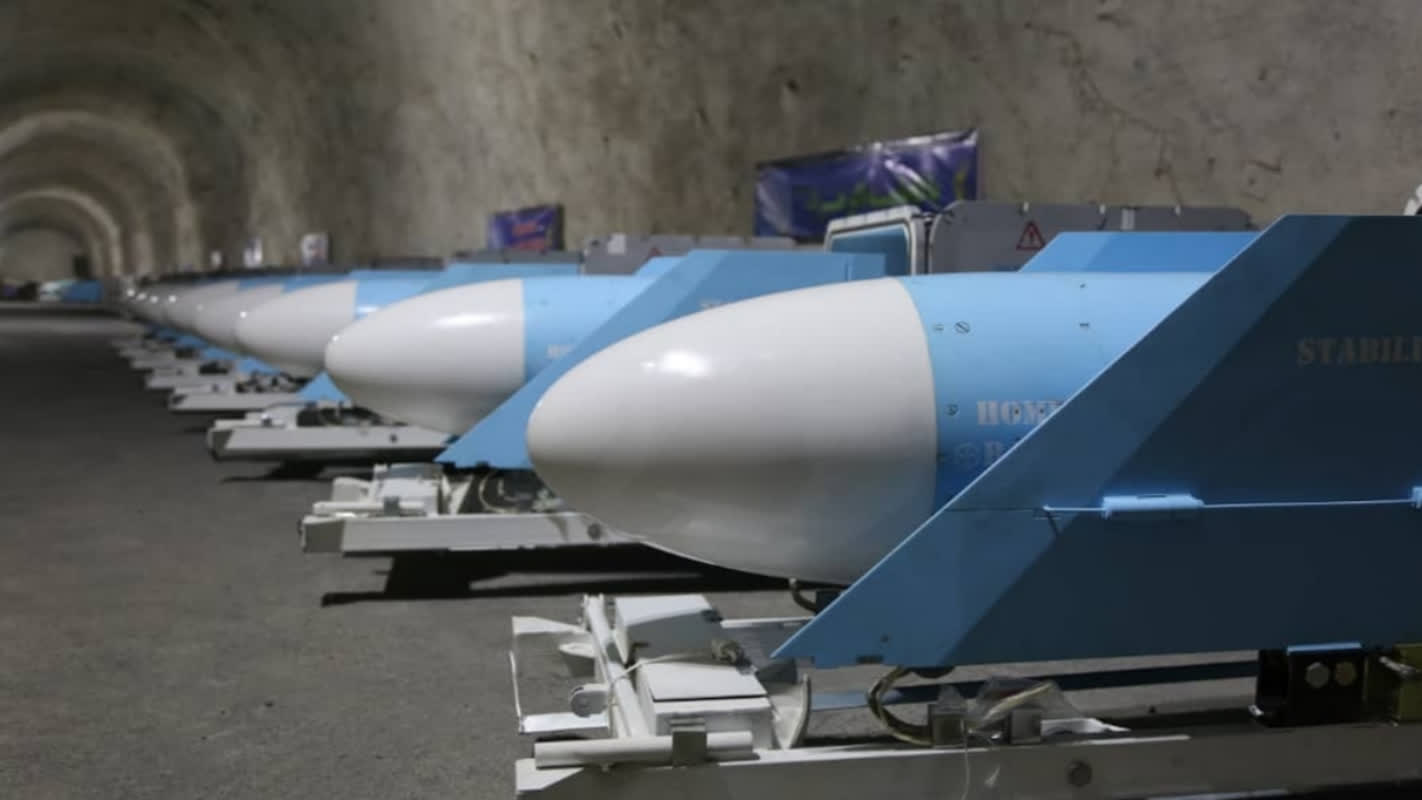
Israeli officials say the campaign is fundamentally destabilizing Iran’s military apparatus. Shlomi Binder, head of the IDF’s intelligence directorate, told the Times of Israel that Iran’s military system is under severe pressure and that command vulnerabilities have been exposed. Reports indicate Iran has sealed off some underground missile bunkers, and some security personnel are avoiding outside activity for fear of further strikes.
IDF Chief of Staff Eyal Zamir called the operation a potential turning point in the war’s trajectory. However, the Wall Street Journal cautioned that removing senior leaders may not immediately bring down the regime, noting the Revolutionary Guard’s organizational strength and troop base remain intact.
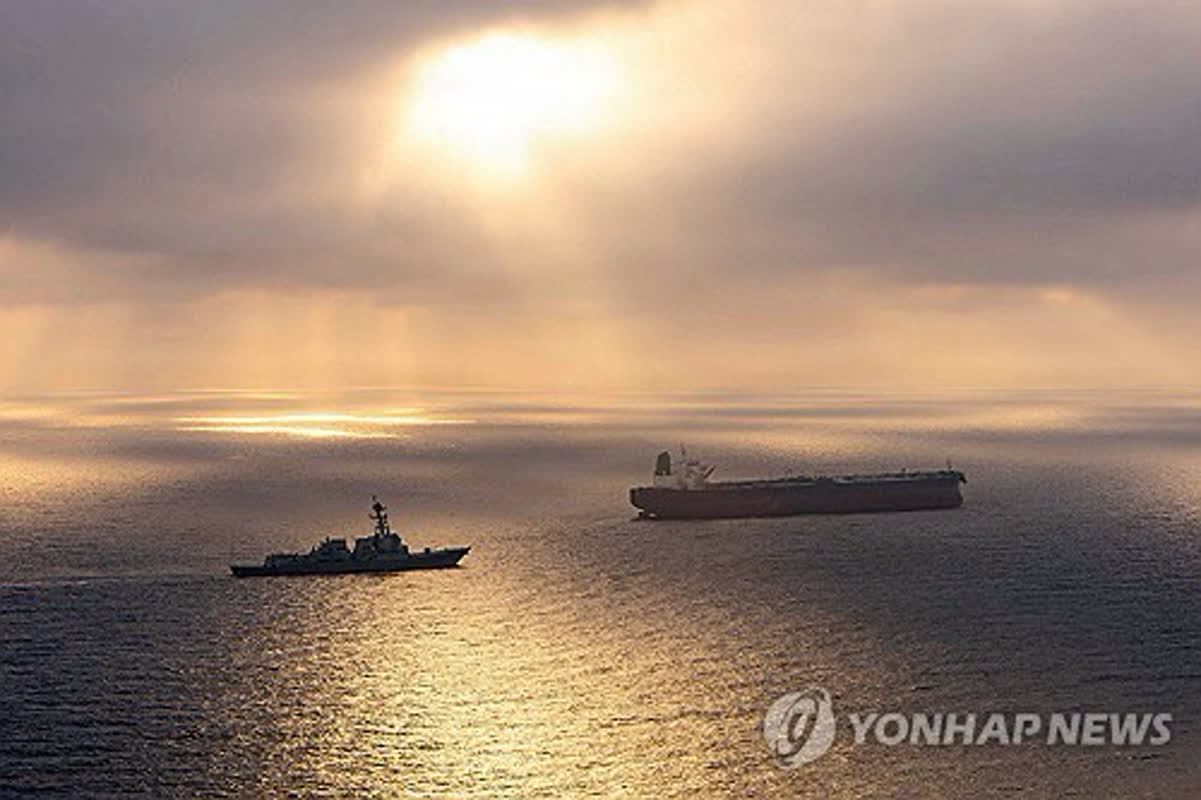
Despite a leadership gap, Iran has continued military operations. Reuters reported that the Strait of Hormuz remains largely closed, shipments at the UAE’s Fujairah port have been partially halted, and a fire at Abu Dhabi’s Shah gas field has added to tensions across the Gulf region.




Most Commented