
|
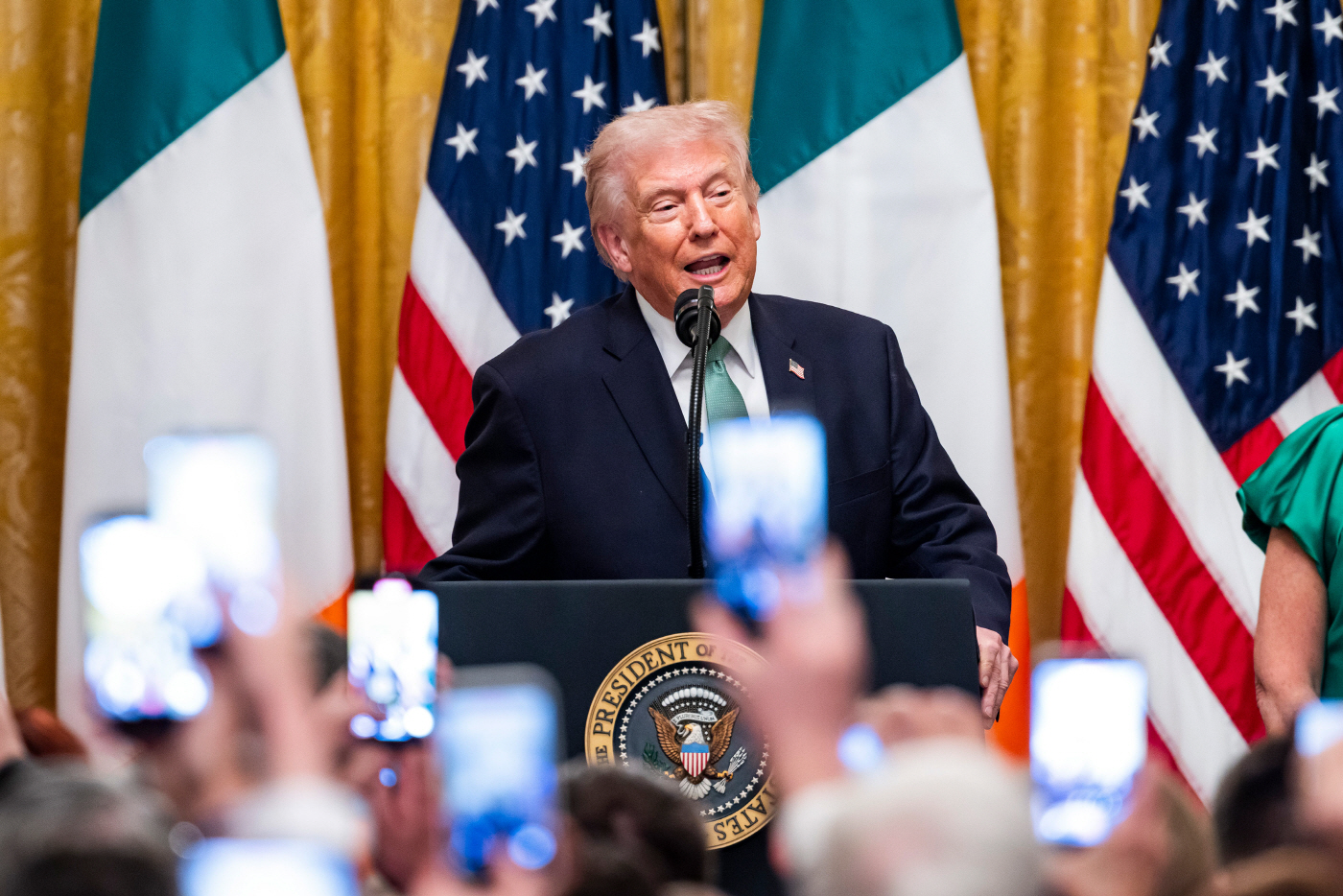
President Donald Trump abruptly shifted his stance, saying the allies that had sought U.S. military cooperation in the Strait of Hormuz \”no longer need our support.\” The remark signaled frustration with a muted allied response and suggested the United States might act on its own.
On March 17, Trump wrote on Truth Social that most NATO allies had told U.S. officials they did not want to become involved in military operations against the Iranian regime in the Middle East. \”I’m not surprised by their behavior,\” he added. He described NATO as a \”one-way street\” that the United States shields at a cost of hundreds of billions of dollars each year (roughly hundreds of trillions of KRW), saying, \”We protect them, but they do nothing for us when we need them.\”
\”We no longer need or want NATO’s support. We never needed that help in the first place,\” he insisted.
He expanded the critique to Asian partners — Japan, Australia and South Korea — declaring, \”The United States doesn’t need anyone’s help.\” By stepping back from a burden-sharing posture, the president signaled a greater willingness to pursue unilateral options.
Those comments increase the likelihood of a change in the proposed Hormuz coalition. With allies slow to commit, U.S. officials and analysts say Washington could pivot from building a multinational military task force to other forms of support or shared roles.
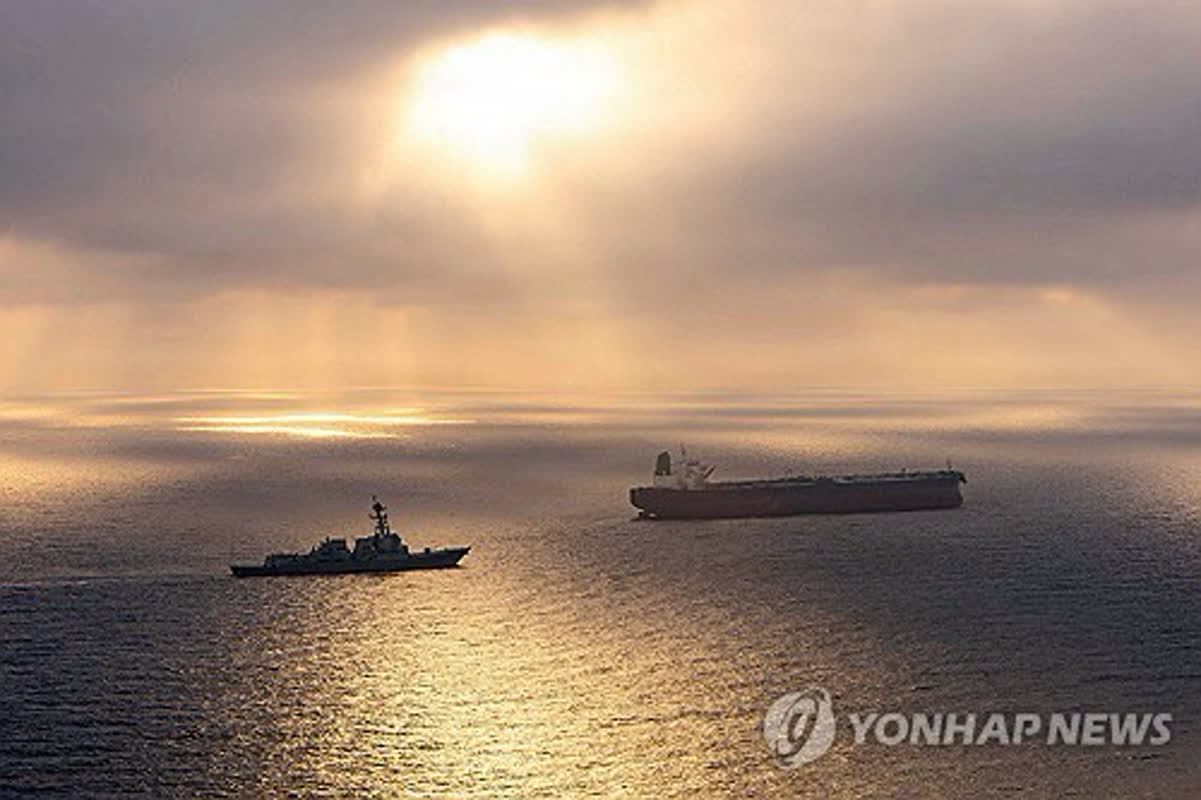
Trump has publicly pressed South Korea, Japan, the United Kingdom, France and even China to join a coalition to escort tankers through the Strait of Hormuz, citing U.S. troop presence and each country’s energy dependence to press for military contributions.
Meanwhile, the United Arab Emirates said it could join U.S.-led efforts to secure the Strait of Hormuz. The UAE reportedly suffered 1,936 missile and drone strikes from Iran during the conflict — a tally far higher than the attacks Iran launched toward Israel — a factor cited for Abu Dhabi’s openness to U.S.-led cooperation.



Most Commented