
Why South Korea’s Absence in the Hormuz Strait Statement Raises Eyebrows: A Deep Dive
Daniel Kim Views
Translation result
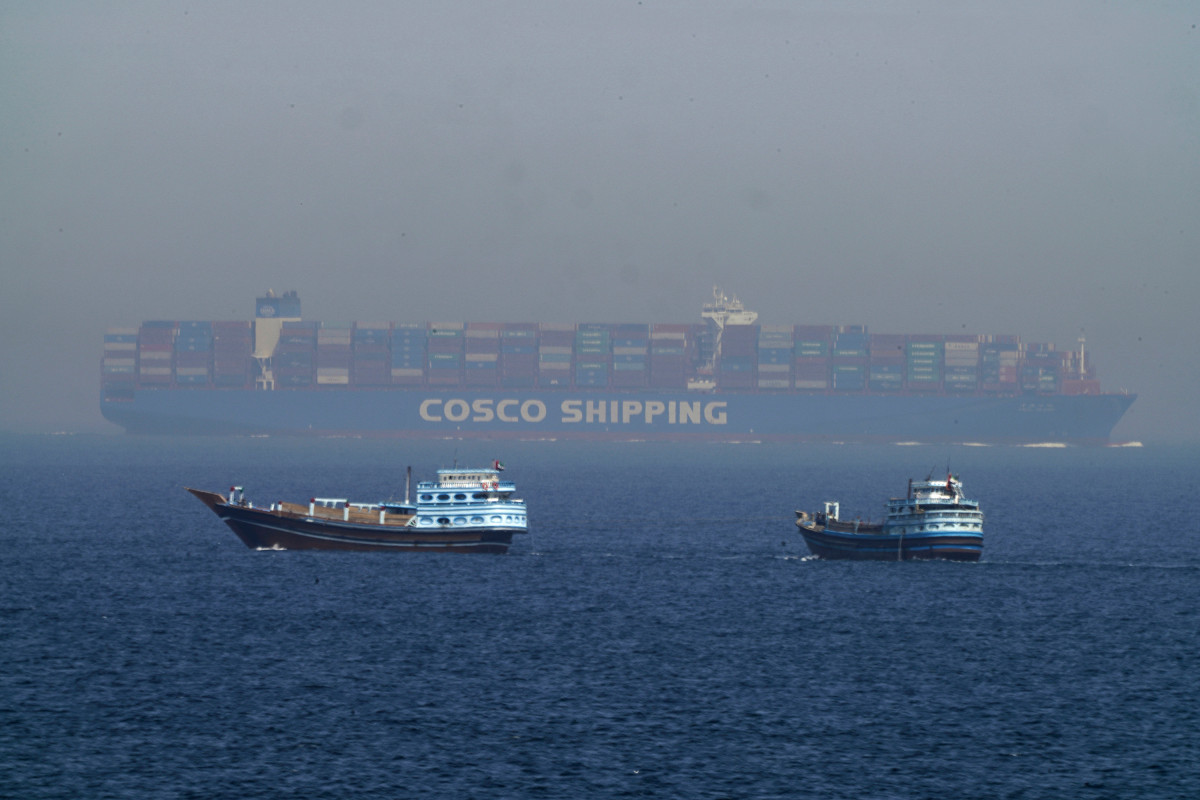
Five European countries, Japan and Canada issued a joint statement condemning Iran’s blockade of the Strait of Hormuz and strikes on neighboring states; South Korea did not join. Critics argue Seoul—now engaged in sensitive economic and security talks with Washington—should have signed on, since the declaration offered diplomatic backing rather than a call for military action.
On the 19th (local time), seven countries—the United Kingdom, France, Germany, Italy, the Netherlands, Japan and Canada—released a joint statement strongly condemning the effective closure of the Strait of Hormuz by Iranian forces and saying they stand ready to contribute to appropriate efforts to ensure safe navigation through the strait.
Observers viewed the statement as a diplomatic gesture following President Donald Trump’s public expressions of disappointment and anger toward key allies that effectively refused his request to dispatch naval vessels to the strait.
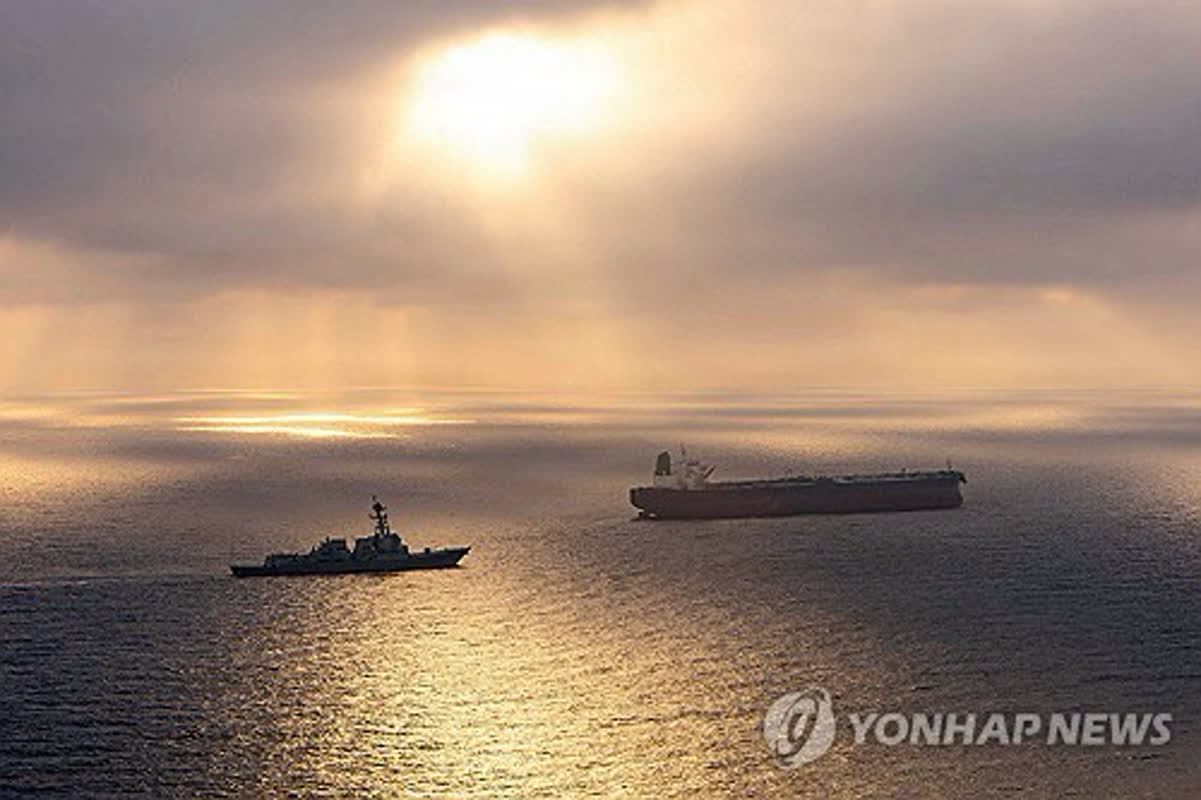
Earlier, President Trump named South Korea, the U.K., France, Japan and China on social media and urged those countries to send warships. He later expanded the list to include Australia and spoke of forming a multinational naval coalition. Major allies such as Germany, France, Canada and Australia publicly rejected the deployment request, and the U.K. ruled out immediate combat involvement.
Trump publicly complained that, because of recent military successes, the United States “no longer needs or wants” NATO members’ support, and he said the same applied to Japan, Australia and South Korea.
On the 18th, NATO Secretary-General Mark Rutte moved to calm the situation, saying allies were discussing ways to reopen the Strait of Hormuz after the Middle East conflict disrupted shipping lanes.
Japan’s Prime Minister Sanae Takaichi—one of the first allied leaders to meet President Trump in person after the deployment request—gave diplomatic backing to the U.S. position. She said Iran must never be allowed to develop nuclear weapons and strongly condemned Iran’s attacks on neighboring areas and its effective blockade of the Strait of Hormuz.
The seven-country joint statement was issued while Seoul said it was still considering participation. Reports indicated the statement was driven by European governments led by the U.K., France, Germany and Italy, with Japan and Canada joining; both Japan and Canada are G7 members, and the current NATO secretary-general is a former Dutch prime minister.
Seoul, which said it would carefully review Trump’s deployment request, likewise says it is considering joining the declaration. Some observers warn that, despite hosting U.S. Forces Korea and being a close Washington ally, South Korea’s absence could leave the U.S. feeling slighted. They add it is especially regrettable because the joint statement amounted to diplomatic support rather than a request for troop deployments.
The South Korean government says it is weighing multiple factors, including that the U.S. did not join the statement and that Washington seeks the deployment of military assets—an objective not reflected in the joint declaration.





Most Commented