
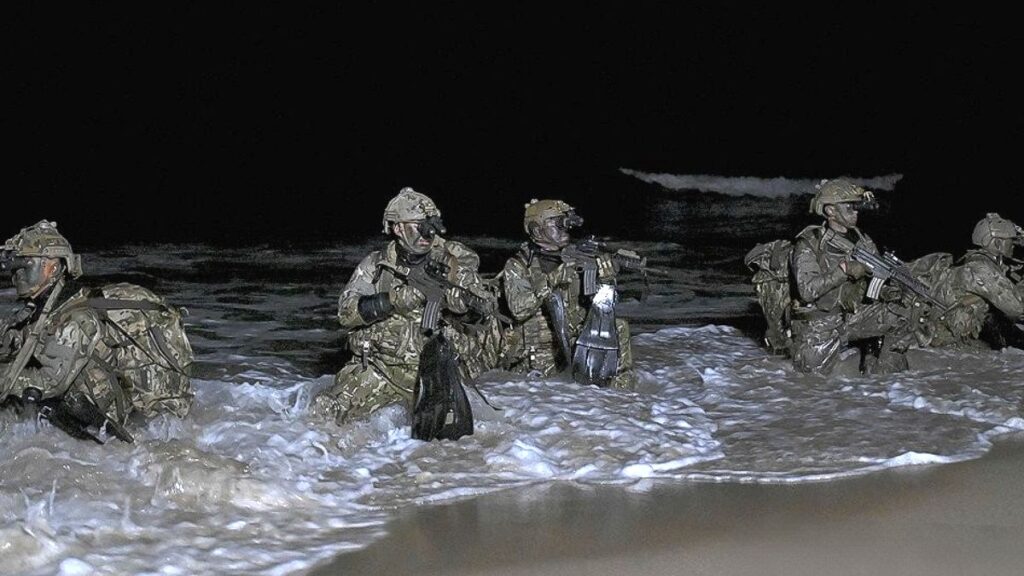
Recent analyses in major military outlets and security communities worldwide have been comparing the intensity of special-forces training across countries.
As special operations—an asymmetric element of modern warfare—grow in strategic importance, attention has shifted to the rigorous selection and training pipelines that produce these units.
Against that backdrop, South Korea’s Naval Special Warfare Group (UDT/SEAL) and its Naval Search and Rescue Unit (SSU) have increasingly been cited by foreign outlets as among the world’s toughest training programs.
Not a death rate — a ‘completion rate’: the reality behind the 10% figure
When military forums talk about a “survival rate below 10%,” they are not saying training causes that many fatalities.
Rather, the expression is slang for the final completion rate: the percentage of candidates who finish the course after removing those who voluntarily quit because they cannot withstand the extreme physical and psychological demands.
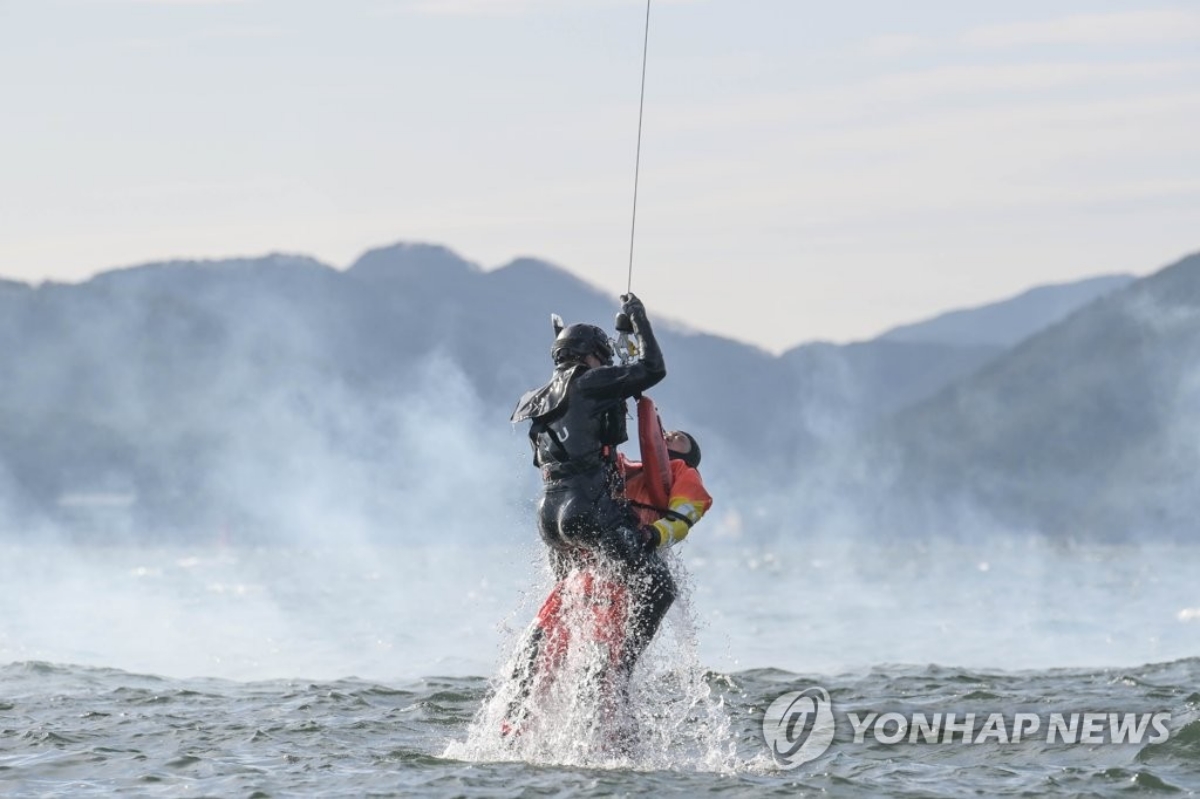
Official military data indicate that average completion rates for South Korean special-forces courses vary by class, but typically sit around 30%–40%.
That said, during the most demanding phases—often called “hell week”—or in particularly brutal cohorts, completion rates have sometimes dropped into the low teens.
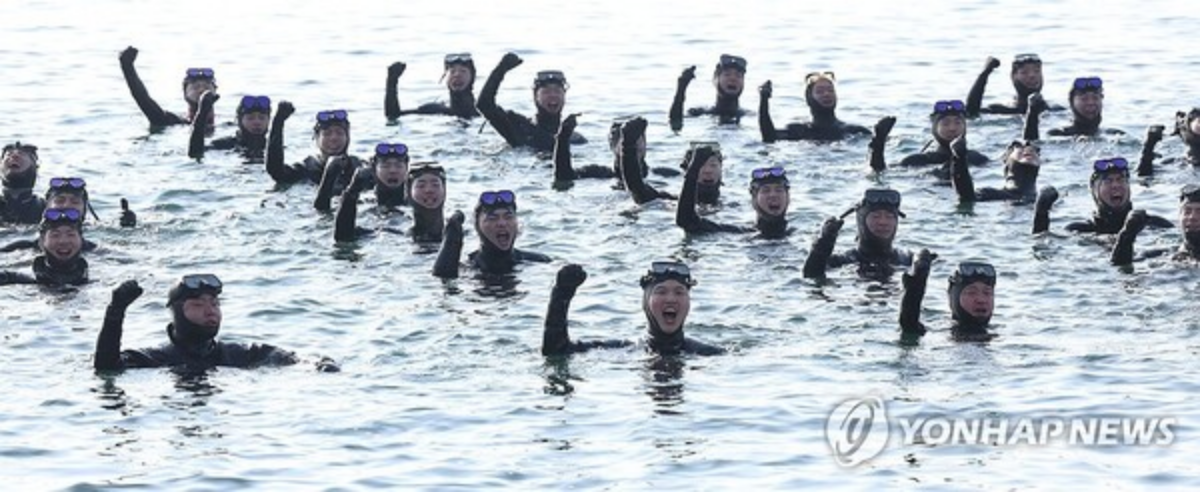
Candidates may be restricted to minimal sleep for up to 132 hours, repeatedly exposed to frigid seawater, and required to perform drills such as carrying a rubber boat that can weigh up to 85 kilograms (about 187 pounds) atop their heads.
Under those extreme conditions, many trainees voluntarily withdraw due to injury, hypothermia, or debilitating fatigue.
On par with the world’s elite
International coverage and military forums often compare South Korea’s pipeline with the training regimes of the U.S. Navy SEALs, Britain’s SAS and Russia’s Spetsnaz.
The SEALs have their own version of “hell week.” The SAS tests candidates with lengthy mountain marches and harsh terrain. Spetsnaz training places heavy emphasis on intense close-quarters combat.
South Korea’s system initially borrowed U.S. models but adapted them to local climate and terrain, which many observers say increases the perceived harshness of its programs.
Foreign special-operations personnel who have trained alongside South Korean units frequently praise their endurance and focus.
Anecdotes circulate of U.S. Navy SEALs expressing respect for Korean troops who endure near-freezing seas through sheer grit and determination.
Mental toughness at the heart of asymmetric deterrence
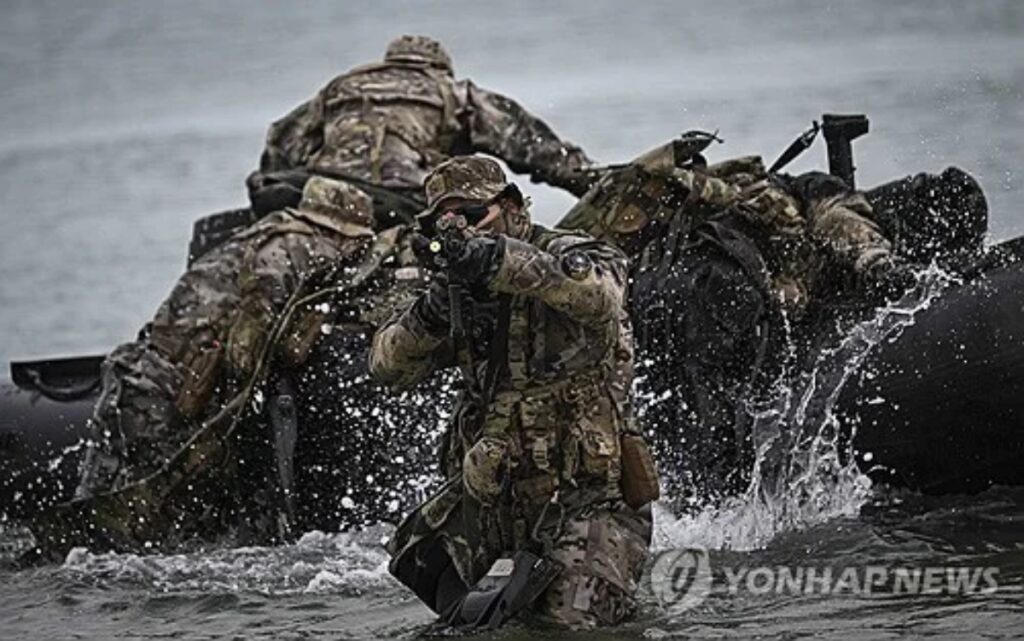
While drones and precision-guided munitions now shape much of modern warfare, the judgment and adaptability of trained operators remain critical for special operations.
Selection courses that push candidates beyond physical limits serve as a proven filter, ensuring that only those capable of completing missions under extreme conditions become operational operators.
The relatively small number who endure a pipeline that more than half of applicants abandon become a key asymmetric deterrent for South Korea’s defense.
So long as this rigorous training system endures, South Korea’s special forces are likely to retain strong standing and practical combat credibility on the global stage.










Most Commented