
Translation result
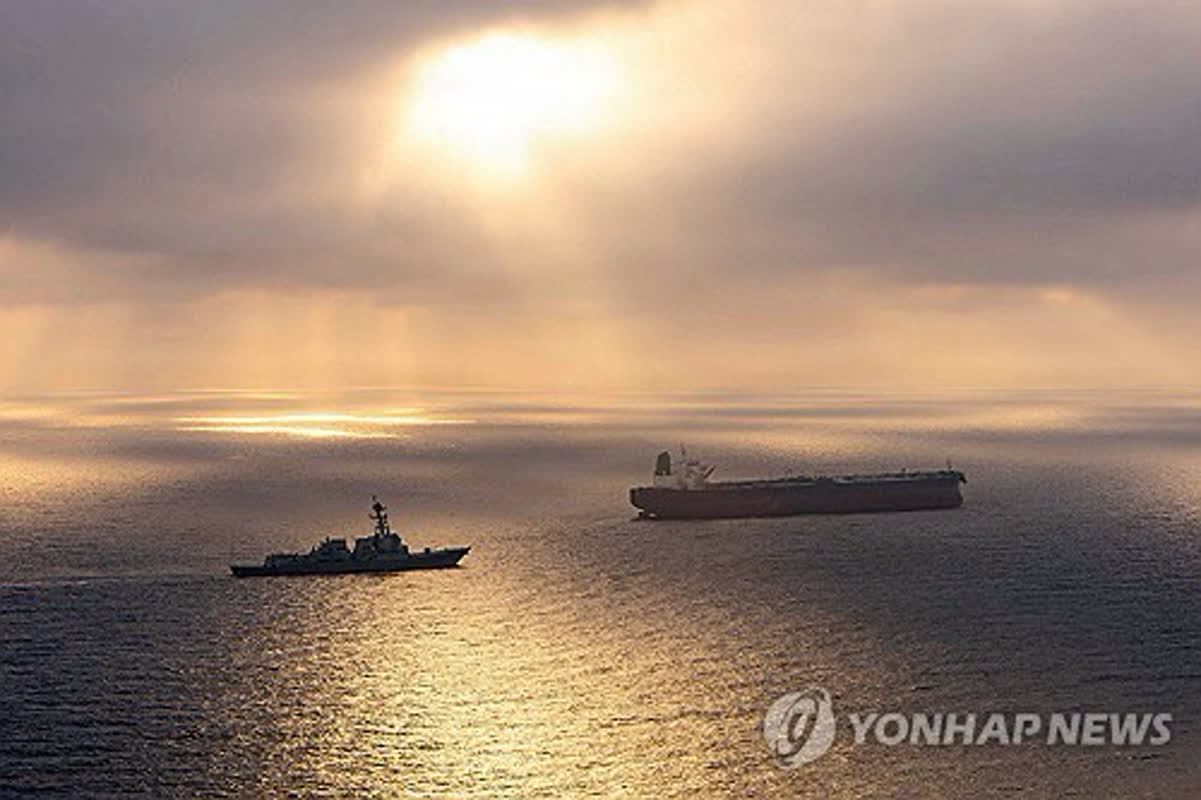
[Anchor] Reports say the Strait of Hormuz has reopened, but President Trump and Iran continue to send conflicting signals. The resulting tit-for-tat has only extended uncertainty for South Korean seafarers. We’ll get a detailed update on the status of South Korean ships held in the Strait of Hormuz. Is Jeon Jeong-geun, chairman of the HMM maritime union, with us? Question 1 President Trump has warned he will resume strikes if a settlement with Iran and an extension of the ceasefire are not reached, while Iran has warned it could re-close the strait if the U.S. maintains its blockade. That puts ship transits squarely on the outcome of negotiations between the two countries. Compared with last week, how would you assess the overall mood aboard the vessels and among crews? Question 2 Iran announced it would temporarily reopen the strait, but tankers still aren’t transiting. Ship-tracking data indicate that after Iran’s announcement roughly 20 vessels — including very large crude carriers — entered the narrow channel but then turned back. Is that consistent with what you’re seeing on the water? Question 3 Iran says it will permit only non-military merchant vessels to transit and has instructed ships to follow a route past Larak Island rather than the traditional lane near Oman’s Musandam. If safety can be assured, are there depth or other navigational issues that would prevent use of that alternative route? Question 4 Absent clear security guarantees, resuming normal operations in the Strait of Hormuz will remain difficult. Hapag-Lloyd, the world’s fifth-largest container carrier, has said unresolved issues persist. Are other nations’ ships that are held there also reluctant to move, as South Korea’s vessels are? Question 5 Mines laid throughout the strait are another complicating factor. Clearing them is hazardous and time-consuming, and reports indicate Iranian authorities themselves may not know the exact locations of all the mines they deployed. From the sailors’ perspective, does that leave them with no option but to wait? Question 6 Recently one of our ships successfully transited a route toward the Red Sea, prompting discussion about whether that could serve as an alternative to the blocked Strait of Hormuz. How was that passage accomplished? Weren’t there reports that pro-Iranian Houthi forces control parts of that corridor? Question 7 Earlier, the South Korean government shared information on 26 immobilized ships with Iran, Gulf states and the U.S., while stating it will not pay any passage fees. From crew members on the scene, have you observed any signs that Iran might use that disclosure as a pretext to extend the blockade or step up inspections? Question 8 There’s no agreed plan yet on which maritime routes to use or the order in which ships should depart, and insurance coverage remains uncertain. Has the government issued any specific guidance to shipowners, operators or crews on these issues? Question 9 Domestic seafarers’ unions have urgently called for mental-health and recovery support for crews isolated long-term, along with an emergency response manual and institutional reviews to better protect mariners operating in conflict zones. This threat could reoccur in other chokepoints in the future, correct? We wish the crews safety and a swift resolution. That concludes our interview. Thank you. Yonhap News TV story tips and inquiries: KakaoTalk/LINE jebo23; Yeon Youn-hee (rjs1027@yna.co.kr)





Most Commented