
Translation result.
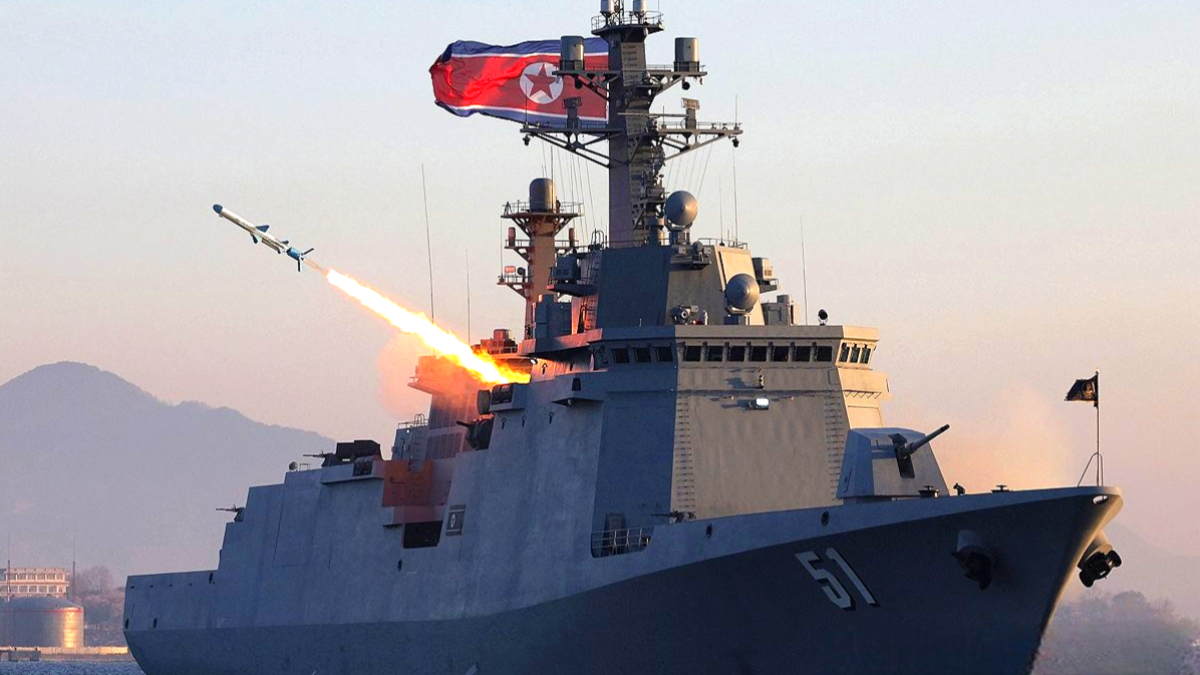
North Korea’s navy is accelerating its evolution into a green-water force, moving beyond aging, cramped coastal operations to reshape the maritime balance around the Korean Peninsula.
Where it once relied on small torpedo boats and patrol craft for Yellow-water coastal defense, Pyongyang has now placed 5,000-ton destroyers at the forefront and is preparing to conduct overt show-of-force operations.
A recent analysis by the U.S. think tank the Institute for the Study of War (ISW) found that earlier this year North Korea registered its new 5,000-ton destroyer, Choe Hyon, with the International Maritime Organization (IMO) — the first time the regime has formally registered a warship.
That rare move signals a clear diplomatic and military message: North Korea intends to operate openly, assert maritime rights, and conduct long-distance navigation in international waters.
From coastal torpedo units to 5,000-ton nuclear-strike platforms
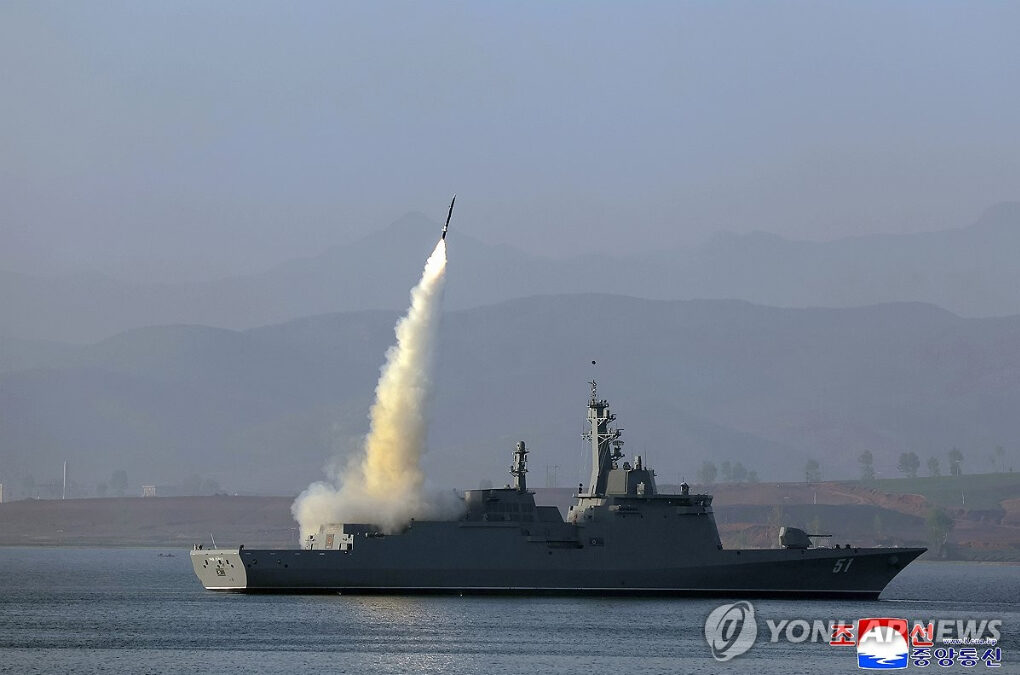
The Choe Hyon-class destroyer is fitted with fixed-panel phased-array radars on four faces, offering 360-degree surveillance and prompting comparisons to Aegis-equipped ships.
Its weapons fit is particularly notable.
In recent test launches, the Choe Hyon fired an upgraded Russian Kh-35 anti-ship missile and what analysts describe as a strategic cruise missile from box-style launchers rather than a conventional vertical launch system (VLS).
Military analysts say that configuration suggests the class may be used less as a traditional surface combatant and more as a mobile, long-range nuclear-strike platform capable of carrying powerful, long-range, nuclear-capable weapons.
North Korea’s naval buildup is proceeding faster and with more deliberate sequencing than many observers expected.
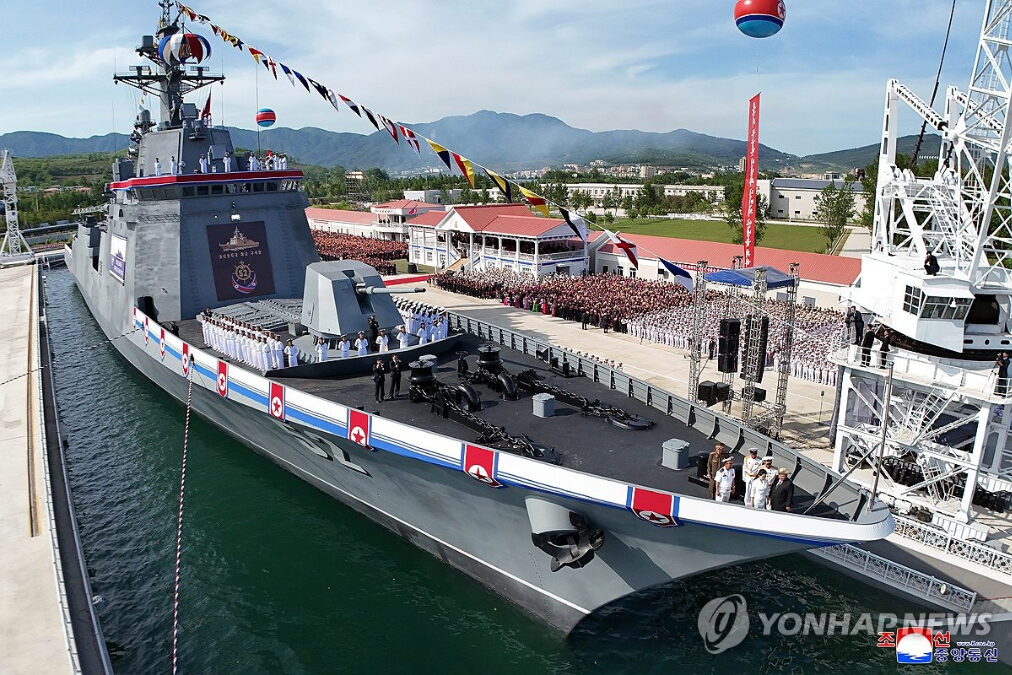
After commissioning the lead ship Choe Hyon, Pyongyang has already brought a second ship, Kanggeon, into service. Commercial satellite images of the Nampo shipyard show large cranes actively working around a third hull.
North Korean leader Kim Jong Un has reportedly set a target of building two destroyers a year through 2030, with the goal of fielding a 12-ship destroyer force.
Erasing the NLL and South Korea’s operational dilemma
Behind the investment in a 5,000-ton fleet is a clear strategic objective: to weaken the Northern Limit Line (NLL) in the Yellow Sea and assert maritime dominance.
Pyongyang has long rejected the NLL, calling it an artificial line drawn unilaterally by the U.N. Command.
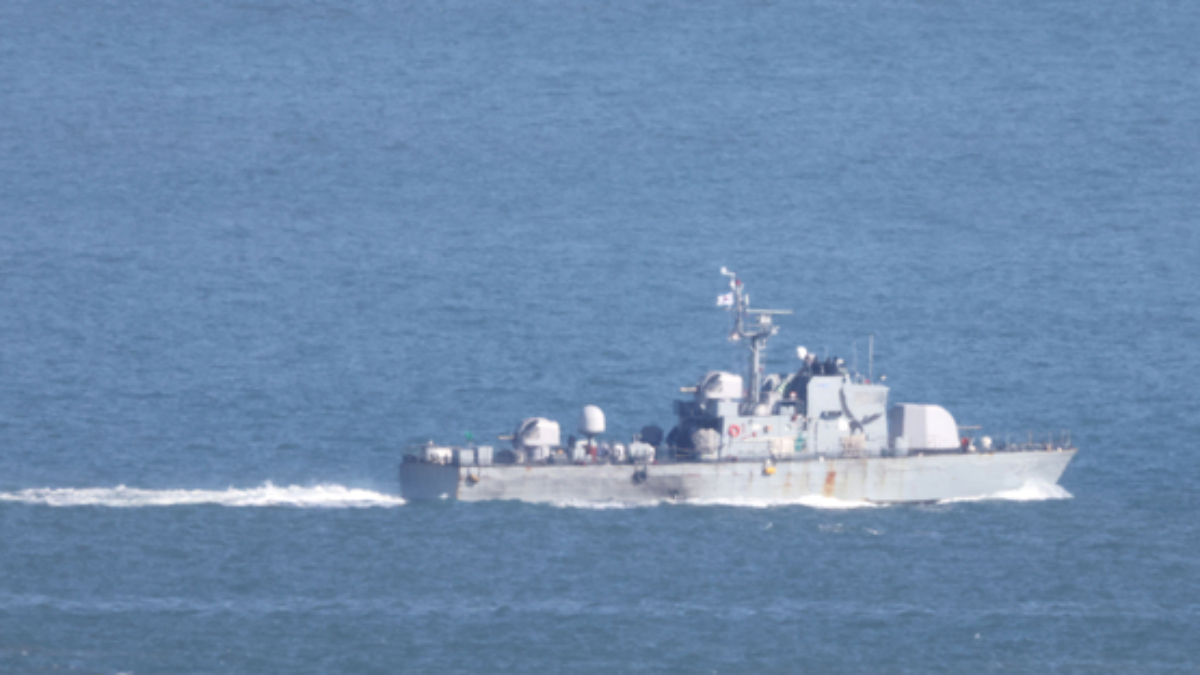
In the past, Pyongyang’s crossings of the NLL involved aging patrol boats. Now it appears intent on pressuring South Korean waters and disrupting regional sea lines of communication (SLOCs) by persistently deploying 5,000-ton destroyers in the central Yellow Sea as a visible show of force.
This shift creates a difficult resource-allocation problem for the South Korean military, which has relied on qualitative advantages in platforms and sensors.
Even if individual North Korean destroyers lack the integrated air-defense capabilities of South Korea’s advanced Aegis ships, the presence of multiple large launch platforms at sea — capable of firing cruise missiles — represents a substantial operational threat.
Seoul and Washington will need to redistribute portions of the existing kill chain and surveillance assets — previously concentrated on land-based missile sites and submarines — into the maritime domain.
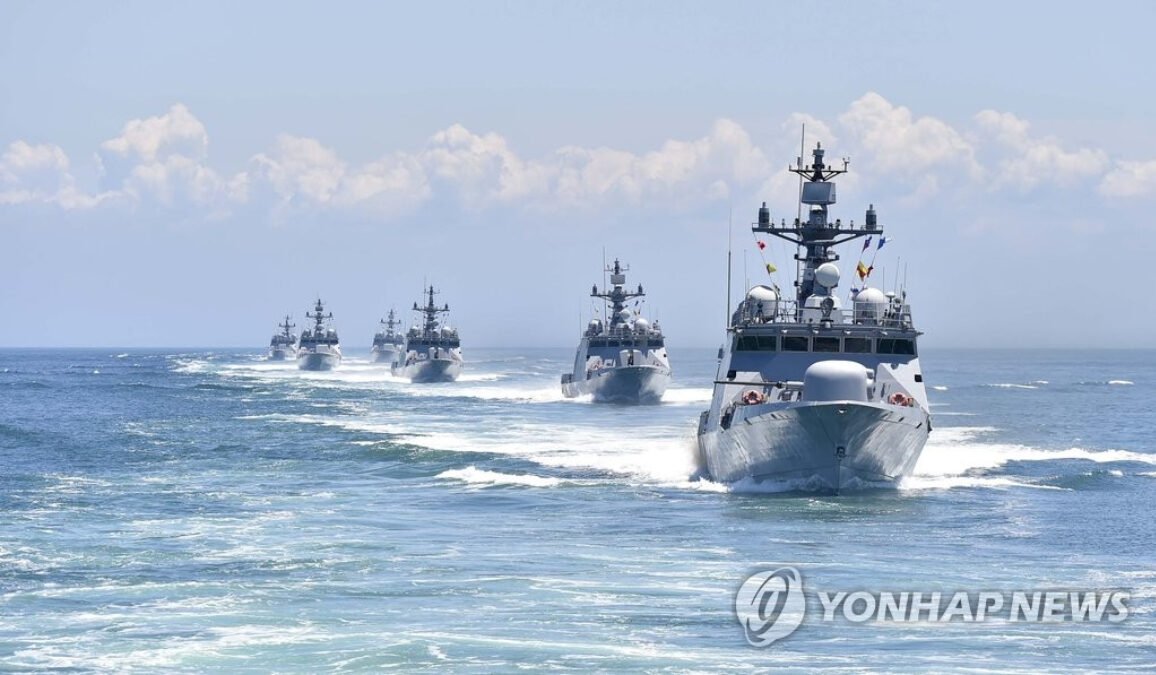
The shift of North Korea’s new fleet from the littoral zone into the near seas is fundamentally complicating maritime operational calculations across the Korean Peninsula.









Most Commented