
Translation result
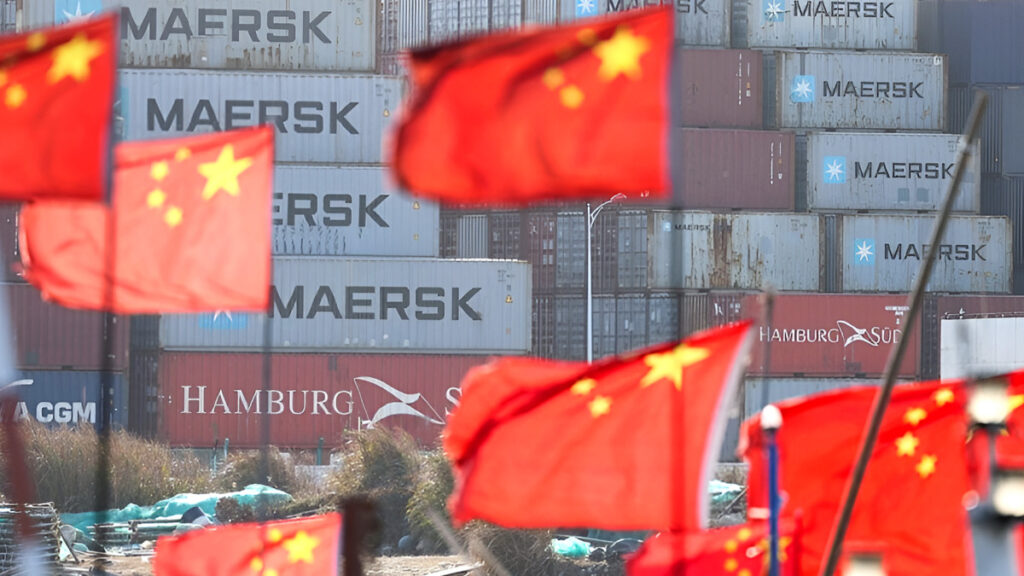
What happens to South Korea’s defense industry if China chokes off rare earths and dual‑use materials?
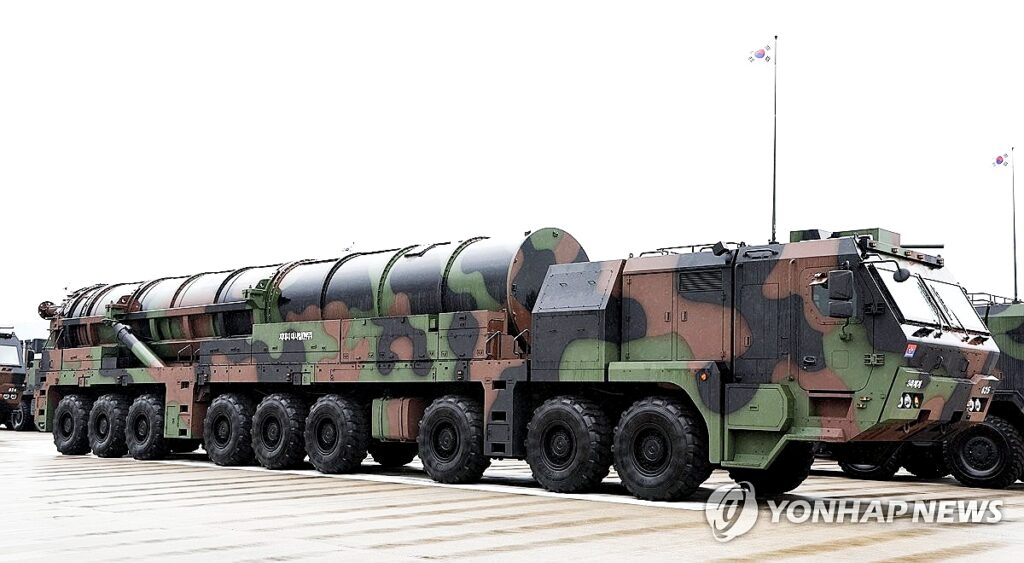
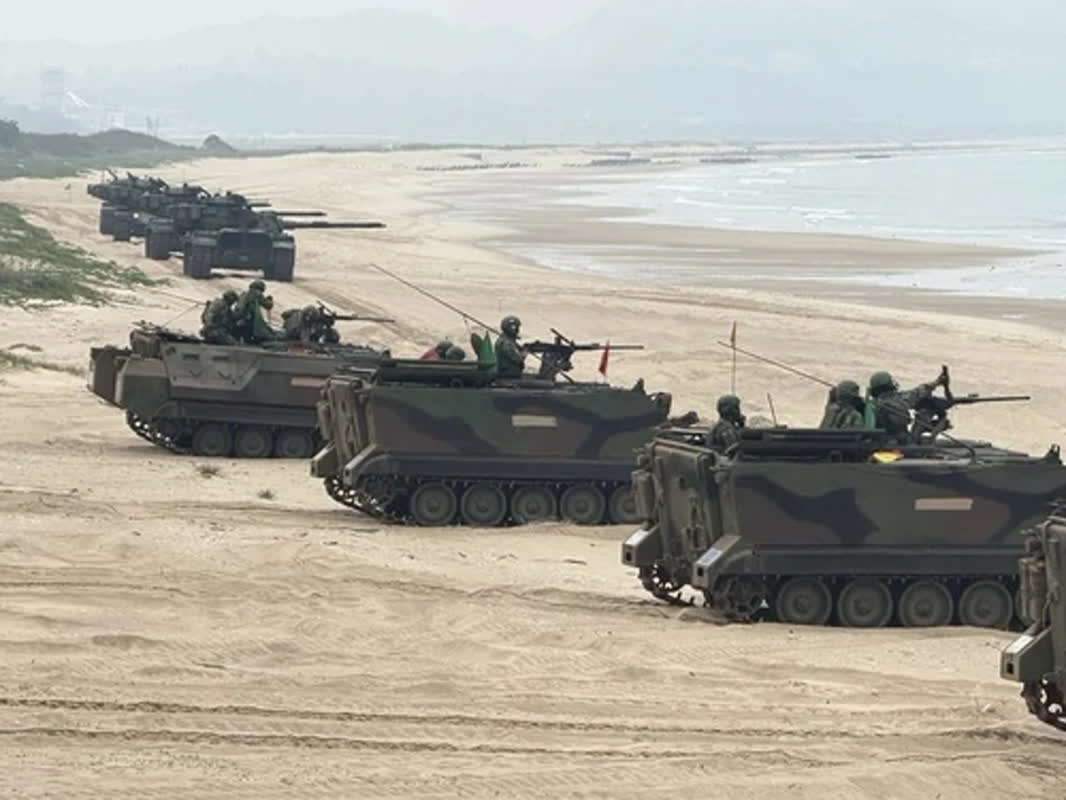
Armor plate for tanks and self‑propelled guns wouldn’t vanish overnight, but the delicate electronic subsystems inside them would seize up.
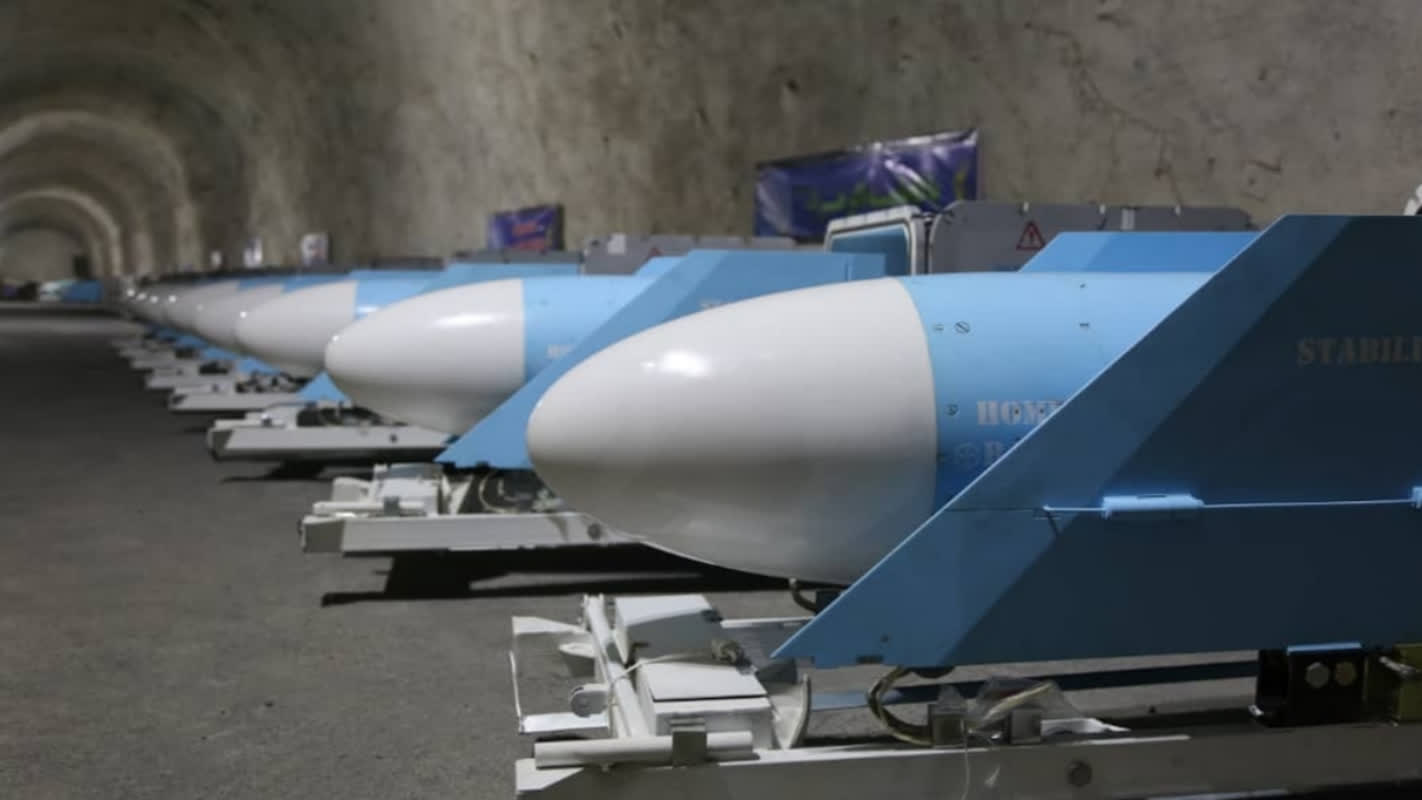
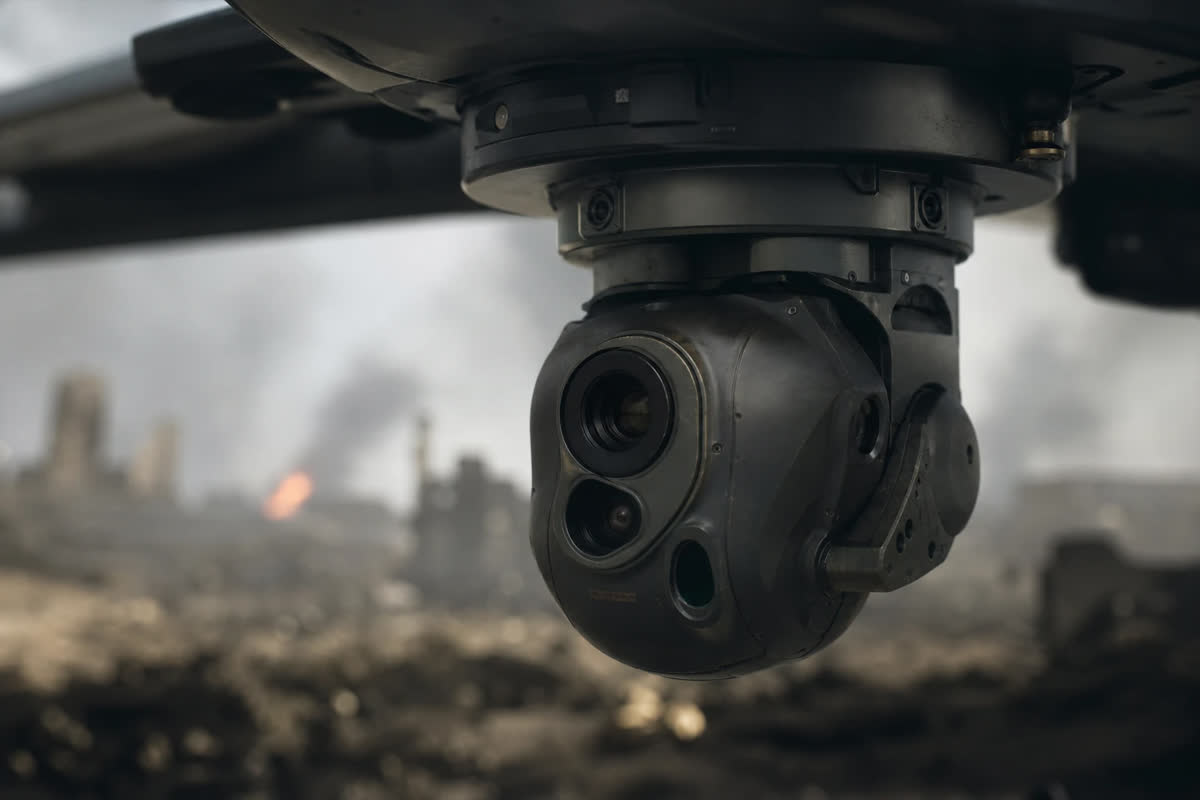
If precision actuators that move missile fins, the key motors that power drones and UAVs, and the sensors used in radar and electronic‑warfare systems are blocked, advanced weapons worth tens of billions of KRW (roughly tens of millions of USD) could be rendered scrap metal.
The invisible mine that can choke defense production without firing a shot
Recent international reporting shows Beijing has quietly expanded export controls on key materials — rare earths, AI chips and cybersecurity software — even as it presents a facade of trade stability.
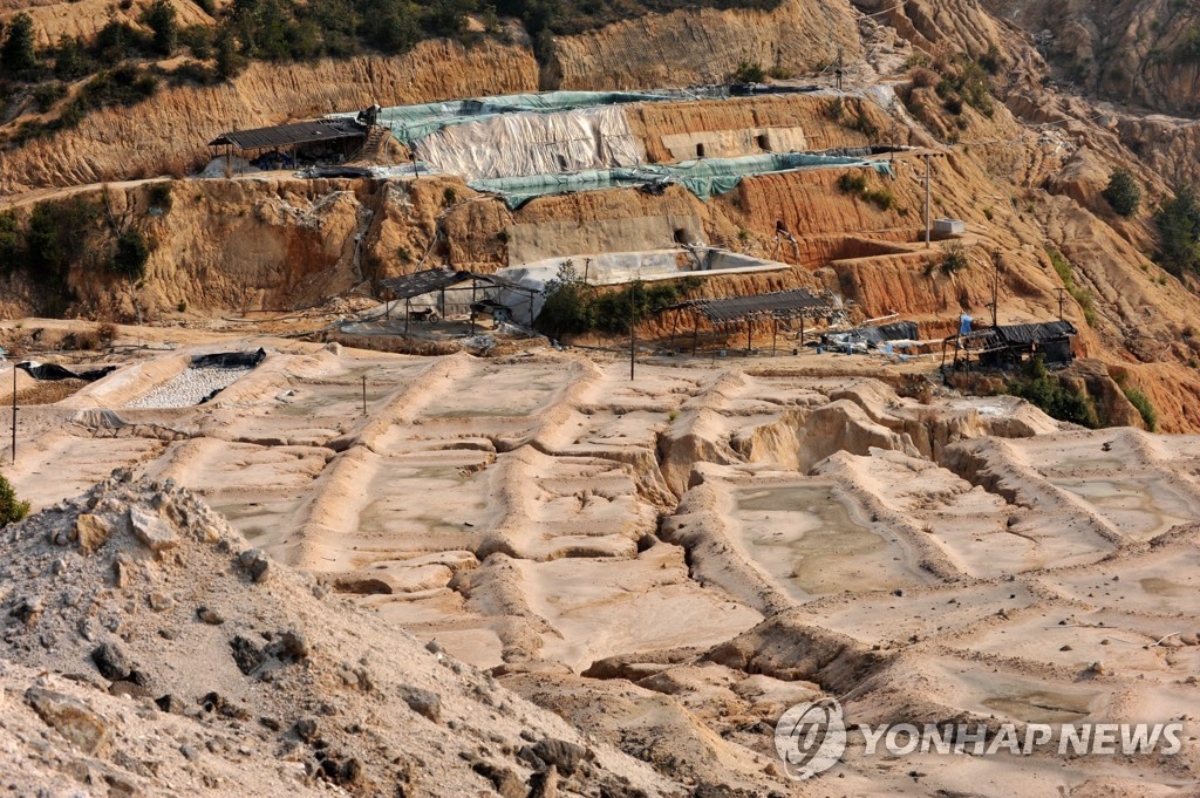
China’s Ministry of Commerce has placed metals such as samarium, terbium and yttrium — and related alloys and oxides — under export controls, and it has warned customs will scrutinize end‑use claims closely.
K‑defense’s chief advantage has been rapid delivery of integrated systems. Yet the industry has a structural vulnerability: missing that final 1% of tiny components can prevent shipment of an entire finished system, even when 99% of parts are available.
Research from the National Assembly Futures Institute shows South Korea relies on China for 88.8% of the permanent magnets essential to robot and drone drive systems.
Put simply: South Korean firms build the platforms, but China controls the lifeline that makes them run.
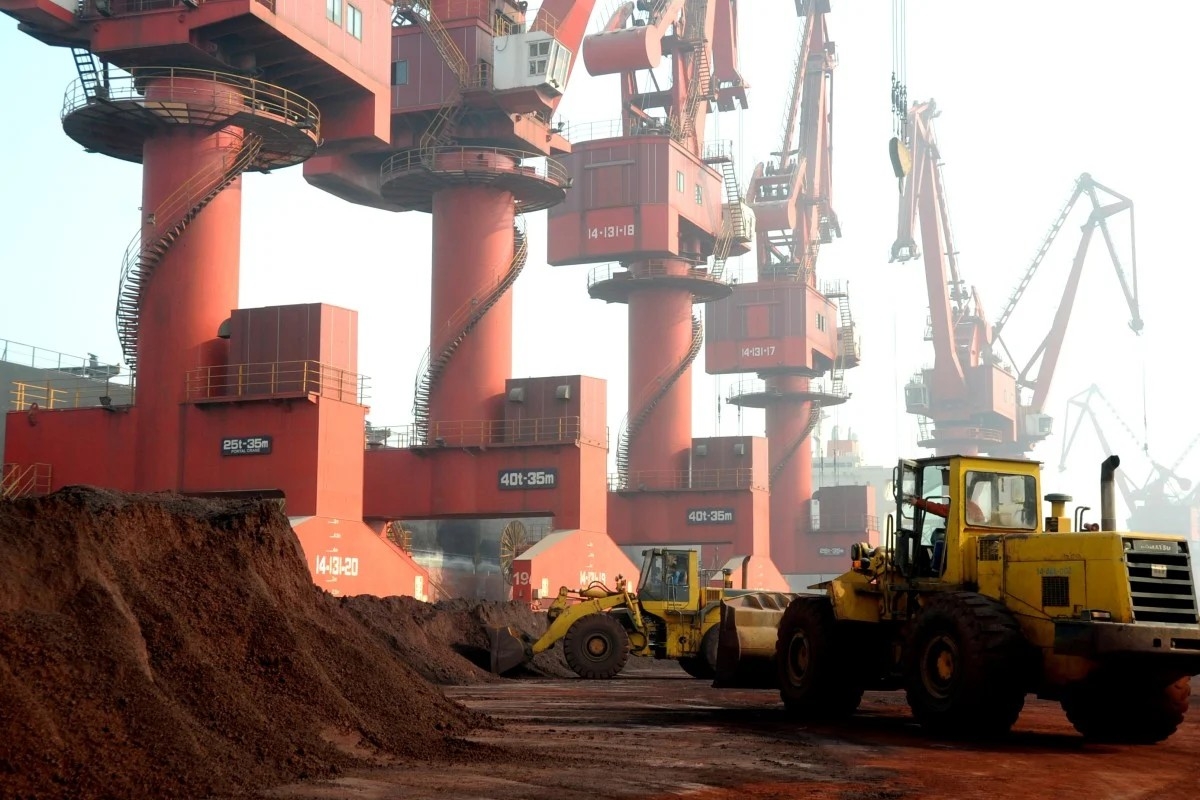
That asymmetric supply chain produces a damaging cascade. If Beijing tightens controls, firms can rely on inventory for two to four weeks, but prices for critical parts would spike.
Within one to three months, sub‑tier suppliers would begin failing to source motors and sensors, creating delivery delays.
If the disruption lasts three to six months or longer, major delivery schedules for customers in Poland, the Middle East and elsewhere would slip, and the track record that underpinned K‑defense’s credibility would start to crack.
China’s play: wielding an export veto without formal sanctions
The worst case many fear isn’t a formal export ban from Beijing.
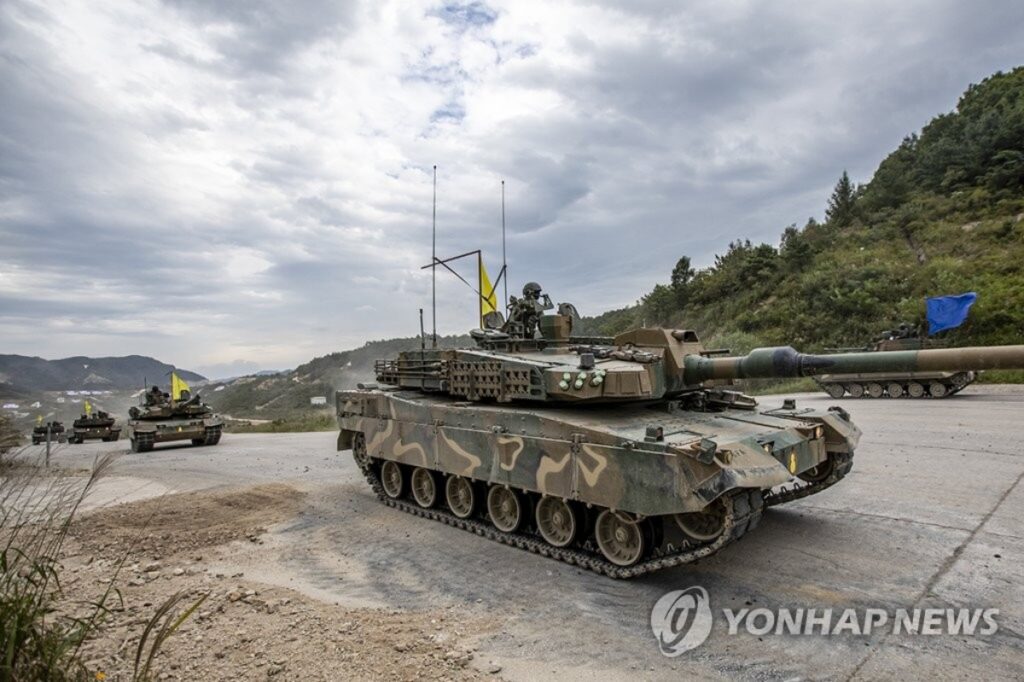
More likely, Beijing could stall customs clearance by insisting on verifying the “final military end user” whenever Chinese rare earths appear in exported parts.
That tactic gives China’s Ministry of Commerce a de‑facto approval right — effectively a veto — over K‑defense exports.
If completed tanks or guided weapons are held up by a single paperwork rejection in China, foreign buyers will inevitably question whether Korean-made systems can still meet their delivery timelines.
Seoul and defense firms have recognized the risk and begun diversifying supply. The government has rolled out a 250 billion KRW overseas mine development support package (approximately $187.5 million) and is pursuing supplies from the U.S., Vietnam and Australia.
But shifting the midstream processing capacity that turns ore into metal compounds and parts out of China overnight is virtually impossible.
China’s rare‑earth controls are not a missile that blows up a factory. They are an invisible, strategic weapon that quietly halts conveyor belts inside defense plants and lets export contracts stall.





Most Commented