
Can South Korea Survive Without US Forces? A Deep Dive into Military Strategy and Defense Readiness
Daniel Kim Views
Translation result
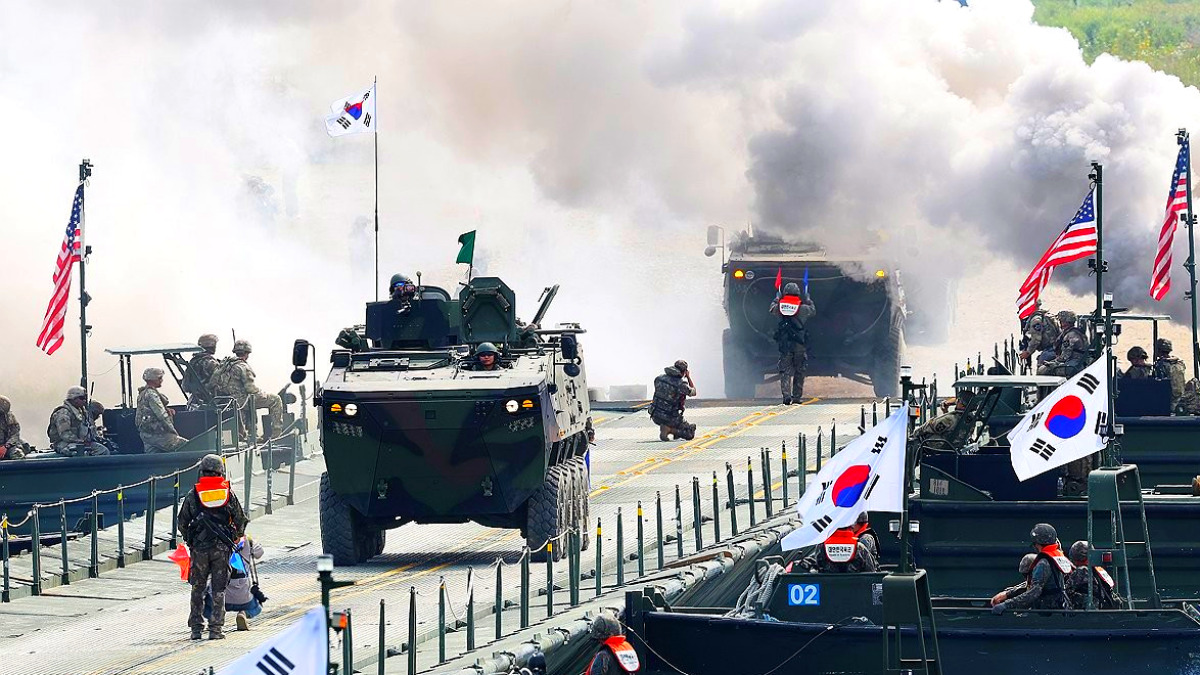
For decades, one unshakable assumption has underpinned security on the Korean Peninsula.
Operation Plan 5055 holds that if North Korea launches a full-scale war, the United States will surge forces and materiel from the U.S. mainland and Japan to defend South Korea.
But if simultaneous crises erupt—China invading Taiwan while Russia expands fronts in Europe—the calculations change fast.
Confronted with severe force dispersion, the U.S. could divert 20–40% of its Korea-based units to the Taiwan Strait and delay reinforcements to the peninsula, potentially leaving the Republic of Korea (ROK) military to blunt a North Korean attack on its own.
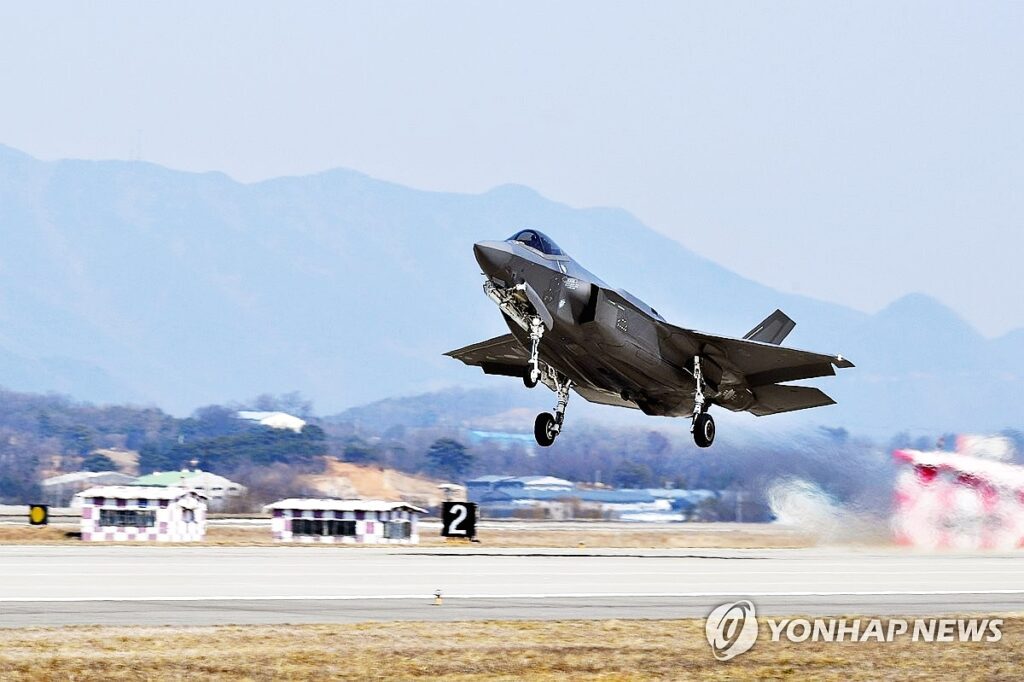
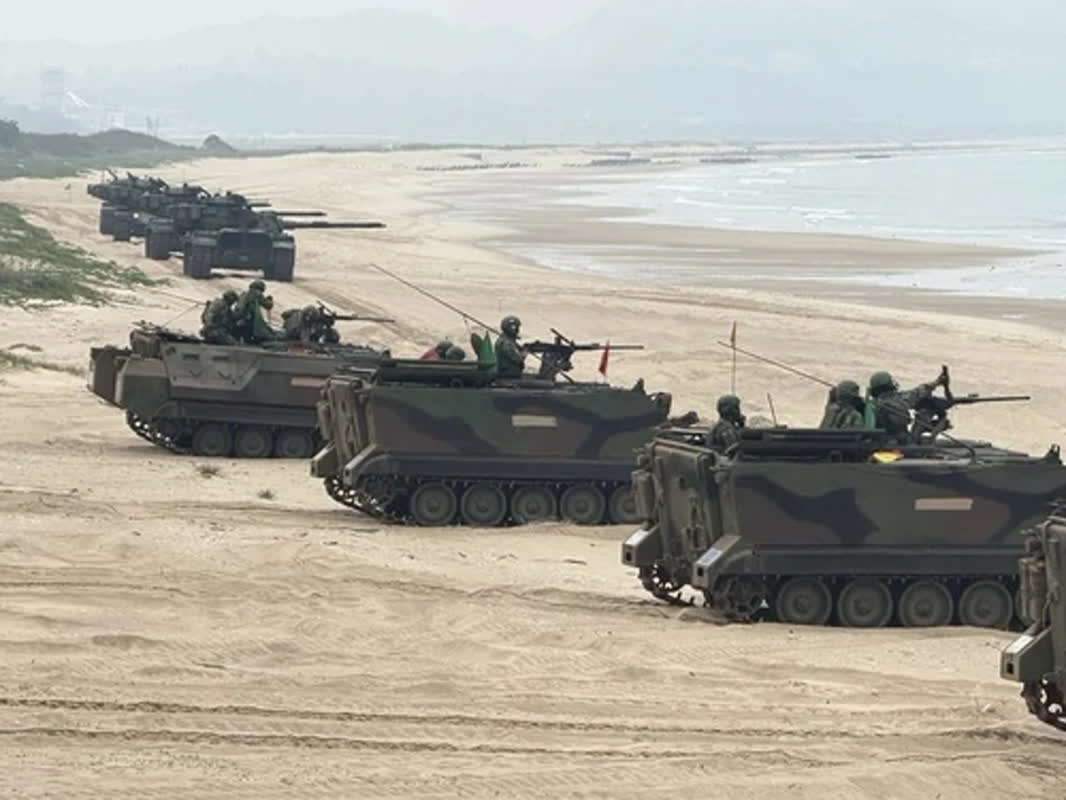
If North Korea tries to exploit the gap left by departing U.S. units and launches a surprise invasion with heavy artillery, swarms of drones and special operations forces, the ROK military’s immediate priority would be survival rather than a large-scale counteroffensive.
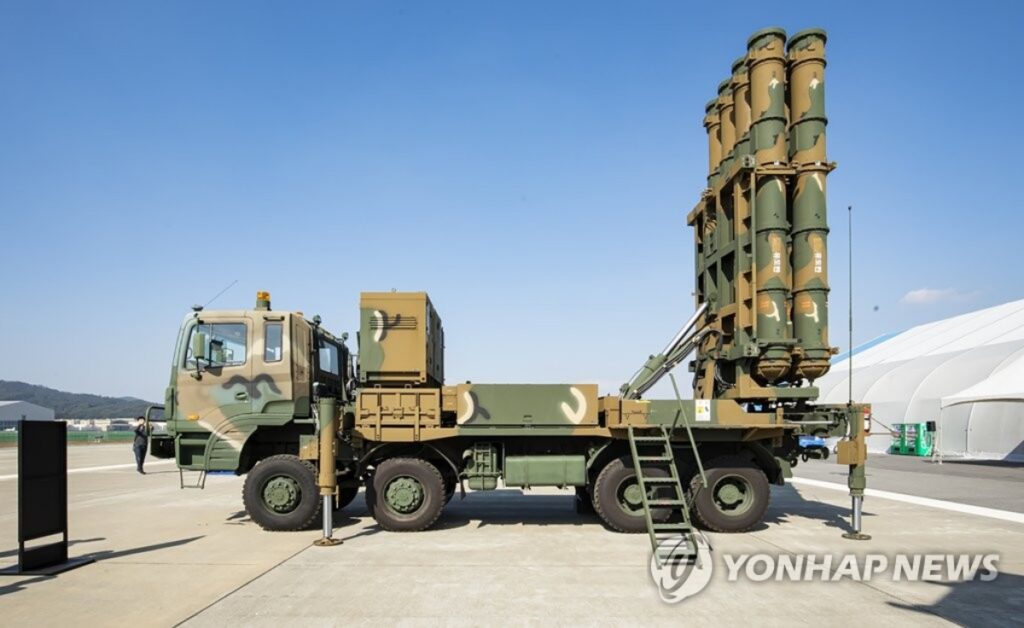
Dominant air assets—F-35A and F-15K fighters and the KF-21, entering service this year—would need to seize air superiority, while layered air defenses such as Cheongung-II (M-SAM II) and Patriot batteries hold key corridors.
The ROK armed forces do have qualitative advantages: K9 tracked self-propelled howitzers and precision-strike capabilities can blunt North Korea’s artillery and help absorb the initial blow.
A War of Attrition Without U.S. Forces: The K-Defense and Ammunition Dilemma
Paradoxically, South Korea’s single best reason it might avoid an early collapse without U.S. forces is its mature domestic defense industry.
Unlike Ukraine in 2022, which entered the fight short of weapons and ammunition and relied heavily on external support, South Korea can rapidly transition civilian industry to wartime production under a national mobilization to sustain munitions and equipment output.
Most analysts assess the ROK military has a solid chance of blocking North Korean avenues of advance and stabilizing a defensive line on its own in the early phase.
The real danger comes if the conflict degenerates into a high-intensity war of attrition.
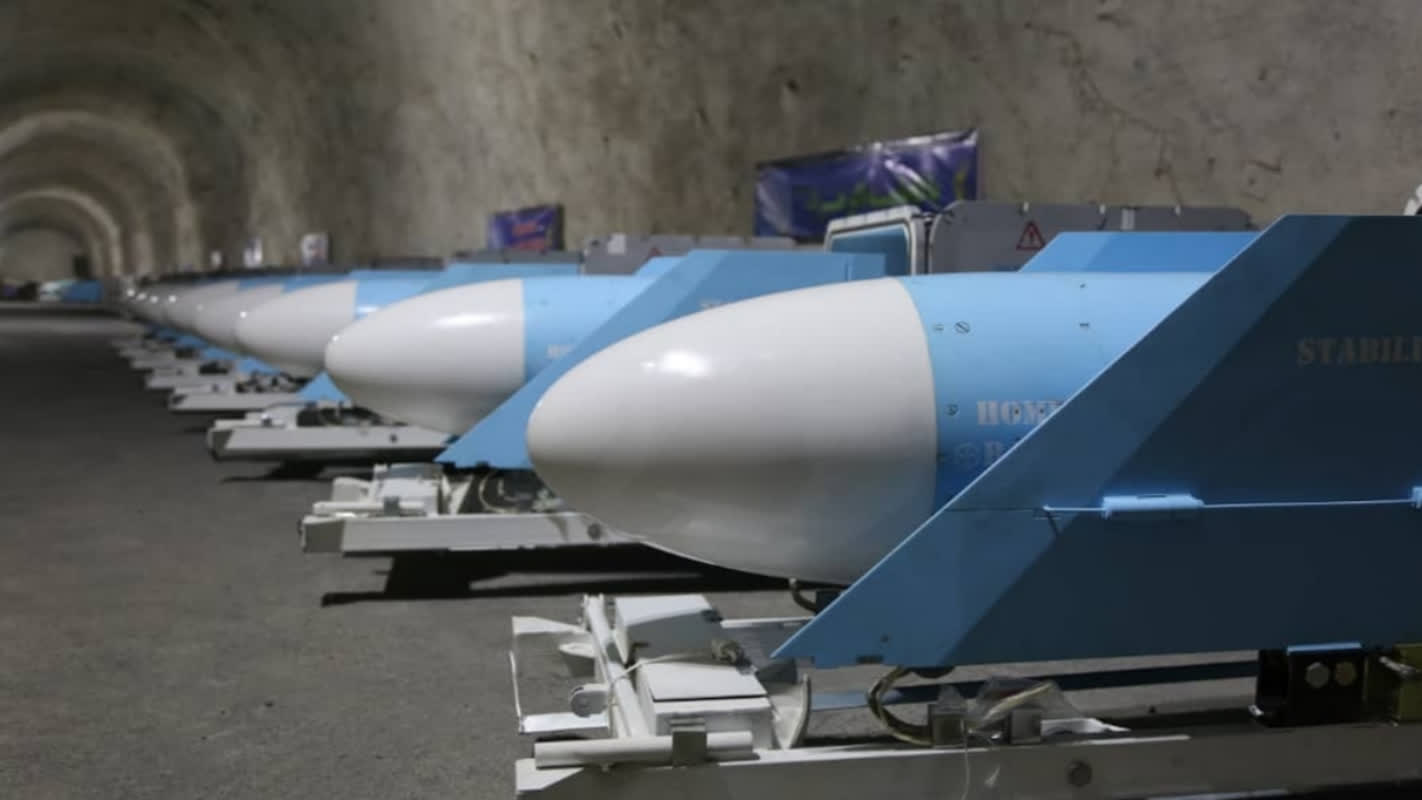
Interceptors and precision-guided munitions would be expended faster than planners expect, and stockpiles staged at UN rear bases in Japan—intended for Korea in a crisis—could be redirected to the Taiwan theater.
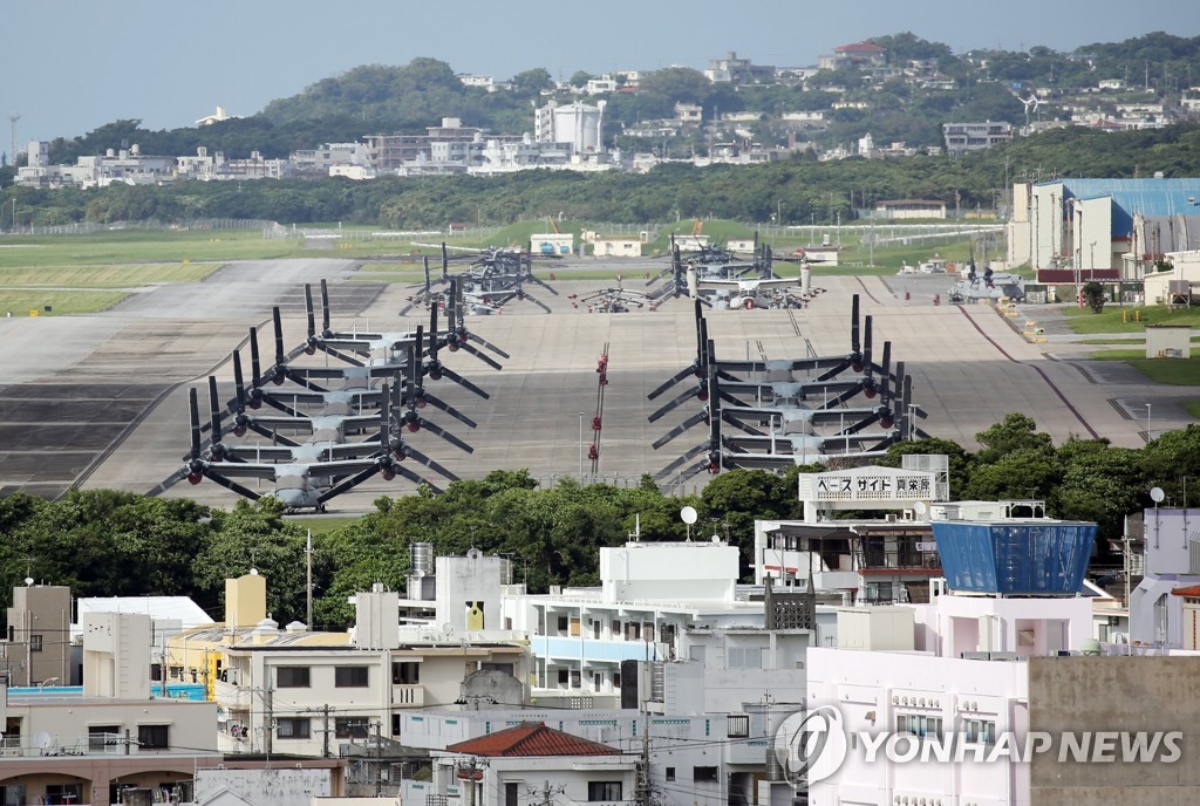
As the densely populated Seoul metropolitan area comes under sustained bombardment, domestic political pressure would spike. Without early U.S. intervention, sustaining high-intensity operations for weeks would strain even South Korea’s substantial defense-industrial base.
The Ultimate Variable ‘Tactical Nukes’: Testing the Three-Axis System
The most alarming scenario for a lone ROK force is a North Korea driven to desperation resorting to low-yield tactical nuclear strikes to punch through the front.
Recent simulations by U.S. defense think tanks suggest Pyongyang might try limited nuclear use to trigger political shock in Seoul if U.S. extended deterrence is delayed.
South Korea’s three-axis deterrent—Kill Chain, KAMD and KMPR—provides strong conventional denial, but whether it would hold when nuclear clouds appear is an open question.
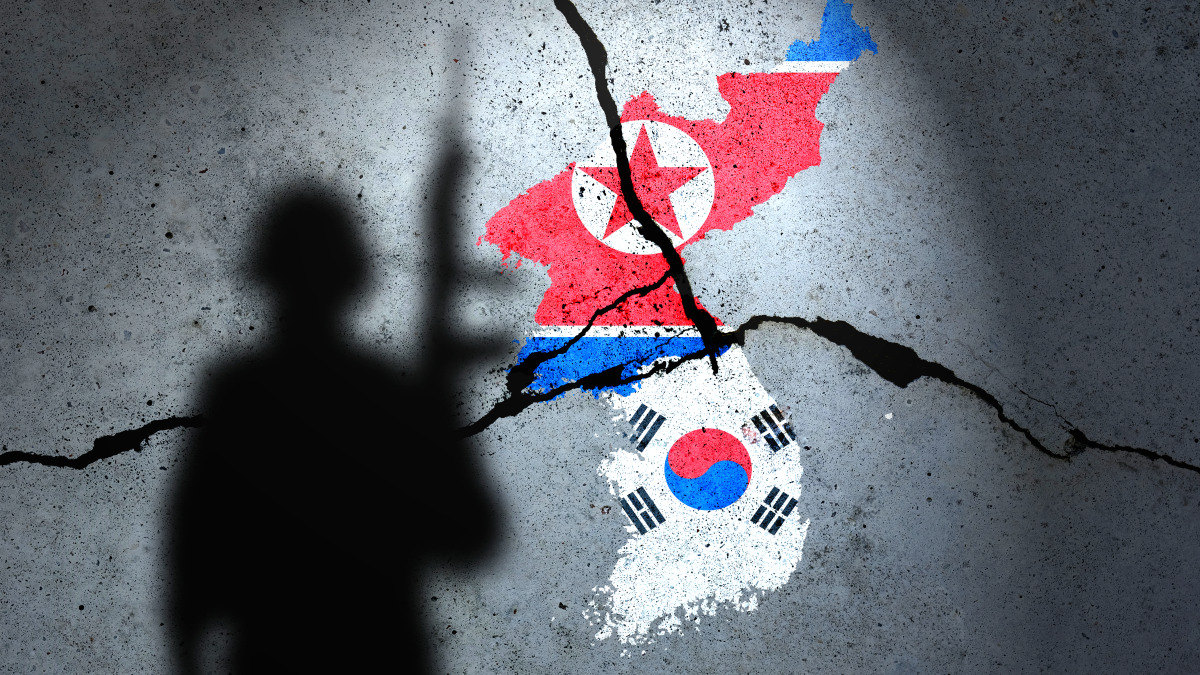
In short, the likelihood that the ROK military would be routed outright by North Korea in a conflict without U.S. reinforcements is low.
But achieving the annihilation of North Korean forces and securing a decisive victory using only indigenous capabilities would be extremely difficult.
In an era when Taipei and the Korean Peninsula are strategically linked, South Korea can no longer rely solely on the myth of OPLAN 5055.
Boosting interceptor stockpiles and fielding non‑nuclear deterrent options capable of delivering crippling strikes against North Korean leadership without U.S. forces are the only realistic paths for surviving on an isolated battlefield.




Most Commented