
Translation result.

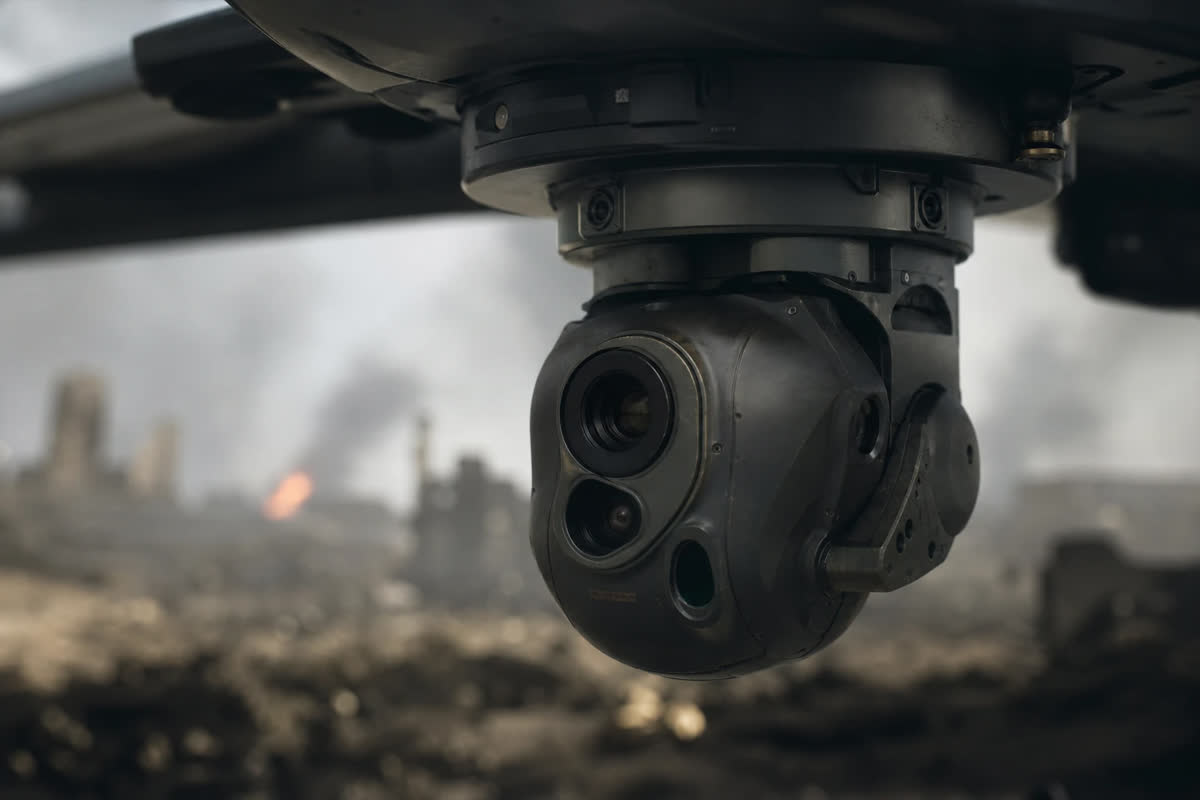
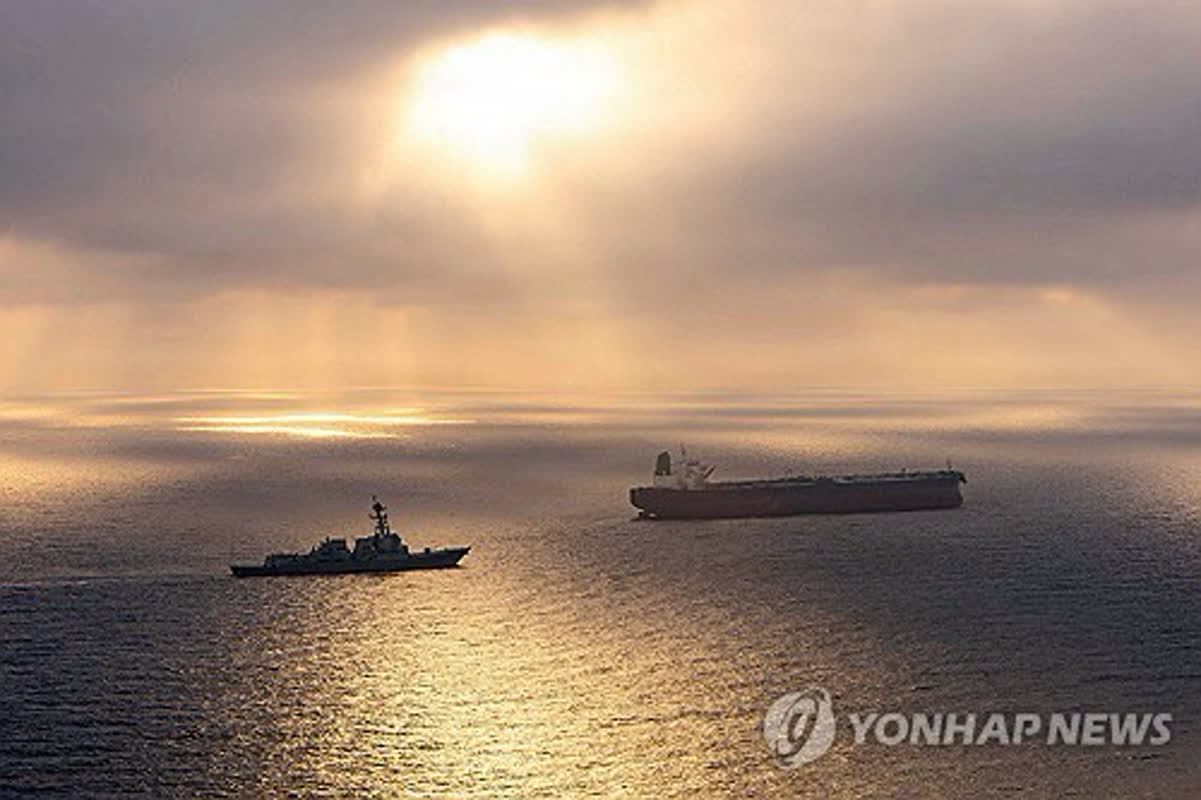
[Anchor] The government says it will determine who attacked the Namu through additional investigations. Depending on who carried out the strike and what their intent was, Seoul’s choices for response could narrow and intensify. Reporter Park Su-ju. [Reporter] After the government released photos of the vessel’s hull and its preliminary findings, experts increasingly point to a suicide drone — also referred to as a kamikaze drone or loitering munition — as the most likely cause. They say a short-range small anti-ship missile can’t be ruled out, but the attack pattern and damage are more consistent with a drone that struck and detonated on impact. 「Yang Wook / Research Fellow, Asan Institute for Policy Studies」 They struck and detonated on contact. It didn’t explode after penetrating. Then two detonated — that suggests formation flight. That’s a typical employment pattern for suicide drones. The central questions now are who carried out the attack and why. The government plans further analysis of engine debris recovered at the scene, and officials say those parts may be brought into South Korea for detailed testing. 「Lee Kyung-ho / Deputy Spokesperson, Ministry of National Defense」 Based on facts verified so far, the Defense Ministry is coordinating with relevant agencies and will continue to provide necessary support. Even after confirming the strike, the government has been cautious about assigning blame and says it will respond at an appropriate level once the investigation is conclusive. Seoul has shared current findings with both Iran and the United States, and officials say summoning Iran’s ambassador to the Foreign Ministry was not intended as a formal protest. To date, the government has kept some distance from both Washington and Tehran while aligning with international calls to protect freedom of navigation. Analysts warn, however, that Seoul’s response will likely shift depending on who is found responsible and what their motive was. Earlier, the government outlined a phased plan to prepare for a prolonged disruption of the Strait of Hormuz. With an external attack now apparent, the investigation’s outcome could prompt a rapid review of diplomatic and military options — from demands to prevent recurrence to potential deployment of military assets. Another variable is the United States, which earlier pointed to Iran and floated joining a “liberation operation” for ships in the Strait of Hormuz; Washington could press partners to take a more active role. This is Park Su-ju with Yonhap News TV. [Video footage: Jung Jae-hyun] [Video editing: Yoon Hyun-jung] Yonhap News TV story inquiries and tips: KakaoTalk/LINE jebo23 Park Su-ju (sooju@yna.co.kr)





Most Commented