
Translation result.
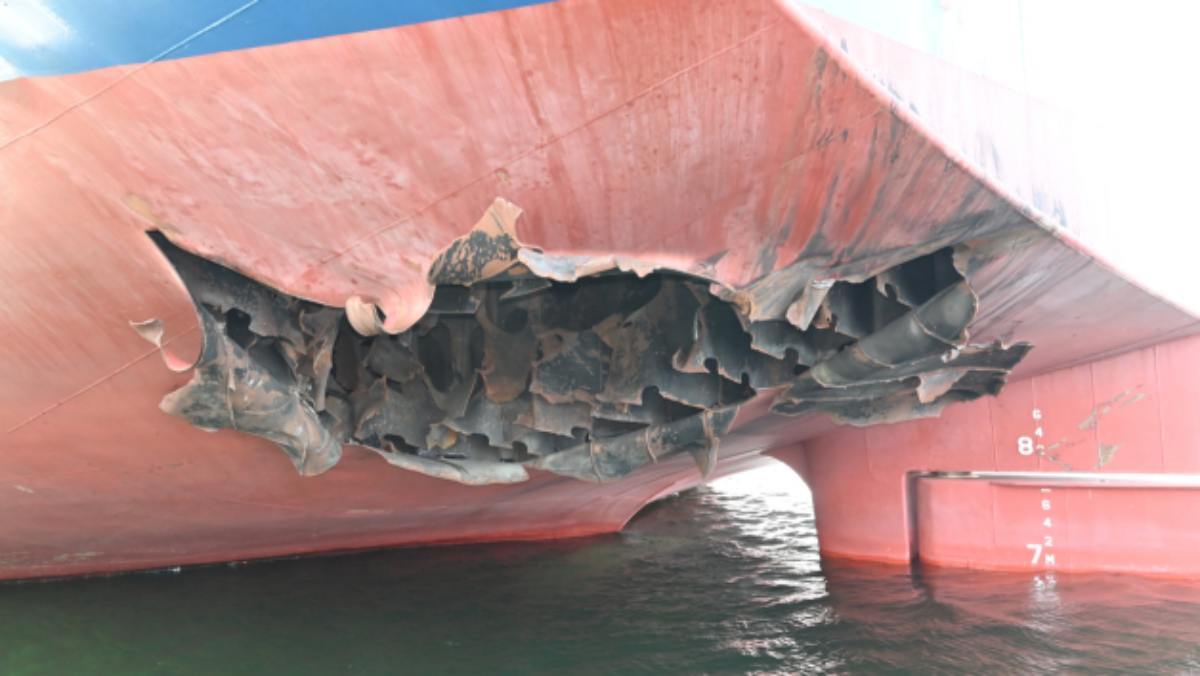
Debris from the aerial vehicle that struck a South Korean‑flagged ship in the Strait of Hormuz has been brought into South Korea, and officials have begun a forensic analysis to determine who was behind the attack and what weapon system was used. The Foreign Ministry said it completed air transport of the material secured in close cooperation with UAE authorities on the 15th. Led by the Agency for Defense Development (ADD), the investigation is intended to go beyond a routine accident probe and could provide decisive evidence about the maritime clashes that have spread across the Middle East in 2026.
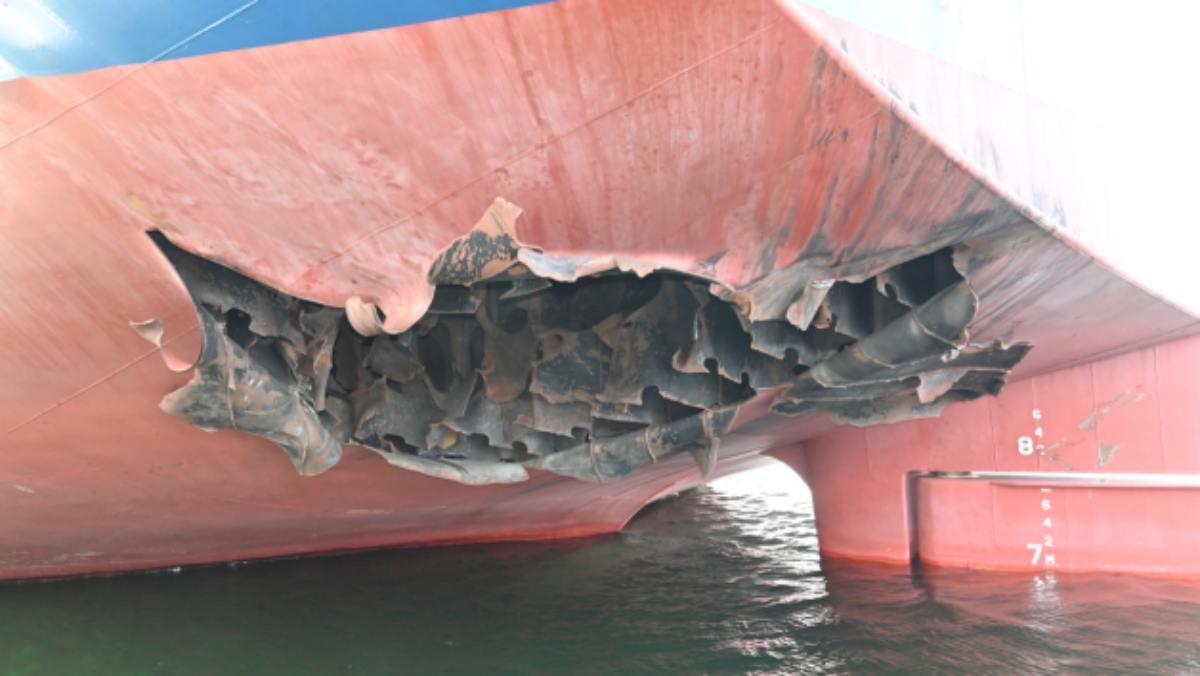
The incident occurred on the 4th aboard the HMM‑operated container ship Namu while it transited the Strait of Hormuz. The vessel was carrying Middle East cargo en route to East Asia. A sudden blast was followed by explosions amidships and at the stern, and a fire quickly took hold.
Analysis of recovered video and radar tracks indicates two unidentified aerial vehicles approached at low altitude and struck the ship directly. A senior government official told reporters the evidence strongly suggests a deliberate attack delivered by a guided weapon system rather than an accidental strike. The debris flown to South Korea includes engine components, airframe fragments and traces of explosive residue.
To make sense of this strike, it must be viewed in the context of the shadow maritime war that has unfolded across the Middle East since 2025 and continued into 2026. After Houthi attacks on commercial vessels in the Red Sea intensified in late 2024, a multinational coalition stepped in. The confrontation then escalated and spread beyond the Red Sea to the Strait of Hormuz, a critical artery for global oil shipments.
The current environment in the region increasingly resembles proxy warfare between states and armed groups. Anonymous suicide drones and explosive unmanned surface vessels have been used to attack civilian shipping, disrupt international supply chains and pressure Western nations. International security analysts generally see the HMM Namu strike as part of this broader campaign. In recent months, some actors have raised the stakes by targeting third‑country vessels, including ships registered to South Korea, to demonstrate military reach.
The Agency for Defense Development intends to use the recovered debris to answer three key questions.
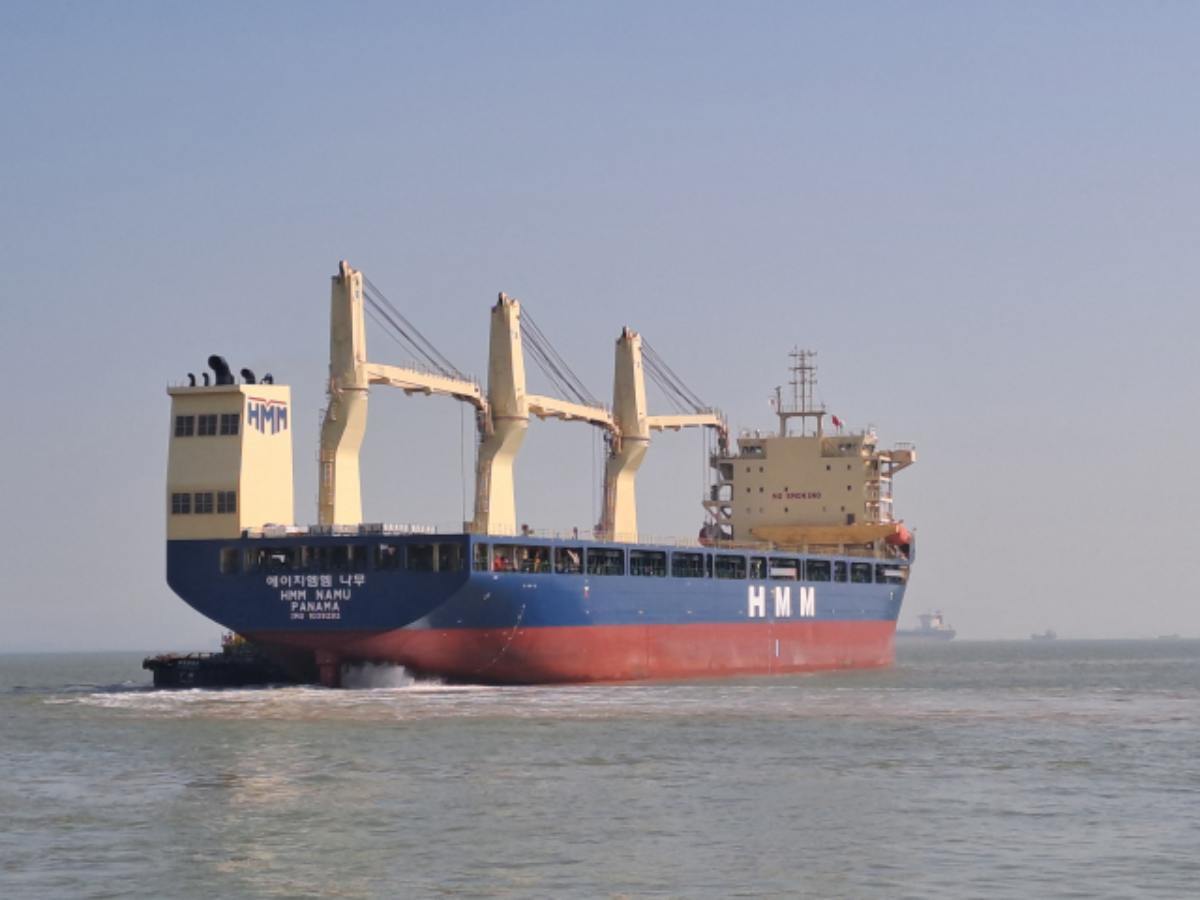
First, investigators will try to establish the aerial vehicle’s origin and manufacturer. Examining engine serial numbers and part designs can indicate whether the craft came from a national manufacturer or was an improvised model built by a nonstate actor. Analysts will pay particular attention to whether the wreckage shows similarities to the Shahed‑series UAVs commonly found in Middle Eastern battlefields in 2026.
Second, they will seek to identify the launch point and the guidance method. Officials plan to cross‑check radar records with GPS modules recovered from the wreckage to locate where the vehicle took off. Determining whether the strike used satellite navigation or remote piloting will help gauge the attacker’s technical capabilities.
Third, they will analyze the explosive and propellant residues. Chemical analysis can reveal whether the charge was military‑grade, high‑performance explosive or an improvised device made by a nonstate group. That forensic evidence will be crucial for international attribution and for pressing accountability in diplomatic and security forums.







Most Commented