
U.S. Secretly Recovers 13.5kg of High-Enriched Uranium: What It Means for Global Nuclear Security
Daniel Kim Views
Translation result
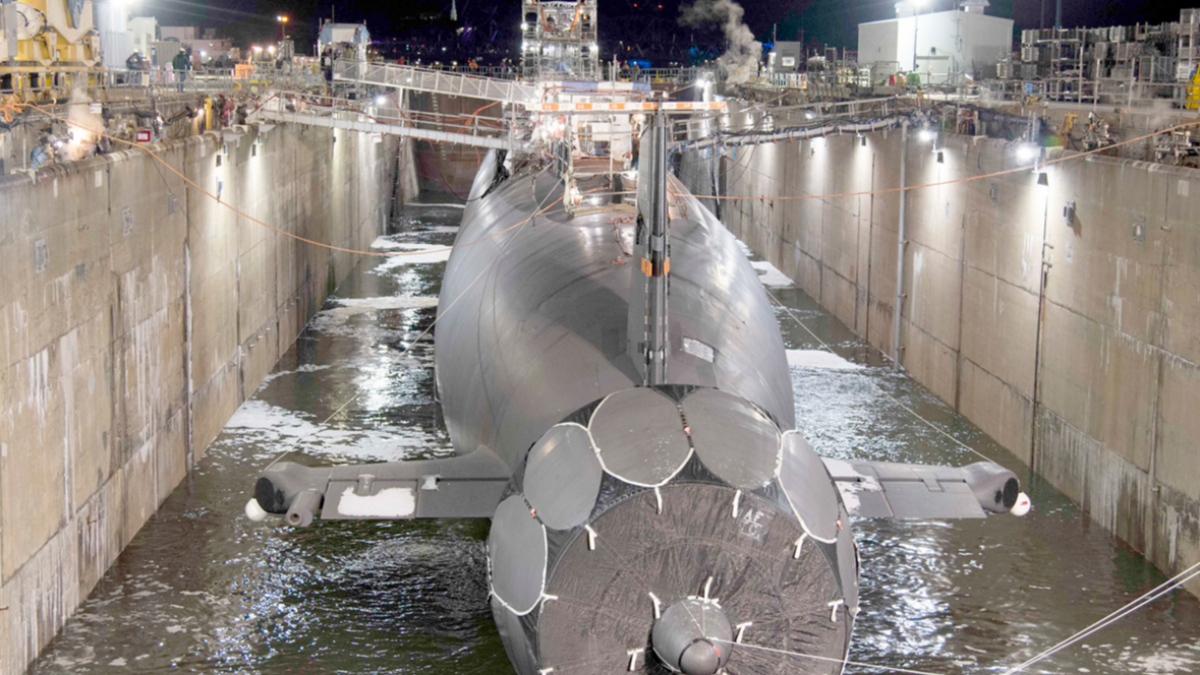
An operation to remove nuclear fuel, not a nuclear bomb
The United States recently removed all highly enriched uranium from a closed research reactor in a South American country and transferred it to U.S. nuclear facilities. The material had been used for research and medical purposes decades earlier and remained in the reactor after it was shut down. Because highly enriched uranium above certain concentrations can, in theory, be used to build nuclear weapons, leaving it in a country with unstable economics or security risked diversion to terrorist groups or illicit actors. Washington opted for a discreet retrieval operation rather than a strike, aiming to neutralize the threat before it could emerge.
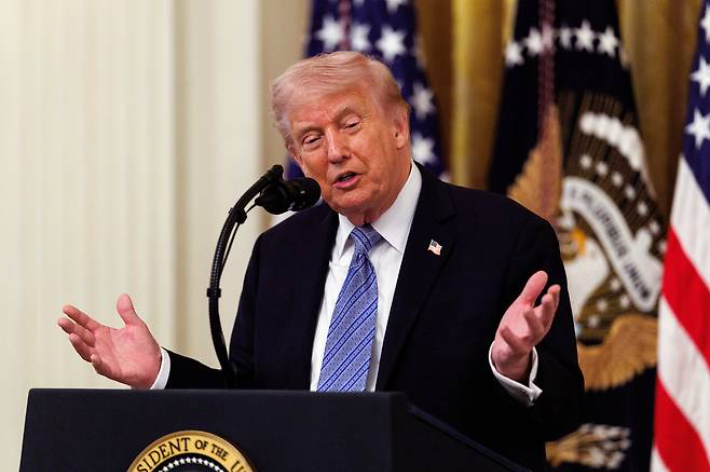
Unusual nuclear-security cooperation with an adversary
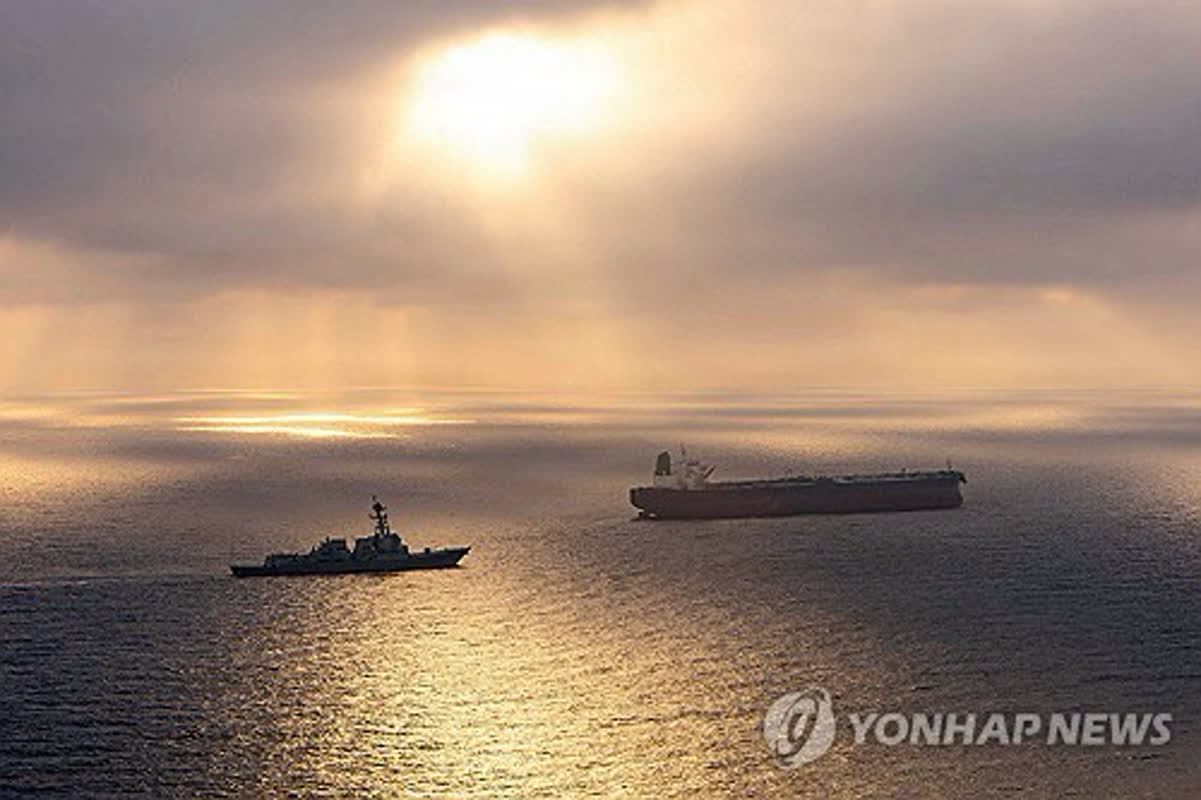
The operation is notable because the United States and the country involved had long maintained tense political and diplomatic relations. Yet, leveraging technical support from international nuclear agencies, the two sides coordinated in secret to map land and sea transport routes and meet safety standards. Military escorts moved the nuclear fuel by land to a port; from there it transited a third country and crossed the Atlantic to nuclear facilities on the U.S. East Coast. Publicly, the parties trade sanctions and accusations, but on preventing the diversion or leakage of nuclear material their interests aligned.
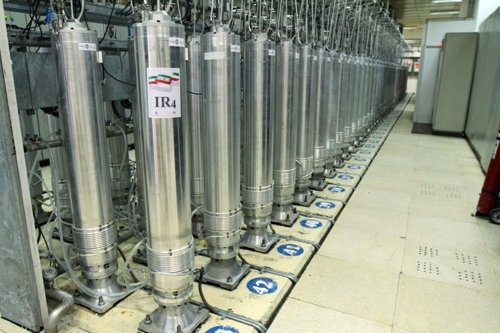
13.5kg — more consequential than the number
The operation recovered about 13.5kg of highly enriched uranium. By weight that’s a small metal mass, but depending on enrichment level and weapon design, that quantity could represent weapons-capable material for multiple nuclear devices. The reactor had been idle for decades, and staffing and funding had dwindled, so safety and security risks only grew over time. U.S. officials accelerated the timeline and completed the removal more than two years ahead of schedule, reflecting a judgment that leaving the material in place posed an unacceptable risk.
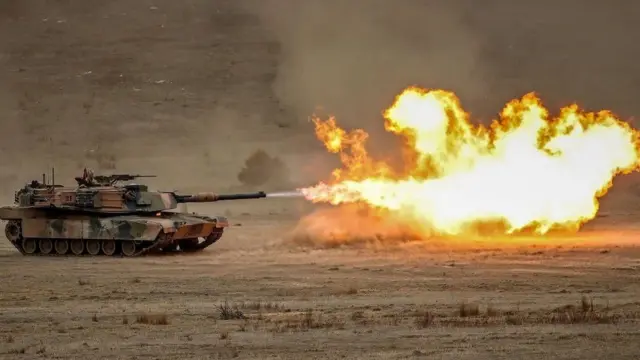
7,340kg: the global haul of the most dangerous material
What looks like the cleanup of a single research reactor is part of a broader effort. U.S. nuclear-security agencies have long run programs to locate and either remove or render unusable highly enriched uranium and plutonium left in aging research reactors, military sites and storerooms worldwide. To date, those programs have identified and secured more than 7,340kg of weapons-grade nuclear material — enough, in theory, for hundreds of nuclear weapons. The Venezuela case is the latest example of these quiet retrieval operations.
A nonproliferation red line that cuts across political hostility
The lesson is clear: no matter how intense sanctions, regime-change debates or ideological disputes become, leaving weapons-grade nuclear material in unstable regions is unacceptable to all parties. As the United States and Venezuela demonstrated, countries can publicly spar yet cooperate to remove shared risks. Quiet, preemptive efforts to eliminate hazardous material before political conflicts escalate into a nuclear crisis could set a useful precedent for other regional disputes. These nuclear-security operations rarely make headlines, but each successful retrieval reduces the chance of a catastrophic outcome.




Most Commented