
Translation result
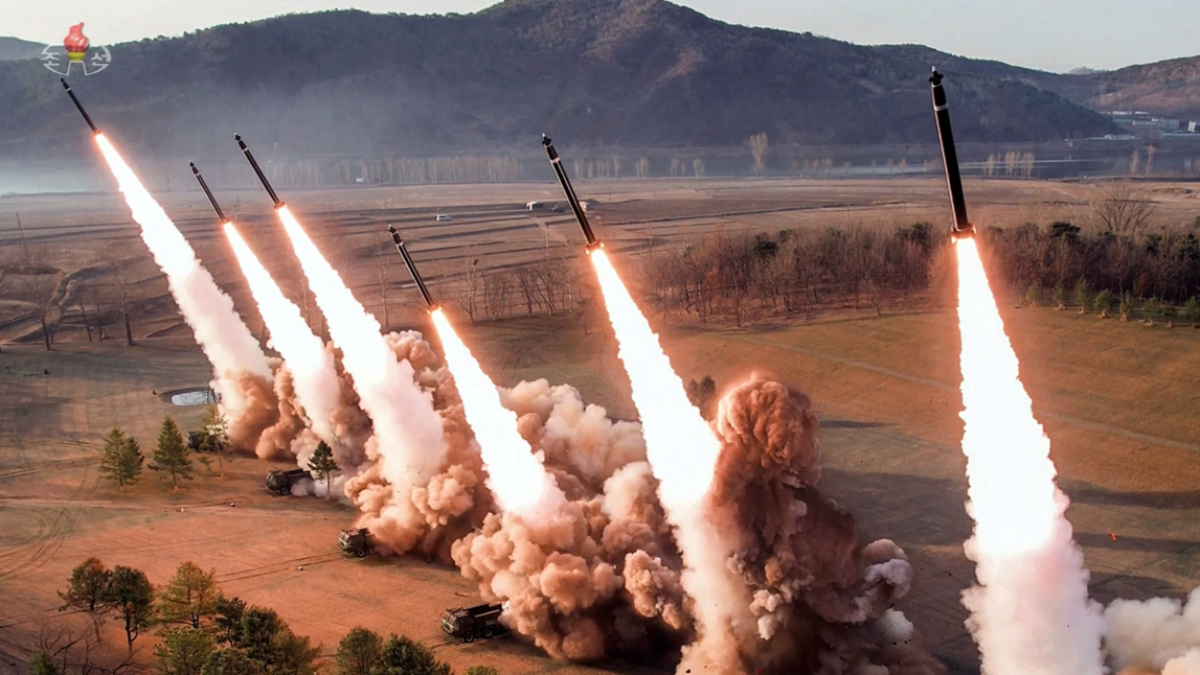
“Seventh This Year”: North Korean Missile Launches Put Japan on Immediate Alert
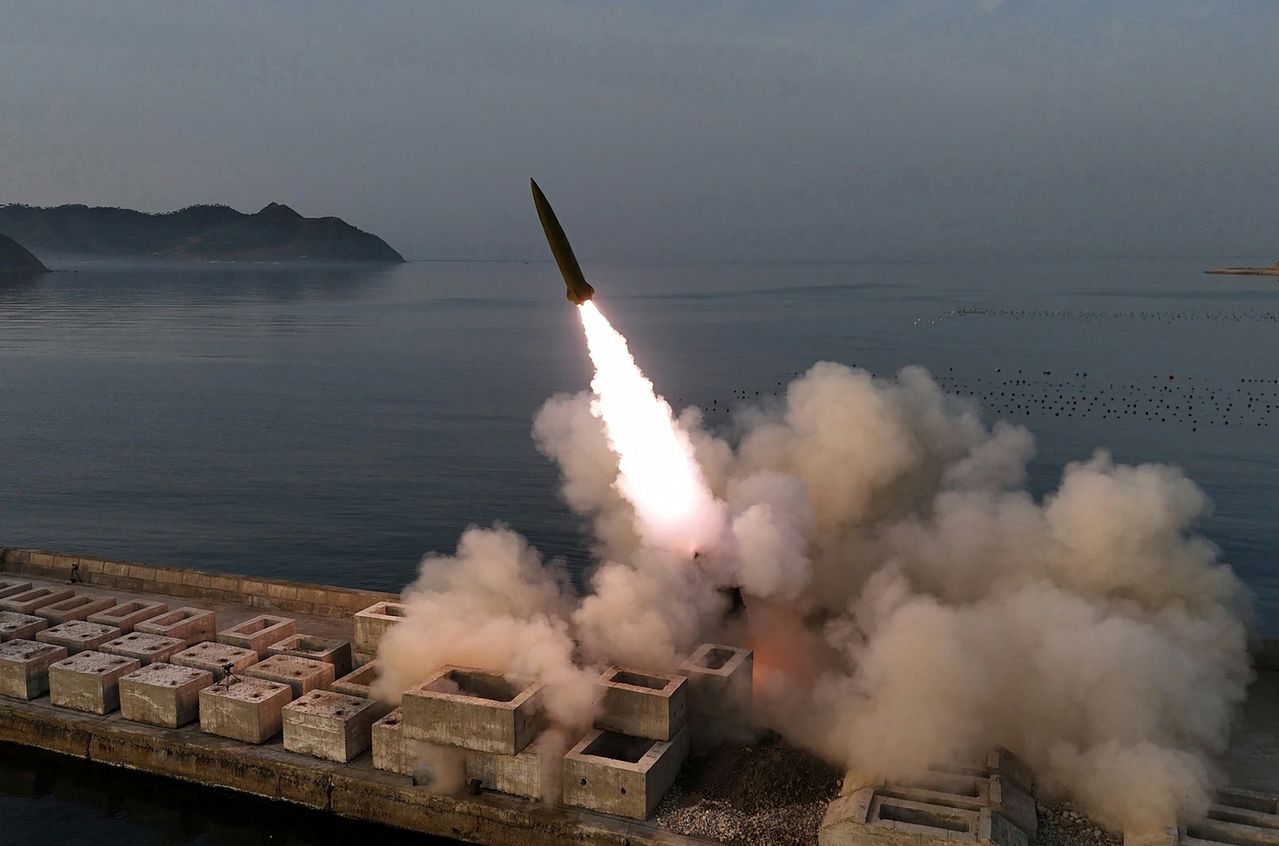
North Korea launched multiple ballistic missiles eastward on May 19, marking its seventh such provocation this year.
Following launches on Jan. 4 and 27, March 14, and three separate incidents over April 7–8, Pyongyang conducted another launch just 11 days later.
South Korea’s Joint Chiefs of Staff reported an unidentified ballistic missile launch to the east, while Japan’s Defense Ministry said the projectiles appear to have landed outside Japan’s exclusive economic zone (EEZ), near the east coast of the Korean Peninsula.
Though none crossed Japanese airspace or territory, Tokyo moved quickly to activate its crisis-response mechanisms given the frequency of recent launches.
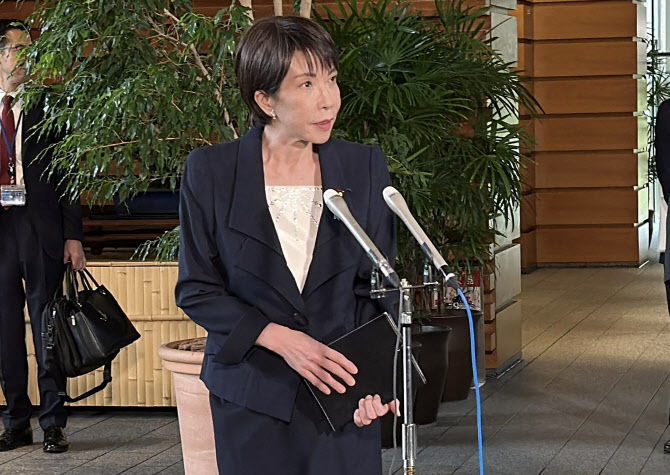
Prime Minister Takaichi Orders Crisis Management Center to Mobilize
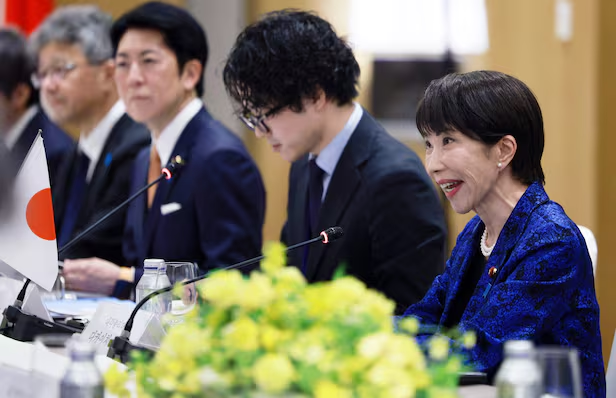
Prime Minister Sanae Takaichi posted on X (formerly Twitter) within minutes of the launches to update the public and set out response steps.
She said, “Around 6 a.m. today, North Korea appears to have fired multiple ballistic missiles,” and added that Japan, the United States and South Korea are closely coordinating analysis of the available data.
She convened an emergency response team at the Prime Minister’s Crisis Management Center to collect and consolidate information. She also directed ministries and agencies to provide accurate public updates, verify the safety of civilian aircraft and vessels, and prepare for unforeseen developments.
Tokyo did not formally declare a state of emergency, but officials effectively switched to crisis mode to manage the situation.
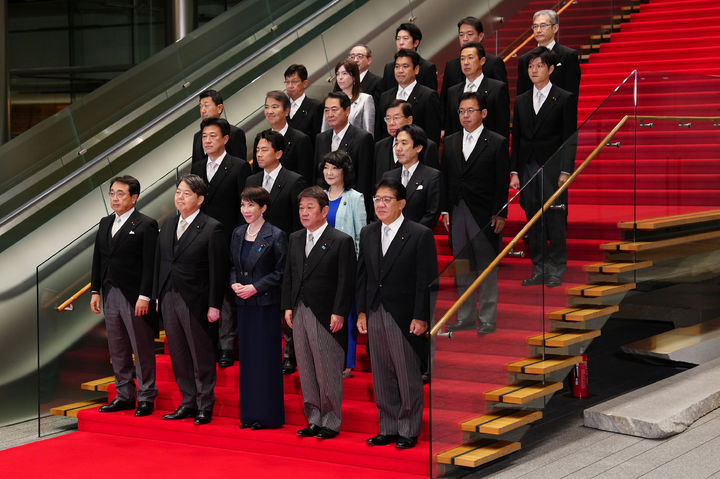
“Check Aircraft and Vessels First”: Japan Activates Its Response Manual
Takaichi’s directions focused on three priorities.
First, intelligence collection and analysis: jointly verify launch counts, warhead types, trajectories and impact points with U.S. and South Korean partners.
Second, public-safety checks: assess any risks to air and sea lanes and confirm that civilian aircraft and ships are not endangered.
Third, maintain readiness: raise the Self-Defense Forces’ alert and surveillance posture to prepare for the possibility of follow-on launches, including planning for an intercept posture if required.
The response appeared measured publicly, but it functioned as a practical test of both Japan’s crisis-management apparatus and its missile-defense systems.
Defense Minister Issues Immediate Statement While Visiting Australia
Defense Minister Shinjiro Koizumi, who was visiting Australia at the time, issued an immediate statement from abroad.
Speaking to reporters near Melbourne, he said Tokyo would intensify information collection and analysis and strengthen surveillance and vigilance, signaling that he continued to oversee Japan’s security posture even while outside the mainland.
Officials also emphasized that Japan lodged an official protest with North Korea through diplomatic channels.
The move was designed to show domestic audiences that the government was actively responding and to reaffirm to the international community that Japan would formally protest and condemn North Korean provocations as a sovereign state.
A Security Threat — and Political Cover for Strengthening Defense
For Tokyo, the string of North Korean launches serves two functions.
First, it is a tangible security threat that underscores how missiles could reach Japanese airspace or waters near its EEZ at any time.
Second, it provides political cover for the government’s push to expand defense spending, deploy longer-range strike capabilities and liberalize arms exports.
Officials can cite these launches, along with increased military activity by China and Russia, to argue that higher defense budgets and acquisition of long-range strike options are necessary.
Calculated Response Emphasizing U.S.-South Korea-Japan Cooperation
Takaichi reiterated that Japan, the United States and South Korea are closely cooperating on intelligence analysis.
That posture signals to North Korea that coordinated action by the three allies carries consequences, and it reassures Washington and Seoul that Tokyo stands with them on the front line.
Domestically, emphasizing allied cooperation also comforts a public wary of solo action by Tokyo.
In short, North Korea’s seventh missile launch this year has done more to catalyze political and military calculations among Japan, the U.S. and South Korea than to change the immediate operational balance.




Most Commented