
Translation result
Confirmed command-and-control capability for allied operations beyond the U.S.
Operational radius expands into multinational domains
Canadian crew members embarked to bolster credibility
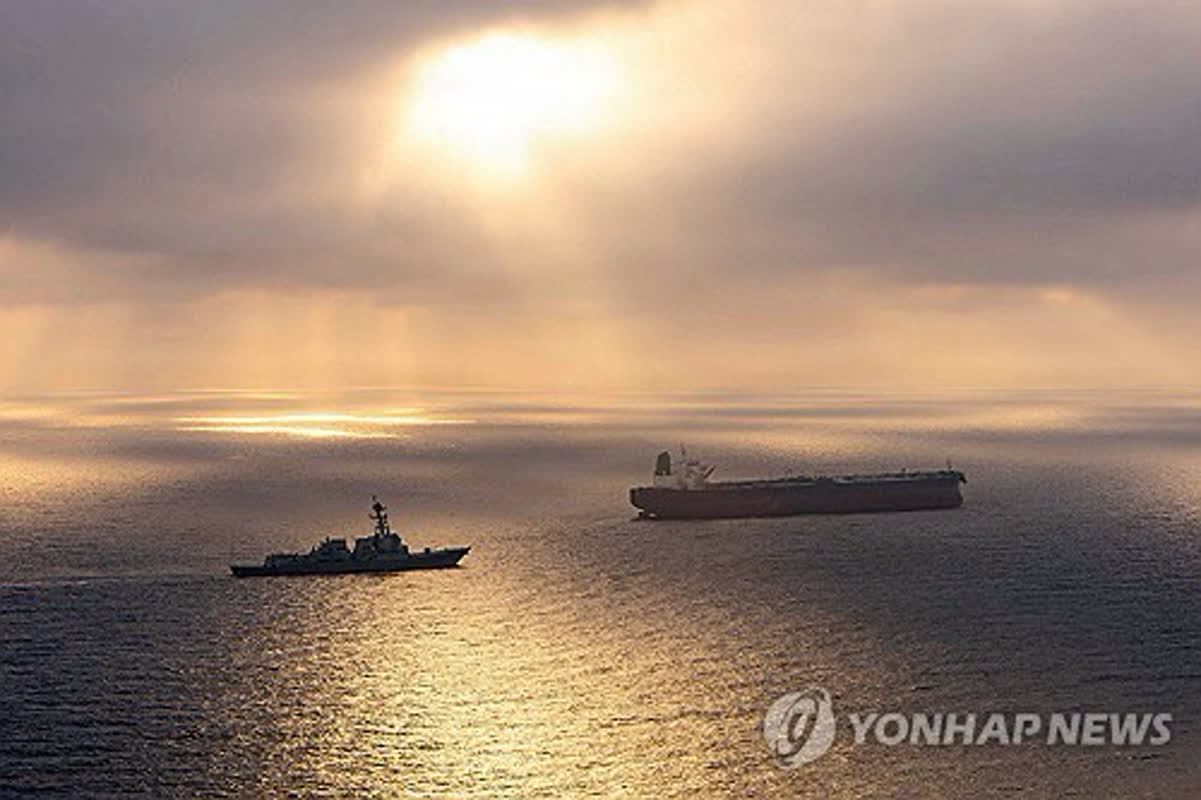
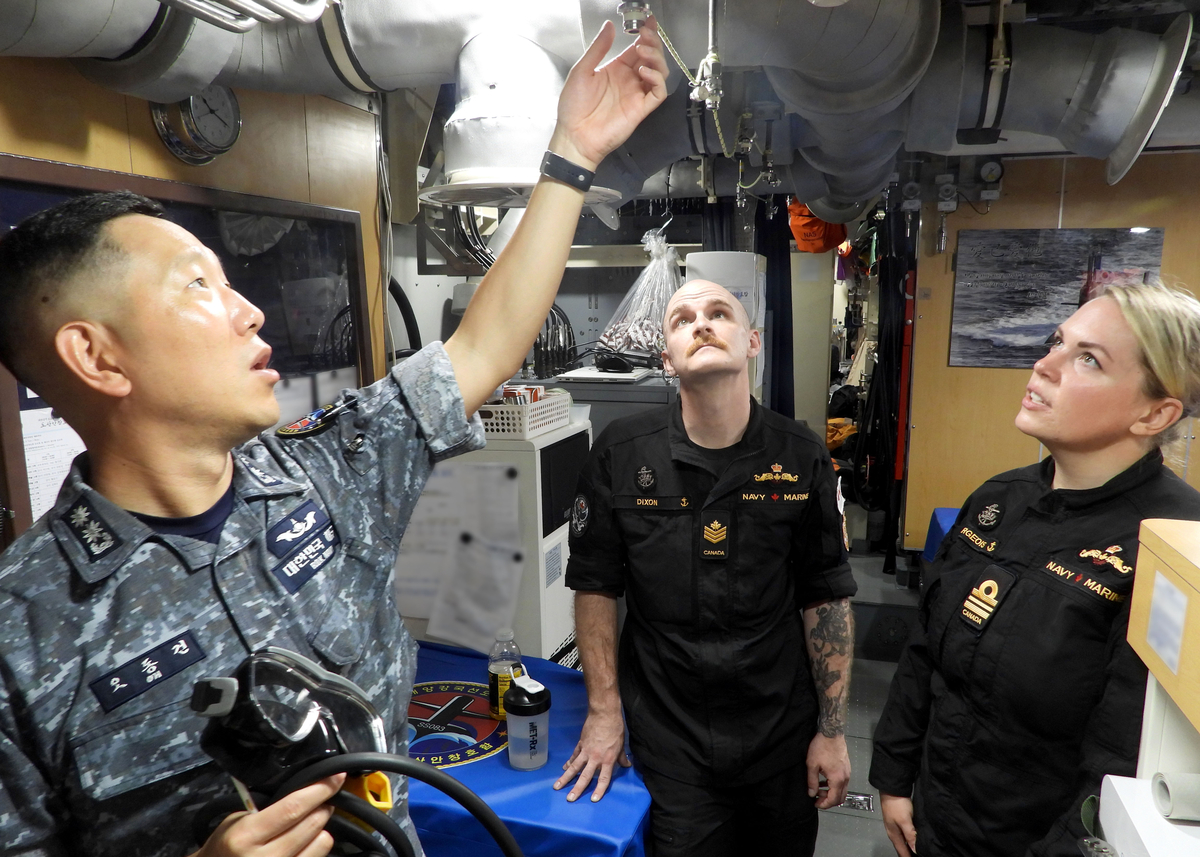 The 3,000-ton Dosan Ahn Chang-ho (SS-III), built with South Korean technology, demonstrated communications interoperability with the Royal Canadian Navy after flawless exchanges in the central Pacific.
Beyond networks centered on the U.S.-ROK alliance, the navy confirmed it can directly command and control allied operations with a key partner—Canada—signaling that South Korea’s operational reach is expanding into multinational coalition domains.
On the 21st, the Submarine Command said the Dosan Ahn Chang-ho used its onboard joint C4I command-and-control system on the 18th to establish communications with the Canadian Pacific Fleet Command.
C4I systems let forces operating across multiple domains rapidly share battlefield information and support commanders’ decisions. This was the first time a domestically built South Korean submarine used a joint C4I system to communicate with the Canadian Pacific Fleet.
The exercise demonstrated the navy’s ability to communicate with major partners such as Canada—not only through U.S.-centric networks—underscoring broader interoperability.
The operation also helped resolve lingering questions about submarine interoperability between South Korea and Canada. Analysts say the result lays a technical and tactical foundation for a new collective-security framework centered on submarine forces in the Indo-Pacific.
Two members of the Royal Canadian Navy’s Submarine Command boarded the Dosan Ahn Chang-ho to validate interoperability and boost confidence in the exercise. Maj. Brittani Bourgeois and Sgt. Jake Dixon joined the patrol at the Hawaii departure stage earlier this month and used the joint C4I system at sea to communicate with their fleet and headquarters. Having partner operators verify systems under deep-sea operating conditions gave the mission added credibility.
Capt. Lee Byung-il, commander of the Dosan Ahn Chang-ho, said, “This communications success marks a turning point that expands our navy’s operational radius into multinational coalition areas. Based on solid interoperability, we will continue to expand and demonstrate the Republic of Korea submarine force’s mission capabilities.”
The Dosan Ahn Chang-ho became the first South Korean submarine to cross the Pacific. It sailed from Jinhae Naval Base on March 25 to participate in ROK-Canada cooperative exercises, proving its long-endurance capabilities with resupply stops at Guam and Hawaii.
Meanwhile, Navy Chief of Staff Kim Kyung-ryul began a visit to Canada from the 21st through the 29th to strengthen military cooperation and support defense-industry collaboration between South Korea and Canada, roughly a month before Canada makes a final decision in its submarine procurement competition worth up to 60 trillion KRW (about $45 billion). Kim plans to attend the welcome ceremony in Victoria for the Dosan Ahn Chang-ho (3,000-ton class) and the escort ship Daejeon (3,100-ton class) to encourage the crews.
This is the first time a South Korean submarine has crossed the Pacific. The Dosan Ahn Chang-ho’s one-way distance from Jinhae Naval Base to Victoria is roughly 14,000 km (about 8,700 miles), the longest voyage in the history of South Korean submarines.
Highlighting South Korea’s ability to conduct Pacific crossings, the Dosan Ahn Chang-ho will take part in ROK–Royal Canadian Navy cooperative exercises and then join RIMPAC, the multinational exercise led by the U.S. Navy, before returning home.





Most Commented