
Translation result
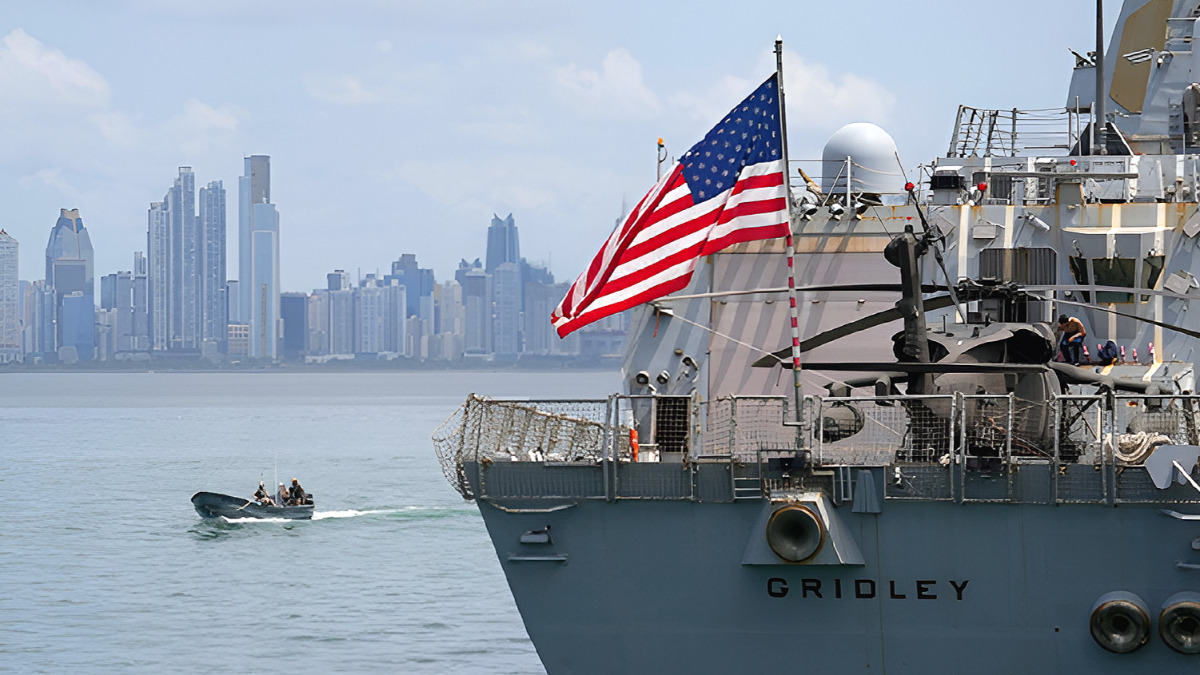
The U.S. Navy has selected seven designs from more than 20 submissions to its Medium Unmanned Surface Vessel (MUSV) marketplace, moving those entries from paper review into prototype testing.
The performance bar is high. The vessels must operate through heavy seas at roughly 46 km/h (about 25 knots), travel 4,630 km (about 2,880 miles) and sustain an effective payload of up to 25 metric tons.
These platforms aren’t intended merely for scouting. The Navy is pursuing a modular maritime robotic architecture that can swap in missiles, surveillance sensors or electronic-warfare packages depending on the mission.
With a 4,630-km endurance, MUSVs could remain on station across the western Pacific—linking Guam, Japan and the Philippines—while reducing the need to escort them with crewed warships.
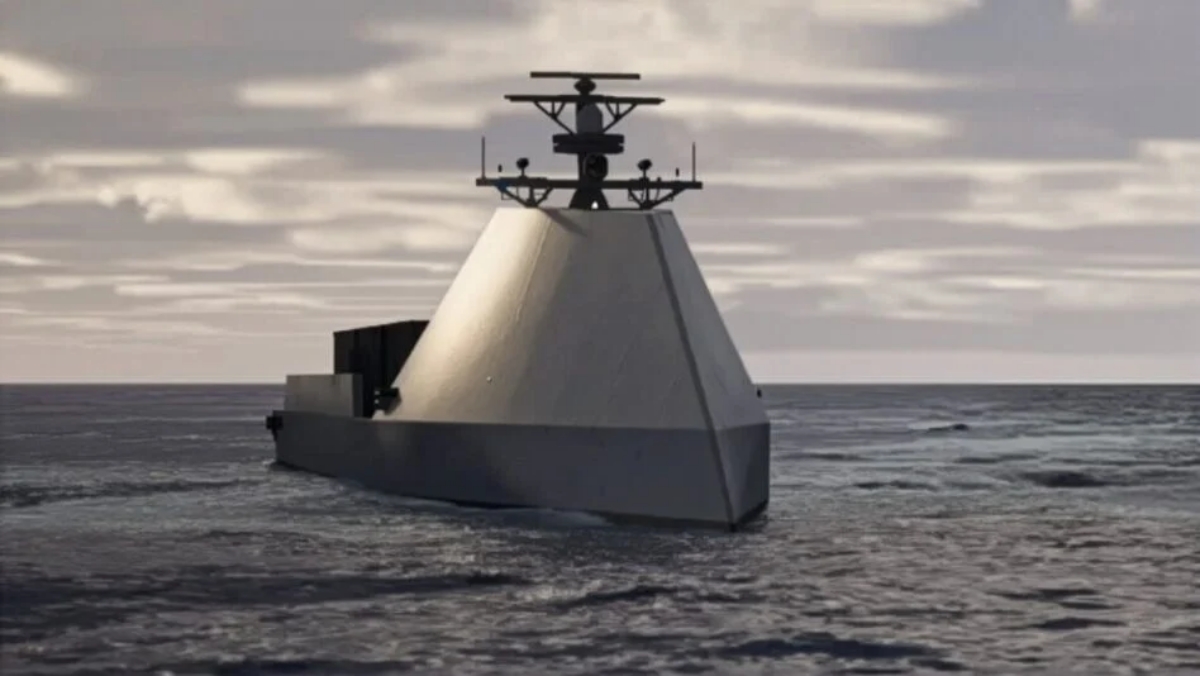
The Navy’s decision to withhold the names of competing companies is noteworthy. That secrecy likely opened the contest to more than traditional shipbuilders—bringing in firms with expertise in autonomy, software and commercial vessel design.
Defense procurement innovation: lowering risk with commercial tech
Rather than fund full development up front, the Navy is using a market-driven approach: companies must demonstrate a working prototype before the service commits to lease or buy. It’s a pay-for-performance model designed to accelerate fielding while shifting early development risk to industry.
By accepting commercial autonomous-vessel technology, the Navy aims to compress timelines that would otherwise be spent on military-only development. Firms absorb the failure risk; the service takes proven capabilities.
Still, the platform’s value will depend far more on software than on steel: reliable autonomous navigation, robust collision avoidance, secure remote control and hardened cyber defenses are mission-critical.
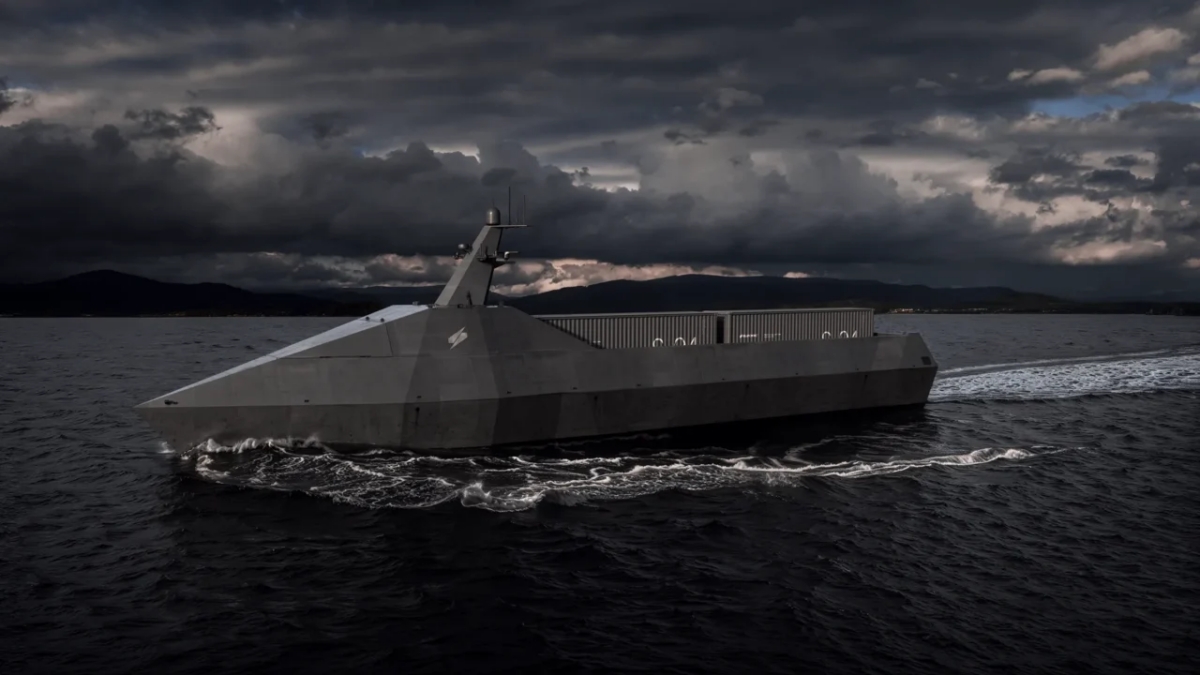
The design’s ability to carry two standardized containers is central. In peacetime, MUSVs can operate as persistent ISR platforms. In crises, they can be reconfigured with missile launchers or electronic-warfare modules and serve as remote strike or support nodes.
Implications for South Korea’s navy tactics and defense industry
Confronted with North Korean threats and manpower shortfalls, the Republic of Korea Navy faces a stark choice: adopt unmanned surface vessels for monitoring high-risk areas in the Yellow Sea and southern waters or accept increased vulnerability. For Seoul, USVs are increasingly a matter of force survivability.
Unmanned vessels can serve as expendable decoys to protect crewed ships and, when fitted with containerized weapons, act as scalable, sea-based firepower nodes.
The Navy’s move underscores a strategic shift: naval competition is moving away from a simple count of large hulls toward a race to disperse unmanned strike nodes across the maritime battlespace.
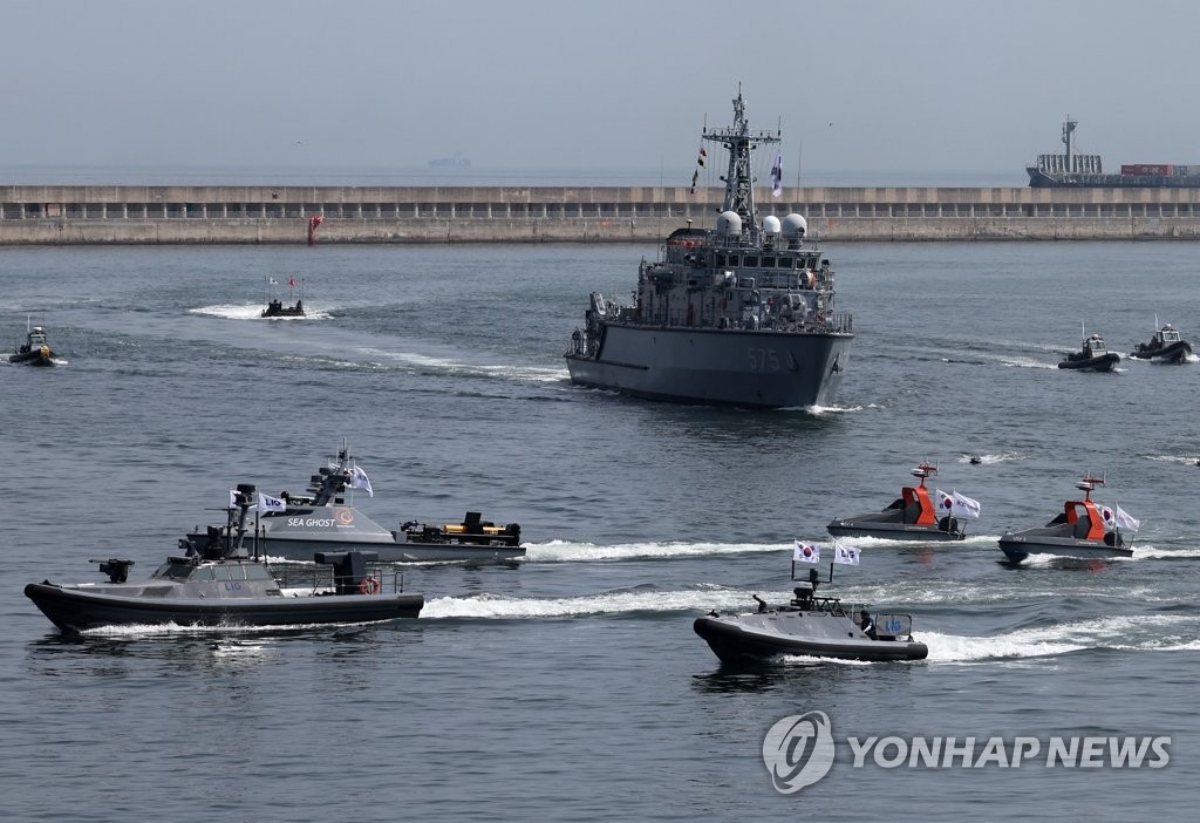
South Korea’s navy must go beyond technology development. It needs clear operational doctrine—deciding whether USVs will be controlled from land-based command centers or by ship crews, and under what rules of engagement they will operate.
If the norm becomes vessels that appear to be surveillance ships in peacetime but can be rapidly outfitted with missile modules in crises, traditional classifications of naval vessels will be upended.
Real-time trending stories
- “Turning sworn enemies into one team?” — How Türkiye’s control is reshaping the Middle East and the Mediterranean
- “We paid $14 billion but the weapons haven’t arrived” — Why supply delays are putting U.S. forces in Korea on edge
- “Is the Arctic becoming China’s?” — Why Beijing is bringing big money to the Arctic Ocean









Most Commented